Overview of June 22 Kinetic Activity
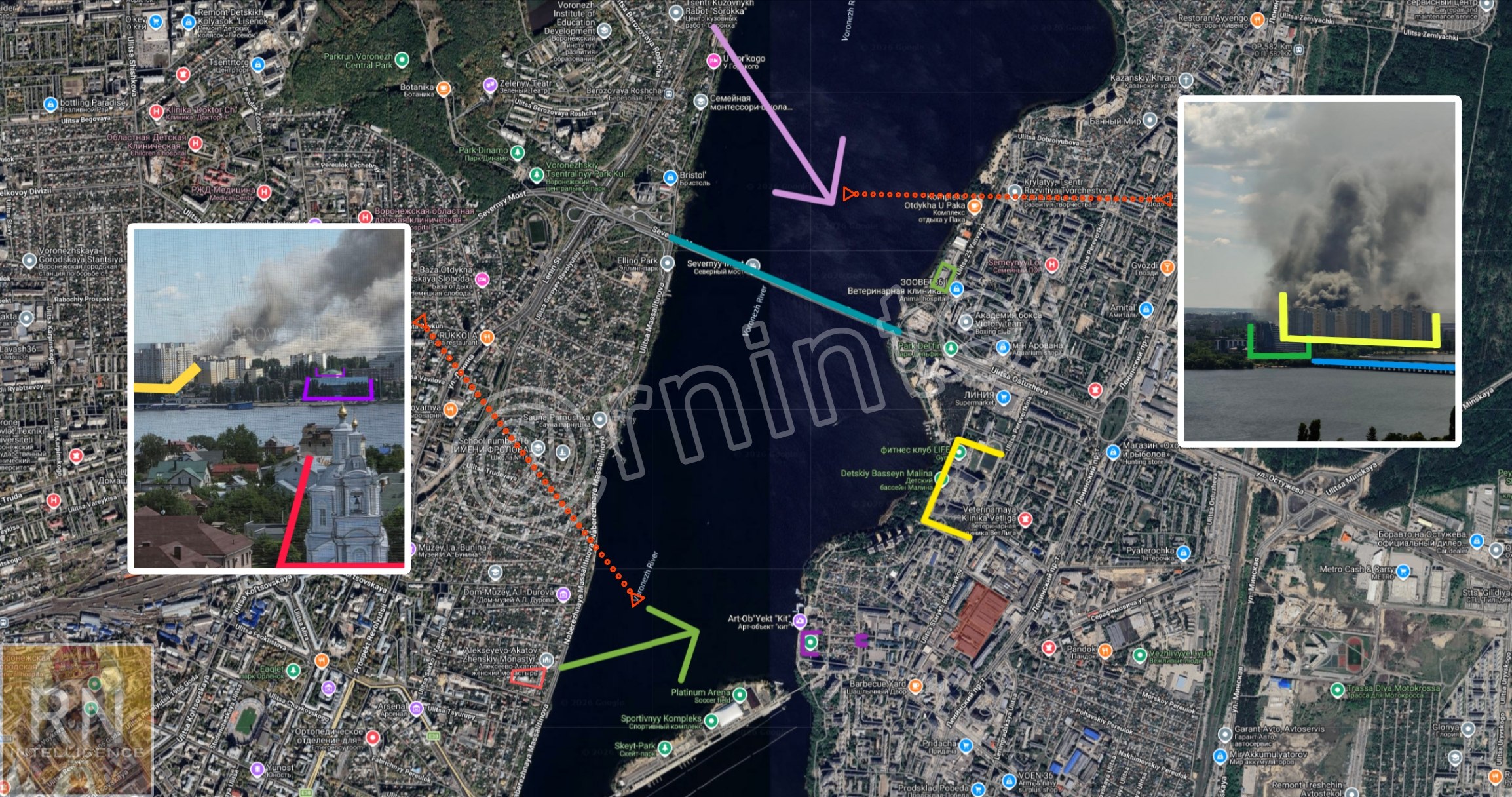
On 22 June 2026, a series of Ukrainian missile operations were recorded against targets in Voronezh Oblast, Russia. The most significant incident, reported at 14:44 UTC, involved a large‑scale missile strike that was geolocated by the open‑source analysis group Rerum Novarum. The strike landed near coordinates 51.67721 N, 39.25426 E, within the city limits of Voronezh. No official casualty figures have been released, and Russian authorities have not yet confirmed damage assessments.
Rerum Novarum have geolocated the recent Ukrainian large‑scale missile attack on Voronezh, Russia, to an area approximately around: 51.67721, 39.25426.
Source: CIG_telegram. The event is classified as a rocket attack, though the specific missile type was not disclosed in the source material.
Attack on the VZPP‑S Semiconductor Facility
Earlier that day, at 10:00 UTC, Ukrainian forces employed Storm Shadow cruise missiles against the Voronezh Semiconductor Devices Factory–Assembly (VZPP‑S). The target is a key producer of semiconductor components for Russian electronics and defense industries. Video evidence posted by the Telegram channel intelslava confirms the impact of the missiles on the plant’s perimeter. As with the later strike, casualty numbers remain unreported, and the extent of infrastructural damage is pending independent verification.
Ukraine struck the Voronezh Semiconductor Devices Factory–Assembly (VZPP‑S) in Voronezh, Russia, with Storm Shadow cruise missiles.
Source: intelslava. The weapon system identified is the Storm Shadow cruise missile, a long‑range, air‑launched weapon supplied to Ukraine by Western allies.
Missile Trajectory Observations
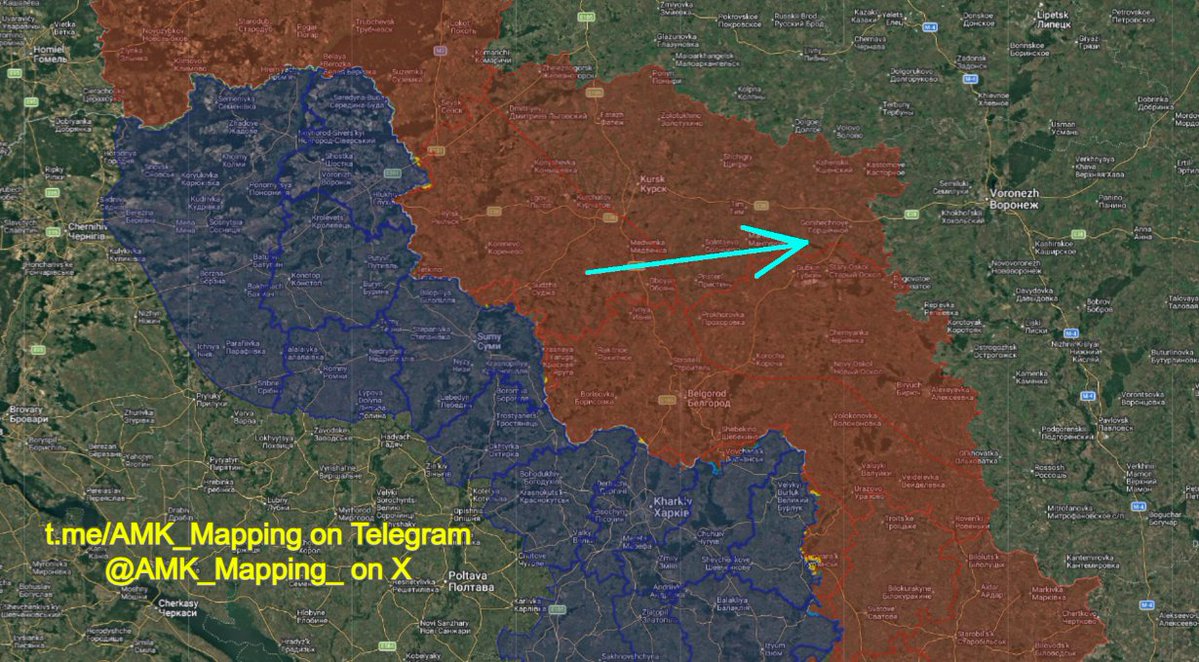
At 08:50 UTC, monitor_the_situation posted a photograph showing Ukrainian Storm Shadow missiles traversing the Belgorod‑Kursk border and heading east toward Voronezh. The image captures the flight path of the missiles, indicating a coordinated launch corridor that bypasses heavily defended airspace in the border region. This observation corroborates the timing and direction of the later strikes.
Ukrainian Storm Shadow cruise missiles are flying east along the Belgorod‑Kursk border towards Voronezh, Russia.
Source: monitor_the_situation. The same missile type is noted, reinforcing the pattern of usage across multiple targets.
Weapon Systems and Tactical Implications
The repeated employment of Storm Shadow cruise missiles demonstrates Ukraine’s capacity to conduct precision strikes at distances exceeding 250 km. The missiles’ low‑observable flight profile and terrain‑following capability enable penetration of Russian air defenses that are traditionally oriented toward ballistic trajectories. The large‑scale missile strike reported by Rerum Novarum, while not explicitly identified, is consistent with the use of long‑range, possibly air‑launched or ground‑based missile platforms capable of delivering high‑explosive warheads over similar ranges.
All three incidents were recorded by open‑source channels on Telegram, a platform frequently used by both state and non‑state actors to disseminate real‑time conflict data. The convergence of timing, geography, and weapon type suggests a coordinated operational window aimed at maximizing impact on both civilian infrastructure and strategic industrial assets within Voronezh.
Contextual Assessment
Voronezh, located approximately 500 km south of Moscow, has historically been outside the primary theater of the Russia‑Ukraine war. The concentration of kinetic activity on 22 June marks a notable escalation in the geographic scope of Ukrainian strike operations. While no official Russian statements have been released, the pattern aligns with Ukraine’s broader strategy of extending pressure onto Russian interior regions to disrupt logistics, manufacturing, and morale.
Given the absence of confirmed casualty data, the humanitarian impact cannot be quantified at this stage. However, the targeting of a semiconductor facility underscores a focus on degrading Russia’s technological supply chain, a sector increasingly critical for modern warfare systems.
Continued monitoring of open‑source feeds, satellite imagery, and official communications will be essential to verify damage assessments, casualty figures, and any subsequent Russian defensive or retaliatory measures.