On 22 June 2026 Russia executed its most extensive ballistic and hypersonic missile operation of the year, targeting multiple urban centres in Donetsk Oblast. The strike, reported by monitor_the_situation, employed a mix of conventional ballistic missiles and hypersonic weapons, marking a tactical shift toward high‑velocity, long‑range attacks on Ukrainian civilian and military infrastructure.
Russian ballistic and hypersonic missile attack on Donetsk Oblast
The coordinated barrage hit at least three populated locations within Donetsk Oblast, causing significant structural damage and civilian casualties. While exact casualty figures remain unverified, local authorities confirmed dozens of injuries and several fatalities. The weapons used included ballistic missiles launched from mobile launchers and hypersonic glide vehicles capable of maneuvering at Mach 5, complicating Ukrainian air‑defence interception. No specific Russian unit was named, but the operation aligns with the broader strategic objective of pressuring Ukrainian defensive lines ahead of the summer offensive.
Ukrainian drone operations neutralize Russian air defenses and logistics
In a separate kinetic event, Ukrainian forces employed HUR‑strike drones to engage a concealed Russian Pantsir‑S2 air‑defence system in an underground shelter in Donetsk Oblast. The strike, documented by monitor_the_situation at 16:29, ignited the system and is assessed to have rendered it inoperable. The successful engagement demonstrates Ukraine’s growing proficiency with loitering‑munitions platforms capable of penetrating hardened positions.
Earlier, Ukrainian Spartan Brigade drones attacked Russian military vehicles on the Donetsk‑Mariupol highway, disrupting supply convoys and forcing the Russian rear to reroute logistics. The operation, reported at 13:41, involved small‑scale quad‑copter UAVs equipped with precision‑guided munitions, highlighting a shift toward low‑cost, high‑impact aerial harassment.
Ukrainian air and missile strikes on Russian‑occupied infrastructure
Ukraine’s air force conducted a precision strike on a bridge over the Karachekrak River in the occupied town of Vasylivka, Zaporizhzhia Oblast, at 08:45. The target, a key segment of the E105 highway, was destroyed, temporarily severing a major supply route for Russian forces. The strike employed guided munitions launched from Su‑24 aircraft, as reported by monitor_the_situation.
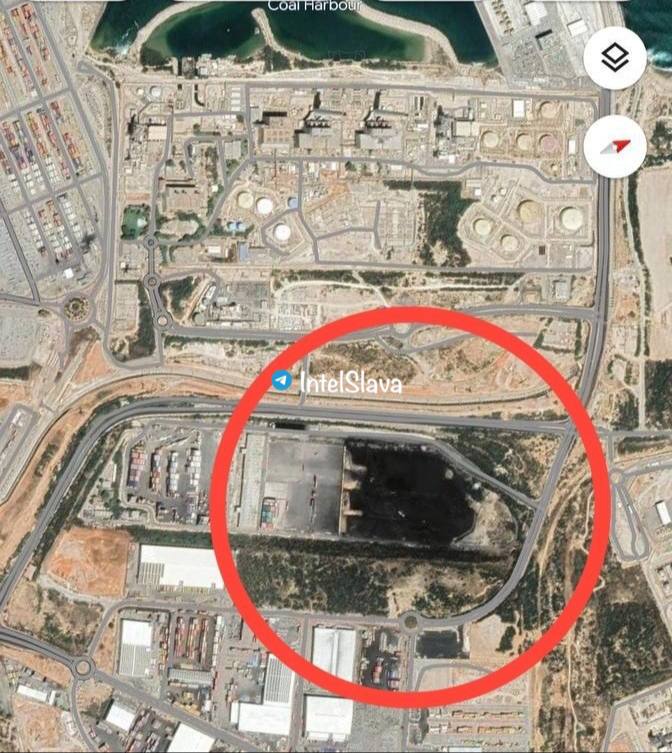
At 10:18, Russian Geran‑2 loitering munitions struck the Kantserovka oil depot near Vysokohirne in Zaporizhzhia Oblast, igniting fuel storage tanks and causing environmental contamination. The Geran‑2, a Russian‑produced loitering munition with electro‑optical seekers, was launched from an undisclosed platform, according to intelslava.
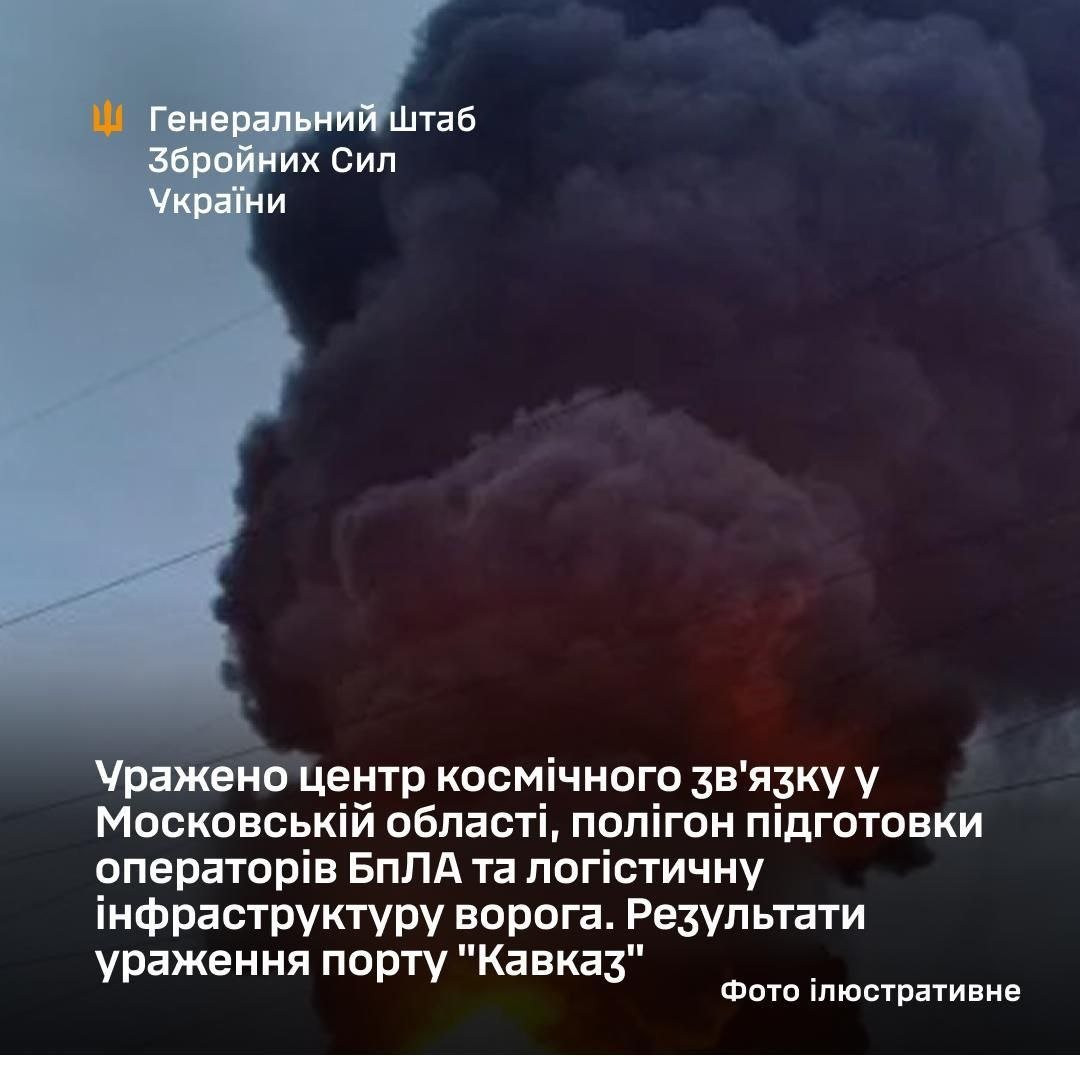
"Ukraine's General Staff confirms strikes on the Dubna space communications centre, a UAV training range near Debaltseve, and the Vasylivka bridge," monitor_the_situation reported at 09:33.
Ground movements: shifting front lines in Donbas
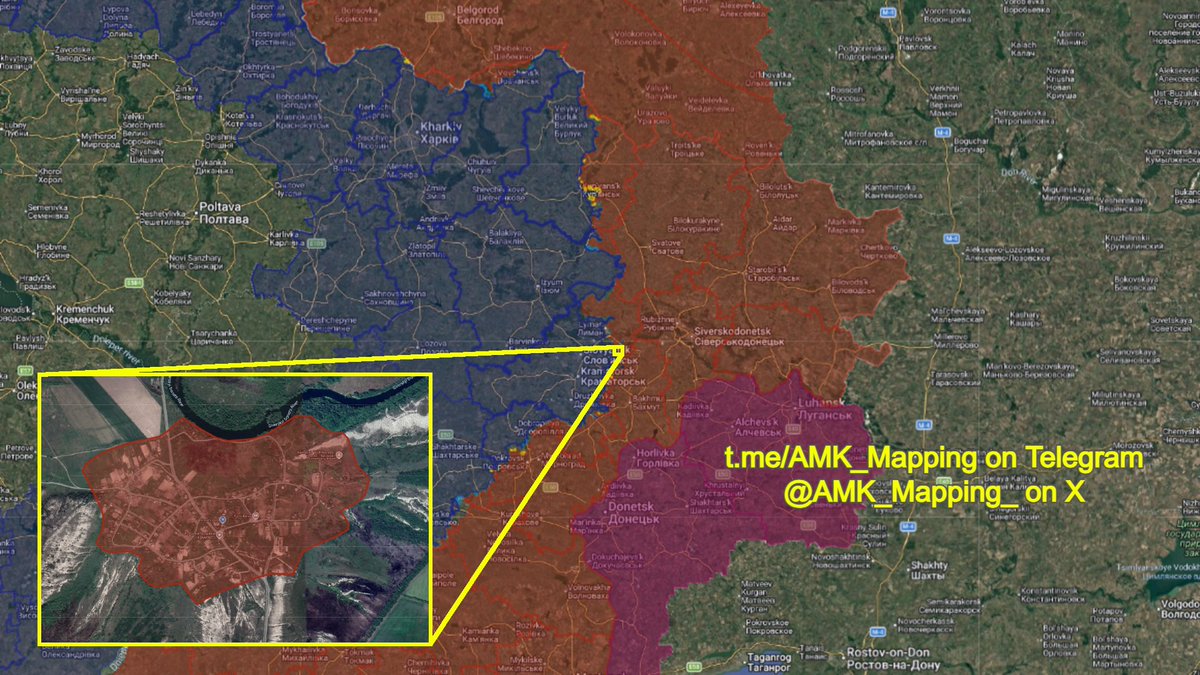
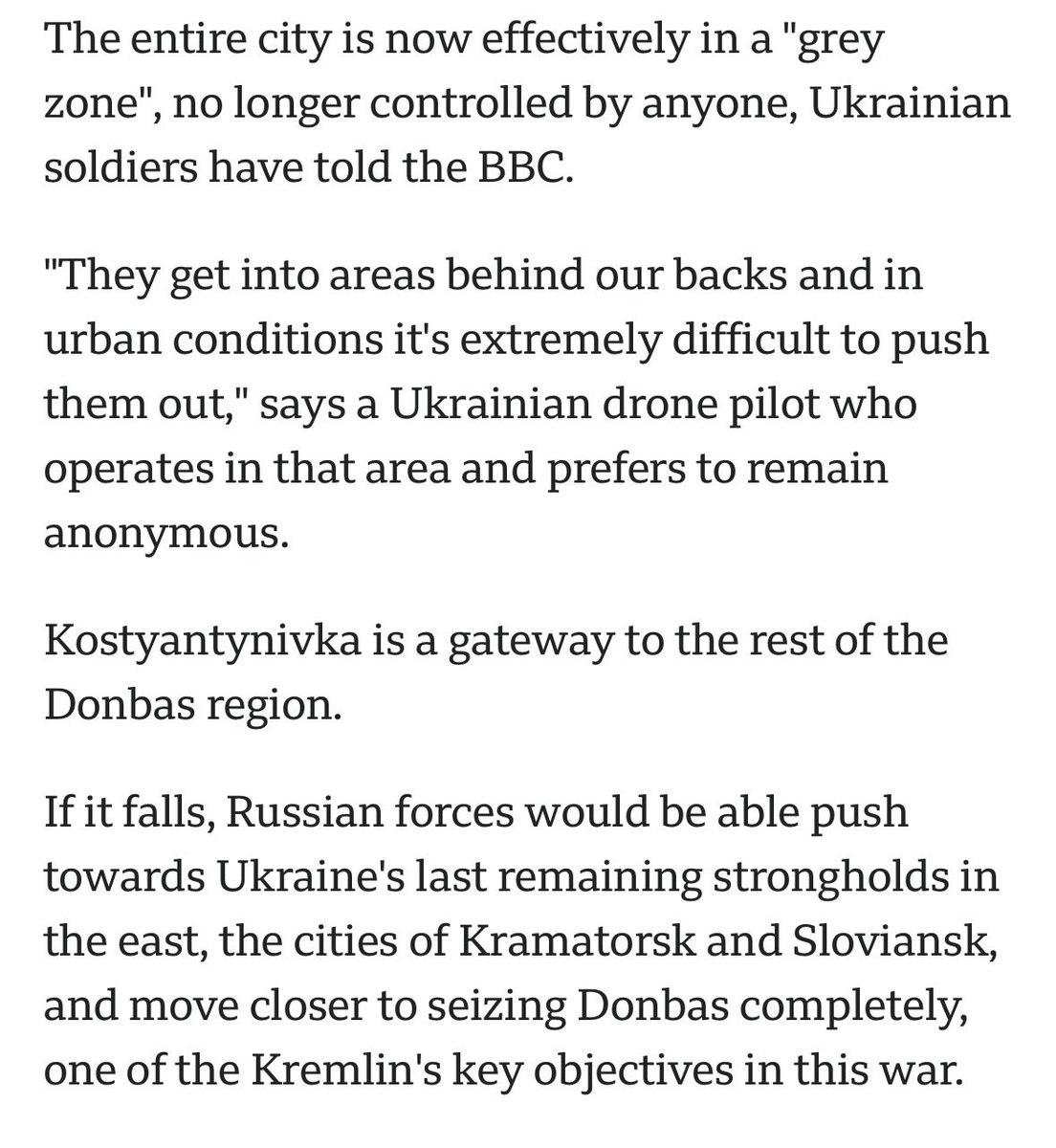
Territorial dynamics continued to evolve across the Donbas region. intelslava reported that Russian forces now control over half of Kostiantynivka, having seized western districts including Ukrayinsky Khutir and the Megatex industrial complex. The eastern half, encompassing the Chervone hills and the railway station, remains under Ukrainian control, creating a fragmented urban battlefield.
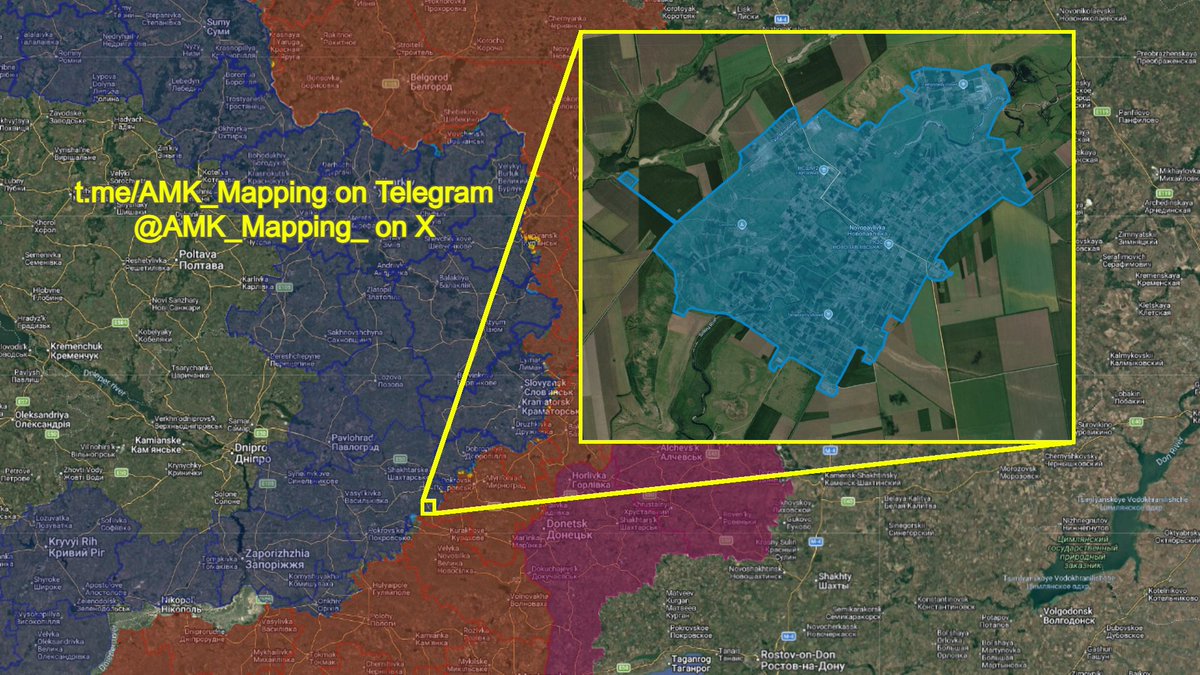
In Donetsk Oblast, Russian troops captured the village of Kryva Luka after four months of combat, reducing the Ukrainian defensive perimeter in the sector. Simultaneously, Ukrainian forces recaptured Novopavlivka in Dnipropetrovsk Oblast, marking a modest but symbolically important reversal after seven months of fighting.
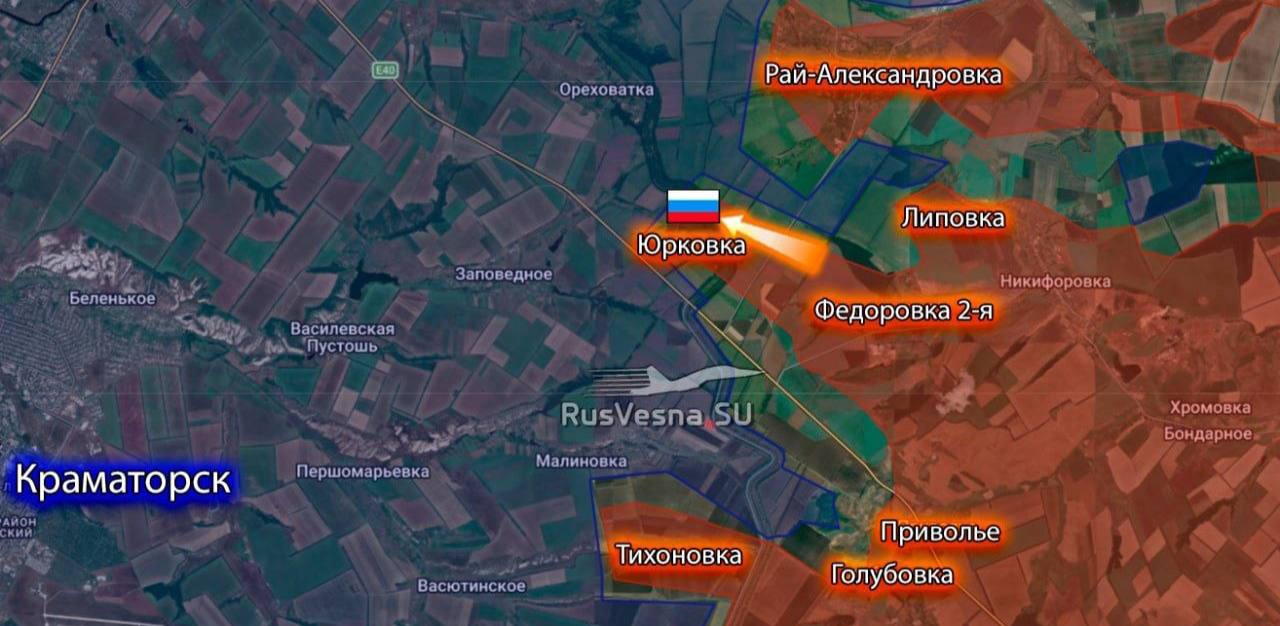
Russian advances have also brought forces within 10 km of Slavyansk, positioning them for a potential assault on the city and the nearby strategic hub of Kramatorsk. Ukrainian command has issued alerts for possible defensive withdrawals in the area, as detailed by intelslava at 12:45.
Emerging tactics: drone‑delivered mines and contested grey zones
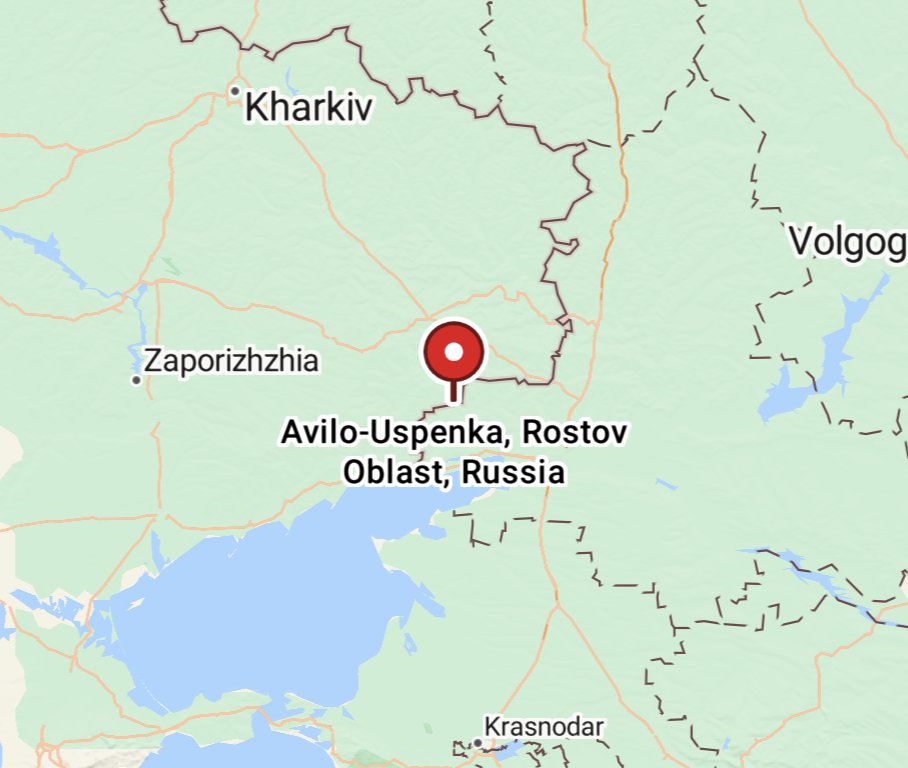
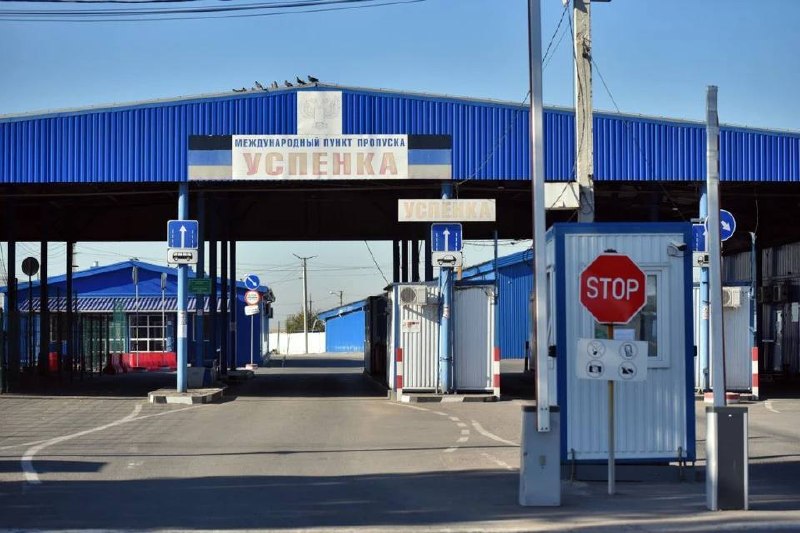
Both sides have expanded the use of unmanned systems for area denial. Ukrainian forces are deploying drones to drop anti‑vehicle mines in Donetsk Oblast, effectively isolating occupied territories from Russian supply lines. The tactic, reported at 07:24 by monitor_the_situation, has forced the closure of the Uspenka checkpoint, disrupting cross‑border traffic.
Conversely, Russian forces have intensified infiltration behind Ukrainian lines, creating “grey zones” where control is contested and neither side holds full authority. Ukrainian soldiers described a city in the Donbas as a grey zone with ongoing Russian infiltration, complicating command‑and‑control and increasing the risk of localized skirmishes.
Operational assessment
The June 22 kinetic events underscore a heightened intensity in the Ukraine theatre. Russia’s deployment of hypersonic missiles signals an escalation in long‑range strike capability, aimed at degrading Ukrainian command infrastructure and civilian morale. Ukraine’s response—leveraging drones for both offensive strikes and mine‑laying, coupled with targeted airstrikes on logistics nodes—demonstrates adaptive tactics that prioritize precision and cost‑effectiveness.
Territorial shifts in Kostiantynivka, Kryva Luka, and the approach to Slavyansk suggest a fluid front line, with both belligerents seeking to exploit breakthroughs while consolidating gains. The emergence of contested grey zones and the increased use of unmanned mine‑laying indicate a move toward hybrid warfare, where control of terrain is supplemented by denial operations.
Overall, the day's kinetic actions reflect a convergence of high‑technology weaponry and conventional ground maneuvers, reinforcing the complexity of the conflict and the likelihood of continued escalation in the coming weeks.