A Russian‑operated unmanned aerial vehicle struck a Turkish dry cargo vessel on the early morning of 22 June, injuring crew members from Egypt, Turkey and India and prompting an international rescue effort, according to the Ukrainian Navy and reported by JPost.
Casualties confirmed after Russian drone hits Turkish dry cargo vessel, Ukrainian Navy saysAll nine crew members were rescued, but the incident marks the first confirmed use of a Russian drone against a civilian maritime target in the region, raising concerns about the expanding reach of aerial warfare.
Russian Drone Strike on Turkish Vessel
The vessel, flagged under Turkey, was transiting an undisclosed maritime corridor when the UAV made contact at 05:21 UTC. The Ukrainian Navy, which monitors maritime incidents in the Black Sea and adjacent waters, confirmed that the drone was of Russian origin. While the ship sustained structural damage, the crew—four Egyptians, three Turks and two Indians—suffered injuries of varying severity. The incident was documented by JPost and underscores the growing risk to commercial shipping from state‑linked aerial platforms.
Explosion at Qatar's Barzan Gas Supply Facility
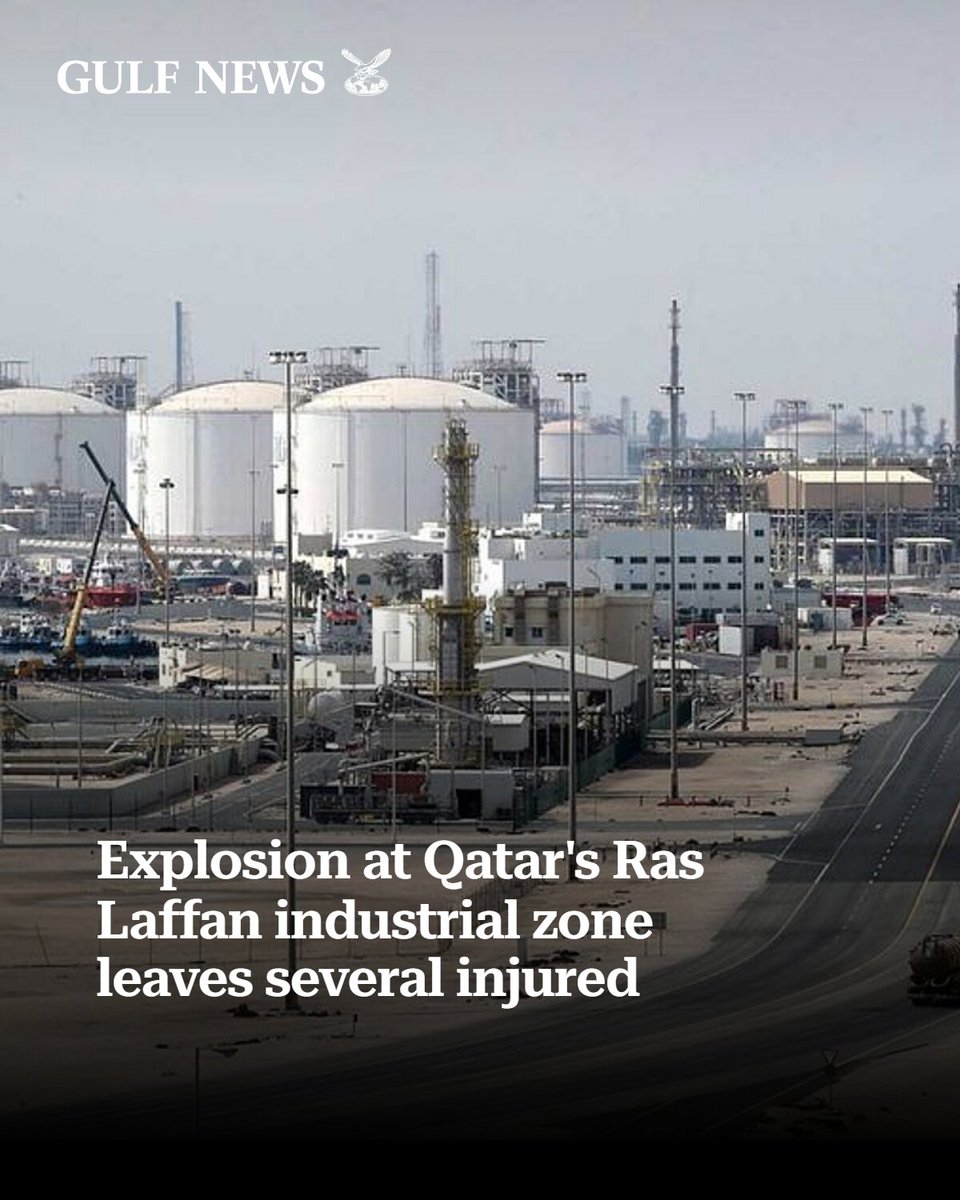
At 03:11 UTC, an explosion erupted at the Barzan gas supply facility within the Ras Laffan Industrial City complex, injuring 54 workers and leaving 18 missing, according to a statement from QatarEnergy and reported by JPost. The blast occurred during the start‑up phase of a new processing unit. Emergency services evacuated the site, and rescue teams continue to search for the missing personnel. No weaponry was involved; the incident is attributed to an operational malfunction, but the scale of casualties highlights the vulnerability of critical energy infrastructure in the Gulf.
Hezbollah Border Attack in Northern Israel
Shortly before the Qatar explosion, at 03:01 UTC, Hezbollah militants launched a cross‑border assault on Israel’s northern frontier, killing four Israeli Defense Forces (IDF) soldiers, as detailed in an editorial piece on JPost. The attack, which involved small arms and improvised explosive devices, illustrates the persistent volatility along the Israel‑Lebanon border despite ongoing diplomatic overtures between the United States and Iran. The editorial emphasized that “Israel’s security cannot hinge on unfinished US‑Iran diplomacy,” reflecting broader regional anxieties.
Technical Malfunction Explosion at Iraq's Barzan Gas Site
In a separate incident, a technical malfunction triggered an explosion at the Barzan gas site in Iraq at 02:58 UTC. The blast injured several workers, though exact casualty figures were not disclosed. The report, circulated by the Telegram channel monitor_the_situation, included a photograph of the damaged infrastructure. While no hostile weapon was involved, the event adds to a pattern of safety lapses at energy facilities across the Middle East.
Rapid Support Forces Drone Strike in Sudan
At 04:25 UTC, a Rapid Support Forces (RSF) drone struck a fuel station in Kosti, Sudan, killing the station’s driver and wounding 14 civilians, according to monitor_the_situation. The RSF, a paramilitary group that has been active in Sudan’s internal conflict since 2023, employed an armed UAV to target the civilian infrastructure, demonstrating the group’s capacity to conduct precision strikes beyond conventional battlefields.
Collectively, these incidents illustrate a pronounced surge in both drone‑related attacks and industrial explosions across the Middle East and North Africa (MENA) region. The convergence of state‑linked aerial threats, non‑state militant capabilities, and safety failures at energy sites creates a complex security environment that challenges traditional risk assessments for commercial operators, humanitarian agencies, and governments alike.