On the night of 21 June 2026, the Russian Aerospace Forces launched a coordinated wave of Kinzhal hypersonic missiles, guided bombs and Shahed‑type loitering drones against Ukrainian territory, marking the most extensive kinetic strike of the day and underscoring the escalating missile competition on the front lines.
Kinzhal missile barrage across Ukraine
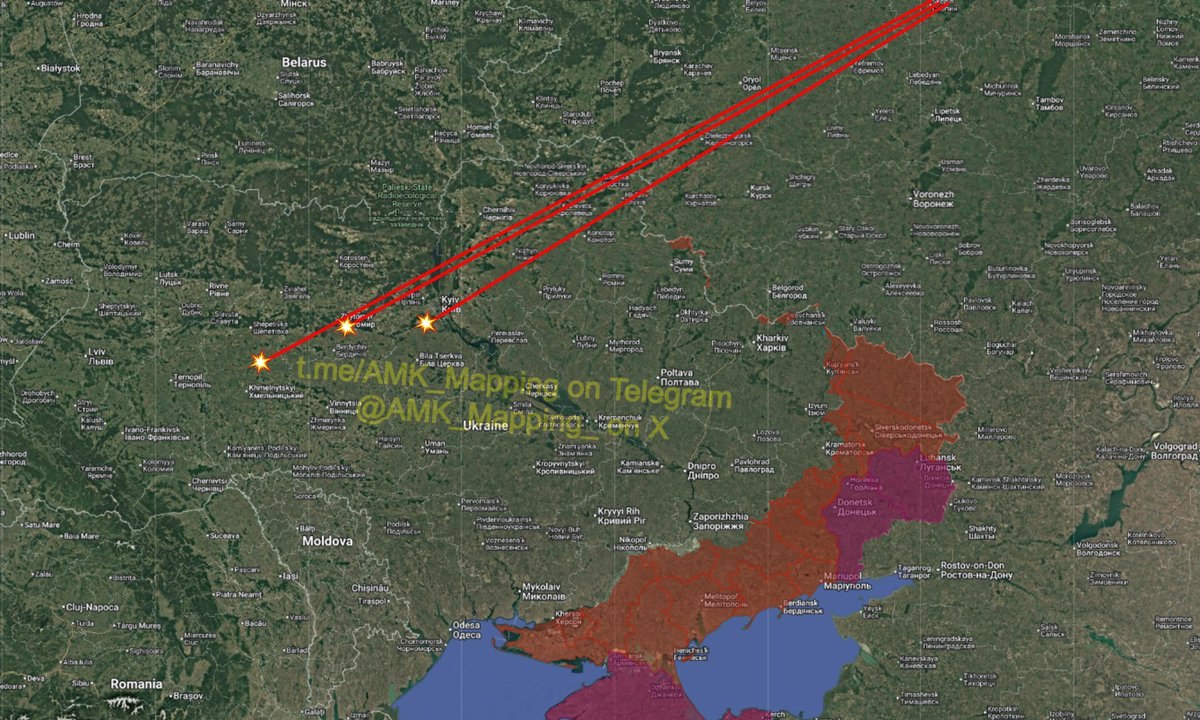
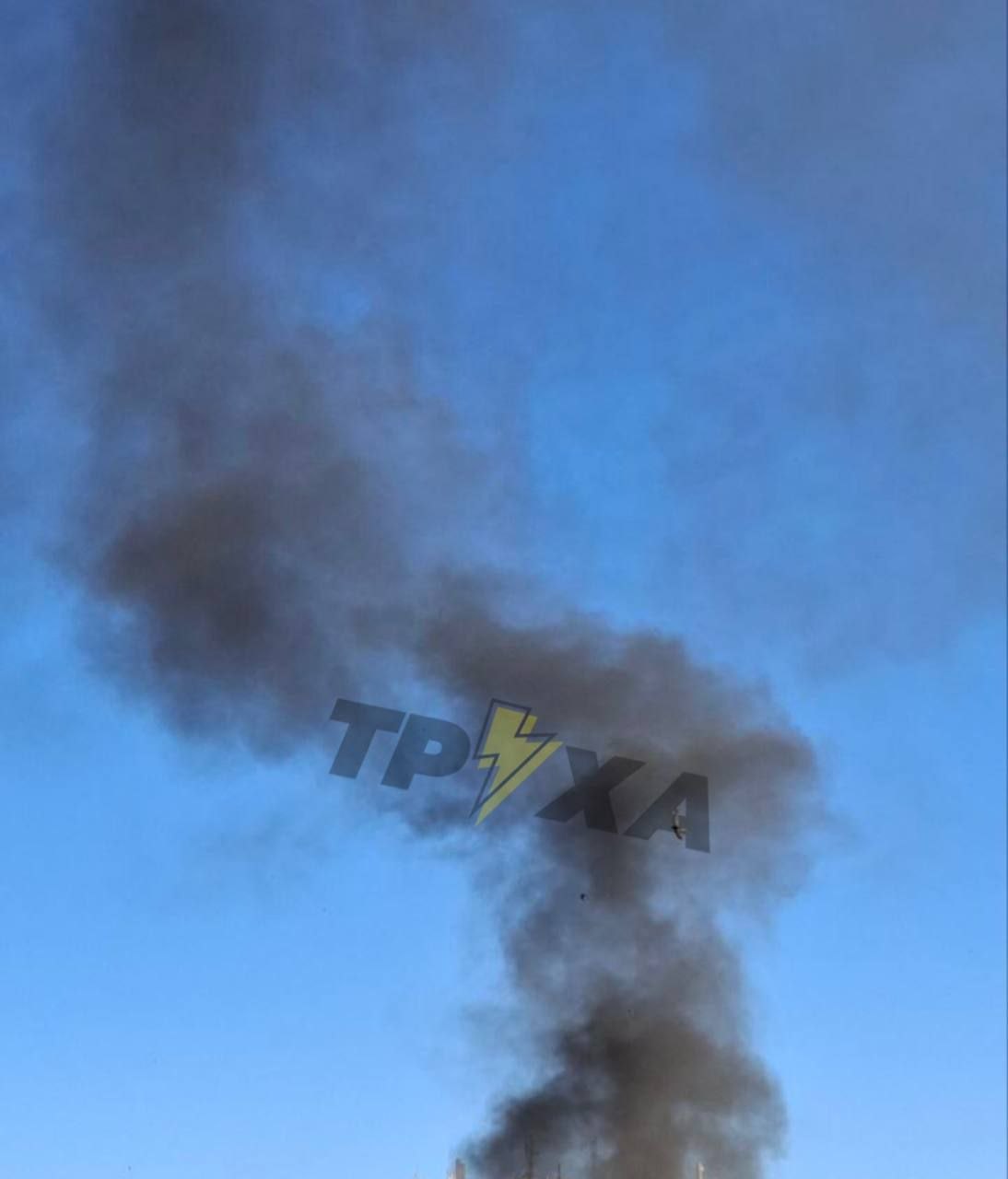
According to the monitoring channel intelslava, the first Kinzhal was tracked at 01:15 UTC, flying west past Chernihiv toward Dymer in Kyiv Oblast before detonating in Zhytomyr. Subsequent launches struck the Sumy region between 01:33 and 03:12, producing repeated explosion waves. The same channel reported that the Russian Aerospace Forces also deployed MiG‑31K aircraft, guided aerial bombs, cruise missiles and additional Shahed drones in the same timeframe, targeting power infrastructure and causing widespread outages.
"Multiple Kinzhal launches and coordinated aerial attacks have created a cascade of explosions across northern Ukraine, disrupting electricity supplies and igniting fires in civilian areas," intelslava noted (https://t.me/intelslava/89239).
Casualty figures have not been fully confirmed, but local authorities reported at least eight civilian injuries and several property losses in the affected oblasts. The use of hypersonic weapons, capable of maneuvering at speeds exceeding Mach 5, raises the tactical stakes for both sides.
Ukrainian drone strikes on Crimea and Russian mainland
In parallel, Ukrainian forces intensified UAV operations against Russian‑occupied territories. Al Jazeera reported that Ukrainian drones struck oil facilities in Crimea and Russia’s Krasnodar region, killing four individuals and damaging critical fuel infrastructure. The attacks were described as “drone strikes” targeting oil processing sites, with the Kremlin‑installed leader of Crimea confirming the fatalities.
"Four people were killed in a drone attack on the Russian‑occupied Black Sea peninsula," Al Jazeera reported (https://www.aljazeera.com/news/2026/6/21/ukraine-strikes-hit-oil-facilities-in-crimea-russias-krasnodar?traffic_source=rss).
Additional UAV actions were documented throughout the day. The monitor_the_situation channel released video of a Ukrainian drone hitting the Kerch ferry crossing, killing one passenger and injuring another, while igniting a fire at the nearby Chushka oil terminal. The same source noted that the strike forced the suspension of ferry services across the Kerch Strait and a ban on heavy vehicles on the Kerch Bridge.
"Drone Strike Hits Kerch Ferry Crossing, Kills One," monitor_the_situation (https://t.me/monitor_the_situation/22215).
Further footage from intelslava showed Ukrainian drones striking a fuel terminal in Kerch, producing a large fire, and another UAV attack on the Kerch Peninsula that resulted in four civilian deaths and 28 injuries, according to the head of Crimea, Sergey Aksyonov.
"Ukrainian UAVs carried out a terrorist attack on the Kerch Peninsula, killing four civilians and injuring 28," intelslava (https://t.me/intelslava/89238).
Targeted attacks on Russian artillery and logistics
Ukrainian forces also reported a successful strike on a Russian BM‑21 Grad multiple launch rocket system (MLRS) in Donetsk Oblast. The 77th Airmobile Brigade released video evidence of the explosion, confirming the destruction of the artillery piece and the loss of ammunition stocks.
"Ukraine's 77th Airmobile Brigade Strikes Russian BM‑21 Grad MLRS," monitor_the_situation (https://t.me/monitor_the_situation/22216).
In the southern theater, Russia fired three Kinzhal hypersonic missiles at Ukrainian airbases in Khmelnytskyi and Kyiv oblasts, according to monitor_the_situation. The missiles targeted Starokostyantyniv Airbase, Vasylkiv Airbase, and an additional undisclosed site, demonstrating Russia’s intent to neutralize Ukraine’s air‑defence capabilities.
"Russia launched three Kinzhal hypersonic missiles from Ryazan Oblast at Starokostyantyniv Airbase (Khmelnytskyi Oblast), Vasylkiv Airbase (Kyiv Oblast), and an unknown target," monitor_the_situation (https://t.me/monitor_the_situation/22209).
Impact on civilian infrastructure and casualties
The combined kinetic actions resulted in a measurable toll on civilian populations. In addition to the four fatalities in Crimea, reports from the Donetsk and Sumy regions indicated multiple injuries from blast effects and secondary fires. Power outages affected over 200,000 households across Chernihiv, Sumy and Zhytomyr, prompting emergency response teams to prioritize restoration of electricity and water services.
Ukrainian authorities have begun assessing damage to critical logistics nodes, including fuel depots in the Kerch Strait area, which are vital for Russian supply lines to the occupied peninsula. The disruption of ferry operations and the temporary closure of the Kerch Bridge may impede the movement of military equipment and civilian goods.
Operational implications and strategic outlook
The deployment of Kinzhal missiles underscores Russia’s reliance on hypersonic technology to achieve rapid, high‑impact strikes against strategic targets. However, the simultaneous Ukrainian UAV campaign demonstrates a growing proficiency in asymmetric warfare, targeting energy infrastructure and logistical hubs that sustain Russian forces.
Both sides appear to be testing the limits of their respective strike capabilities. Russia’s focus on airbases suggests an effort to degrade Ukraine’s air‑defence network ahead of potential ground offensives, while Ukraine’s emphasis on oil facilities and transport corridors aims to erode Russia’s operational depth in the Black Sea region.
Analysts will monitor subsequent days for indications of escalation, particularly any retaliatory strikes on Ukrainian cities or further use of hypersonic weapons, which could reshape the kinetic balance on the front.