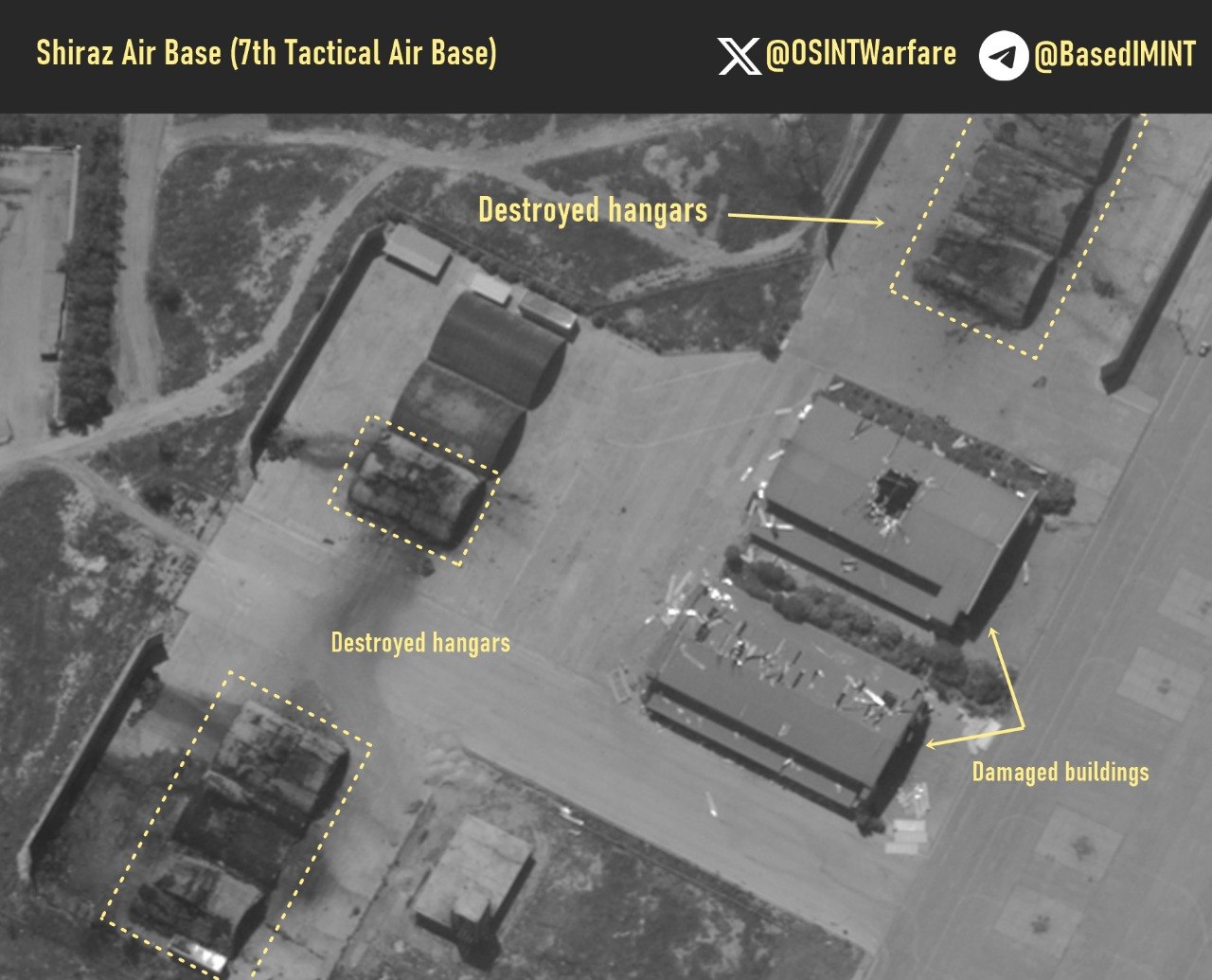
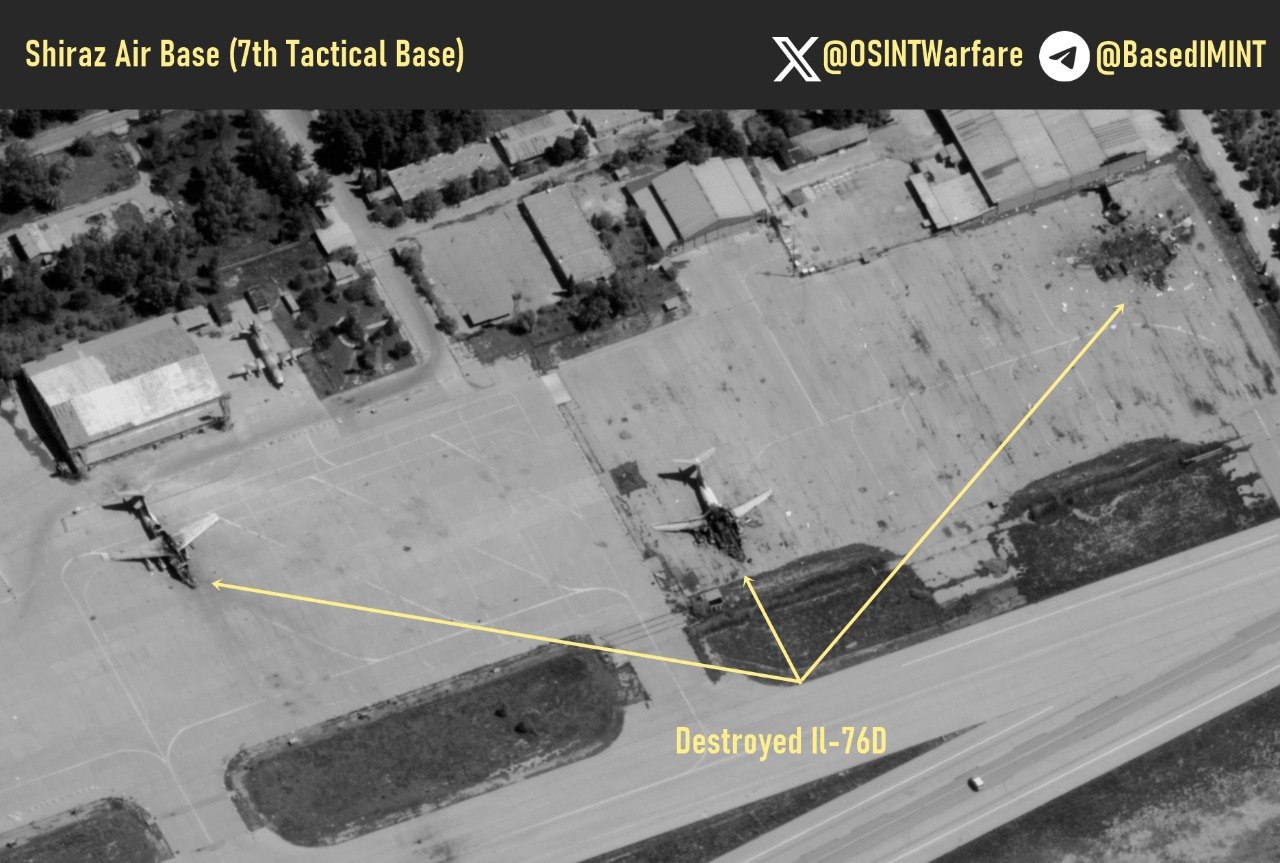
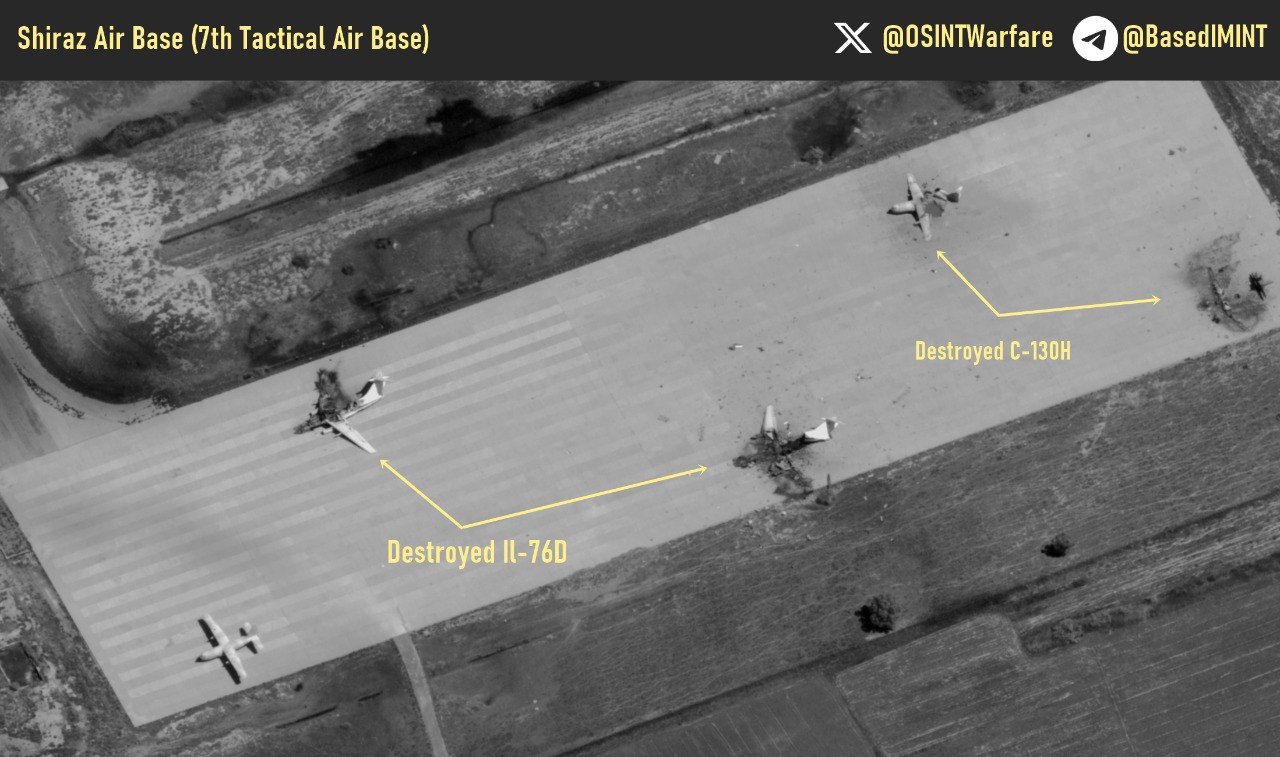
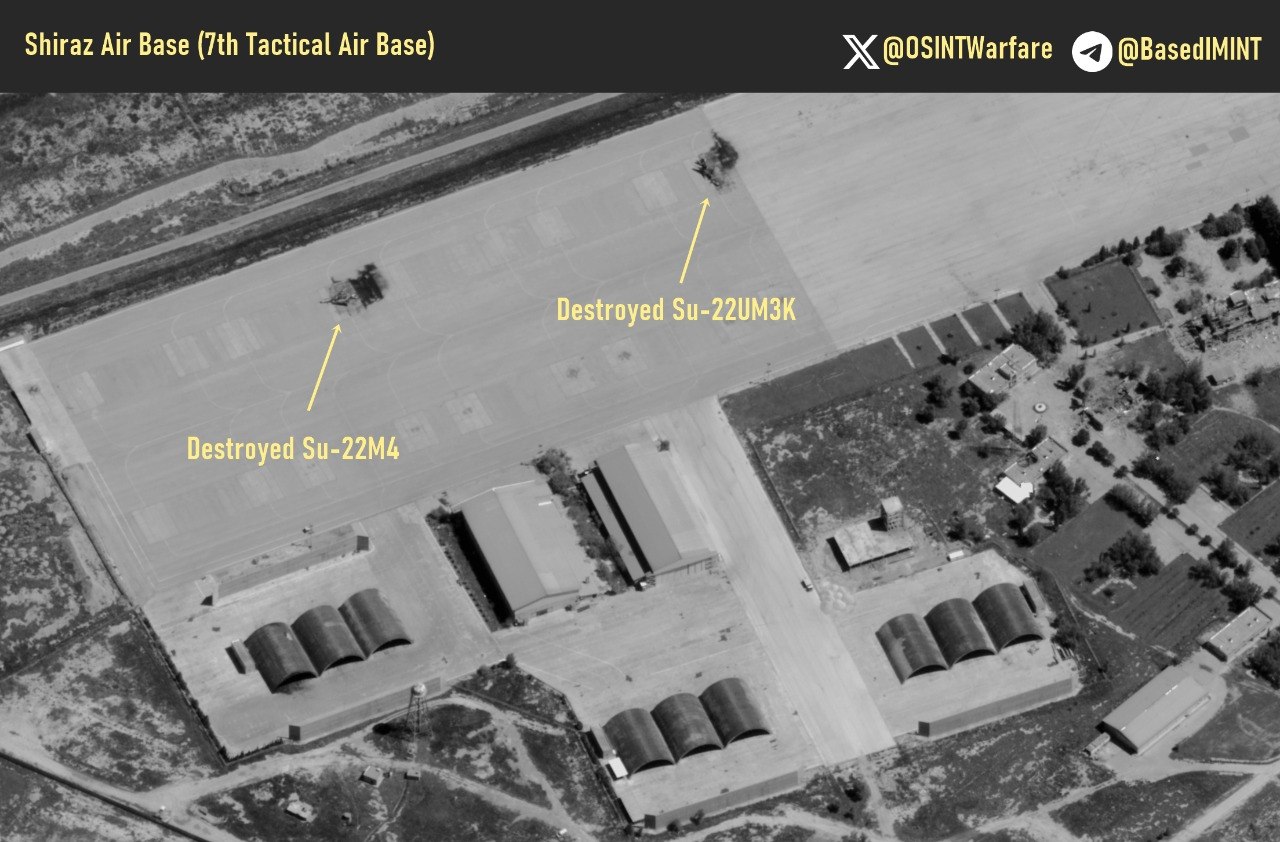
On June 21, 2026, United States air operations targeted Iran’s Shiraz Air Base, inflicting extensive damage on transport and fighter‑bombers and destroying hardened shelters, according to satellite imagery released by the intelligence channel intelslava.
Shiraz Air Base Airstrike
Satellite analysis shows that five Ilyushin Il‑76 strategic transport aircraft, two Lockheed C‑130H Hercules transports, and several Sukhoi Su‑22 fighter‑bombers were destroyed or rendered inoperable. The imagery also confirms the demolition of multiple hardened aircraft shelters that housed these assets. No civilian casualties were reported in the immediate aftermath, and Iranian authorities have not released official loss figures. The strike represents the most significant kinetic event on Iranian soil recorded this year.
“Recent satellite imagery of Shiraz Air Base (7th Tactical Air Base) reveals the extensive damage inflicted by U.S. airstrikes.” – intelslava, June 21, 2026
The operation aligns with a broader U.S. strategy to degrade Iran’s aerial logistics and strike capability following heightened regional tensions. Analysts note that the loss of Il‑76 and C‑130 platforms reduces Iran’s ability to project airlift capacity for both military and humanitarian missions.
Iran Re‑closes Strait of Hormuz
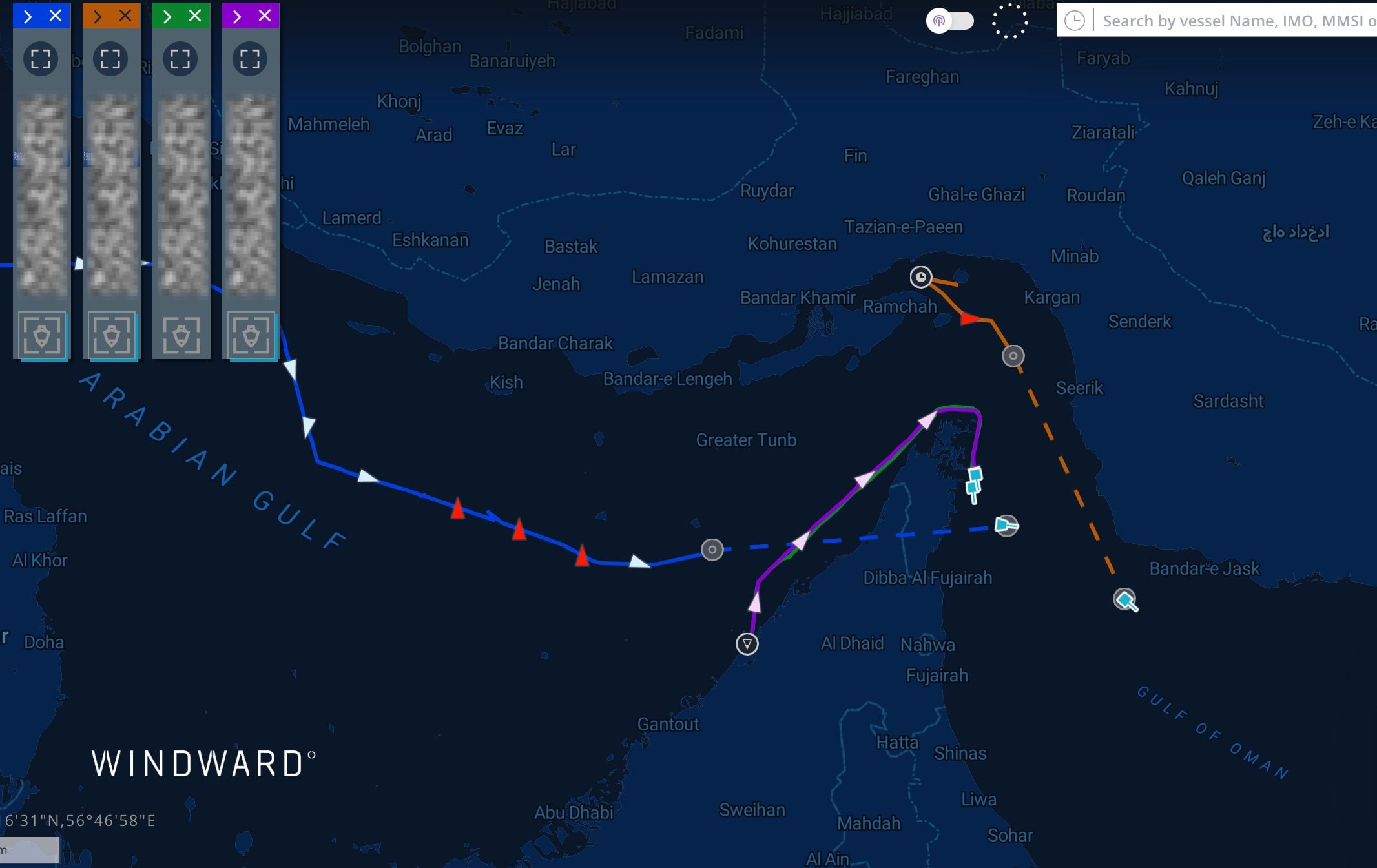
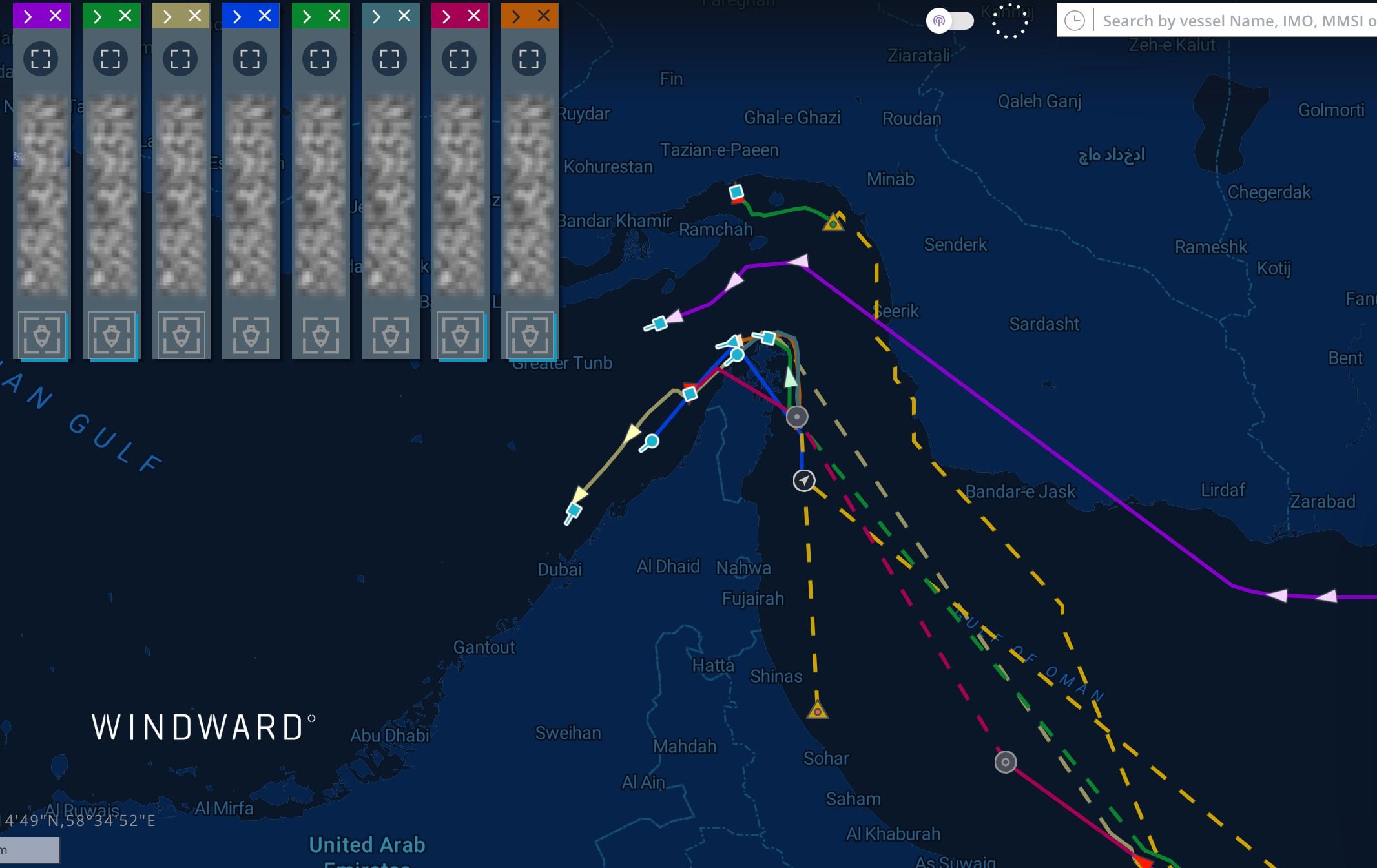
Earlier that day, Iranian authorities announced a renewed closure of the Strait of Hormuz, a critical chokepoint for global oil shipments. Data released by the CIG_telegram channel indicates that ship transits fell to 12 on June 21, down from more than 21 the previous day, representing a roughly 43% reduction in traffic.
“Iran's re‑closure of Hormuz is already measurable in the data. 12 transits today, down from 21+ on June 20.” – CIG_telegram, June 21, 2026
The closure disproportionately affected neutral and European commercial tonnage, which were largely absent from the waterway. Of the eight inbound vessels, five were identified as “dark” – vessels operating without AIS signals, a pattern consistent with sanctioned or Iranian‑linked shipping. The move effectively restores a traffic profile similar to the late‑blockade baseline observed before the MOU‑driven recovery that began on June 18.
Iran’s decision appears intended to exert economic pressure on regional adversaries and to signal control over a strategic maritime corridor. The reduction in traffic also raises concerns for global oil markets, as the Strait handles an estimated 20% of worldwide petroleum flow.
Chinese‑linked Tankers Attempt Transit
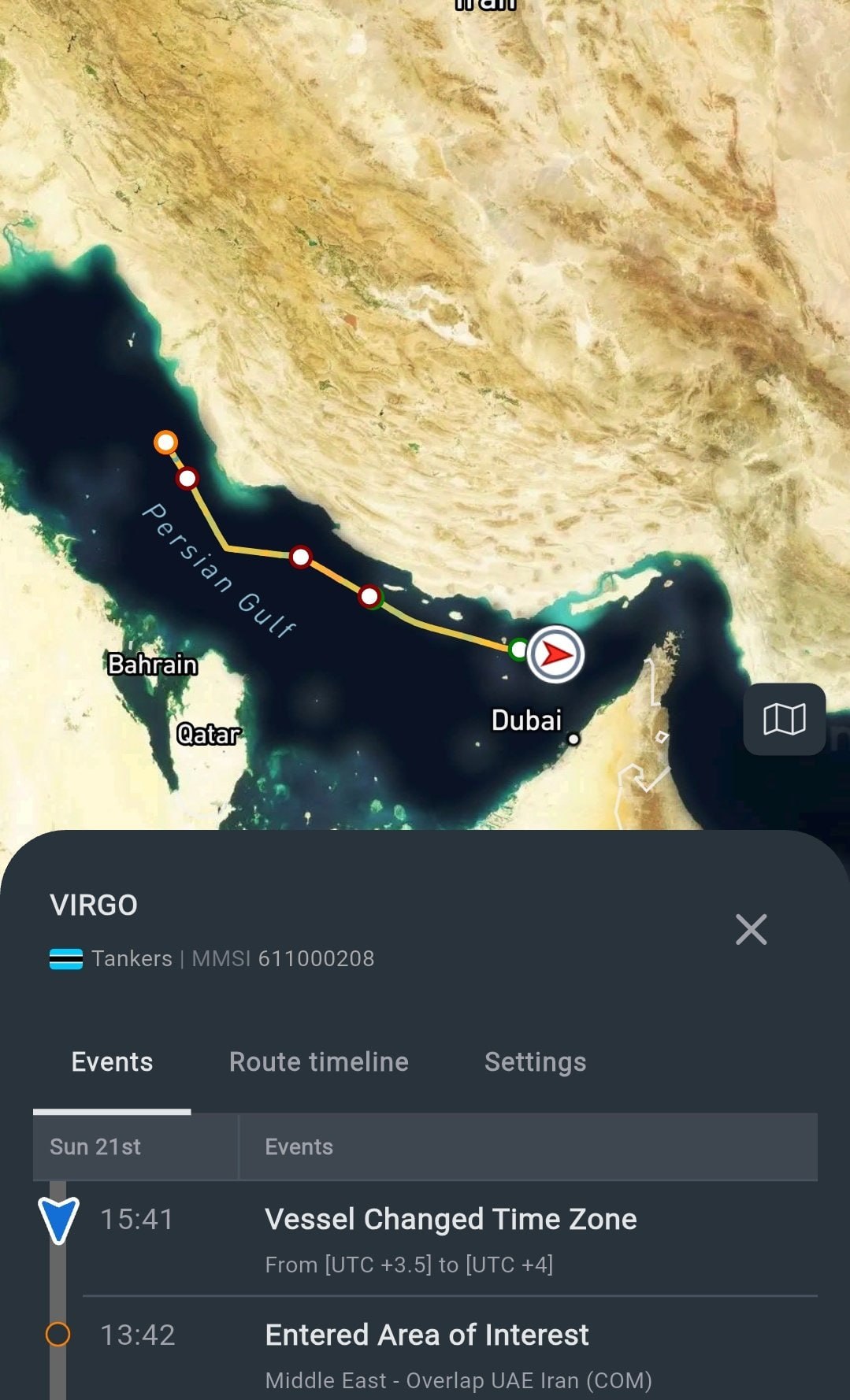
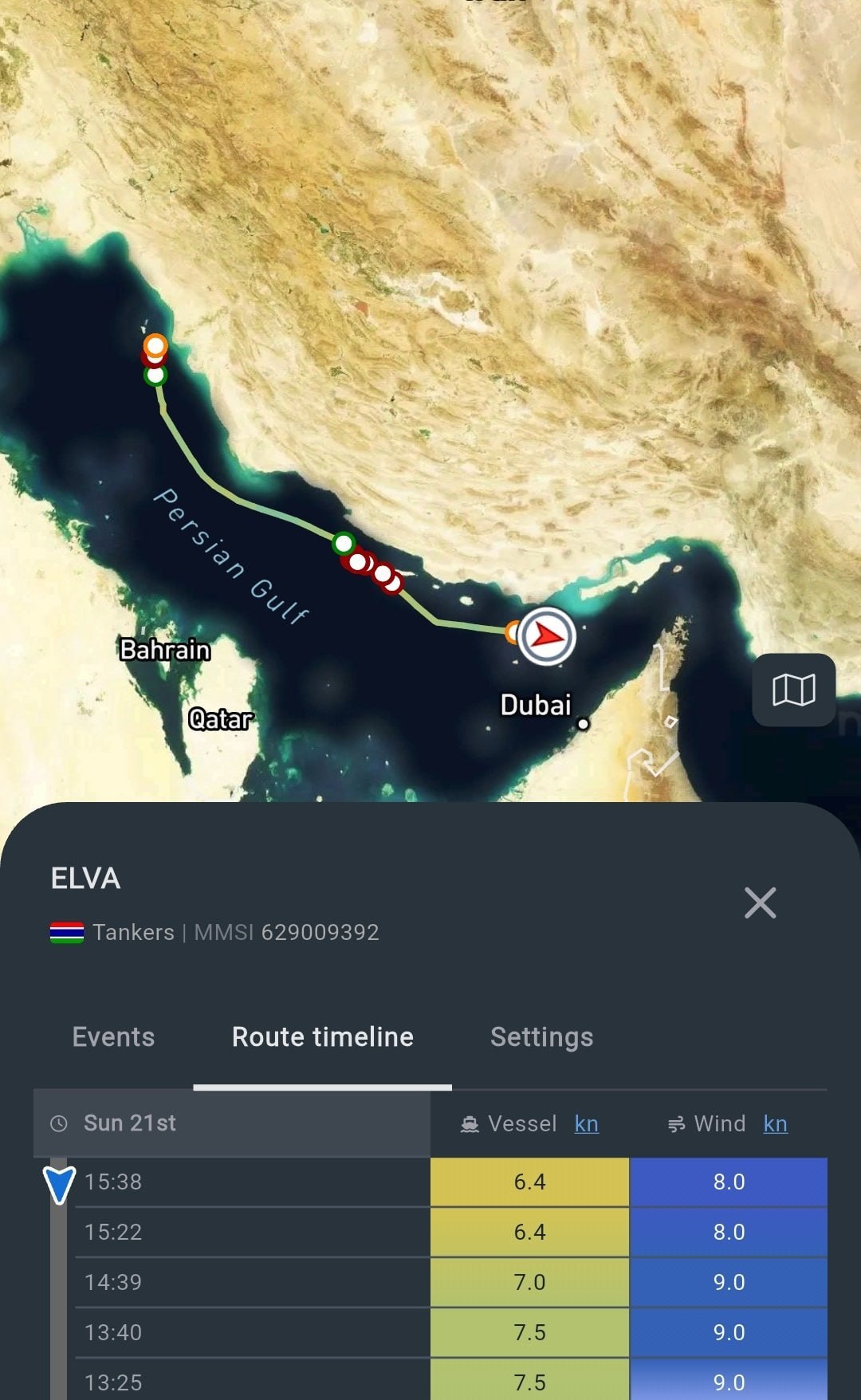
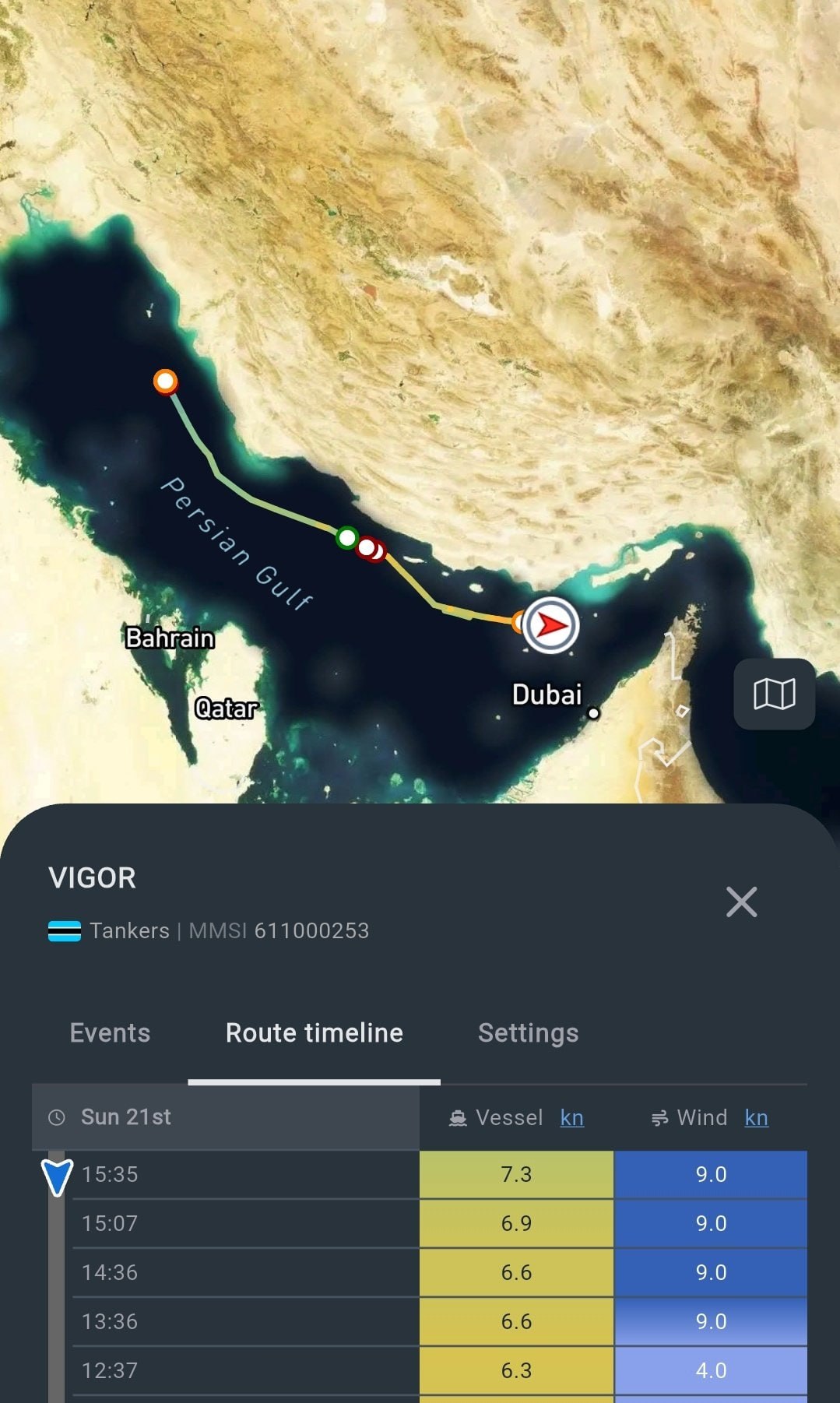
Despite the closure, three oil tankers registered under Chinese interests – ELVA, VIRGO, and VIGOR – were scheduled to cross the Strait later on June 21. The CIG_telegram channel reported that the Iranian decree does not apply to Chinese or Iranian‑flagged vessels, allowing the tankers to proceed.
“Three Chinese‑linked Oil Tankers laden with Iranian oil are heading towards the Strait of Hormuz, ‘ELVA, VIRGO & VIGOR’. They will likely cross tonight as the recently announced closure doesn’t affect Chinese or Iranian ships.” – CIG_telegram, June 21, 2026
The movement underscores the geopolitical dimension of the closure, highlighting the role of China as a key oil importer and strategic partner of Iran. If the tankers successfully navigate the waterway, it could set a precedent for selective enforcement of the closure, potentially complicating diplomatic negotiations.
Analytical Assessment
The juxtaposition of a high‑intensity airstrike on Iranian air infrastructure with a renewed maritime shutdown illustrates a multi‑domain pressure campaign aimed at constraining Iran’s operational flexibility. The airstrike directly degrades Iran’s strategic airlift and strike capabilities, while the Hormuz closure curtails the nation’s ability to move oil exports, a primary source of revenue.
From a regional security perspective, the events may trigger reciprocal actions. Iran could respond with asymmetric missile launches or proxy attacks, while allied states may adjust naval postures to safeguard commercial shipping. The presence of Chinese‑linked tankers also signals potential involvement of external powers in mitigating the economic impact of the closure.
Monitoring satellite imagery, AIS data, and open‑source intelligence will be essential to assess the durability of the airbase damage and the longer‑term effects on maritime traffic. Future developments, such as the resumption of neutral vessel transits or additional kinetic actions, will shape the strategic calculus for both Tehran and Washington.
All three incidents were documented by open‑source channels on June 21, 2026, and collectively represent the most significant kinetic activity in Iran for the current reporting period.