On June 21, 2026, U.S. Special Envoy for Middle East Affairs Michael Vance arrived in Switzerland for high‑level talks amid a rapid escalation of attacks on critical infrastructure across the region. The diplomatic mission coincided with Israel reporting the killing of 16 people in Lebanon, a development that prompted Iran to threaten the closure of the Strait of Hormuz, a vital artery for global oil shipments. The convergence of diplomatic activity and kinetic operations underscores a sharp rise in both state and non‑state actors targeting strategic assets.
Diplomatic Maneuvers Amid Rising Hostilities
The Swiss talks, hosted by the Federal Department of Foreign Affairs, aim to de‑escalate the spiralling conflict that has drawn in regional powers and external actors. According to Al Jazeera, Vance’s itinerary includes meetings with Iranian officials and Swiss mediators to discuss a potential cease‑fire framework and the reopening of the Strait of Hormuz, which Iran has threatened to close in retaliation for Israeli strikes in Lebanon.
"Iran says it is closing the Strait of Hormuz over Israel's deadly attacks on Lebanon," the live blog reported.While no concrete agreements were announced at the time of writing, the presence of a senior U.S. envoy signals Washington’s intent to prevent a broader maritime confrontation that could disrupt global energy markets.
Israeli Operations in Southern Lebanon
In the early hours of June 21, the Israel Defense Forces (IDF) confirmed that an operation in southern Lebanon resulted in 16 fatalities, including combatants and civilians. The casualties were reported by the Israeli Ministry of Defense and corroborated by Al Jazeera. The IDF’s 7th Armored Brigade, equipped with Merkava tanks and supported by artillery, advanced toward the Litani River, a strategic corridor that Hezbollah has fortified with extensive underground tunnel networks. According to a Jerusalem Post interview, an IDF colonel described how his brigade breached the routes to the Litani River, destroying what he termed "massive subterranean cities" constructed by Hezbollah.
"Our forces have neutralized extensive tunnel complexes that threatened both civilian and military targets," the colonel told JPost.While the IDF did not disclose the specific weapons employed, the operation likely involved precision‑guided munitions and engineering units to collapse tunnel entrances.
Ukrainian Strike on Russia’s Kavkaz Port
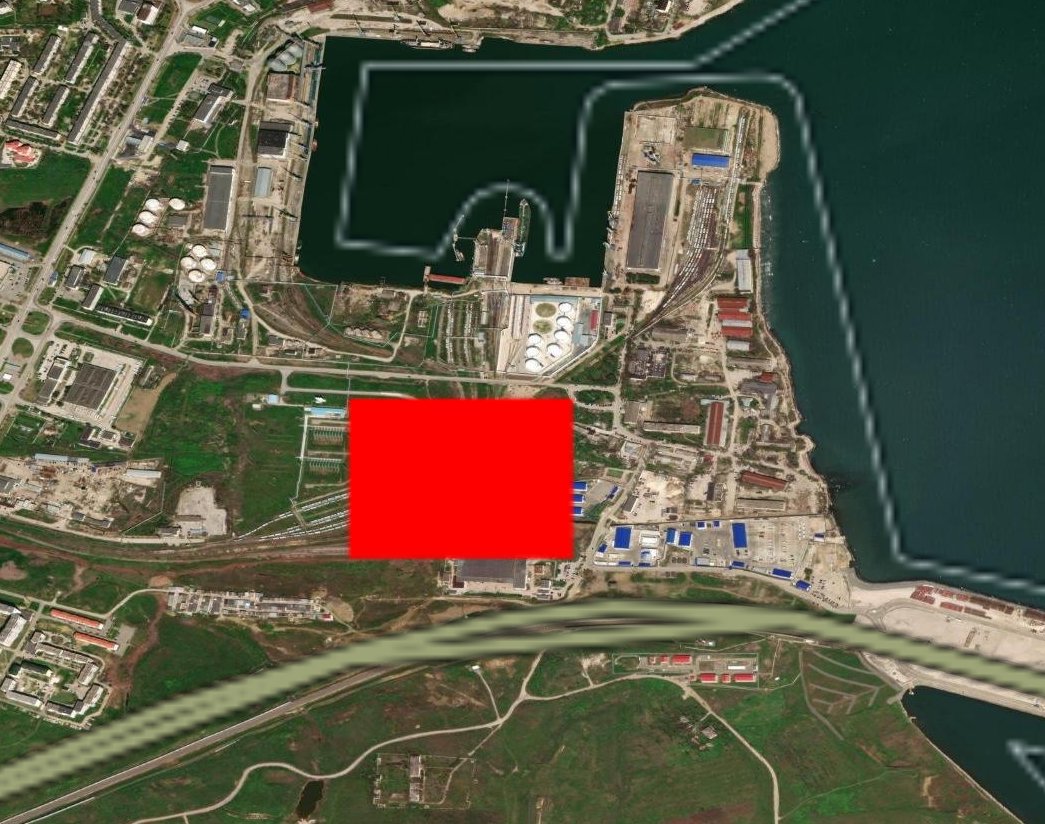
At 03:38 UTC, a large fire erupted at the Kavkaz Port on the Chushka Spit in Krasnodar Krai, Russia, following a Ukrainian attack on oil terminal and port infrastructure in the Kerch Strait area. The incident, reported by the Telegram channel monitor_the_situation, caused significant damage to storage tanks and loading facilities, though no casualty figures were released. Satellite imagery confirmed the blaze, which burned for several hours before being contained by Russian emergency services. The attack highlights Ukraine’s expanding maritime strike capability, likely employing long‑range cruise missiles launched from the Black Sea, though the exact weapon system was not identified in the source.
Fuel Terminal Damage in Iran
Shortly after midnight, satellite imagery and open‑source intelligence (OSINT) shared on the same Telegram channel documented a strike on a fuel terminal at an Iranian port. The impact caused visible damage to storage tanks and ancillary infrastructure. While the source did not attribute responsibility, the timing and location suggest a possible covert operation, potentially linked to regional adversaries seeking to disrupt Iran’s energy logistics. No casualties were reported, and the incident underscores the vulnerability of Iran’s maritime fuel supply chain to precision attacks.
Strategic Implications and Emerging Patterns
The events of June 21 illustrate a coordinated surge in attacks on both military and civilian infrastructure. The targeting of oil terminals in Russia and Iran, combined with the IDF’s ground offensive in Lebanon, reflects a broader strategy among belligerents to undermine economic lifelines while pursuing tactical gains on the battlefield. Simultaneously, diplomatic overtures—exemplified by Vance’s Swiss visit—indicate an awareness among major powers of the risk of uncontrolled escalation, particularly in the Strait of Hormuz, where any closure would reverberate through global oil markets.
Analysts note that the convergence of kinetic and diplomatic actions may create a feedback loop: heightened attacks increase pressure on negotiators, while diplomatic setbacks can embolden further strikes. The involvement of non‑state actors such as Hezbollah, alongside state actors like Israel, Ukraine, and Iran, adds layers of complexity to conflict resolution efforts. Monitoring satellite imagery, OSINT feeds, and official statements will remain essential for assessing the trajectory of these engagements.