On 20 June 2026, Ukrainian unmanned systems conducted a multi‑target strike against Russian fuel infrastructure in the occupied Crimea peninsula, damaging several gas compressor stations, the Henichesk Strait road bridge, and a tugboat. The operation, reported by monitor_the_situation at 12:00:59 UTC, represents the most significant kinetic event recorded for the day and underscores the expanding role of UAVs in targeting logistical nodes.
Crimea Fuel Infrastructure Attack
The coordinated drone sortie focused on the Henichesk Strait, a critical conduit for supplies moving between the Russian mainland and the annexed Crimean peninsula. According to the source, the drones struck multiple gas compressor stations that service the regional pipeline network, inflicted structural damage on the road bridge spanning the strait, and hit a tugboat operating in the waterway. No casualty figures were released, but the loss of bridge capacity and fuel handling capability is expected to disrupt Russian logistics in the southern front.
"Ukraine Strikes Russian Fuel Infrastructure Across Occupied Crimea" – monitor_the_situation, 12:00:59 UTC
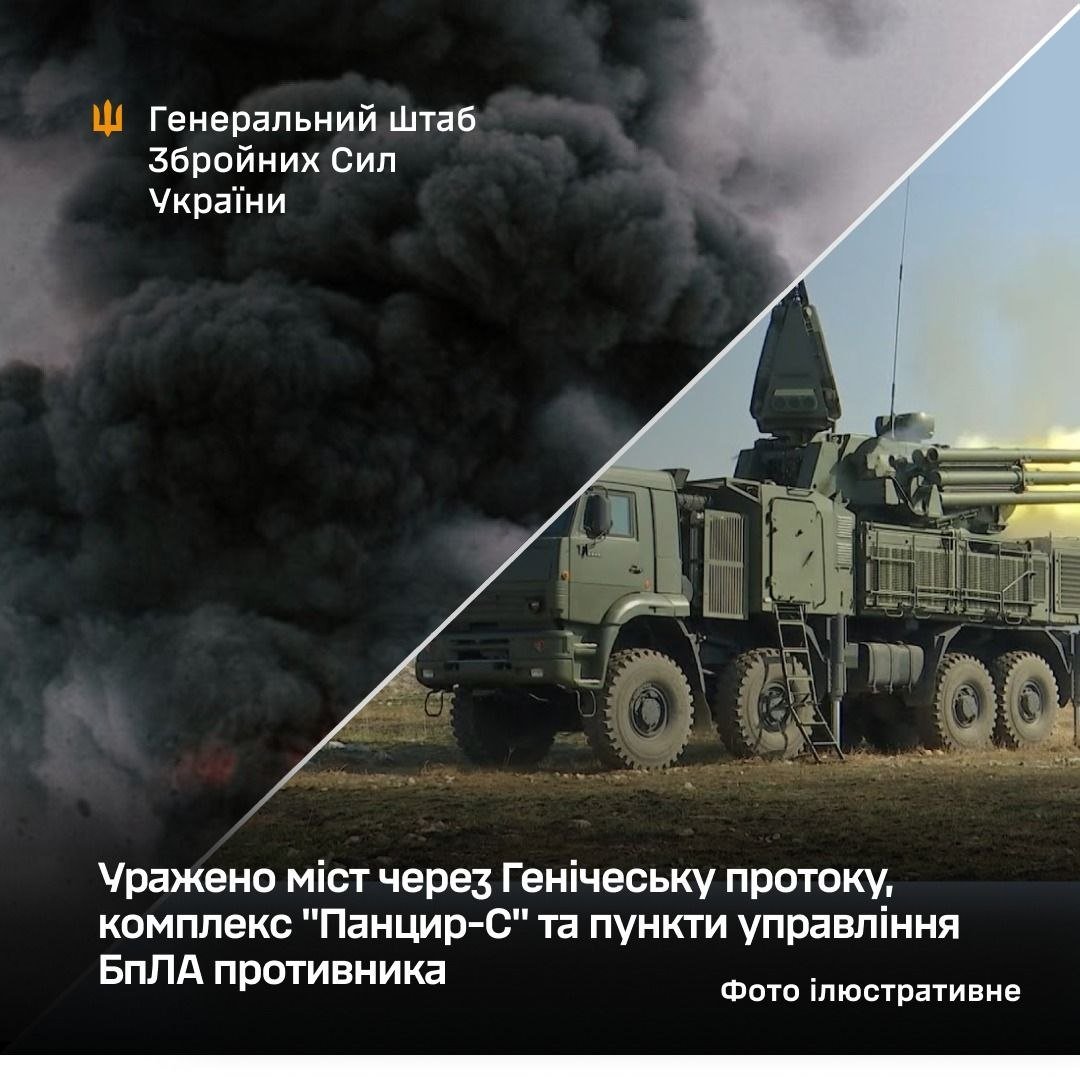
The attack aligns with a broader Ukrainian strategy to degrade Russian supply lines in the Black Sea region, complementing earlier strikes on a fuel depot in Bakhchysarai (09:33:58 UTC) and a Pantsir‑S air‑defence system near Henichesk (10:24:14 UTC). Both incidents were also documented by monitor_the_situation and featured visual evidence of fires and damaged equipment.
Zaporizhzhia Nuclear Plant Loses Off‑Site Power for 20th Time
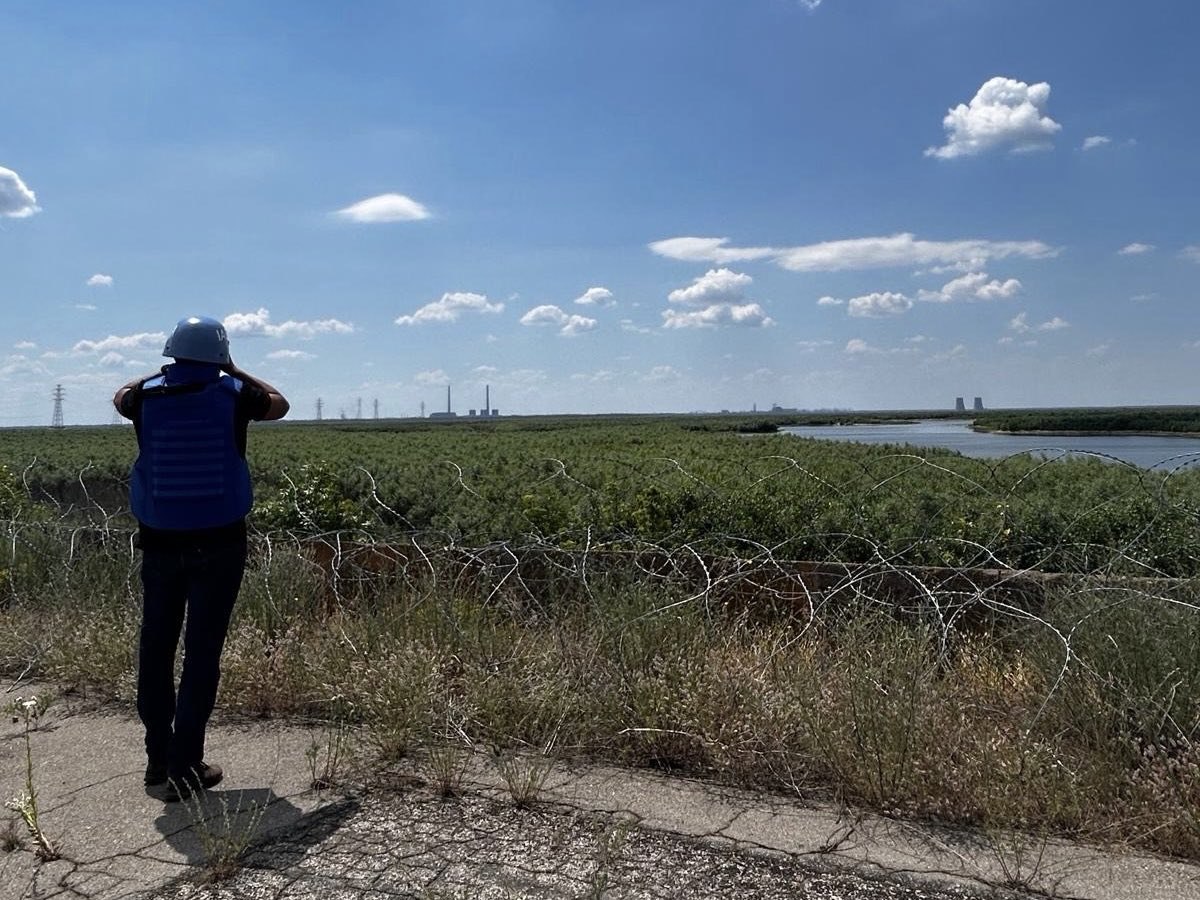
At 11:52:49 UTC, the Zaporizhzhia Nuclear Power Plant in Enerhodar, Zaporizhzhia Oblast, experienced an off‑site power loss for the twentieth recorded occurrence since the conflict began. The International Atomic Energy Agency (IAEA) confirmed that emergency diesel generators automatically engaged to maintain reactor cooling. While no radiation release was reported, the repeated loss of external power raises concerns about the plant’s long‑term resilience and the potential for safety‑critical systems to be compromised.
🟠 **Zaporizhzhya Nuclear Plant Loses Off‑Site Power for 20th Time** – @iaeaorg, monitor_the_situation
The IAEA’s brief statement, posted on its official channel, emphasizes the need for uninterrupted power supplies to nuclear facilities in conflict zones. The incident underscores the indirect effects of kinetic actions on critical civilian infrastructure.
Donetsk: Persistent Drone Activity and Air‑Defence Engagements
From early morning through the evening, Donetsk city experienced a series of drone‑related incidents. At 02:45 UTC, an airstrike—reported by monitor_the_situation—targeted the city, exacerbating an already severe fuel shortage. Subsequent reports at 17:54:55 and 17:54:56 documented residents observing air‑defence units engaging incoming drones and describing the psychological impact of nightly UAV flights that kept civilians awake.
"Ukrainian nighttime drone flights are keeping Donetsk residents awake, causing exhaustion and stress" – monitor_the_situation, 17:54:56 UTC
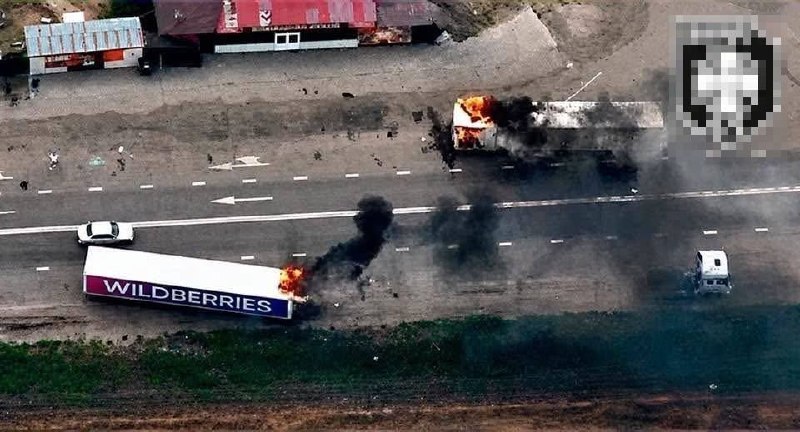
Additional reports highlighted the cumulative effect of drone strikes on local mobility: highways in the Donetsk region faced constant attacks, resulting in numerous vehicle casualties and complicating damage assessments. The frequency of strikes has narrowed residents’ planning horizons, as noted in a separate 17:53:01 UTC update.
Luhansk Civilian Target: Glamping Site Destroyed
At 17:52:55 UTC, an air attack destroyed a glamping site in Luhansk, a civilian leisure facility comprising small cabins. The strike, reported by monitor_the_situation, illustrates the expanding reach of kinetic operations into non‑military spaces, further eroding civilian morale and limiting recreational activities in occupied territories.
Russian Ground Reinforcements and Ukrainian Counter‑Drone Measures
In parallel, Russian forces reinforced their presence in Donetsk Oblast by deploying additional mobile fire groups, as noted at 08:09:57 UTC. This movement suggests a preparation to counter the intensified UAV campaign and to secure supply routes threatened by Ukrainian drone activity.
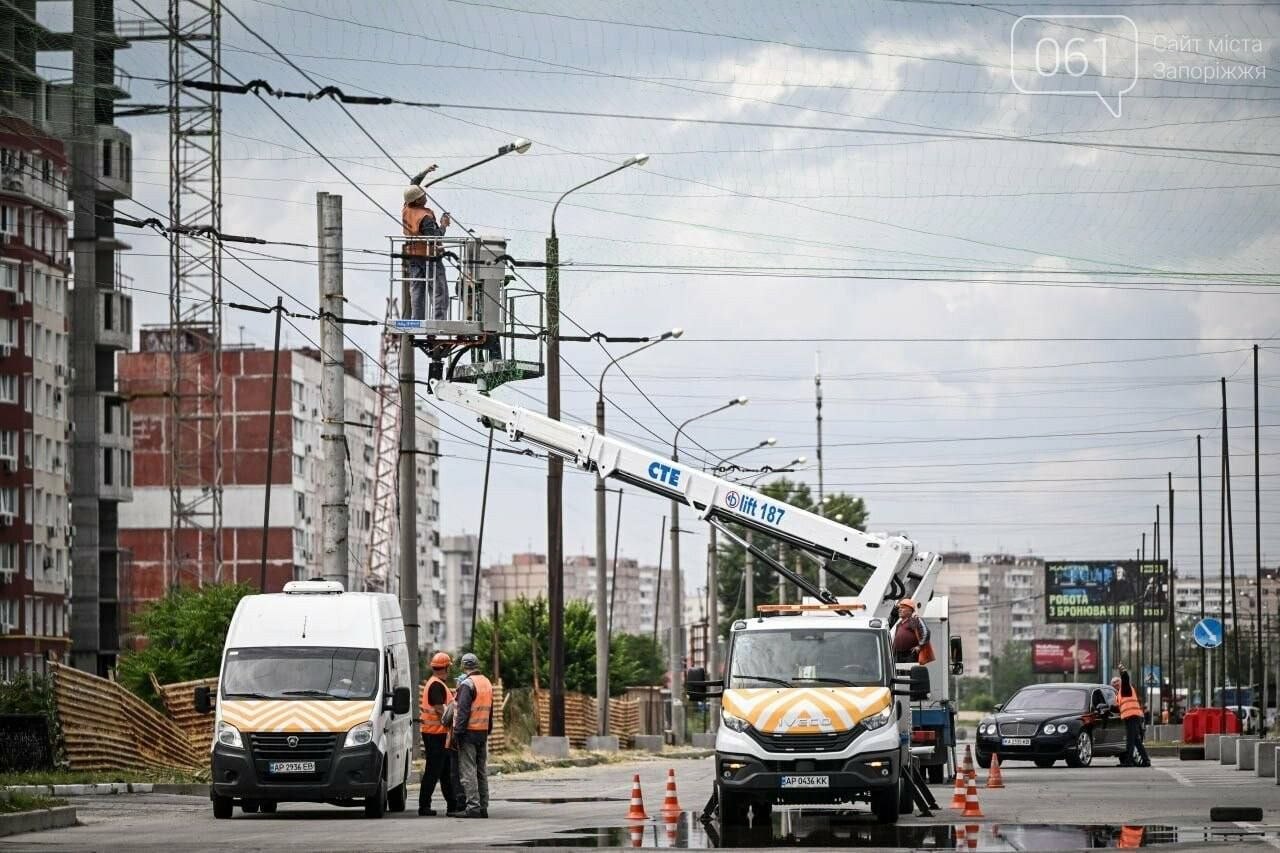
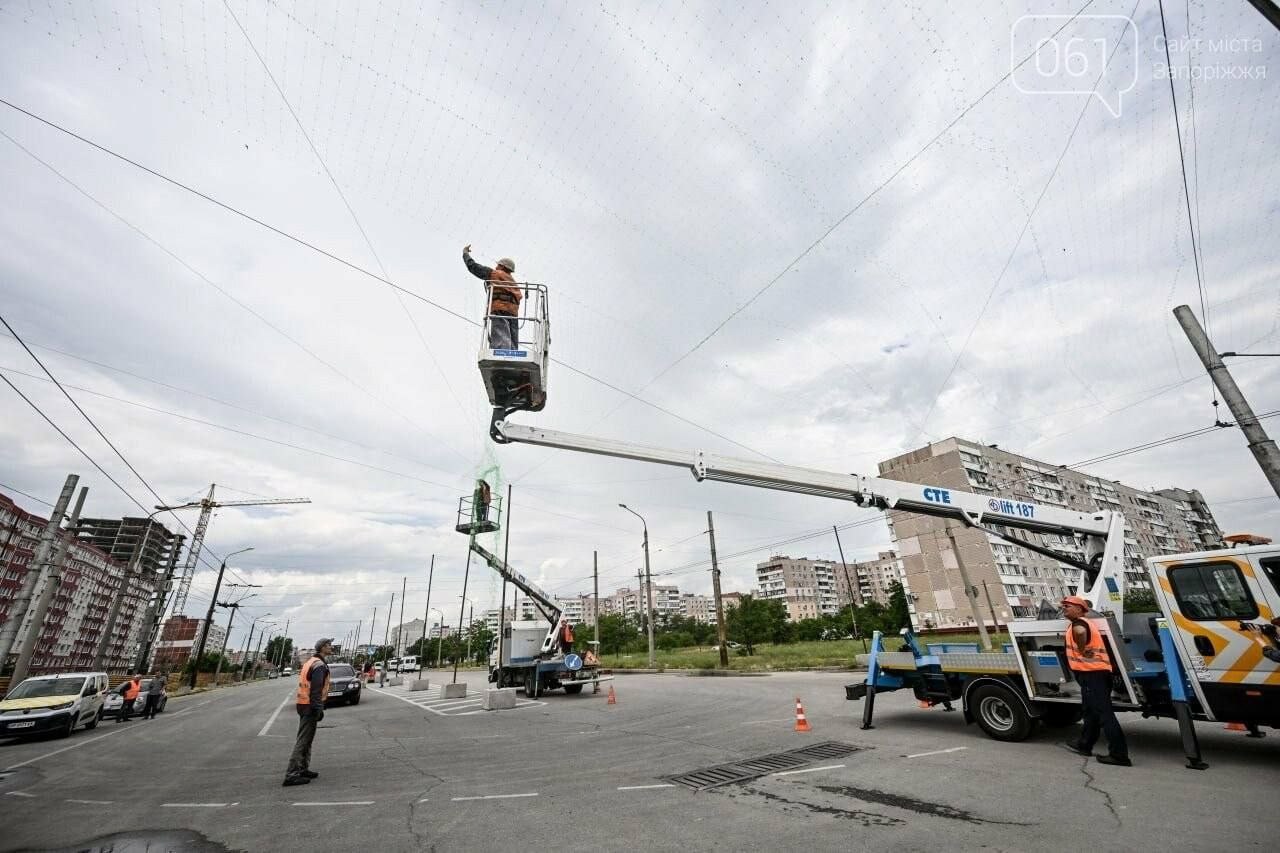
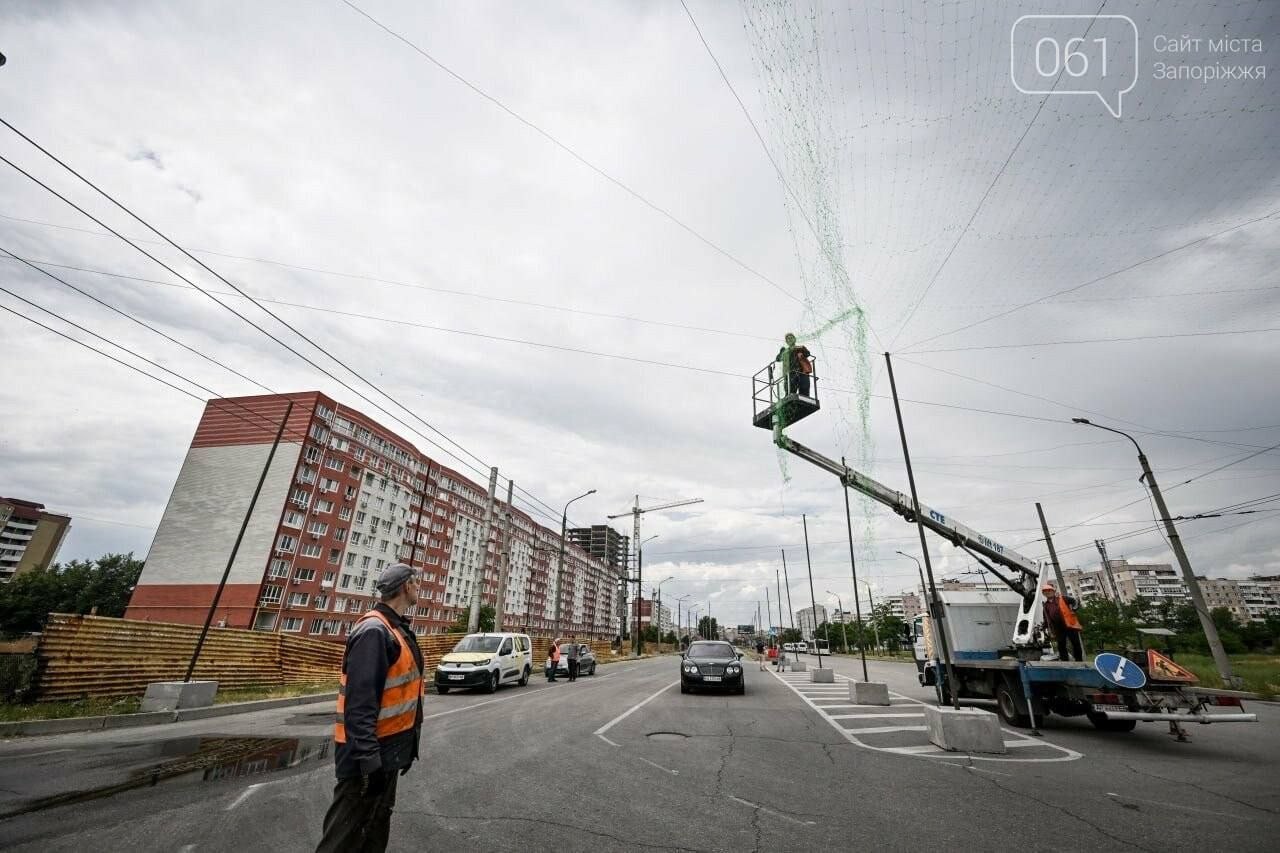
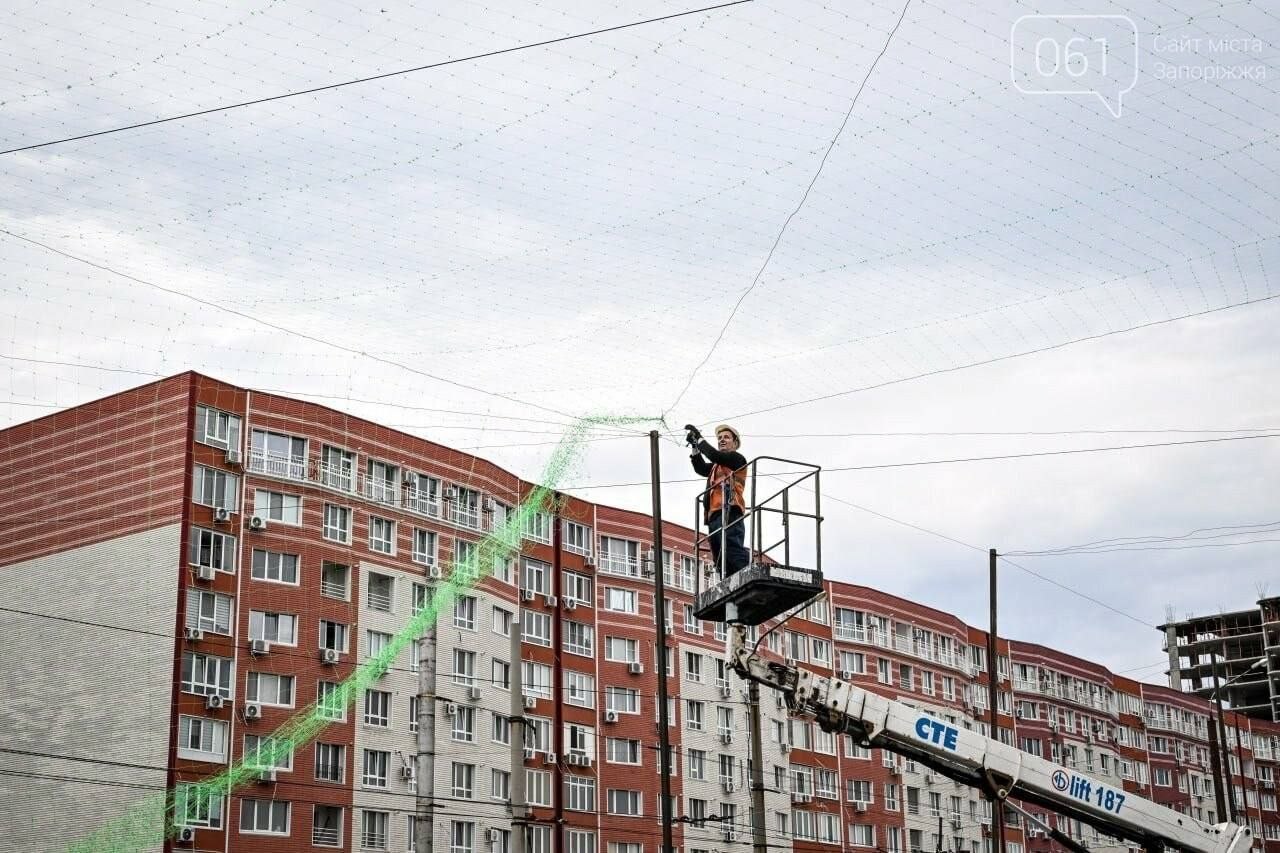
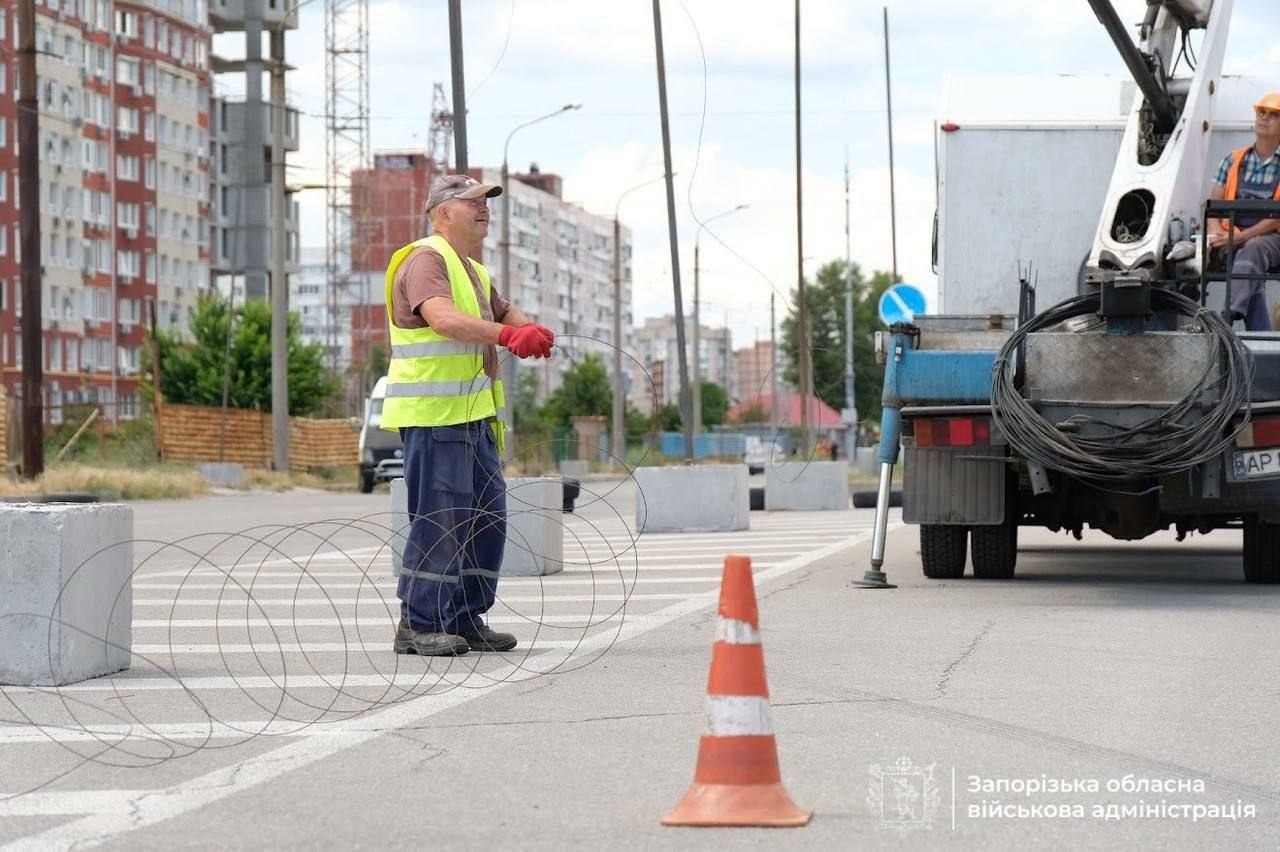
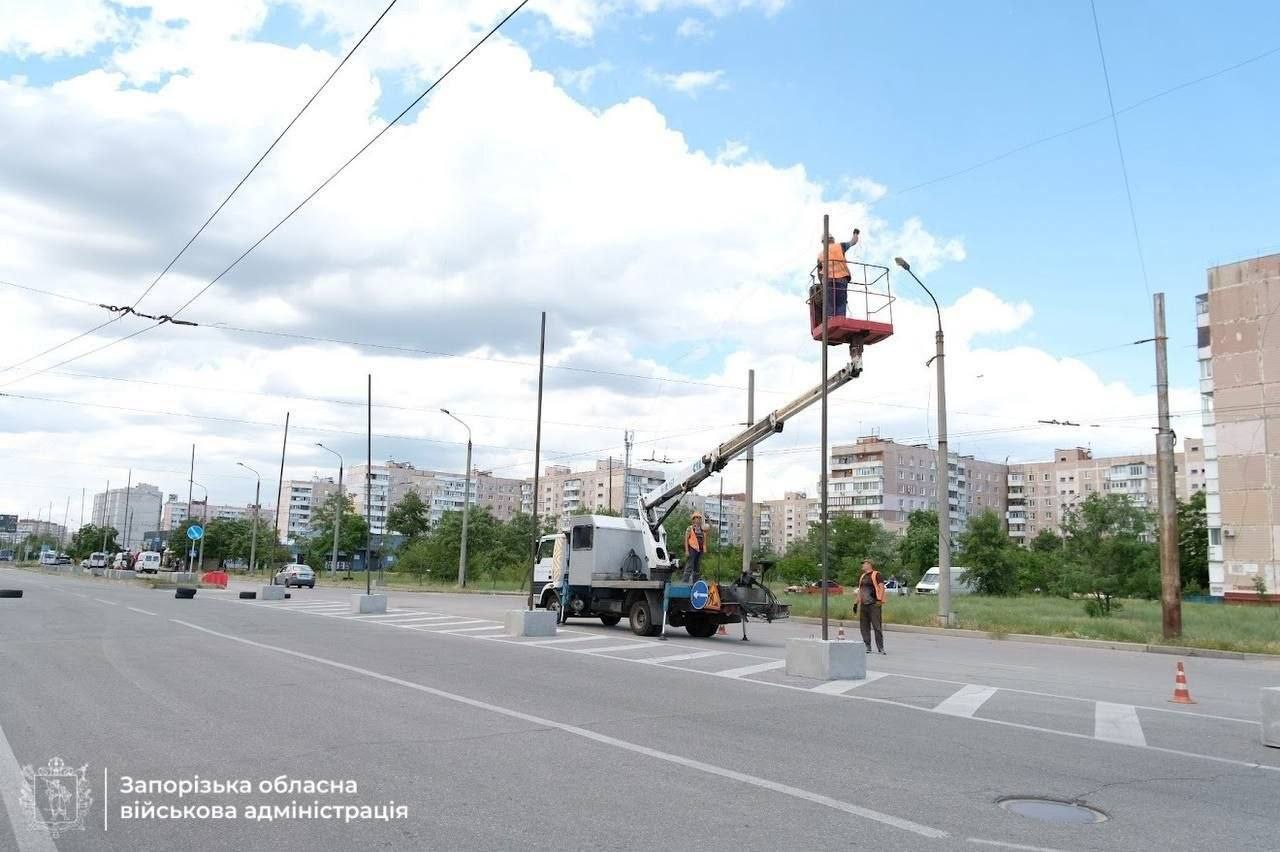
Ukrainian authorities responded by establishing anti‑drone corridors in Zaporzhoye (06:11:44 UTC), a measure aimed at mitigating frequent Russian FPV drone incursions on roadways. The corridor initiative, documented by intelslava, includes eight photographic evidences of deployed counter‑drone assets.
Overall Operational Impact
The events of 20 June demonstrate a clear escalation in the use of unmanned aerial systems to target logistical and energy infrastructure across the conflict zone. The simultaneous pressure on fuel depots, transport bridges, and power supplies—combined with repeated disruptions at the Zaporizhzhia nuclear facility—creates a multi‑layered strain on Russian operational capacity. Russian ground force reinforcements and Ukrainian anti‑drone corridors indicate a reciprocal adaptation by both sides.
While casualty numbers remain limited in the reported incidents, the strategic significance lies in the degradation of supply chains, the psychological toll on civilian populations, and the heightened risk to critical energy and nuclear assets.