On June 20, 2026, the conflict between Israel and Lebanon entered a new phase of intensity, marked by a series of coordinated kinetic actions that spanned air, artillery, and ground domains. The most consequential development was the death of an Israeli soldier at Rambam Health Campus in Haifa, Israel, after sustaining injuries during overnight fighting in the Ali al‑Taher area of Nabatieh, southern Lebanon. The soldier’s demise underscores the escalating cost of the cross‑border hostilities and the expanding scope of combat operations.
Critical Airstrike Fatalities in Southern Lebanon
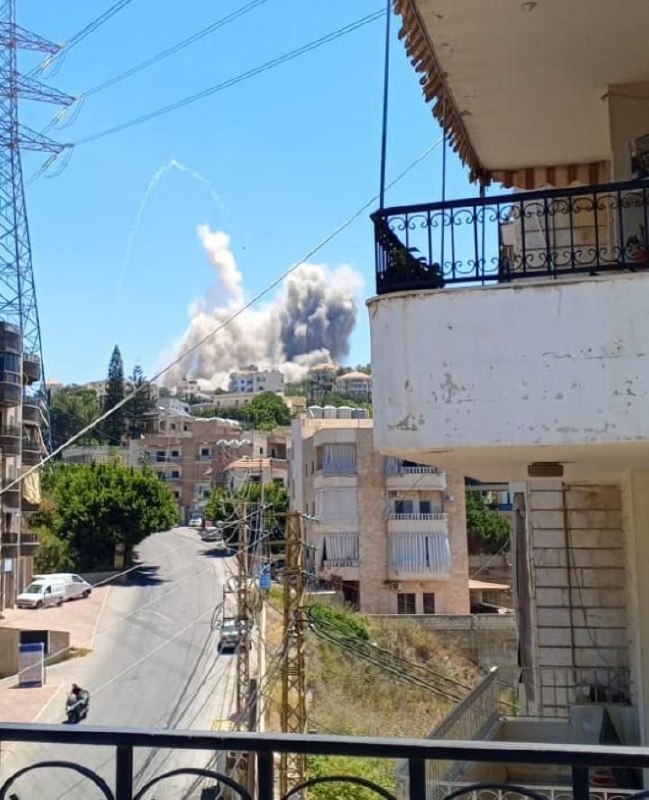
Multiple Israeli airstrikes struck targets across the Nabatieh governorate, resulting in the deaths of at least six Lebanese individuals, including one Lebanese Armed Forces (LAF) soldier and five civilians. The first confirmed strike, reported by rnintel at 09:55:06, killed a Lebanese soldier and five civilians in an undisclosed location within southern Lebanon. A subsequent report from OSINTdefender at 10:41:48 confirmed that five civilians and one LAF soldier were killed in separate air attacks, bringing the total confirmed civilian death toll to ten for the day.
"An Israeli airstrike in southern Lebanon killed a Lebanese soldier, raising tensions." – monitor_the_situation, 07:41:29
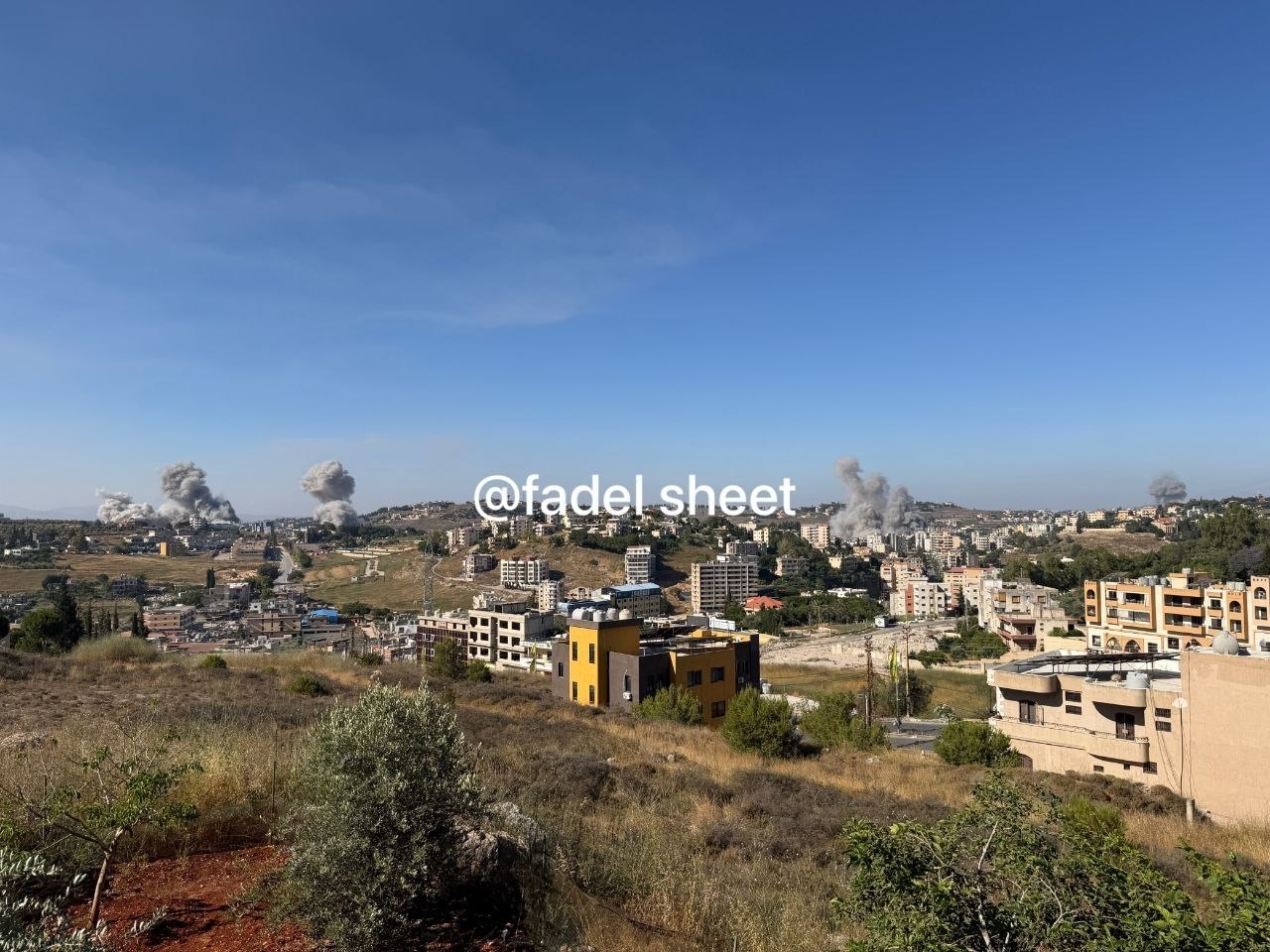
These strikes were part of a broader campaign that, according to CIG_telegram, involved approximately 60 coordinated air, drone, and artillery attacks across the Nabatieh region. The campaign resulted in at least ten civilian deaths and fifty injuries, while also inflicting casualties on Israeli forces attempting to seize the strategic Ali al‑Taher hills.
Heavy Artillery and Ground Engagements
Israeli artillery fire intensified throughout the day, with the Israel Defense Forces (IDF) delivering heavy shelling on the outskirts of Nabatieh at 16:00:13, as reported by rnintel. The barrage employed standard artillery systems and caused significant structural damage in the outer districts of the city.
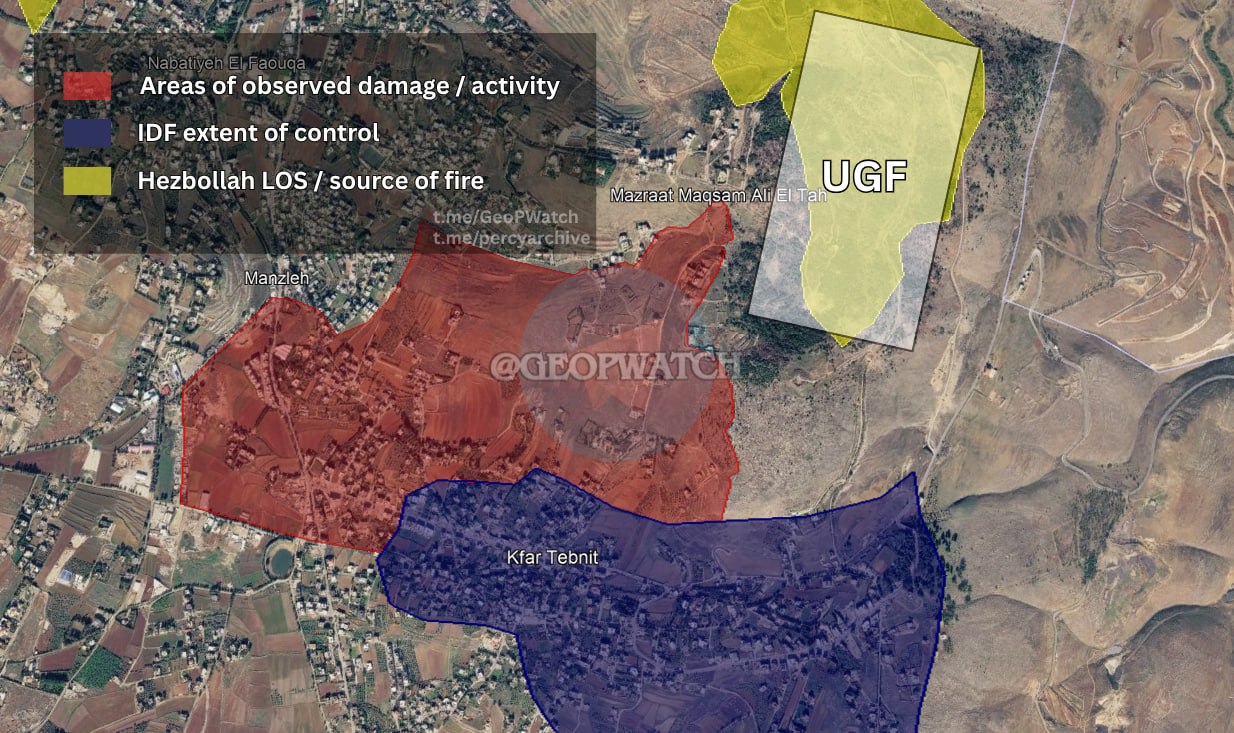
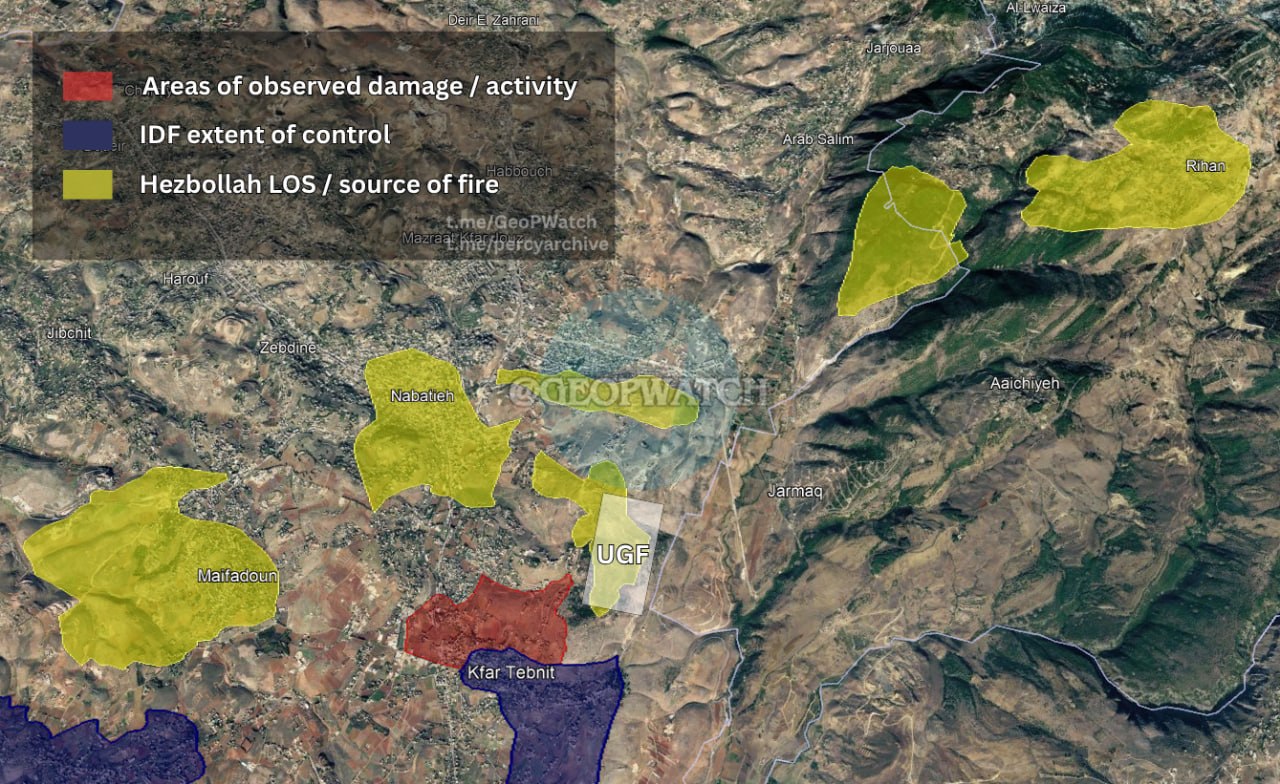
Ground movements escalated in parallel. At 10:04:28, rnintel documented a Hezbollah attack on an Israeli medical evacuation vehicle on the Ali al‑Taher heights, describing the incident as a “mass casualty” event, though the exact number of wounded remains unverified. Later, at 14:48:07, GeoPWatch reported that Hezbollah repelled an IDF special‑forces assault on Ali al‑Taher hill, inflicting casualties on Israeli troops and preventing the hill’s capture.
"Hezbollah says it repelled an IDF special forces ground assault on Ali Al‑Taher hill, inflicting casualties and preventing the hill’s capture." – GeoPWatch, 14:48:07
The IDF’s sixth attempt to secure a site near the Israel‑Lebanon border failed, as detailed by GeoPWatch at 17:23:02. The operation involved combined arms, including artillery, tank movements, and alleged use of white phosphorus, while Hezbollah responded with anti‑tank guided missiles (ATGMs) and rocket fire.
Drone Warfare and Emerging Technologies
Hezbollah demonstrated its growing drone capability by releasing video footage of an Ababil fiber‑optic FPV drone striking an Israeli Merkava tank in Tayr Harfa. The footage, posted by intelslava at 15:39:40 and again at 17:26:44, shows a precision strike that damaged the tank’s turret and highlighted the use of low‑cost, high‑impact UAVs in the conflict.
"Hezbollah released video of a drone strike on an Israeli Merkava tank in Tayr Harfa, southern Lebanon." – intelslava, 17:26:44
These drone attacks complement the IDF’s own UAV operations, which were part of the broader air campaign that included dozens of strikes on the Ali al‑Taher hill area, as reported by GeoPWatch at 14:43:07. While the IDF denied a specific offensive on the hill, it attributed the attacks to Hezbollah ceasefire violations.
Humanitarian Impact and Notable Casualties
The kinetic surge inflicted a heavy humanitarian toll. Among the civilian victims, Lebanese turtle conservationist Mona Khalil was killed in an Israeli attack, as reported by AlJazeera at 07:42:26. Khalil had spent over two decades protecting endangered sea‑turtle nests in southern Lebanon, and her death underscores the broader civilian cost of the conflict.
In addition to civilian losses, the conflict claimed the life of an Israeli soldier who succumbed to injuries at Rambam Hospital in Haifa. The soldier had been wounded during the overnight fighting at Ali al‑Taher, as detailed by rnintel at 10:14:04. This cross‑border casualty illustrates the direct link between the kinetic actions in Lebanon and the human cost on the Israeli side.
Regional Repercussions
The escalation in Lebanon coincided with heightened tensions elsewhere in the Middle East. Iran closed the Strait of Hormuz twice on June 20, first at 13:17:54 (BellumActaNews) and again at 17:05:37 (AlJazeera), citing Israeli strikes on Lebanon and alleged U.S. ceasefire violations as justification. While not a kinetic event within Lebanon, these actions reflect the broader regional destabilization triggered by the Lebanese theater.
Overall, the June 20 kinetic operations in southern Lebanon represent a marked escalation in both scale and intensity, with coordinated air, artillery, and ground actions resulting in significant military and civilian casualties, the deployment of emerging drone technologies, and reverberating geopolitical consequences across the region.