On June 19, 2026, the eastern theater of the Ukraine conflict experienced a surge of kinetic activity, highlighted by a Russian multiple‑launch rocket system (MLRS) barrage that killed at least three civilians in Kramatorsk, Donetsk Oblast. The incident, reported by the monitoring channel monitor_the_situation, underscores a pattern of intensified artillery use in populated areas, while parallel UAV strikes and contested ground operations further destabilized the region.
Kramatorsk MLRS Shelling Claims Civilian Lives
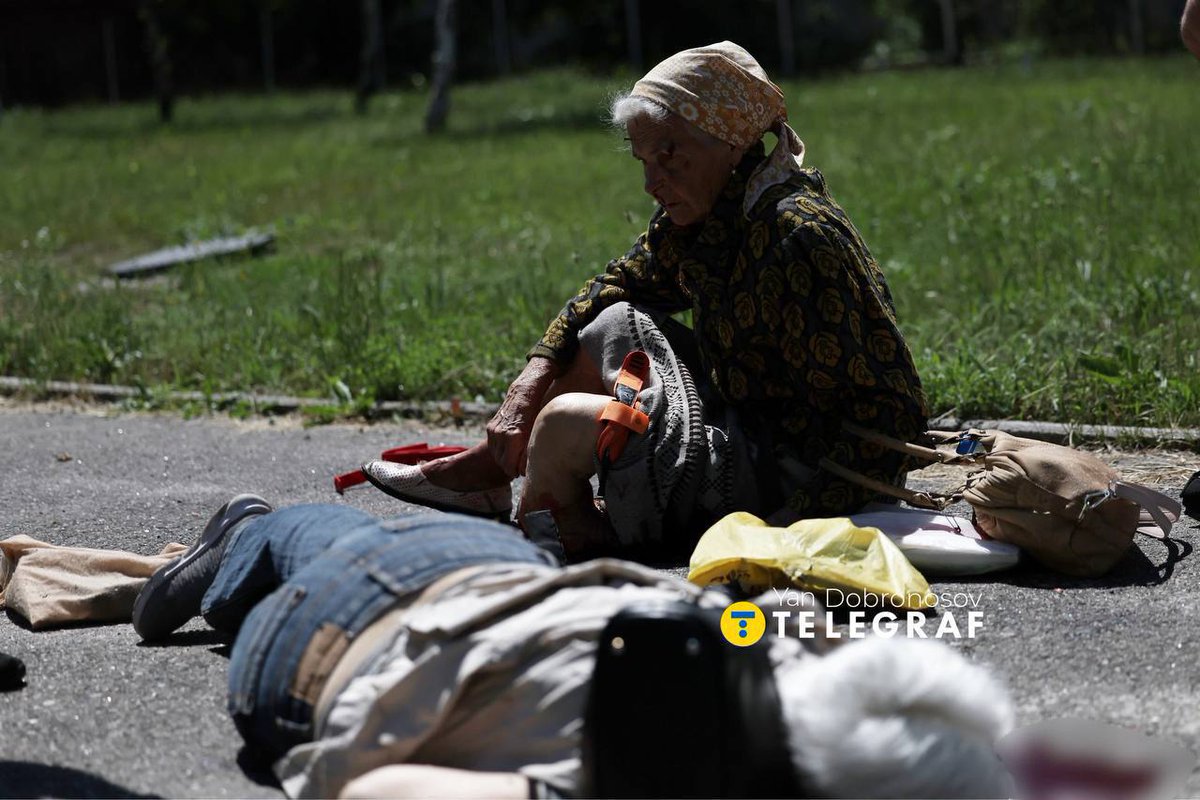
At 09:59 UTC, Russian forces launched an MLRS salvo into the city of Kramatorsk, a strategic industrial hub in Donetsk Oblast. The strike resulted in the confirmed death of three civilians; the identities of the victims have not been released. The exact target of the rockets remains unclear, and no military installations were reported as damaged. The incident was documented by a photo posted on the monitor_the_situation channel, which also provided a brief textual summary.
"Russian MLRS shelling in Kramatorsk, Donetsk Oblast, kills at least 3 civilians; target and details remain unclear." – monitor_the_situation, 2026‑06‑19T09:59:47
The use of MLRS in densely populated zones raises concerns under international humanitarian law, given the weapon’s wide‑area effect and limited precision. Ukrainian authorities have not yet disclosed any retaliatory measures, but the event is likely to influence forthcoming artillery deployment decisions on both sides.
UAV Engagements Escalate Across Multiple Fronts
Ukrainian Hornet UAV Strikes Russian Fuel Truck
At 15:21 UTC, a Ukrainian Hornet medium‑range OWA‑UAV successfully engaged a Russian fuel truck in occupied Donetsk Oblast. The strike, reported by monitor_the_situation, was captured on video and posted to the channel’s feed. While the exact volume of fuel lost was not disclosed, the attack temporarily disrupted Russian logistical movements in the area.
"A Ukrainian Hornet UAV hit a Russian fuel truck in occupied Donetsk Oblast." – monitor_the_situation, 2026‑06‑19T15:21:26
The Hornet UAV, designed for precision strikes against soft targets, demonstrates Ukraine’s growing capability to interdict Russian supply lines beyond the front‑line trench systems.
Russian Geran‑2 Drone Ignites Nova Poshta Warehouse
Earlier, at 15:02 UTC, a Russian Geran‑2 drone struck a Nova Poshta logistics warehouse in Zaporizhzhia City, igniting a large fire that threatened adjacent civilian infrastructure. The incident, also reported by monitor_the_situation and corroborated by the @AMK_Mapping_ channel, marks a continuation of Russian drone tactics aimed at disrupting Ukrainian commercial supply chains.
"Russian Drone Strikes Nova Poshta Warehouse in Zaporizhzhia City, causing a large fire." – monitor_the_situation, 2026‑06‑19T15:02:23
Nova Poshta, Ukraine’s leading parcel delivery service, confirmed that the fire was contained after several hours, but the damage to stored goods was significant. The Geran‑2, a loitering munition with a modest payload, is increasingly employed in urban environments where conventional artillery would risk higher civilian casualties.
Ground Movements Reflect Ongoing Contestation
Ray‑Alexandrovka Remains Contested
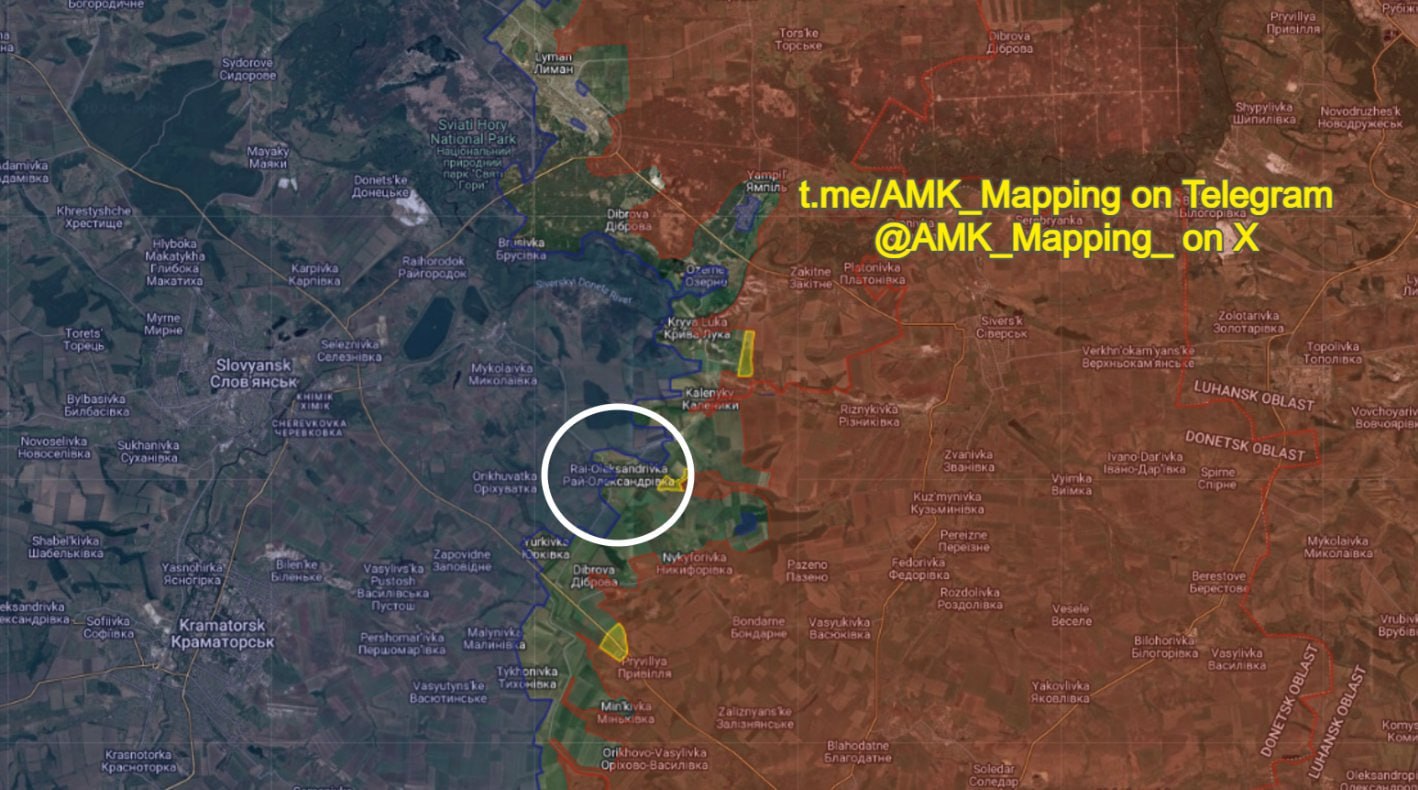
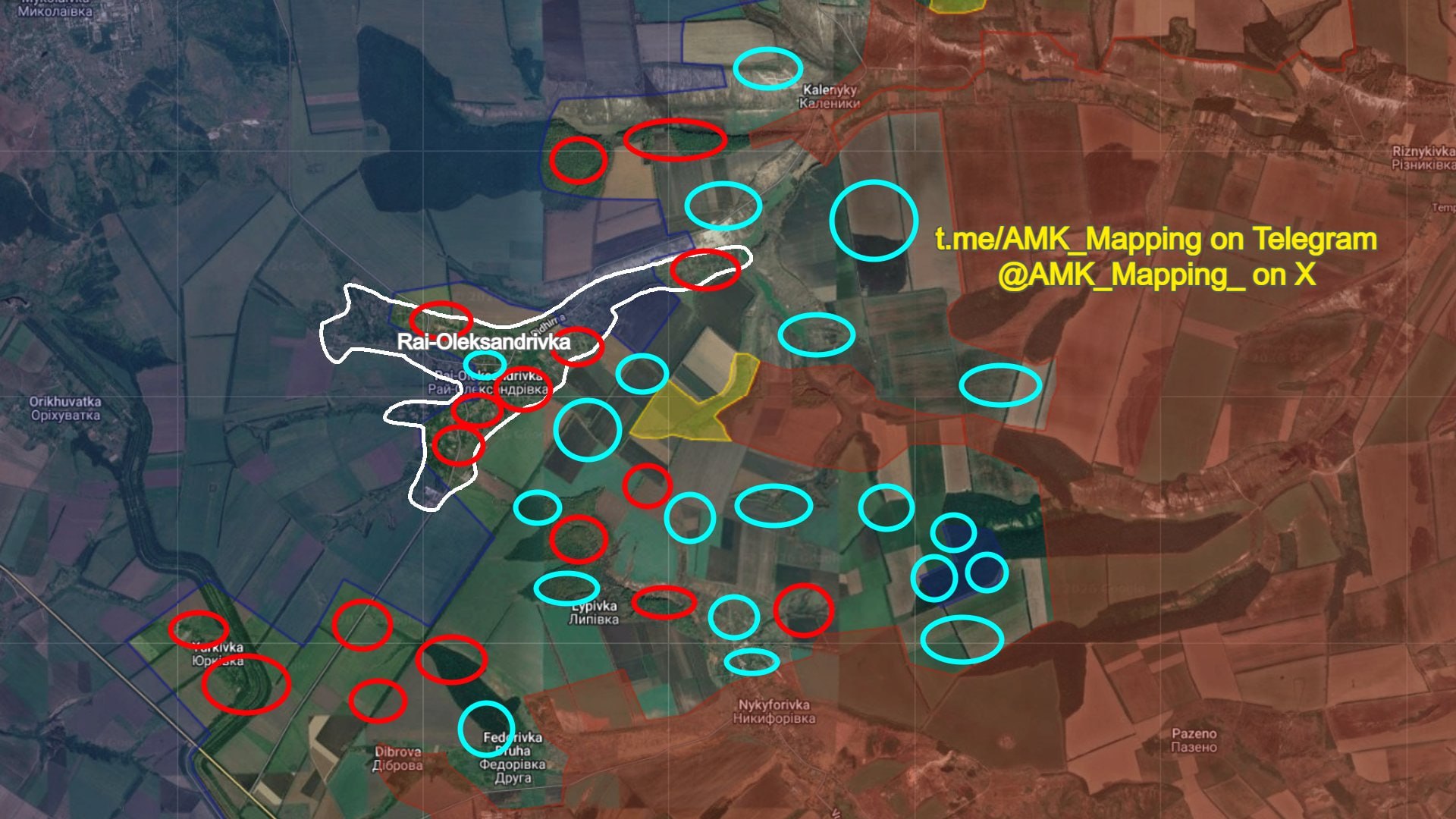
At 14:45 UTC, the CIG_telegram channel reported that Russian claims of capturing the village of Ray‑Alexandrovka in Donetsk Oblast were unsubstantiated. Geolocation analysis showed Russian flags raised on several houses, but the overall control of the settlement remains ambiguous, with Ukrainian forces still present in parts of the village.
"Claims of its capture by Russian troops are false. It is definitely contested, as recent geolocations of Russian flags raised on several houses shows but the scale of Russian control of the village is currently unknown." – CIG_telegram, 2026‑06‑19T14:45:25
The contested status of Ray‑Alexandrovka illustrates the fluid nature of front‑line villages, where control can shift within hours based on reconnaissance, artillery support, and small‑unit maneuvers.
Russian Mobile Fire Teams Deployed in Crimea
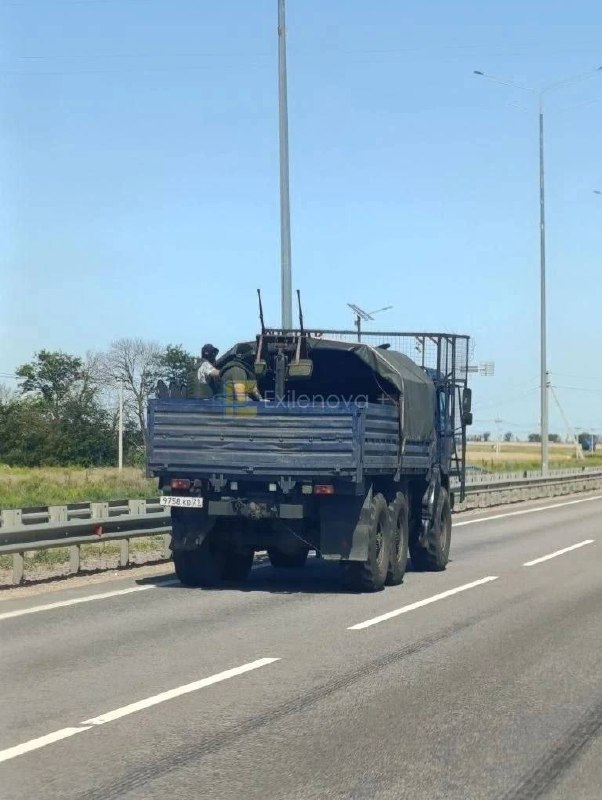
At 11:46 UTC, Russian forces in occupied Crimea announced the deployment of mobile fire teams tasked with escorting fuel trucks and providing rapid response to Ukrainian drone attacks. The initiative, detailed by monitor_the_situation, reflects a tactical adaptation to the increasing frequency of UAV incursions over the peninsula.
"Russia Deploys Mobile Fire Teams to Escort Fuel Trucks in Crimea. Russian forces in occupied Crimea are now using mobile fire groups to escort fuel trucks, with rapid-response teams positioned along logistics routes to protect against Ukrainian drone strikes." – monitor_the_situation, 2026‑06‑19T11:46:57
These escort units are equipped with portable anti‑drone systems and fire suppression equipment, aiming to reduce the vulnerability of logistical convoys that have become high‑value targets for Ukrainian UAVs.
Ukrainian Drone Activity Over Occupied Crimea
At 07:21 UTC, multiple UAV sightings were reported over occupied Crimea, with the monitor_the_situation channel noting a surge in Ukrainian drone operations targeting undisclosed sites. The channel linked to a broader report by @NOELreports, indicating that Ukrainian forces are leveraging both loitering munitions and reconnaissance drones to gather intelligence and apply pressure on Russian‑held infrastructure.
"Ukrainian drones are active over occupied Crimea, with monitoring channels reporting numerous UAVs in the region." – monitor_the_situation, 2026‑06‑19T07:21:41
While no specific damage was confirmed on June 19, the persistent aerial presence suggests a strategic intent to disrupt Russian supply routes and to test the effectiveness of newly deployed mobile fire teams.
Operational Implications
The convergence of artillery, UAV, and ground‑movement events on June 19 indicates a multi‑domain escalation. Russian reliance on MLRS in civilian‑dense areas raises the risk of international condemnation, while Ukraine’s expanding UAV portfolio demonstrates a shift toward precision, low‑cost strike capabilities. The contested status of villages like Ray‑Alexandrovka and the introduction of mobile fire teams in Crimea highlight adaptive tactics on both sides, aimed at protecting logistical lifelines and exploiting enemy vulnerabilities.
Analysts will monitor subsequent casualty reports, the frequency of UAV engagements, and any shifts in front‑line control to assess whether these kinetic actions represent isolated incidents or a broader intensification of hostilities.