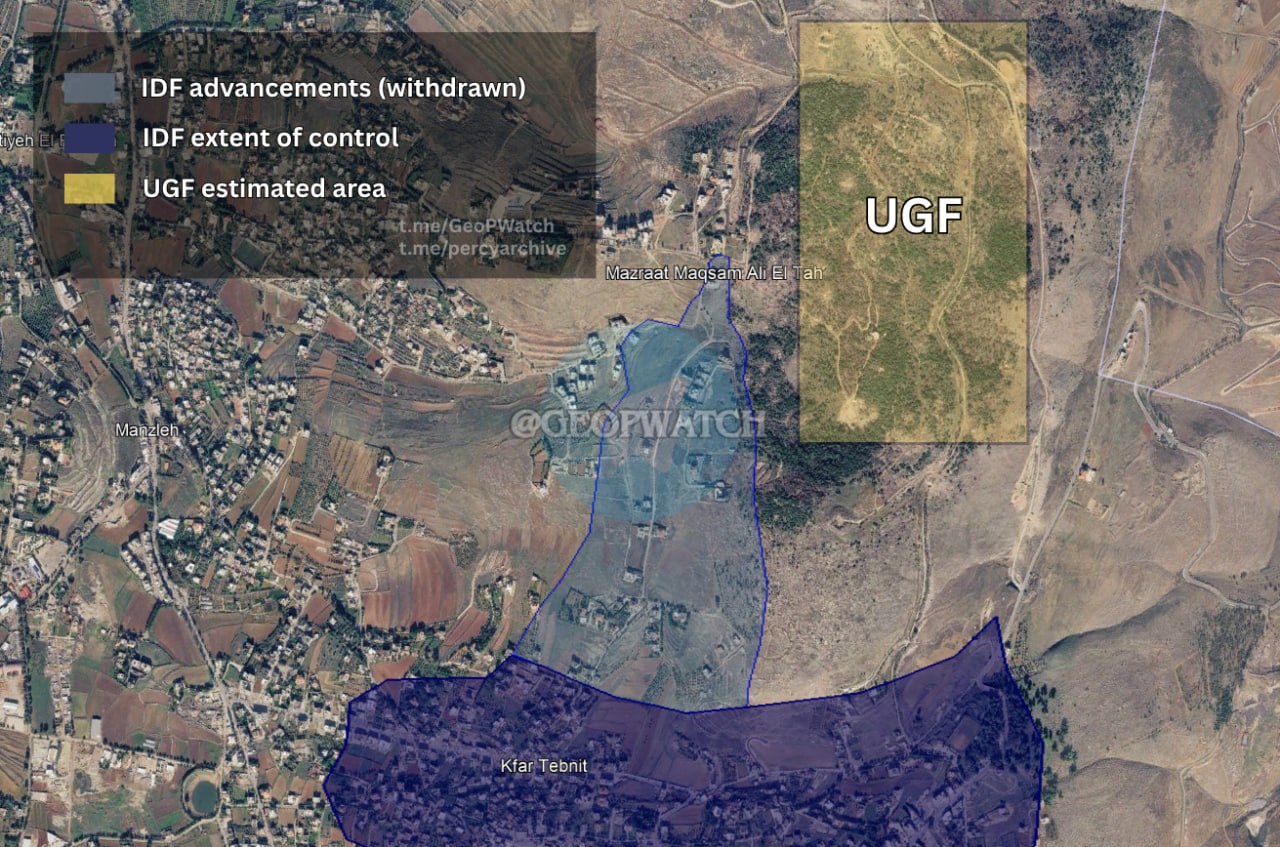
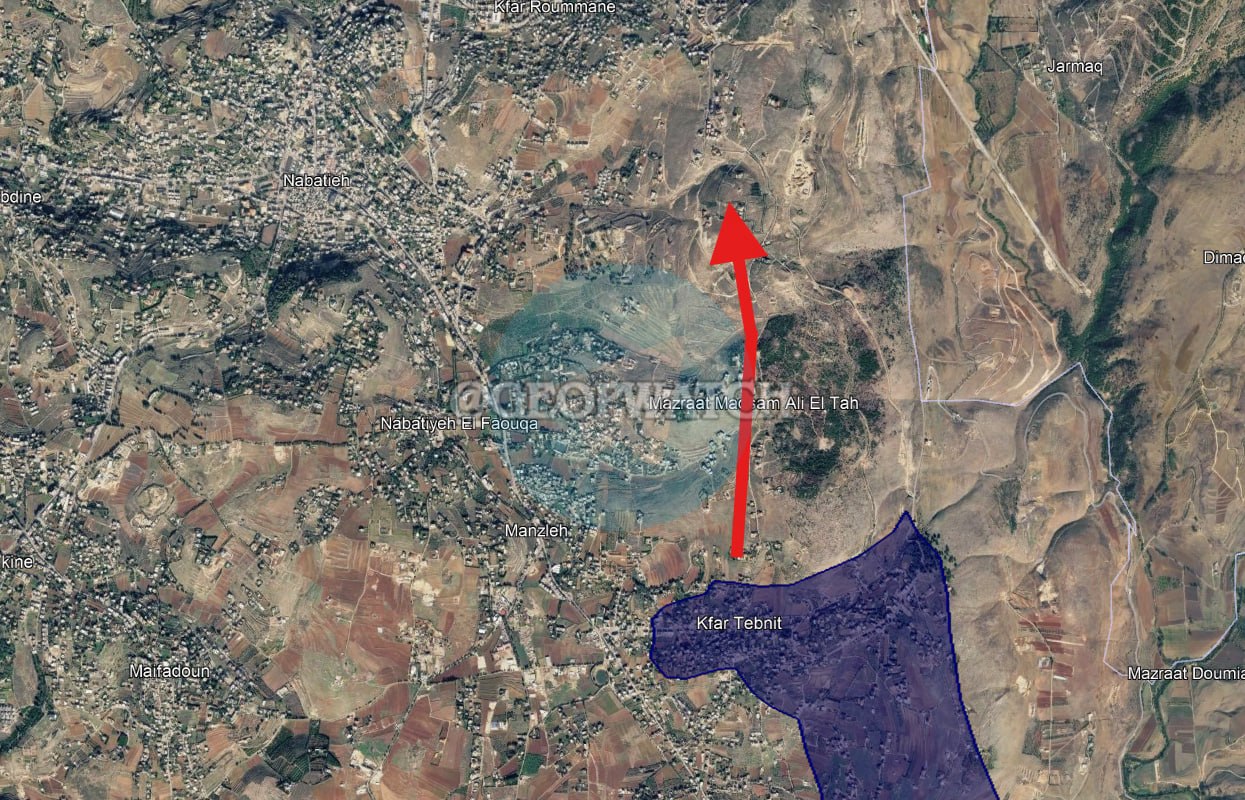
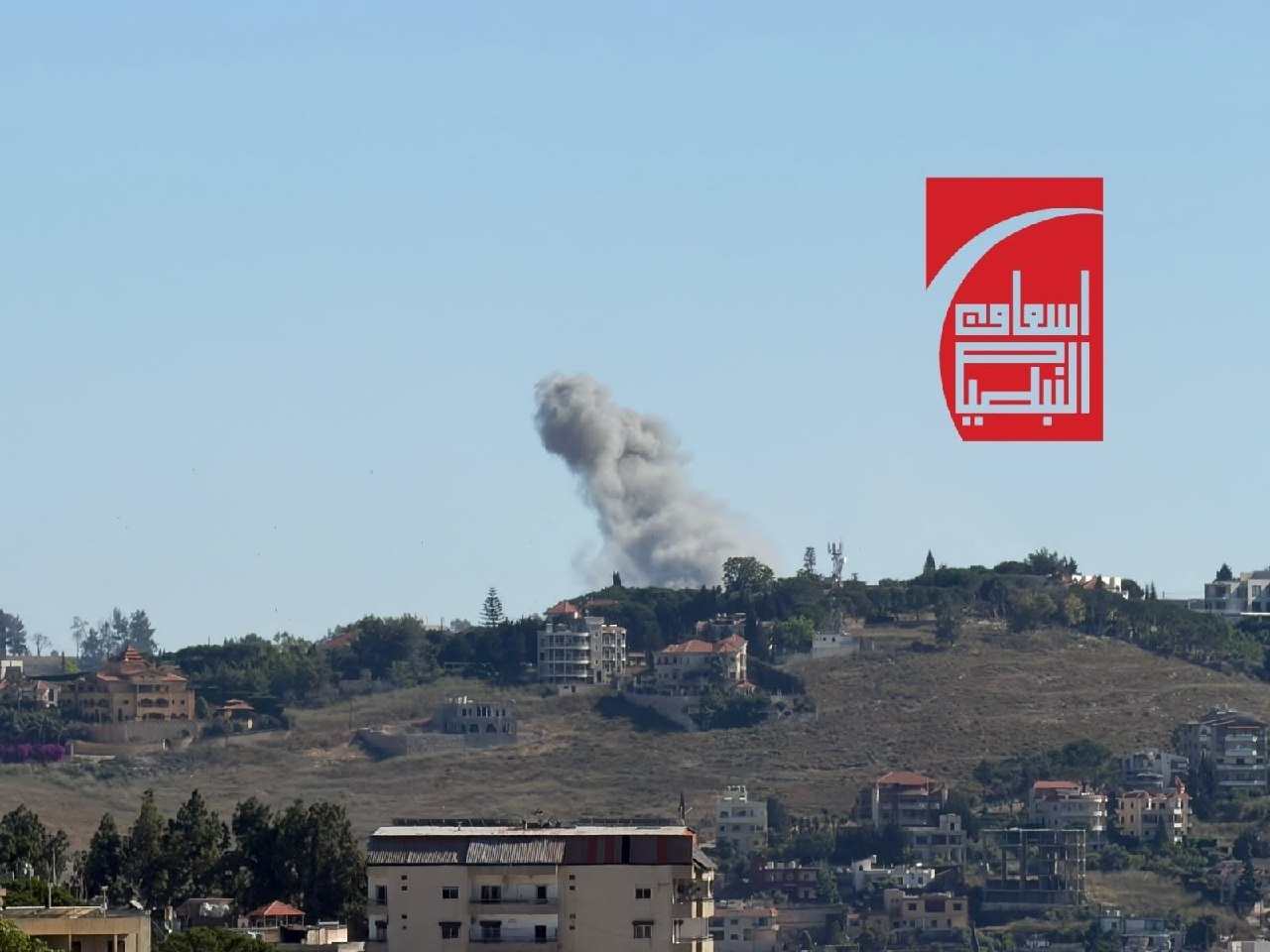
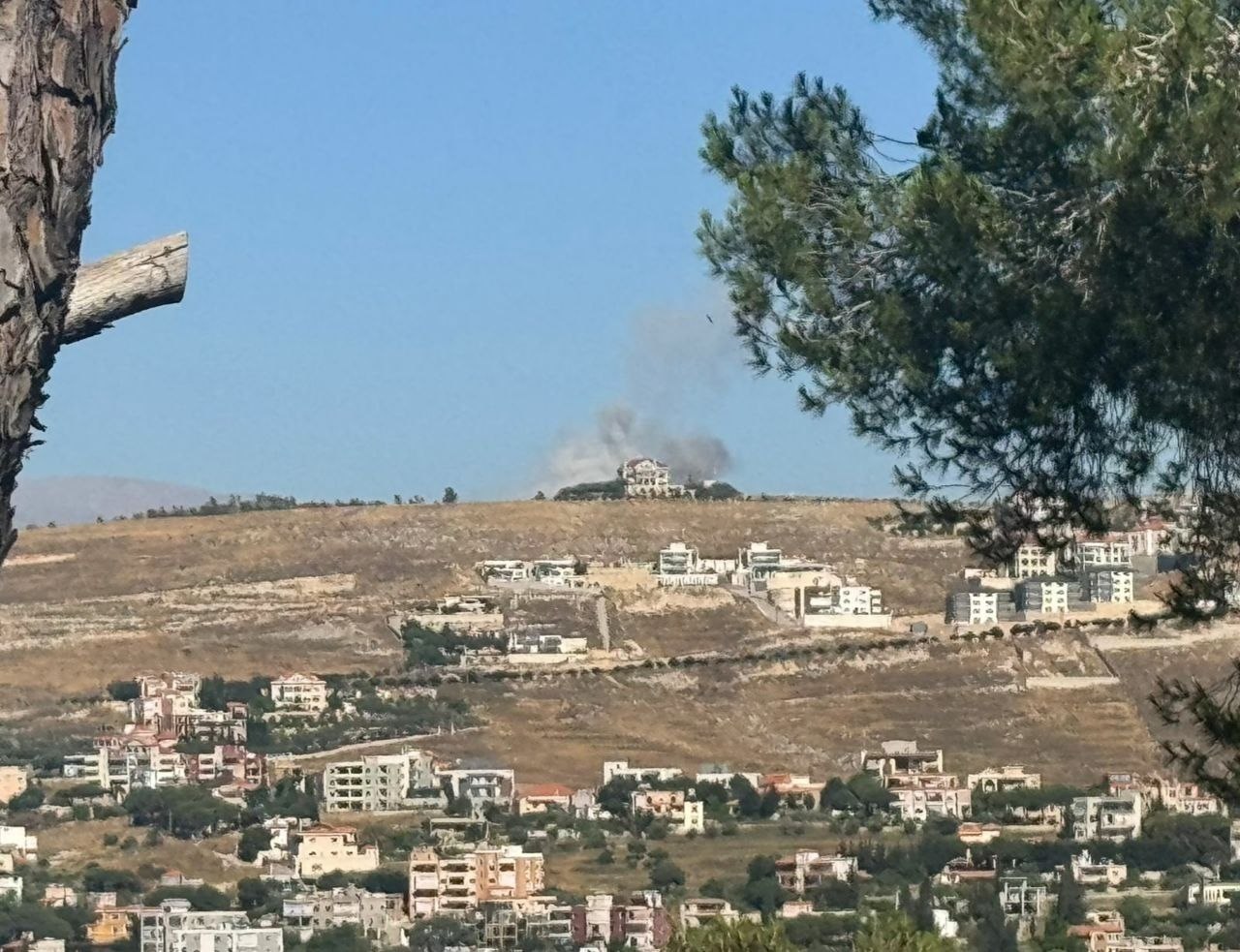
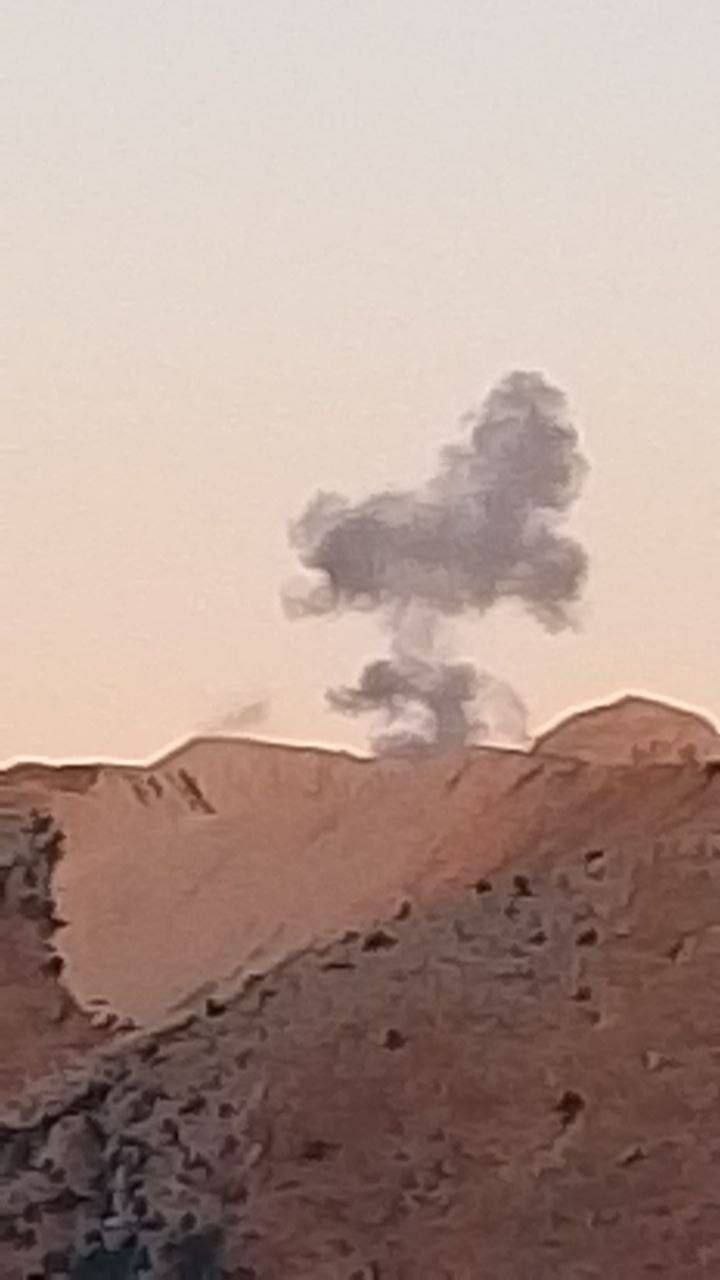
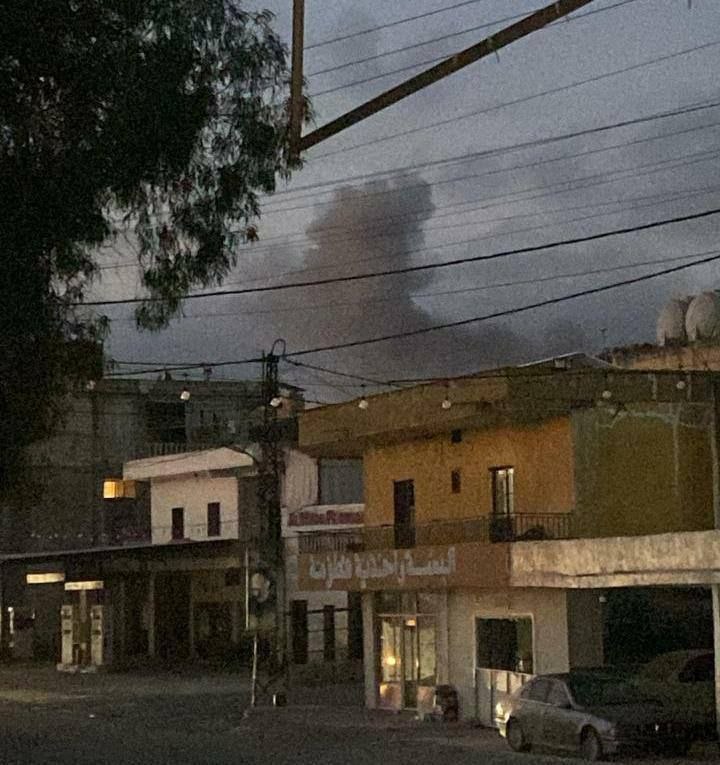
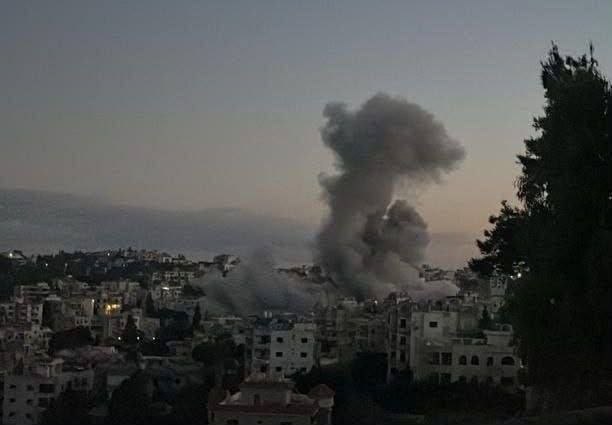
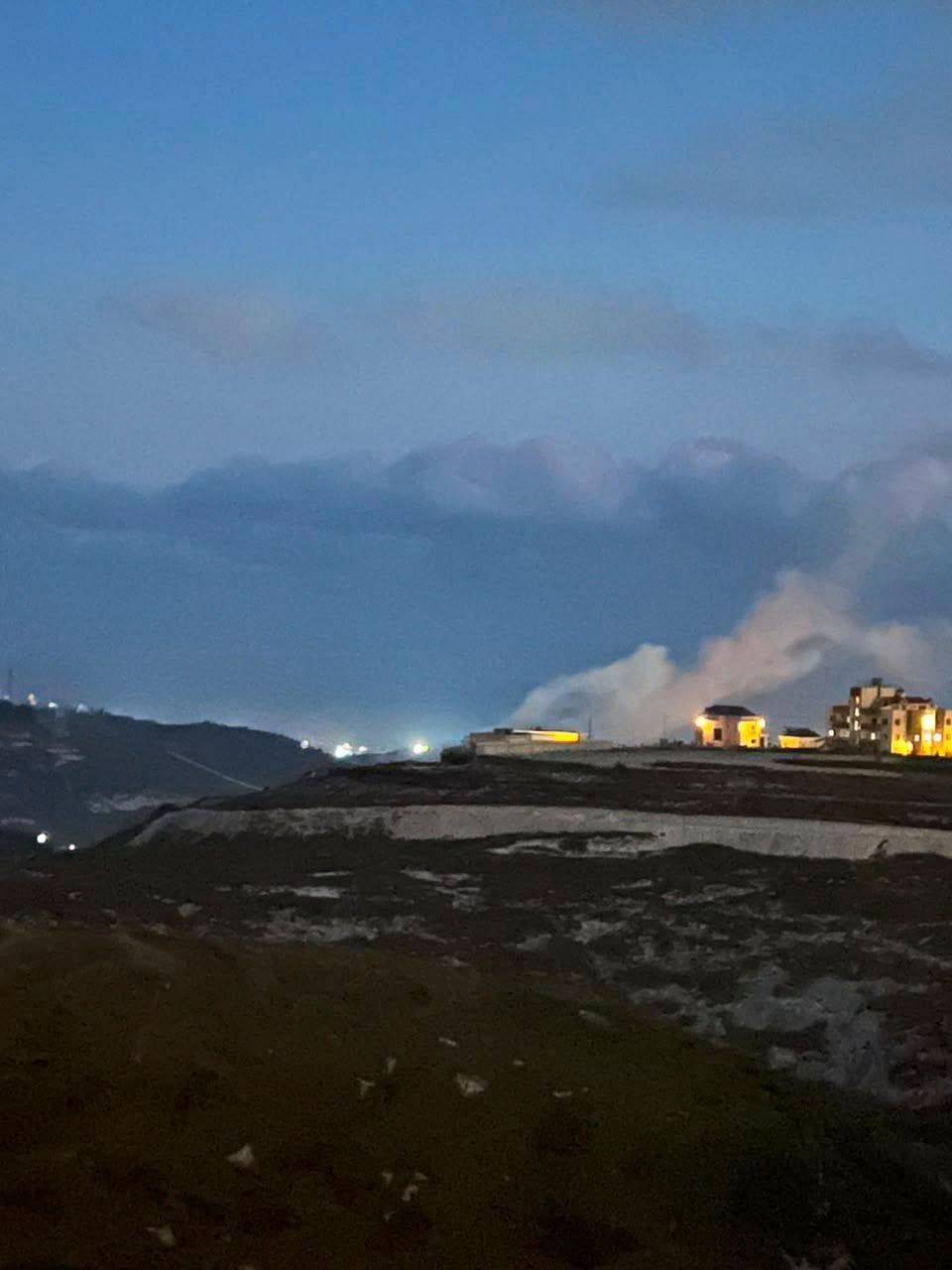
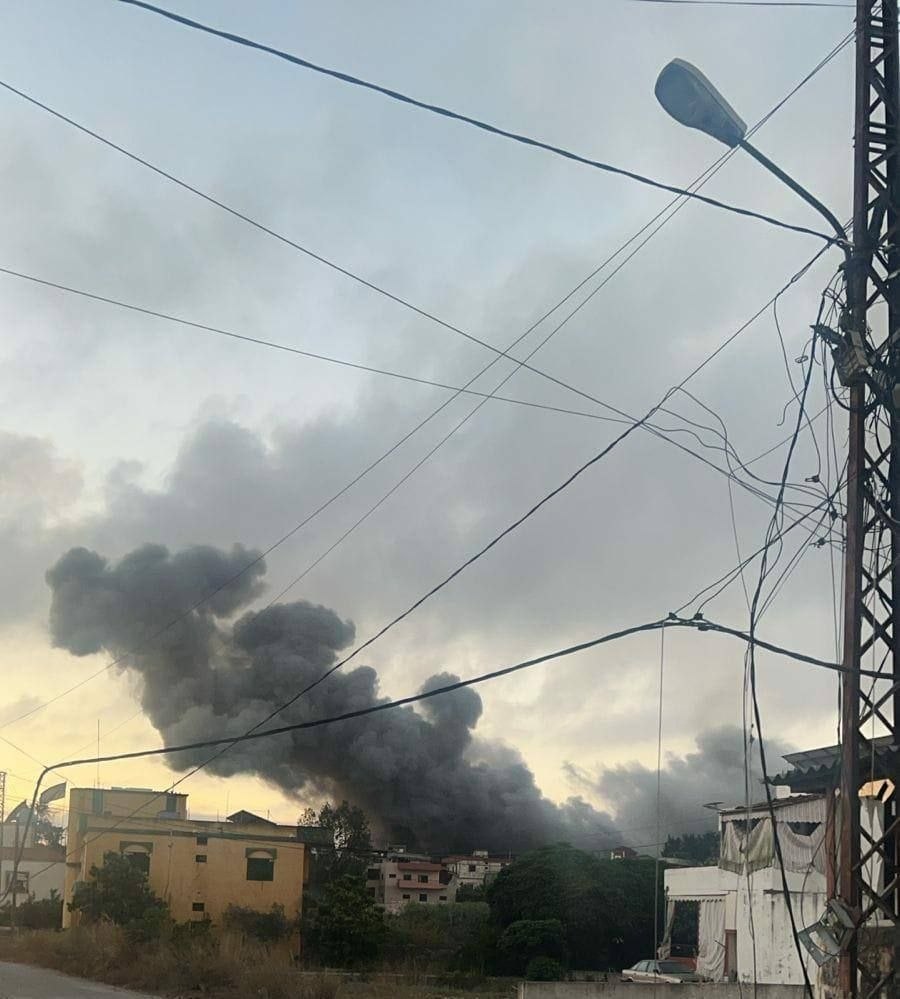
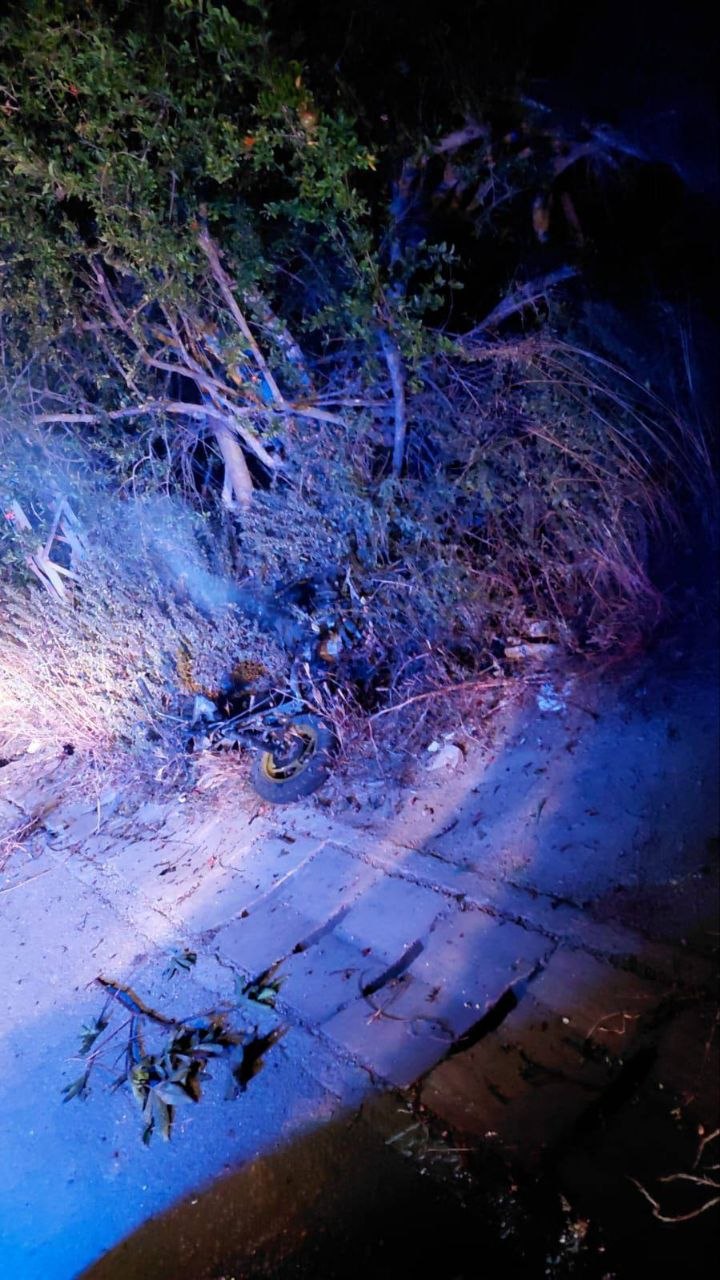
Four Israeli Defense Forces (IDF) soldiers, including Lieutenant Colonel Dor Gedalia Ben Simhon of the 52nd Battalion, were killed in heavy fighting in Kfar Tibnit, southern Lebanon, on June 19, 2026 at 11:24 UTC. The incident, reported by GeoPWatch, marks the deadliest single‑day loss for the IDF since the cease‑fire took effect in October 2025. The soldiers were engaged in a ground assault aimed at the strategic Ali al‑Taher hills when Hezbollah forces launched an anti‑tank guided missile (ATGM) strike that destroyed three Merkava tanks and killed the battalion commander.
Ground combat and ATGM strikes
The Kfar Tibnit engagement was part of a broader IDF offensive to seize the underground fortress beneath the Ali al‑Taher hills, a position described by GeoPWatch as a key Hezbollah “Badr” unit stronghold. Earlier that night, an ATGM strike reportedly hit an IDF tank near Tavnit in Israel’s Southern District, killing four soldiers including a battalion commander, Lt. Col. Dor Ben Shmacho, according to idkunim_il. While the cause of the Tavnit incident remains under investigation, the pattern of anti‑armor attacks underscores Hezbollah’s capability to target heavily armored formations.
"Hezbollah announced it was responsible for the operation that killed the IDF's commander of the 52nd Battalion in an ATGM strike last night and provided details," GeoPWatch reported.
In addition to the Kfar Tibnit casualties, the IDF confirmed that four soldiers were killed in overnight clashes over the Ali al‑Taher heights, as reported by rnintel. The same source noted that 17 Israeli soldiers were wounded in the failed assault on the hill.
Artillery and air operations in Nabatieh
Following the ground losses, the IDF intensified artillery fire on Nabatieh and surrounding villages. Intelslava documented repeated shelling of Nabatieh at 15:10 UTC, while CIG_telegram described a coordinated air‑strike campaign that resumed after the IDF’s failed attempt to capture the Ali al‑Taher ridge. The airstrikes, which employed both fixed‑wing aircraft and drones, resulted in dozens of civilian casualties, according to the same CIG_telegram report.
Hezbollah responded with a barrage of rockets and additional ATGM attacks. BellumActaNews recorded heavy overnight fighting on June 19, noting exchanges of rockets, ATGMs, artillery and aircraft across the Nabatieh district, prompting civilian evacuations toward Beirut.
Widespread air campaign across southern Lebanon
From early morning to late afternoon, Israeli air power targeted more than 100 sites in southern Lebanon. GeoPWatch counted at least 11 Israeli Air Force strikes since the cease‑fire began, while rnintel logged dozens of individual attacks on villages such as Choukine, Kfar Rumman, Kfarsir, Arabsalim, and the Rihan area. The JPost reported that the IDF struck over 80 Hezbollah targets in the Beqaa Valley, including two command centers, after the killing of four Israeli soldiers.
Specific incidents include:
- At 10:15 UTC, BellumActaNews documented airstrikes on Ain Bourday (Baalbek District) killing five people and on Jamaliyeh (Baalbek District) killing three.
- At 08:56 UTC, monitor_the_situation reported an Israeli strike in Jamaliyah (Bekah Valley) that killed three civilians.
- At 08:48 UTC, rnintel confirmed two strikes in the Beqaa Governorate.
These operations were accompanied by artillery shelling of towns throughout southern Lebanon, as noted by rnintel at 13:25 UTC.
Hezbollah’s public statements and strategic messaging
In a high‑profile interview, Hezbollah’s chief declared that the group remains capable of victory despite IDF attacks on more than 100 Hezbollah targets, as reported by the JPost at 17:56 UTC. The statement emphasized Hezbollah’s resolve to continue fighting and reject any surrender.
Regional ripple effects
The kinetic escalation in Lebanon prompted Iran’s Islamic Revolutionary Guard Corps (IRGC) Navy to close the Strait of Hormuz on June 19, warning vessels to avoid transit. The closure, announced by monitor_the_situation at 11:00 UTC, was framed as retaliation for Israeli strikes on southern Lebanon. CIG_telegram later reiterated the closure via a VHF broadcast.
While the Strait of Hormuz closure is a strategic move beyond the Lebanese theater, it illustrates the broader regional tension generated by the renewed hostilities.
Casualty summary
Confirmed Israeli military casualties on June 19 include:
- Four soldiers killed in Kfar Tibnit (GeoPWatch).
- Four soldiers killed in Tavnit, Israel (idkunim_il).
- Four soldiers killed in the Ali al‑Taher heights (rnintel).
- One battalion commander killed in an ATGM strike (GeoPWatch).
Hezbollah casualty figures were not disclosed, but the IDF claimed “dozens” of militants were killed in the day’s operations, as cited by multiple sources (JPost, rnintel).
Operational outlook
The IDF’s attempts to secure the Ali al‑Taher hills and the underground fortress have been repeatedly repelled, indicating a stalemate in the immediate tactical arena. Hezbollah’s continued use of ATGMs, rockets, and artillery, combined with its public statements of resilience, suggests that the conflict will remain kinetic until a negotiated settlement or a decisive shift in force posture occurs.
All parties appear to be operating under the constraints of the October 2025 cease‑fire, yet both sides have engaged in actions that test the limits of that agreement. Monitoring agencies such as GeoPWatch, rnintel, and monitor_the_situation will continue to document incidents as they unfold.