In a rare public display of command, President Volodymyr Zelenskyy was shown selecting drone‑strike targets in Kyiv on the morning of 18 June 2026. The footage, released by the Monitor The Situation channel, underscores the Ukrainian leadership’s hands‑on approach to kinetic operations amid escalating Russian activity across the front lines.
Presidential Involvement in Drone Targeting
At approximately 17:58 UTC, a video posted to Monitor The Situation captured Zelenskyy reviewing satellite imagery and pinpointing coordinates for upcoming unmanned‑aircraft strikes. The president’s direct engagement reflects a shift from strategic oversight to tactical decision‑making, a practice more common in high‑intensity conflicts where rapid target validation can reduce collateral damage.
"Zelenskyy selects drone strike targets in video" – Monitor The Situation, 18 June 2026
The operation involved Ukrainian‑operated drones, though the specific platform was not disclosed. No casualty figures were released for the ensuing strikes, and the Ukrainian Ministry of Defense has not confirmed the targets hit. The event was tagged as S3 – SIGNIFICANT by the source, indicating its potential impact on the broader kinetic tempo.
Russian Infiltration of Liman, Donetsk Oblast
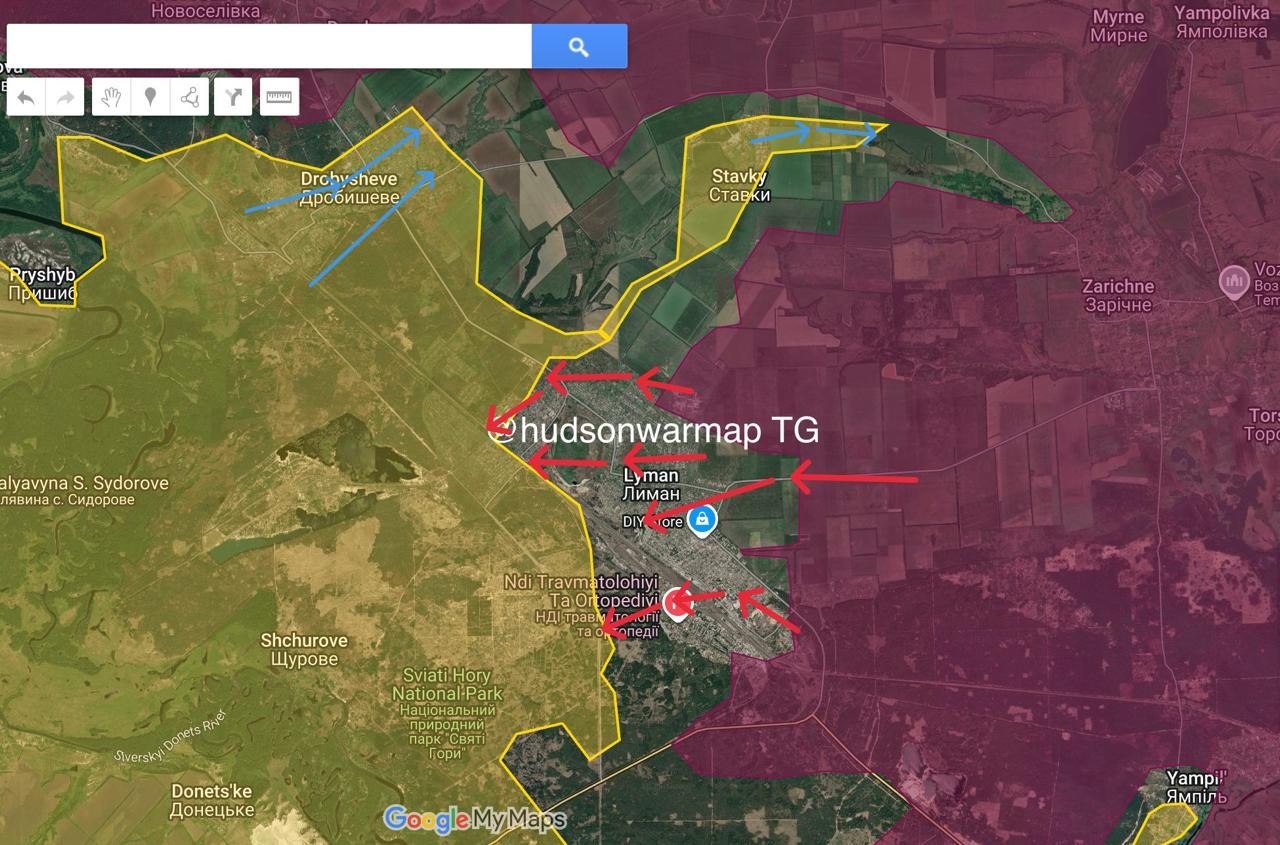
Earlier in the day, at 12:45 UTC, the Russian‑focused intelligence outlet rnintel reported that Russian units were deepening their presence in the strategic city of Liman, Donetsk Oblast. According to the report, “80 % of Liman is now grey‑zone,” meaning control is contested and fluid. Simultaneously, Ukrainian forces launched localized counter‑offensives, retaking the villages of Drobishevoe and Stavki north of the city.
"Ukrainian forces continue launching localized counter offensives north of the city, retaking Drobishevoe and Stavki." – rnintel, 18 June 2026
The report, accompanied by a map from Hudson War Mapping, did not list casualties but highlighted the tactical importance of Liman as a logistics hub for Russian supply lines. No specific weapons were cited, suggesting the infiltration relied on small‑unit tactics and possibly dismounted infantry.
Geran‑2 Drone Strike on Okhtyrka Substation, Sumy Oblast
At 09:50 UTC, Monitor The Situation posted video evidence of a Russian Geran‑2 drone striking the 110 kV substation of the Okhtyrka Thermal Power Plant in Sumy Oblast. The impact ignited a large fire, temporarily disabling the substation and threatening regional power stability. The Geran‑2, a loitering munition derived from the Iranian Shahed‑136, has been employed repeatedly against energy infrastructure throughout the conflict.
"Russian Drone Strikes Electrical Substation in Okhtyrka, Sumy Oblast. A Russian Geran‑2 drone struck the Okhtyrska 110 kV substation of the Okhtyrka Thermal Power Plant, causing a large fire." – Monitor The Situation, 18 June 2026
No civilian or personnel casualties were reported in the immediate aftermath, though the outage affected thousands of households. The incident underscores the continued Russian strategy of targeting Ukraine’s energy grid to erode civilian morale and strain logistical support for front‑line units.
Fuel Storage Tank Explosion in Donetsk Oblast
At 06:52 UTC, a fuel storage tank in Donetsk Oblast detonated, sending the tank’s roof airborne. The explosion was captured on video by Monitor The Situation, though the cause—whether accidental, sabotage, or a stray strike—remains unverified. No casualties were reported, and the incident did not appear to be linked to any coordinated offensive.
"Explosion at Fuel Storage Tank Sends Roof Airborne in Donetsk Oblast, Ukraine" – Monitor The Situation, 18 June 2026
While isolated, such explosions pose significant environmental and logistical hazards, potentially disrupting fuel supplies for both civilian and military operations in the region.
Capture of Hraniv Village, Kharkiv Oblast
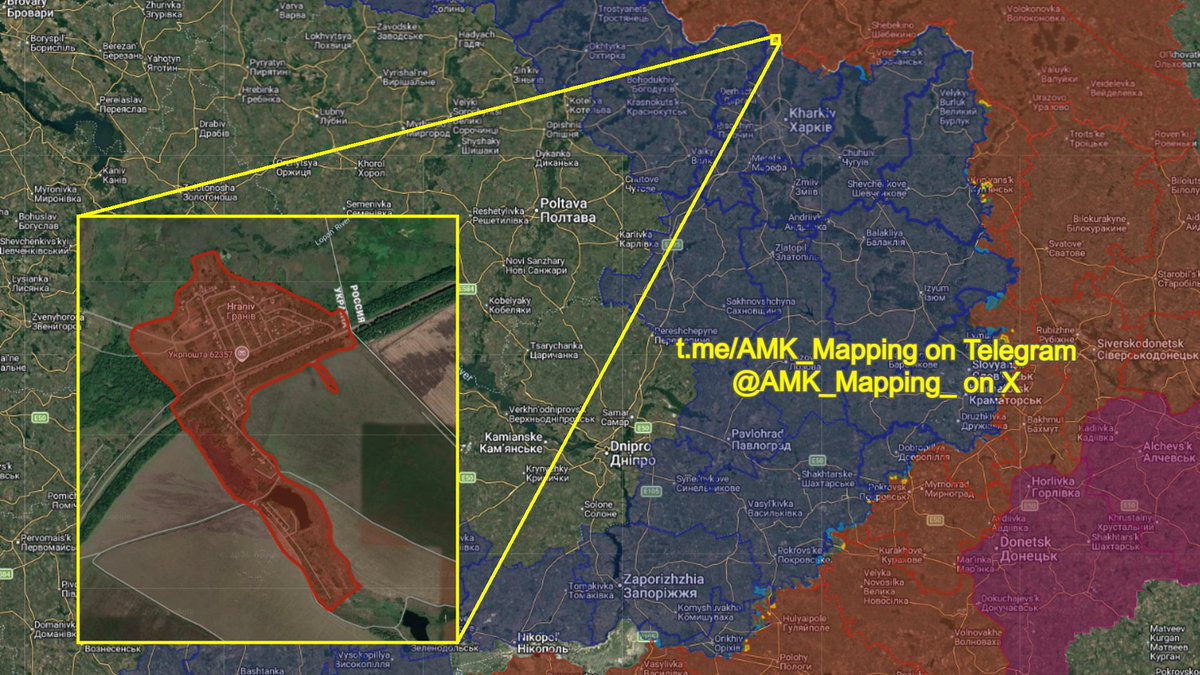
At 06:15 UTC, Russian forces announced the capture of Hraniv, a village in the Kozacha Lopan direction of Kharkiv Oblast, after 25 days of sustained combat. Pre‑war population estimates placed the village at roughly 125 residents. The takeover was documented with a single photograph posted by Monitor The Situation.
"Russian Forces Capture Hraniv Village in Kharkiv Oblast" – Monitor The Situation, 18 June 2026
No casualty figures were disclosed, but the prolonged engagement suggests attritional losses on both sides. The capture consolidates Russian control over a segment of the front that has been contested since the spring counter‑offensives, potentially enabling further advances toward the strategic rail corridor linking Kharkiv to the Russian‑occupied Donbas.
Analysis
The events of 18 June illustrate a multi‑layered kinetic environment in Ukraine. President Zelenskyy’s direct involvement in target selection signals an elevated command posture, likely intended to accelerate decision cycles and improve strike precision. Concurrently, Russian forces are exploiting grey‑zone tactics in Liman, leveraging infiltration to erode Ukrainian defensive depth without committing large‑scale armor.
Targeted attacks on energy infrastructure, exemplified by the Geran‑2 strike on Okhtyrka, continue to degrade Ukraine’s power resilience, a pattern observed since the conflict’s inception. The fuel tank explosion, while not directly attributed, adds to the cumulative risk profile for logistical nodes in contested territories.
Finally, the capture of Hraniv reflects incremental territorial gains that, while modest in isolation, contribute to a broader strategy of consolidating control over the Kharkiv axis. The absence of reported casualties across these incidents may indicate either limited immediate human impact or a lag in verification, a common challenge in real‑time conflict reporting.
Overall, the convergence of high‑level command involvement, infiltration tactics, infrastructure targeting, and territorial consolidation underscores the complex, multi‑domain nature of the current Ukrainian theater.