On June 15, a Russian double‑tap missile strike in Kharkiv, Ukraine, killed five emergency responders, underscoring the heightened risk to civilian rescue personnel in active combat zones. The attack, reported by monitor_the_situation at 17:08 UTC, targeted responders from the State Emergency Service of Ukraine and a city council staff member, illustrating the lethal precision of Russian missile tactics in densely populated areas.
Kharkiv Double‑Tap Missile Strike
The first missile struck a building housing emergency services, injuring several rescuers. Within minutes, a second missile hit the same site, killing four State Emergency Service rescuers and one Kharkiv City Council employee. The weapons used were identified as guided missiles, though the specific type was not disclosed. Russian forces have increasingly employed double‑tap tactics to maximize casualties among first‑responders, a pattern observed in previous engagements across eastern Ukraine.
"The loss of five dedicated emergency workers is a stark reminder that even those who rush to aid the wounded are now prime targets," a spokesperson for the State Emergency Service said, as cited by monitor_the_situation.
These casualties add to a growing tally of civilian and non‑combatant deaths in the Kharkiv region, where intensified artillery and missile barrages have been reported since the start of the year.
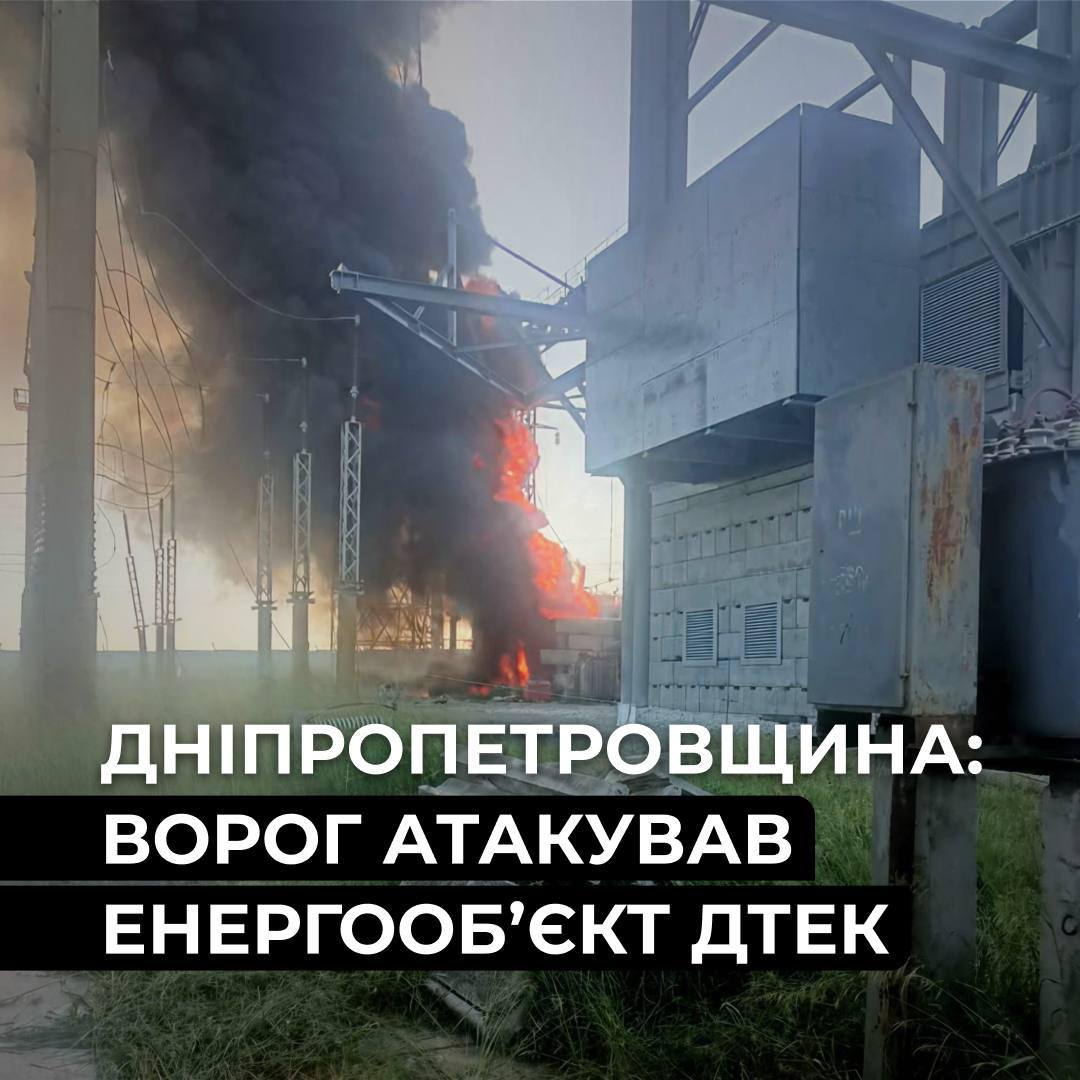
Energy Infrastructure Attack in Dnipropetrovsk Oblast
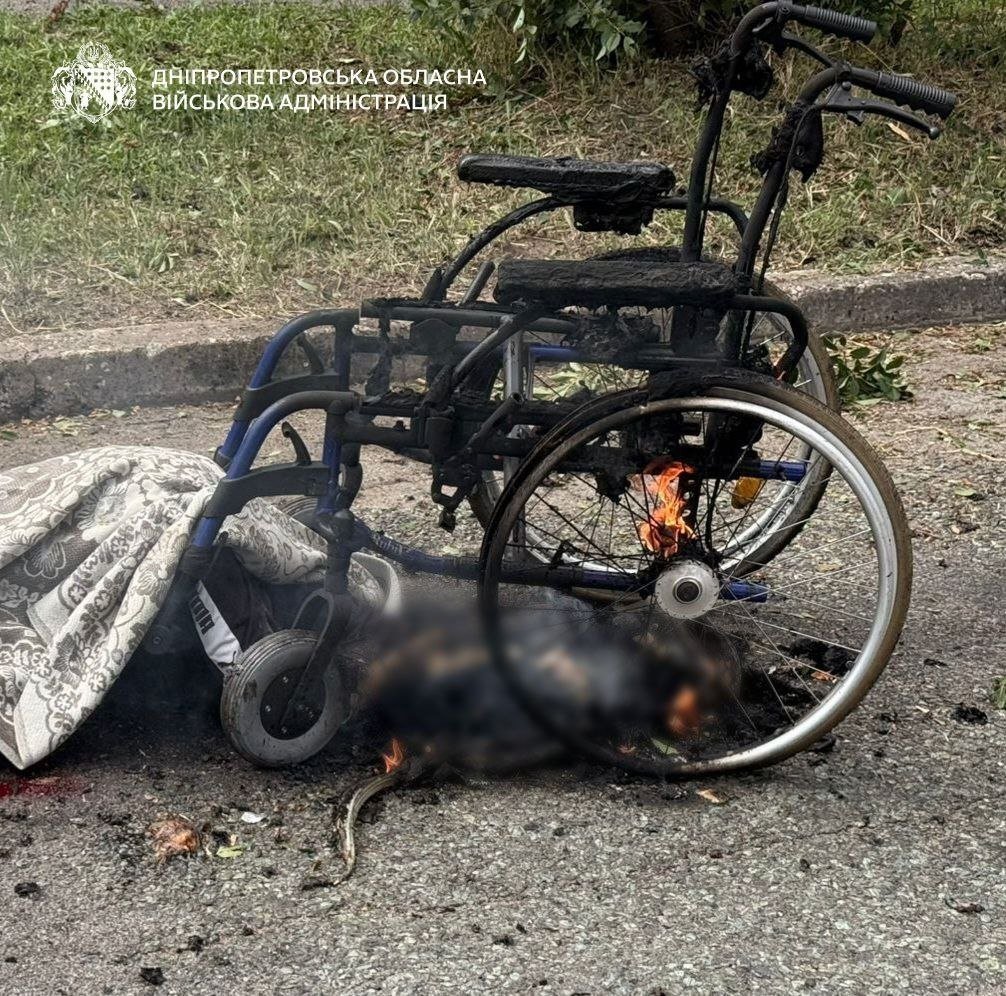
On the same day, a Russian strike on an energy facility in Dnipropetrovsk Oblast left 19,400 families across 139 front‑line settlements without power, according to intelslava. While no direct casualties were reported, the loss of electricity hampers both civilian life and military logistics, affecting command‑and‑control capabilities for Ukrainian forces operating in the region.
"The outage disrupts critical communications and medical services, compounding the humanitarian toll of the conflict," the report noted.
The strike highlights Russia’s strategy of targeting energy assets to degrade Ukraine’s resilience, a tactic that has intensified since the spring offensive.
Ukrainian Artillery Counter‑Operation in Donetsk
In a significant kinetic achievement, the Ukrainian Ministry of Defense announced the destruction of approximately 250 Russian artillery systems in Donetsk Oblast over two nights, using specialized munitions designed to rupture gun barrels. The operation, dubbed “Art Ashan,” was detailed by monitor_the_situation at 14:04 UTC and represents one of the largest single‑session artillery attrition events recorded in the conflict.
"The use of barrel‑rupturing munitions has proven highly effective against entrenched Russian artillery positions," Defense Minister Mykhailo Fedorov said in a televised briefing.
These losses are expected to degrade Russian indirect fire capabilities on the front, potentially altering the tactical balance in the Donetsk sector where Ukrainian forces are conducting limited counter‑attacks.
Naval Strike on Russian Shadow‑Fleet Tanker in the Black Sea
Ukrainian forces extended their kinetic operations to the maritime domain, striking a Russian shadow‑fleet tanker and associated military infrastructure in international waters of the Black Sea. The attack, reported by monitor_the_situation at 14:18 UTC, targeted a vessel subject to international sanctions, indicating Ukraine’s intent to disrupt Russian logistics beyond the land front.
"The successful engagement of a sanctioned tanker demonstrates Ukraine’s growing maritime strike capability," a Kyiv‑based analyst noted.
While casualty figures were not disclosed, the strike likely impedes fuel supplies to Russian naval units operating in the Black Sea, a theater of increasing strategic importance for both sides.
Ground Movements and Counter‑Offensives Near Lyman
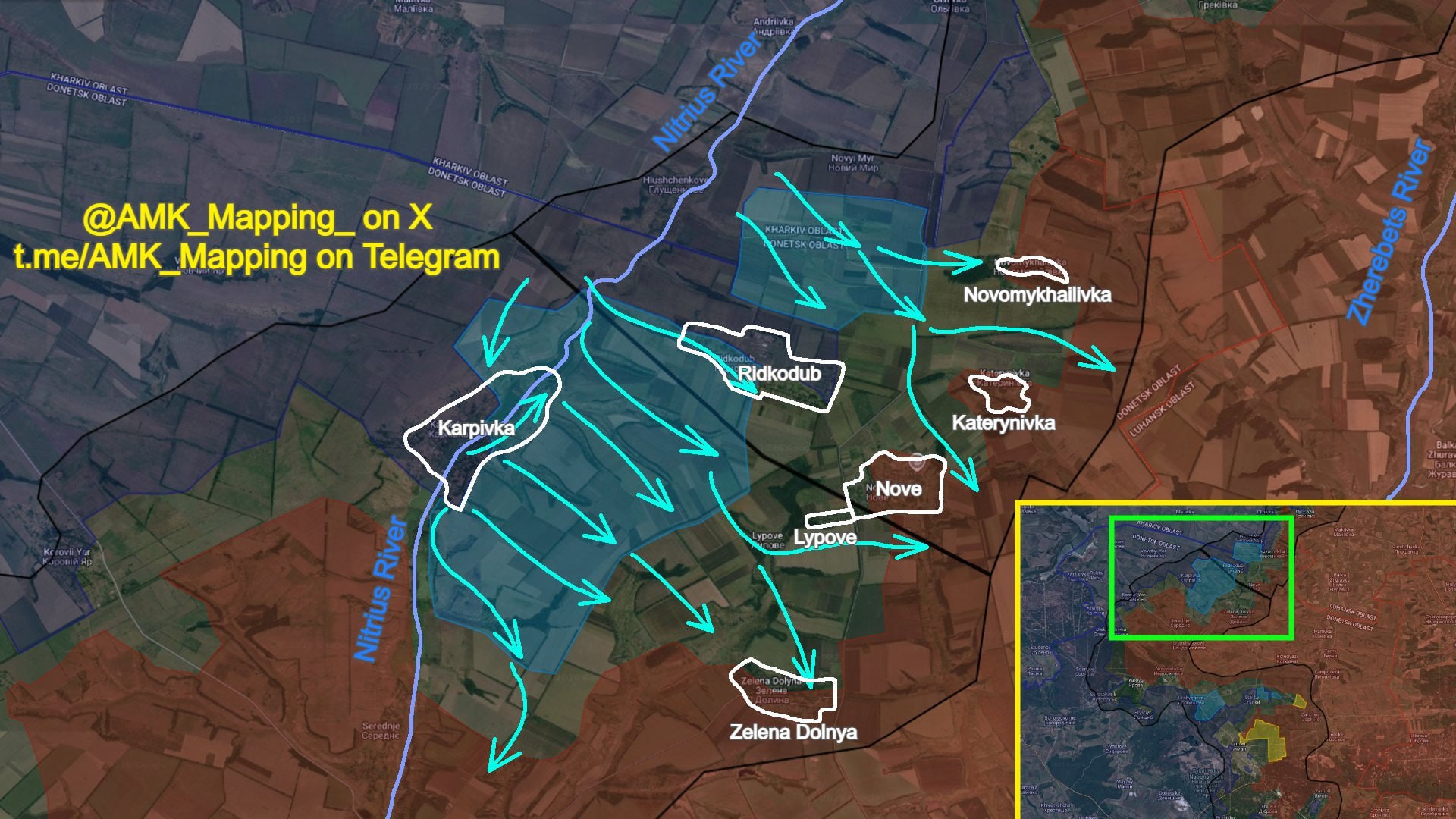
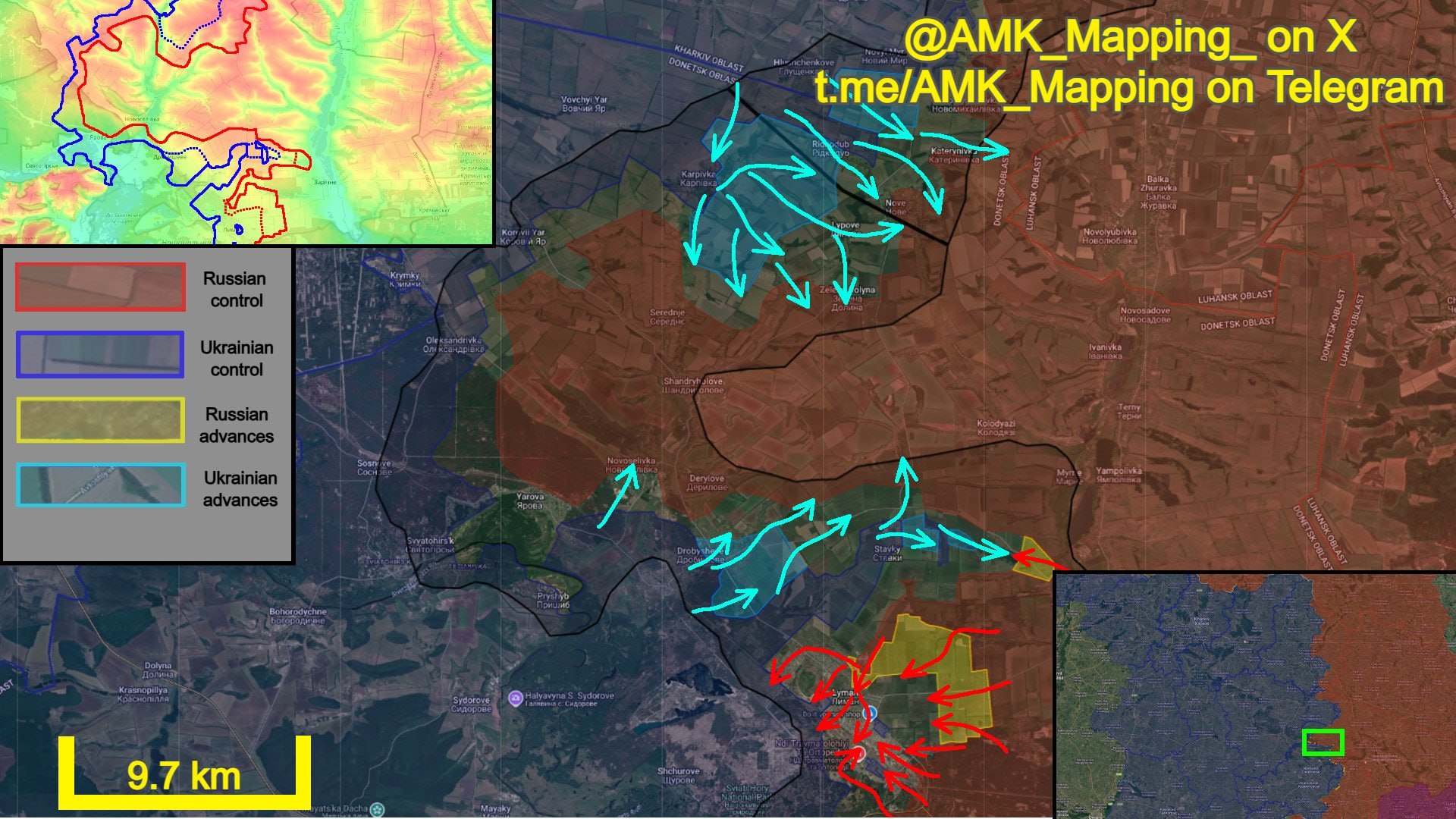
Ukrainian forces continued a series of counter‑attacks north of Lyman, aiming to cut off a Russian bridgehead west of the Nitrius River. Detailed by CIG_telegram at 10:33 UTC, the fighting involved fierce engagements in villages such as Zelena Dolyna, Novoe, and Katerynovka. Simultaneously, Russian troops concentrated assault forces near Lyman in an attempt to seize the city, as reported at 10:25 UTC.
"Control of Lyman remains pivotal for supply lines on both sides; the current stalemate reflects the high stakes of this sector," a senior military observer wrote.
The back‑and‑forth maneuvering underscores the fluid nature of the front line in the Donetsk region, where both sides are committing significant resources to gain positional advantage.
UAV and Loitering Munition Activity Across Ukraine
Russian drone activity persisted in Sumy Oblast, where a single‑use drone strike killed one civilian, according to monitor_the_situation at 06:31 UTC. In Donetsk Oblast, Russian‑operated Geran‑2 loitering munitions struck temporary Ukrainian positions in Dobropillia and Novohryshyne, as reported by intelslava at 10:28 UTC. These attacks employed electro‑optical seekers and demonstrated the continued use of low‑cost, high‑impact UAVs to target frontline deployments.
"Loitering munitions provide a persistent threat to forward‑deployed troops, forcing Ukrainian units to adapt their concealment tactics," a defense analyst noted.
Combined, these UAV incidents illustrate the expanding role of unmanned systems in the conflict, complementing traditional artillery and missile strikes.