On June 17, 2026, Israel killed four civilians in southern Lebanon, prompting a rare public rebuke from U.S. President Donald Trump toward Israeli Prime Minister Benjamin Netanyahu. The incident, reported by Al Jazeera in its live‑blog coverage of the Iran‑Israel conflict, marks the most lethal single event recorded in the region on this date and raises concerns about a potential breach of the 2023 cease‑fire agreement between Israel and Lebanon.
"Warning comes as Trump also criticises Netanyahu over Israel's attacks on Lebanon," Al Jazeera live blog, 2026‑06‑17.
The casualties were confirmed in the town of Kfar Tebnit, where Israeli Defense Forces (IDF) artillery fire struck residential areas. While the exact circumstances of the strike remain under investigation, the death toll of four civilians underscores the fragility of the cease‑fire and the risk of broader escalation.
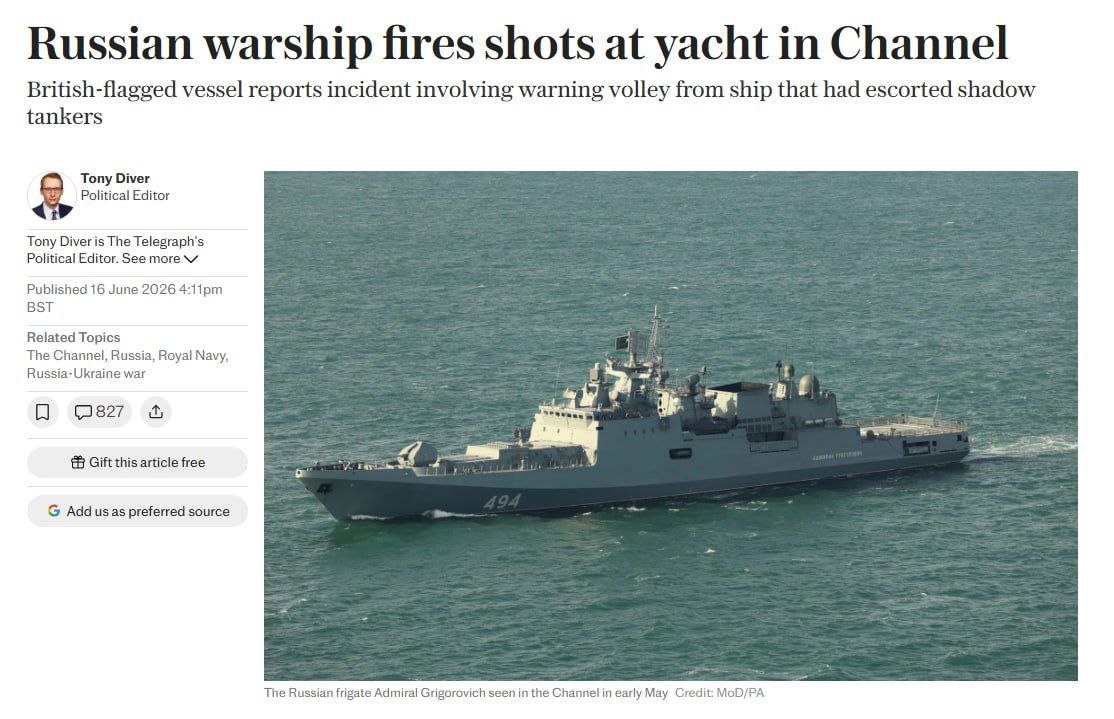
Russian Naval Warning Shots in the English Channel
In a separate theater, the Russian Ministry of Defense announced that the frigate Admiral Grigorovich fired pre‑emptive warning shots at the British‑flagged sailing yacht Bright Future after the vessel approached within 150 meters in the English Channel. The incident, documented by the open‑source intelligence channel intelslava, occurred at 05:04 UTC and involved the use of both warning shots and illumination flares.
"The Russian Ministry of Defense confirmed the incident in the English Channel, stating that the 'Admiral Grigorovich' carried out a preemptive firing after the sailing yacht Bright Future approached the frigate to a distance of up to 150 meters," intelslava, 2026‑06‑17.
According to the same source, Russian naval personnel attempted to establish radio contact with the yacht before resorting to gunfire. No injuries were reported among the yacht’s crew, and the British authorities have opened a formal inquiry into the rules of engagement applied by the Russian vessel.
Israeli Artillery Shelling of Southern Lebanese Towns
Earlier in the morning, at 04:57 UTC, the IDF conducted artillery strikes on multiple towns in southern Lebanon, including Kfar Tebnit, violating the cease‑fire terms agreed upon after the 2023 hostilities. The video evidence, shared by the Telegram channel monitor_the_situation, shows shell impacts on civilian structures and corroborates the casualty figures reported by local Lebanese officials.
"Israel Shells Towns in Southern Lebanon in Ceasefire Violation," monitor_the_situation, 2026‑06‑17.
The use of conventional artillery rounds, as opposed to precision‑guided munitions, raises questions about targeting protocols and the potential for further civilian harm. The Lebanese Ministry of Foreign Affairs has lodged a formal protest with the United Nations, urging an immediate cessation of hostilities and a return to diplomatic channels.
U.S. Interception of Iranian Drones Near the Strait of Hormuz
At 02:22 UTC, United States naval forces intercepted a swarm of Iranian‑manufactured drones targeting commercial shipping lanes in the Strait of Hormuz. The operation, reported by monitor_the_situation, represents a continuation of U.S. enforcement actions following the 2025 Memorandum of Understanding (MoU) between Washington and Tehran aimed at de‑escalating maritime threats.
"The United States continues to intercept Iranian drones targeting commercial shipping around the Strait of Hormuz since the US‑Iran MoU was signed," monitor_the_situation, 2026‑06‑17.
The drones, identified as Shahed‑136 variants, were neutralized using ship‑borne electronic warfare systems and surface‑to‑air missiles. No commercial vessels were damaged, and the interception underscores the persistent volatility of the Persian Gulf corridor, a critical conduit for global energy supplies.
Analytical Overview
The convergence of these events on a single day illustrates a multi‑dimensional escalation pattern across the broader Middle East and adjacent maritime domains. The lethal Israeli strike in Lebanon, coupled with President Trump’s public criticism of Netanyahu, signals heightened diplomatic friction between Washington and Jerusalem, potentially influencing future U.S. policy on Israeli operations in Lebanon.
Simultaneously, the Russian Navy’s decision to fire warning shots at a civilian yacht in the English Channel reflects an assertive posture in European waters, raising concerns about the application of naval rules of engagement in congested international straits. While the incident did not result in casualties, it sets a precedent for future encounters between military vessels and civilian traffic.
In the Persian Gulf, the successful U.S. interception of Iranian drones demonstrates continued American commitment to safeguarding commercial navigation, yet it also highlights Iran’s willingness to employ asymmetric aerial threats against regional trade routes.
Collectively, these incidents underscore the interconnected nature of land‑based conflicts and maritime security challenges. The risk of inadvertent escalation remains high, particularly where civilian assets intersect with military operations. Ongoing monitoring of diplomatic communications, rules of engagement, and cease‑fire compliance will be essential to prevent further deterioration of stability in the region.