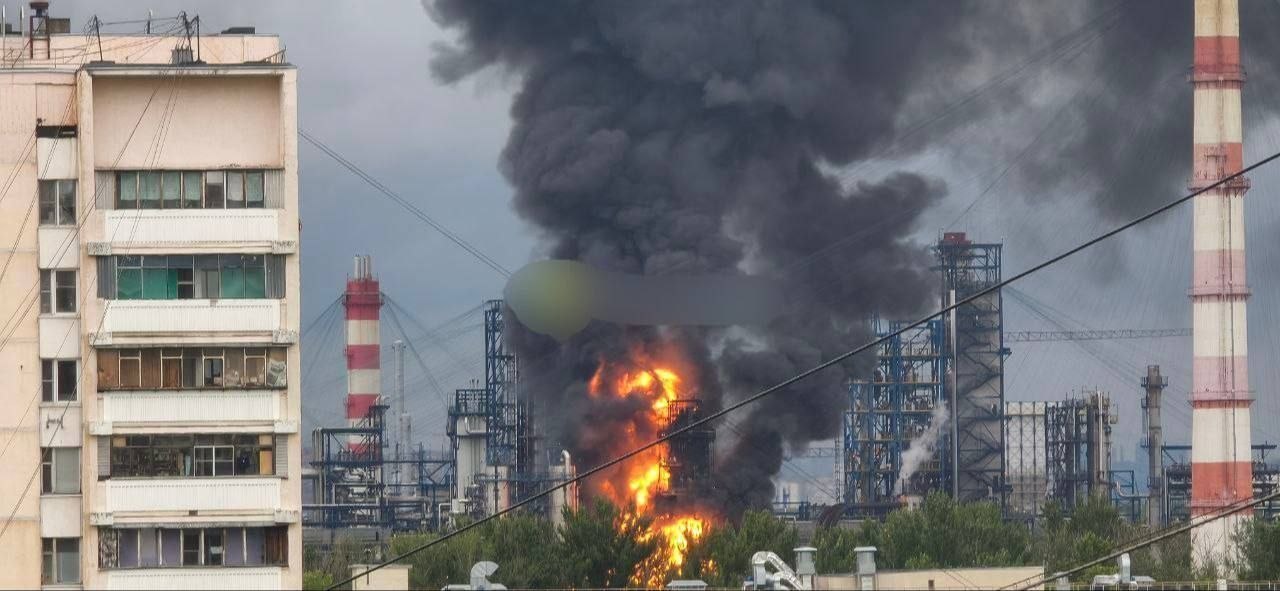
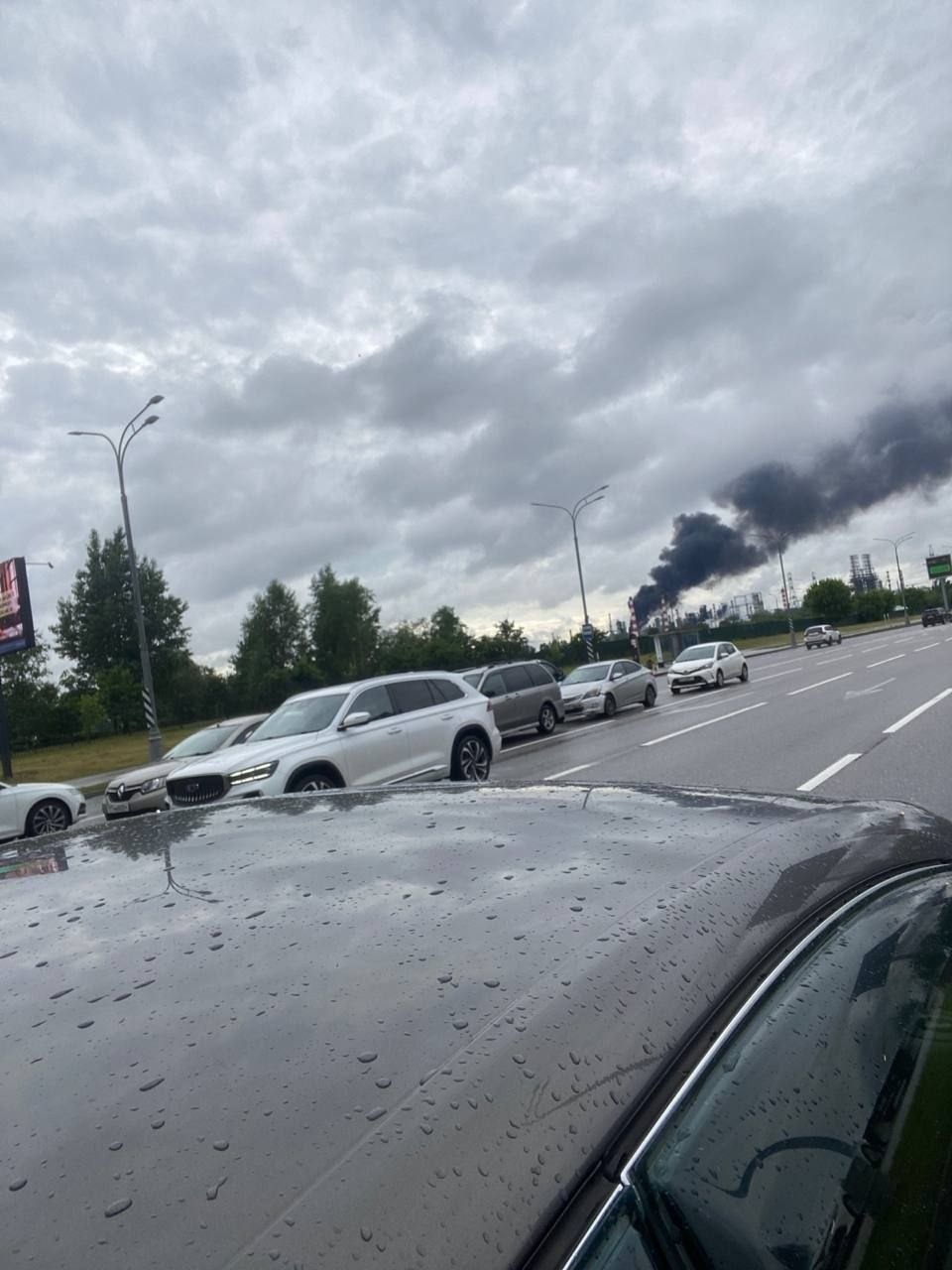
In the early hours of 16 June 2026, Ukrainian forces launched a large‑scale drone operation targeting Moscow and its surrounding region. According to the open‑source channel intelslava, Russian air defenses intercepted and shot down at least fifty unmanned aerial systems, preventing further damage to civilian infrastructure. The exact launch points remain undisclosed, but the scale of the sortie indicates a significant escalation in the use of drone swarms as a strategic weapon against the Russian capital.
Key details include the rapid deployment of dozens of small‑size drones, the activation of integrated air‑defence networks, and the reported absence of any confirmed casualties among the Russian population. While the operation did not achieve a breakthrough, the sheer number of assets engaged underscores a shift toward high‑intensity, low‑cost aerial attacks in the Ukraine‑Russia conflict.
Ukraine: Drone Swarms Over Moscow and Kyiv Targets
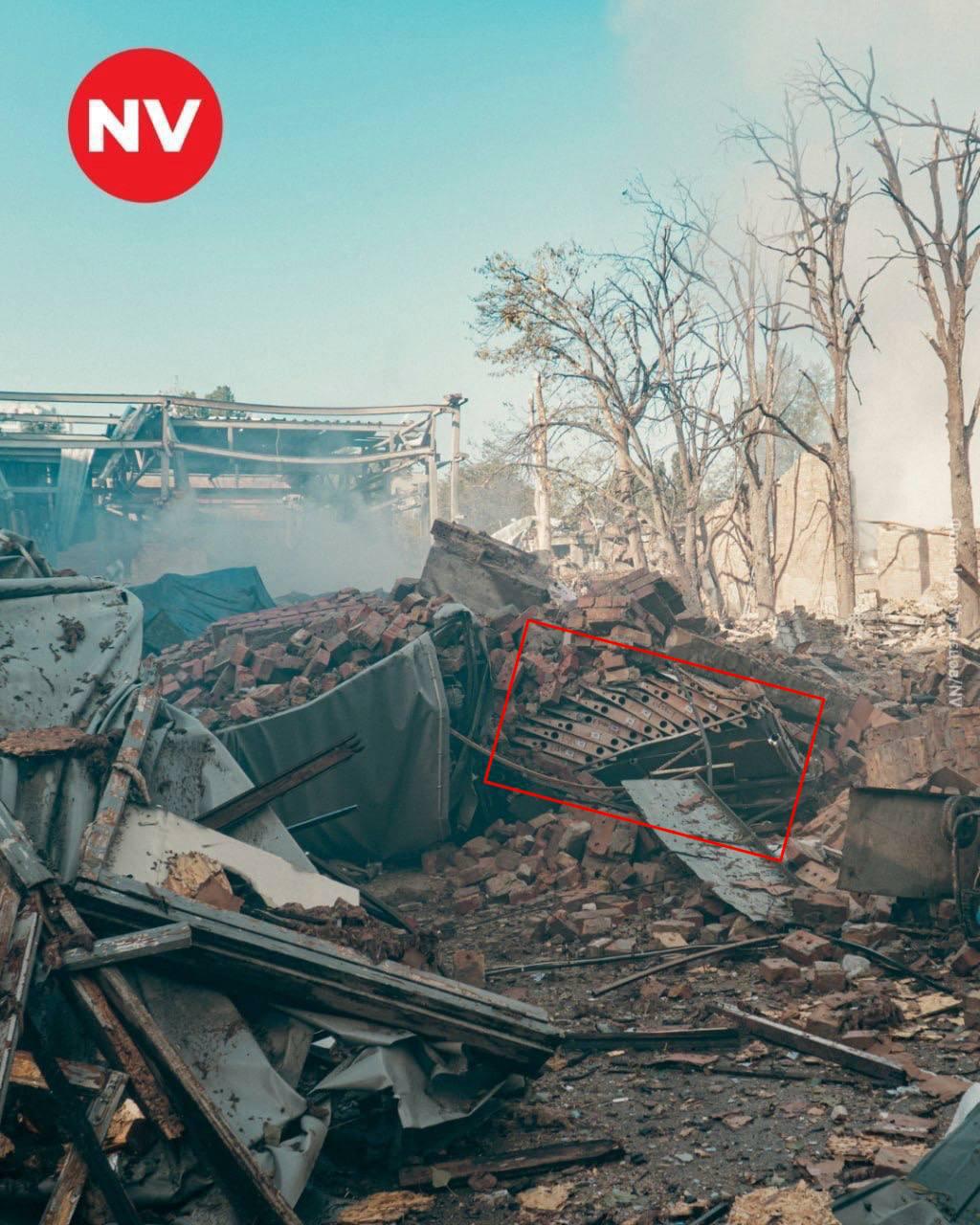
Later that morning, Russian forces struck the Dovzhenko Film Studio in Kyiv, claiming the site was being used to assemble Ukrainian drones. The Russian Ministry of Defense announced the strike via its official channels, stating,
"The strike on the Dovzhenko Film Studio was carried out because Ukrainian drones were being assembled there."Ukrainian media later released photographs of the damaged building, confirming structural damage but not revealing the alleged drone components. No casualties were reported, and the incident highlights the ongoing information war surrounding the use of civilian facilities for military purposes.
In a separate development, President Volodymyr Zelensky visited a UNESCO‑listed monastery in Kyiv that had been damaged by a Russian missile strike earlier in the week. Speaking from the ruined site, Zelensky offered President Vladimir Putin a direct meeting at the upcoming G7 summit in France or in the United States, stating,
"I have offered President Putin a meeting at the G7 summit in France or in the United States."The offer, reported by the Jerusalem Post, reflects Kyiv’s diplomatic push to open a high‑level dialogue despite the intensifying kinetic conflict.
West Bank: Israeli Commando Operations Target Weapon Production
In the Samaria region of the occupied West Bank, Israeli Yahalom commandos conducted a coordinated raid on the Blata camp and the Ras al‑Ain area. According to the Israeli channel idkunim_il, the operation destroyed eighteen clandestine weapons‑production sites used by militant groups. The raid, described as a pre‑emptive measure to disrupt the flow of arms to Palestinian factions, involved ground forces and specialized demolition teams. No civilian casualties were reported, and Israeli officials emphasized the precision of the operation.
The targeted sites were reportedly involved in the manufacture of improvised explosive devices and small‑arms components. The raid aligns with a broader Israeli security strategy aimed at curbing the capacity of armed groups in the West Bank, a policy that has drawn criticism from international human‑rights organizations for its impact on the local population.
Africa: Humanitarian Crisis Deepens in South Sudan’s Jonglei
In Jonglei State, South Sudan, government forces and opposition militias have been accused of burning homes and disabling hospitals, leading to widespread displacement. Al Jazeera reported that entire villages were set ablaze, forcing thousands to flee to neighboring counties. The destruction of medical facilities has left the civilian population without essential health services, exacerbating an already fragile humanitarian situation.
Both sides of the conflict deny responsibility, but satellite imagery and eyewitness accounts confirm extensive damage to residential structures and the partial demolition of a regional hospital. The United Nations has warned of a looming humanitarian catastrophe, urging all parties to respect civilian protection norms under international law.