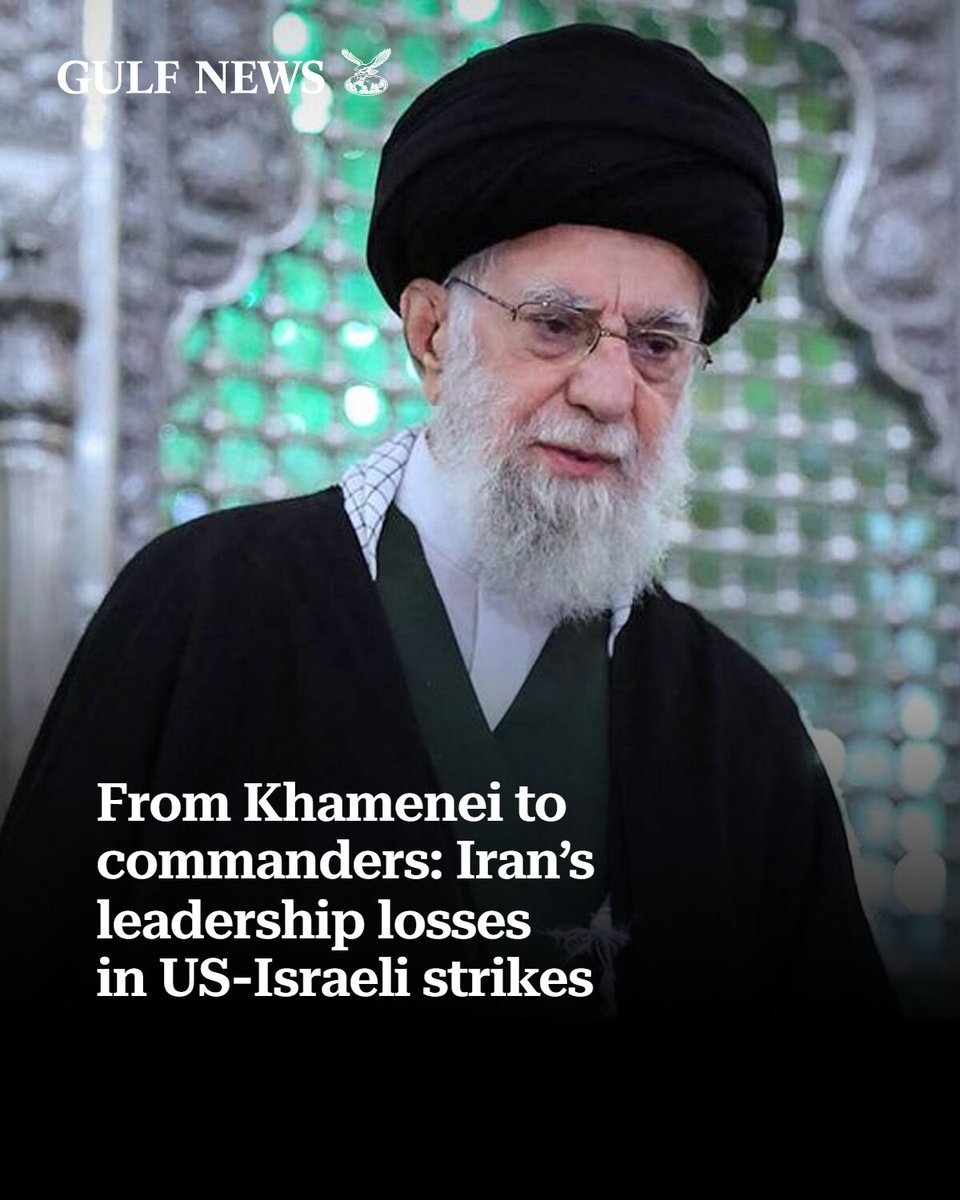
In the early hours of 15 June 2026, a coordinated strike in Tehran eliminated Iran’s Supreme Leader Mojtaba Khamenei, senior parliamentarian Ali Larijani, and several high‑ranking commanders of the Islamic Revolutionary Guard Corps (IRGC) and Basij militia. The operation, reported by the open‑source channel monitor_the_situation, represents the most consequential loss of leadership in the Islamic Republic since its 1979 revolution and is likely to reshape internal power calculations across Tehran.
Tehran Assassination
The strike occurred at approximately 05:22 local time in central Tehran, targeting a convoy that was transporting the three officials to a government briefing. All three were killed; no injuries were reported among nearby civilians. The perpetrators were not identified in the initial release, and the channel did not specify the weapon used, describing the event simply as a “strike”. The source posted a single photograph of the aftermath and linked to the original Telegram post: https://t.me/monitor_the_situation/21483.
"A strike in Tehran killed Iran’s Supreme Leader Mojtaba Khamenei, Ali Larijani and senior IRGC and Basij commanders, effectively decapitating the regime’s leadership."The loss includes the head of the Supreme Leader’s Office, the former speaker of Parliament, and at least three senior IRGC commanders, undermining the command hierarchy of both the regular army and the paramilitary Basij forces.
Hezbollah UAV Campaign in Southern Lebanon
Within minutes of the Tehran attack, Hezbollah released a series of videos documenting a rapid escalation of unmanned‑aerial‑system (UAS) operations against Israeli Defense Forces (IDF) positions along the Lebanese‑Israeli border. The first video, timestamped 05:15, shows a kamikaze drone launched from near Naqoura, a coastal town in South Lebanon, striking an IDF outpost. The second clip, recorded at 05:12, depicts an FPV (first‑person‑view) drone impacting an Israeli position in Al‑Bayada, a village a few kilometres inland from the border. A third recording, dated 04:57, captures an FPV drone striking a Merkava main battle tank near Beaufort Castle in the Nabatieh Governorate. All three videos were posted by monitor_the_situation on Telegram and include the following URLs: Naqoura video, Al‑Bayada video, Beaufort Castle video. No casualty figures were released, and Israeli officials have not confirmed damage, but the visual evidence confirms that Hezbollah possesses a functional inventory of low‑cost, commercially available drones capable of delivering kinetic payloads against armored and infantry targets.
Long‑Range Rocket Launch
At 04:51, Hezbollah also broadcast a video of a long‑range rocket launch aimed at Israeli positions in Dibbine, a settlement near the border. The rocket, described only as “long‑range”, was fired from a concealed launch site in southern Lebanon and landed within the Israeli‑controlled sector, though impact assessments remain unavailable. The clip, posted by the same monitoring channel, is linked here: Dibbine rocket video. The coordinated timing of the UAV strikes and the rocket launch suggests a deliberate effort by Hezbollah to exploit the regional shock created by the Tehran assassination and to pressure Israel into a defensive posture.
Kurdish Al Qaeda Affiliate Emerges in Iranian Kurdistan
In a separate development unrelated to the Lebanese front, the BellumActaNews channel reported on 03:28 that the “Saladin Brigades”, a Kurdish affiliate of Al Qaeda formerly based in Pakistan’s tribal areas, has surfaced in Iranian Kurdistan. The group announced intentions to march on several Kurdish‑populated cities in Iran, including Baneh, Saqqez, Sardasht, Mahabad and Sanandaj. No armed engagement has yet been recorded, and the report contains a single video of the group’s statement: BellumActaNews video. The emergence of a trans‑national jihadist outfit in Iran adds a new layer of instability to a country already reeling from the loss of its top leadership.
Implications for Regional Security
The convergence of three distinct security shocks on a single day underscores the volatility of the Middle East’s security environment. The Tehran assassination removes the central figure of Iran’s theocratic hierarchy, potentially opening a power vacuum that could be contested by hard‑liners within the IRGC, reformist elements, or external actors seeking influence. Hezbollah’s synchronized UAV and rocket attacks demonstrate an operational tempo that leverages low‑cost technology to challenge Israel’s border defenses, while also signaling solidarity with Iran amid its internal crisis. Finally, the Saladin Brigades’ appearance in Iranian Kurdistan raises the prospect of a new insurgent front that could draw Iranian security forces away from the western front and complicate Tehran’s response to the leadership loss.