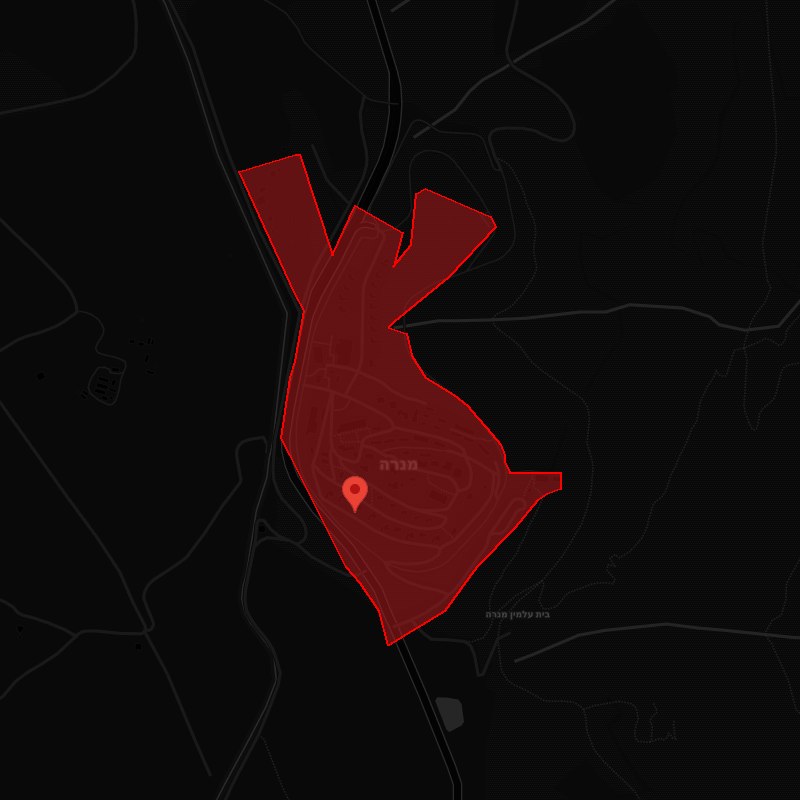
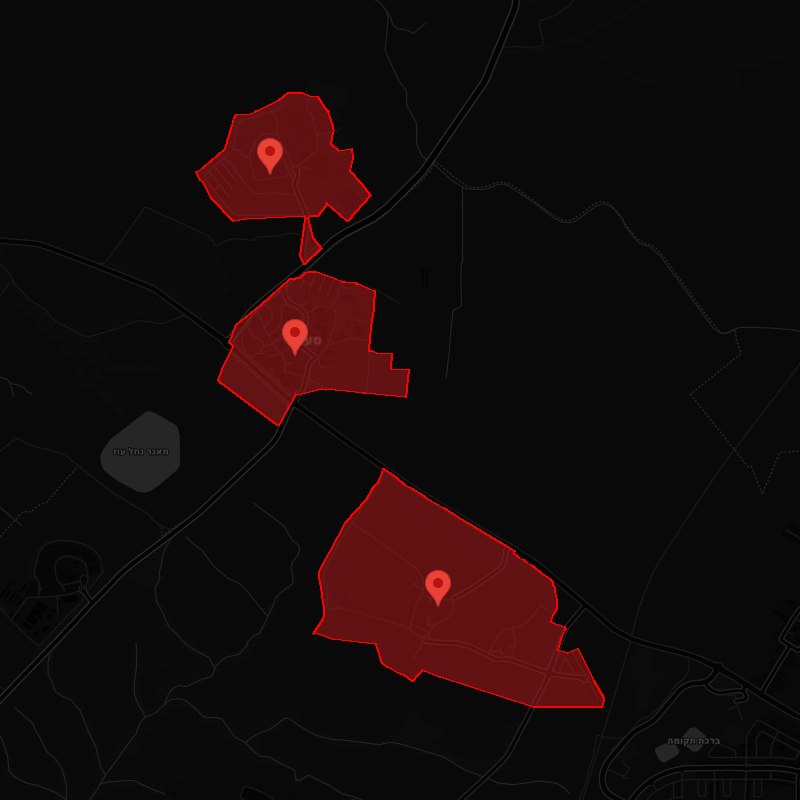
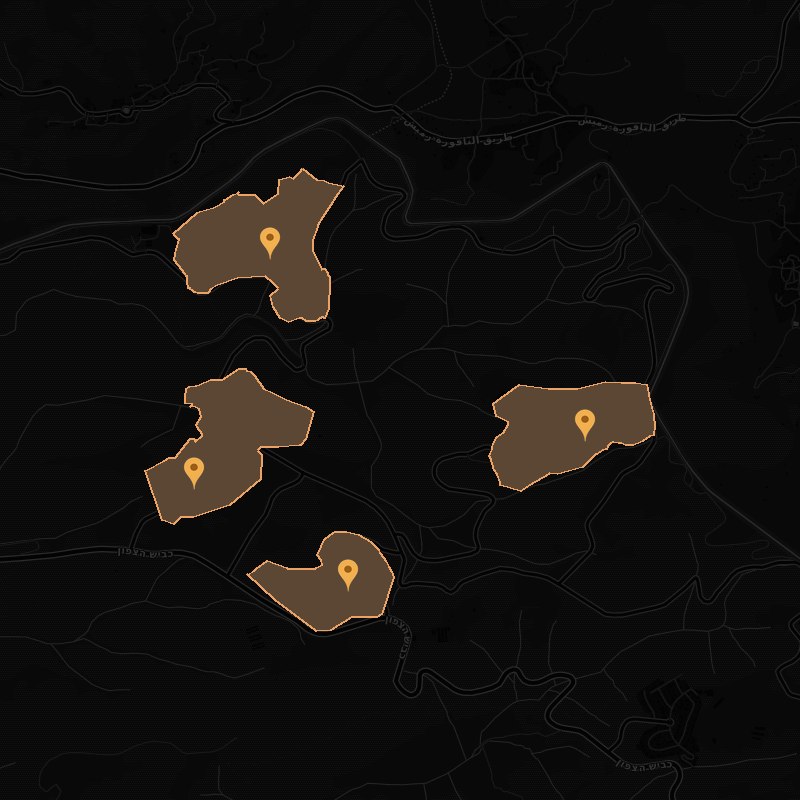
On 14 June 2026 a series of high‑severity rocket alerts were issued across Israel, marking the most significant kinetic developments recorded for the day. At 15:55:30 local time, RocketAlert reported a rocket/missile alert covering the Manara confrontation line, citing a notification posted on RocketAlert.live. The alert, which included a photo of the launch area, did not specify the weapon type or responsible organization, but it was classified under the Israeli theater.
Rocket Alerts in Israel
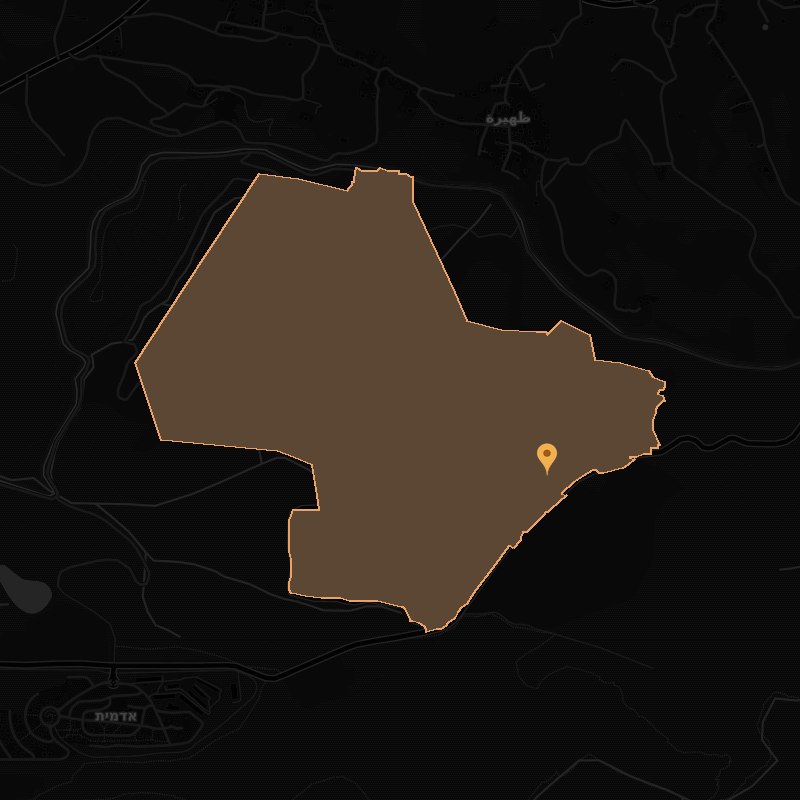
Two additional high‑severity alerts were logged earlier in the day. At 12:55:55, a RocketAlert notice identified a rocket/missile event affecting the Gaza envelope, specifically the settlements of Zimrat, Shuva, Kfar Azza, and Sa'ad. The source provided a single photograph but no casualty figures or weapon details. Earlier still, at 13:49:56, GeoPWatch relayed a report from Israeli Channel 14 indicating that Israeli authorities now assess Iran is preparing to launch a missile toward Israel. The assessment, conveyed via a Telegram post (https://t.me/GeoPWatch/36351), referenced a missile threat but did not confirm a launch.
"Israeli Channel 14 reports that the assessment in Israel now is that Iran will carry out a missile launch from its territory toward Israel." – GeoPWatch
These alerts collectively illustrate a heightened state of alert across Israel’s northern and southern fronts, though no direct engagements or casualties were reported in the available data.
UAV Activity and Interceptions
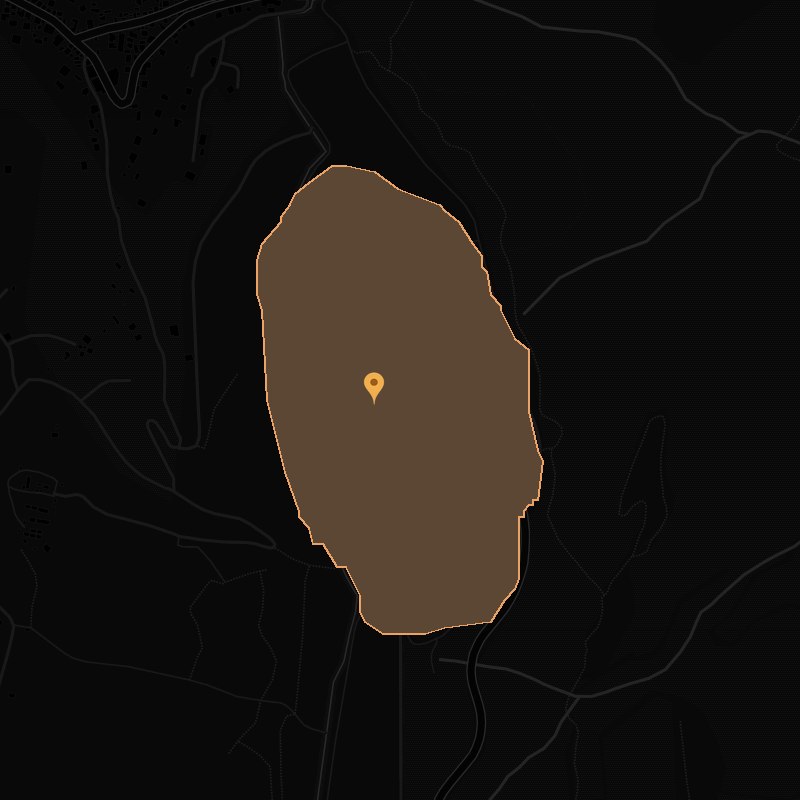
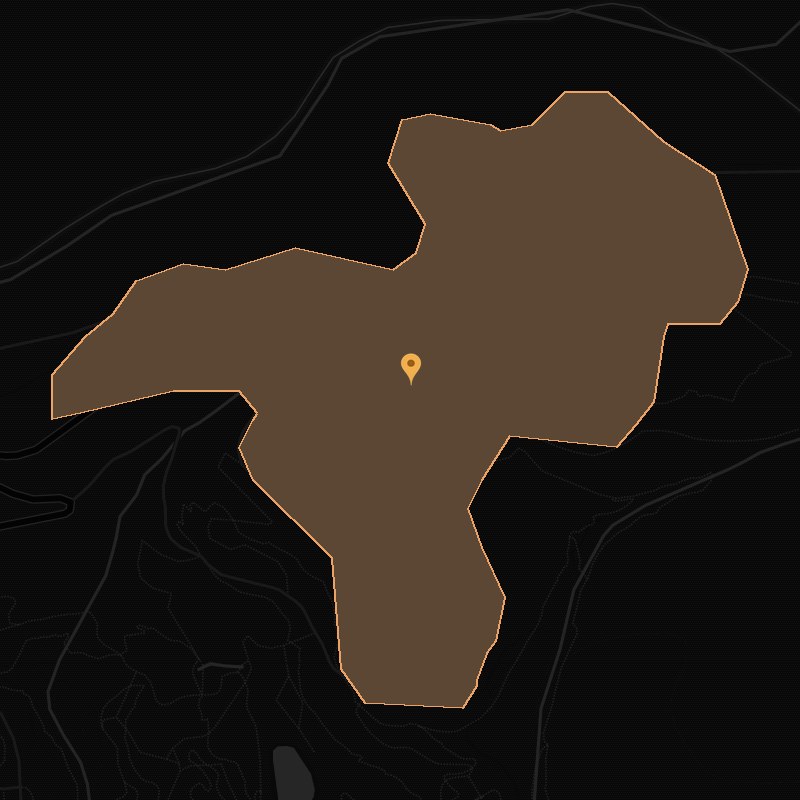
Medium‑severity hostile UAV alerts were recorded throughout the day, all sourced from RocketAlert. At 18:06:02, a hostile UAV was reported over the Arab al‑Aramshe line; at 15:44:18, another UAV was observed near Misgav Am; and at 15:06:29, a UAV activity was noted over Hanita. Each alert included a single photograph and no explicit weapon description, indicating the UAVs were likely unmanned aerial systems used for reconnaissance or intimidation.
In response to aerial threats, Israel launched at least four interceptor missiles at 16:02:58, as reported by GeoPWatch (https://t.me/GeoPWatch/36365). The video accompanying the report showed the launch of the interceptors, though the target aircraft or missile was not identified.
Separately, a notable development involved Hezbollah’s first documented downing of an Israeli IAI Heron MALE UAV using an Iranian‑origin 358 missile. CIG_telegram reported the incident, stating that the drone was shot down a few days earlier, marking a new capability for the Lebanese militia (https://t.me/CIG_telegram/77631). The engagement involved Hezbollah, the Israeli Air Force, and Iranian‑supplied missile technology.
Naval Interception in the English Channel
Beyond the Middle Eastern theater, the United Kingdom intercepted a Russian ghost tanker in the English Channel, as announced by Prime Minister Keir Starmer and reported by rnintel (https://t.me/rnintel/62610). The operation, described as a “successful blow to Russia,” underscores the broader kinetic environment extending into European waters. No weapons were employed, and the interception was conducted by the United Kingdom Armed Forces.
Ukrainian Drone Strikes on Russian Energy Infrastructure
In the eastern European front, Ukrainian forces continued their campaign against Russian energy assets. At 07:43:59, monitor_the_situation reported Ukrainian kamikaze drones striking an oil refinery in the Yaroslavl region, approximately 750 km from the Ukrainian border. The attack was documented with video evidence (https://t.me/monitor_the_situation/21346). Earlier, at 07:28:20, a refinery in Kazan, Tatarstan, suffered damage from an unspecified attack, also attributed to Ukrainian operations (https://t.me/monitor_the_situation/21337).
Further, intelslava reported a drone strike that set fire to the “Tem” oil depot in Rybinsk, Yaroslavl region, with the governor confirming the incident (https://t.me/intelslava/88932). The strike involved a single drone and resulted in a fuel storage fire, highlighting the vulnerability of Russian energy logistics to aerial attacks.
Across all reported events, no casualty figures were disclosed, and the weapons employed ranged from rockets and missiles to interceptor missiles, UAVs, and drones. The incidents reflect a pattern of kinetic activity that spans conventional state actors, non‑state militias, and proxy forces, with implications for regional security dynamics.