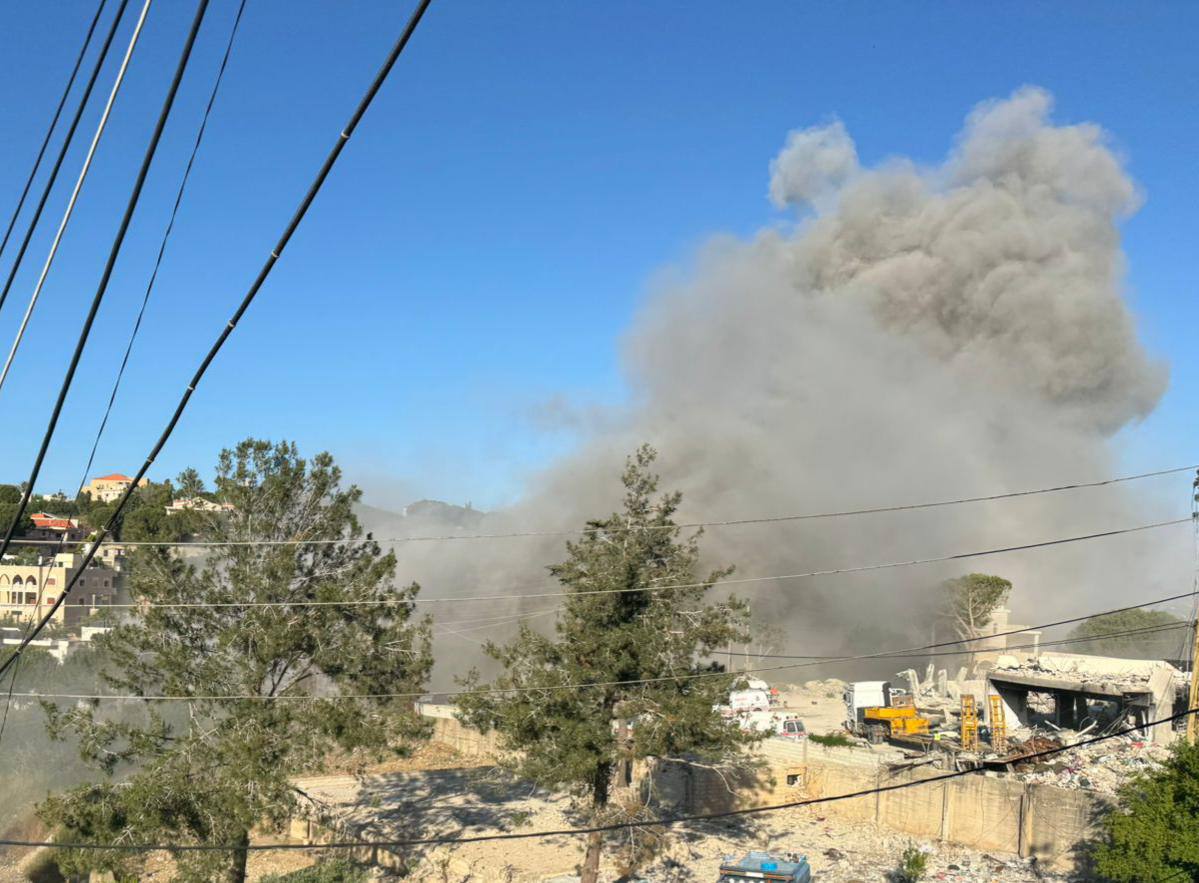
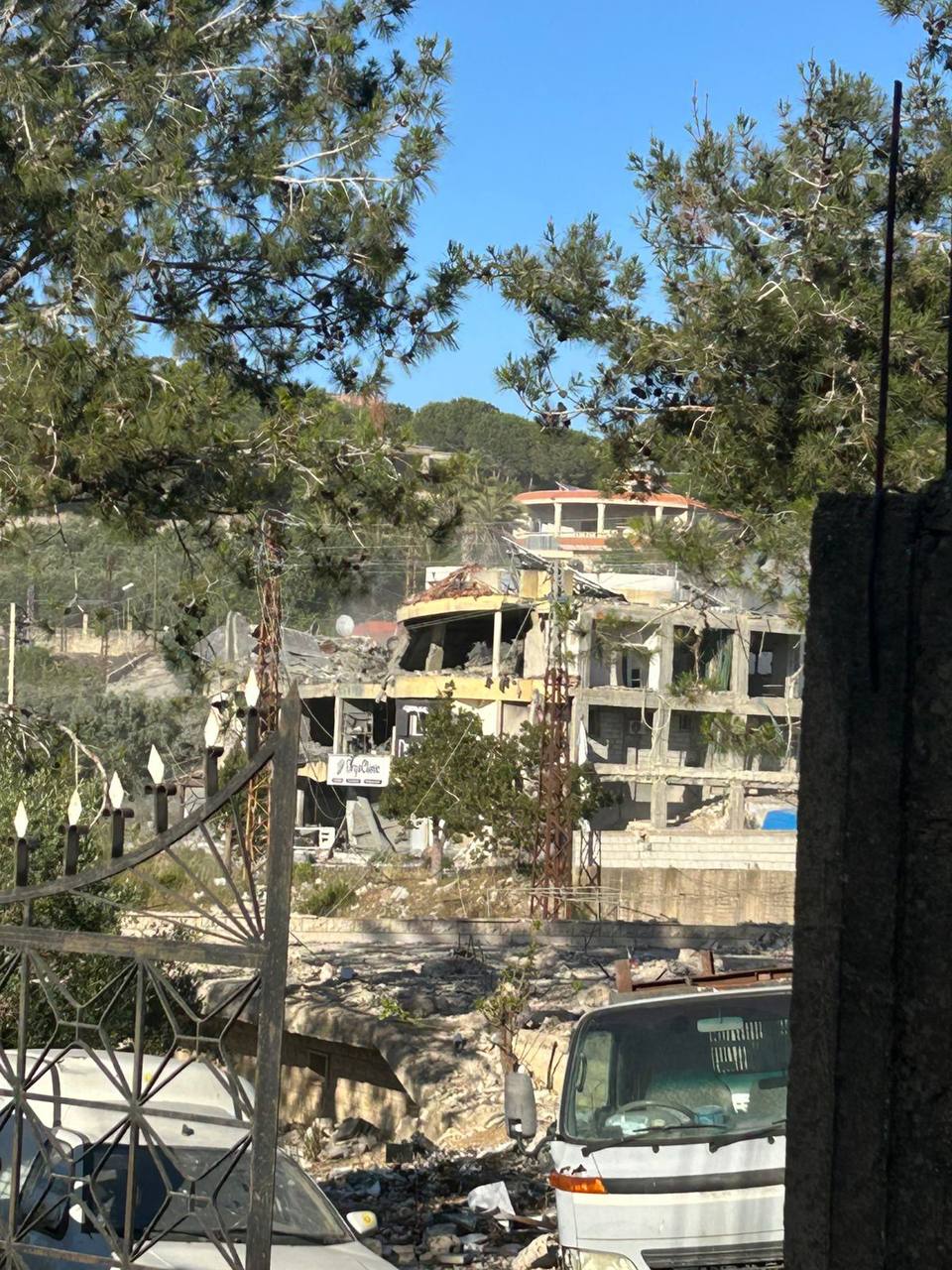
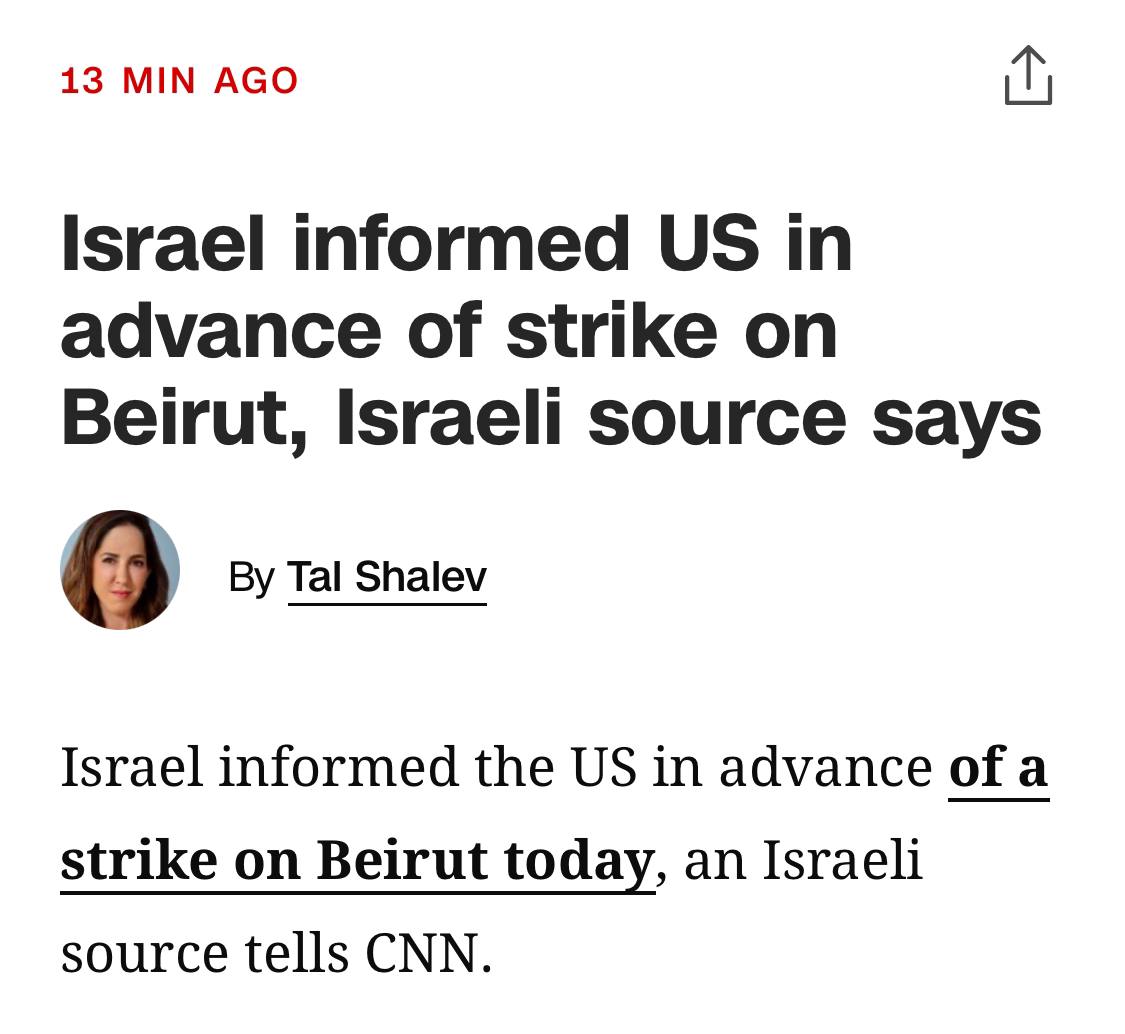
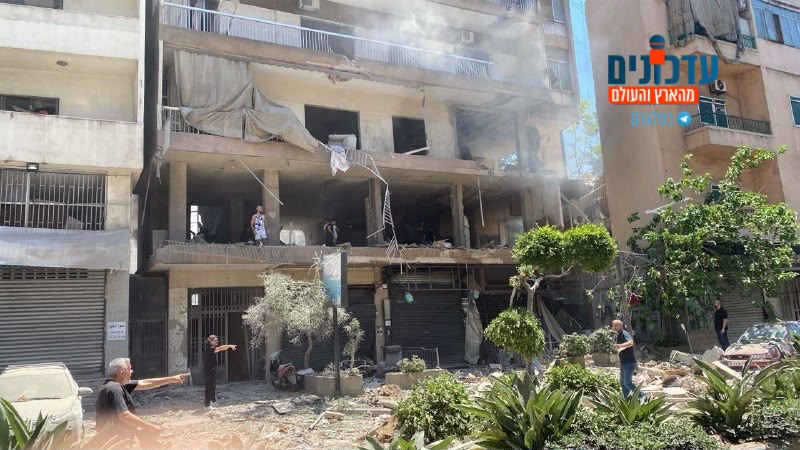
On 14 June 2026 a series of high‑intensity kinetic events unfolded across Lebanon, the most lethal of which was an Israeli airstrike on the Ghobeiry district of Beirut. The strike targeted an apartment block in the Shia‑majority Dahye suburbs, killing three civilians and wounding fifteen others, according to local health officials and confirmed by the monitoring outlet BellumActaNews. The attack followed a volley of Israeli strikes earlier in the day on the southern suburbs of Beirut and the Dahieh district. The operation was described by Israeli officials as a retaliation for recent Hezbollah fire from northern Israel.
Airstrikes in Beirut
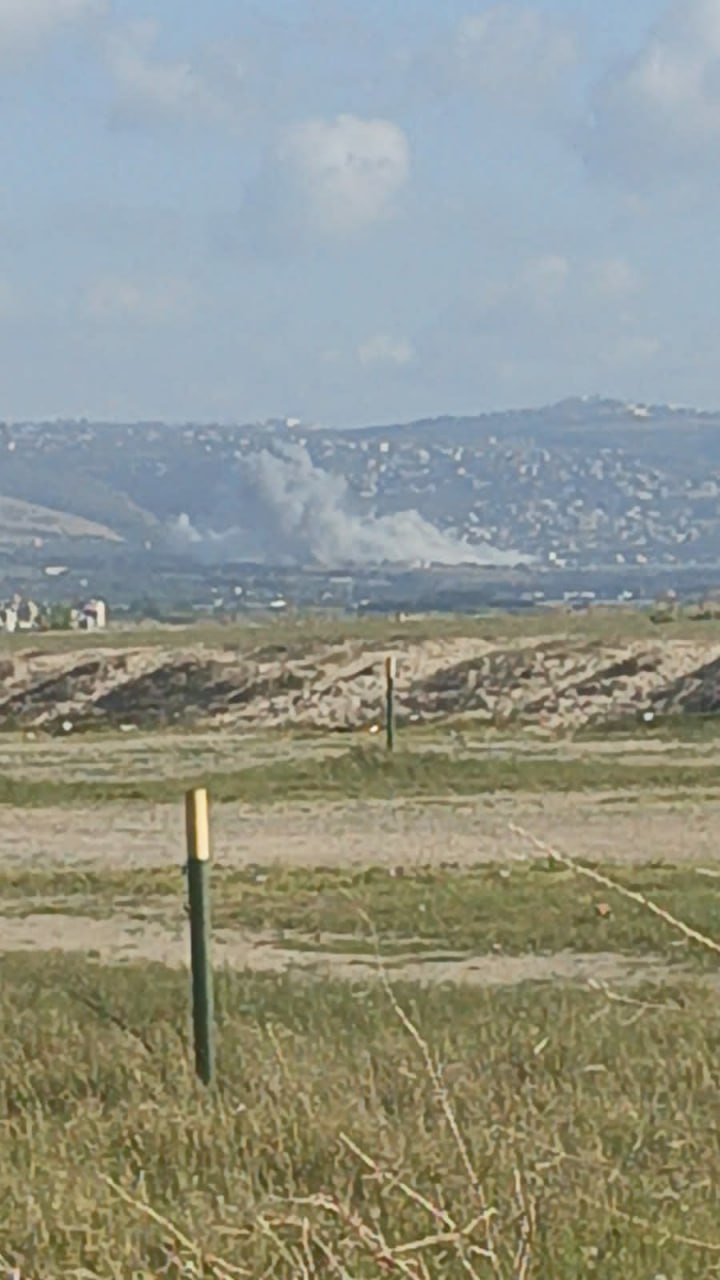
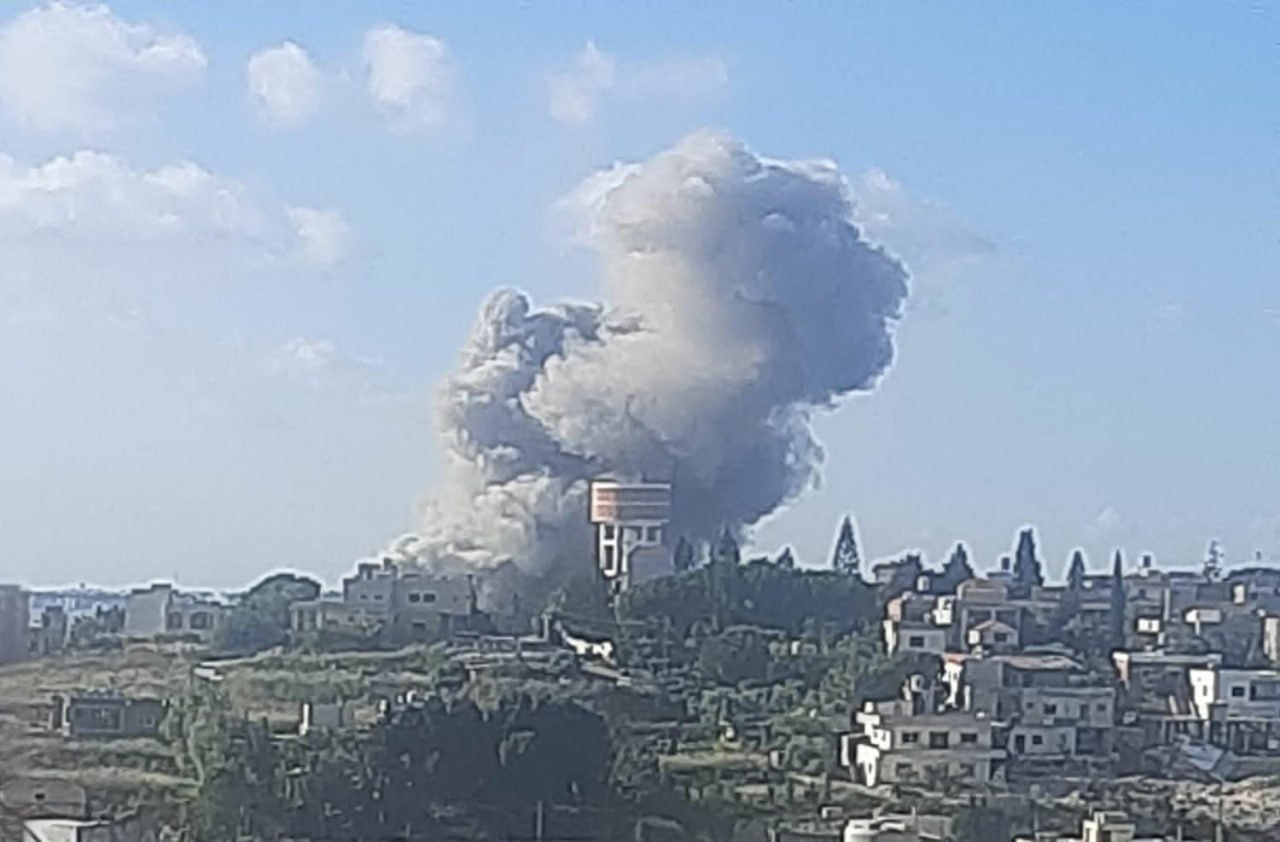
Between 10:30 GMT and 17:30 GMT the Israeli Air Force conducted at least eight separate strikes in and around Beirut. Sources from Channel 12, GeoPWatch and the Israeli Army Radio reported that two fighter jets dropped four precision‑guided munitions on the Dahieh district, while separate strikes hit the southern suburbs, Ghobeiry and the Da'achiyah neighbourhood. The Israeli Ministry of Health, cited by the Lebanese Ministry of Health, recorded three fatalities and fifteen injuries in Ghobeiry, three killed and six injured in Dahieh, and at least one death in the Da'achiyah area.
"Israel will not tolerate any fire on its territory. For every drone there will be a missile," Israeli Minister Itamar Ben‑Gvir said in a televised statement on 14 June.
Hezbollah Rocket and Drone Attacks
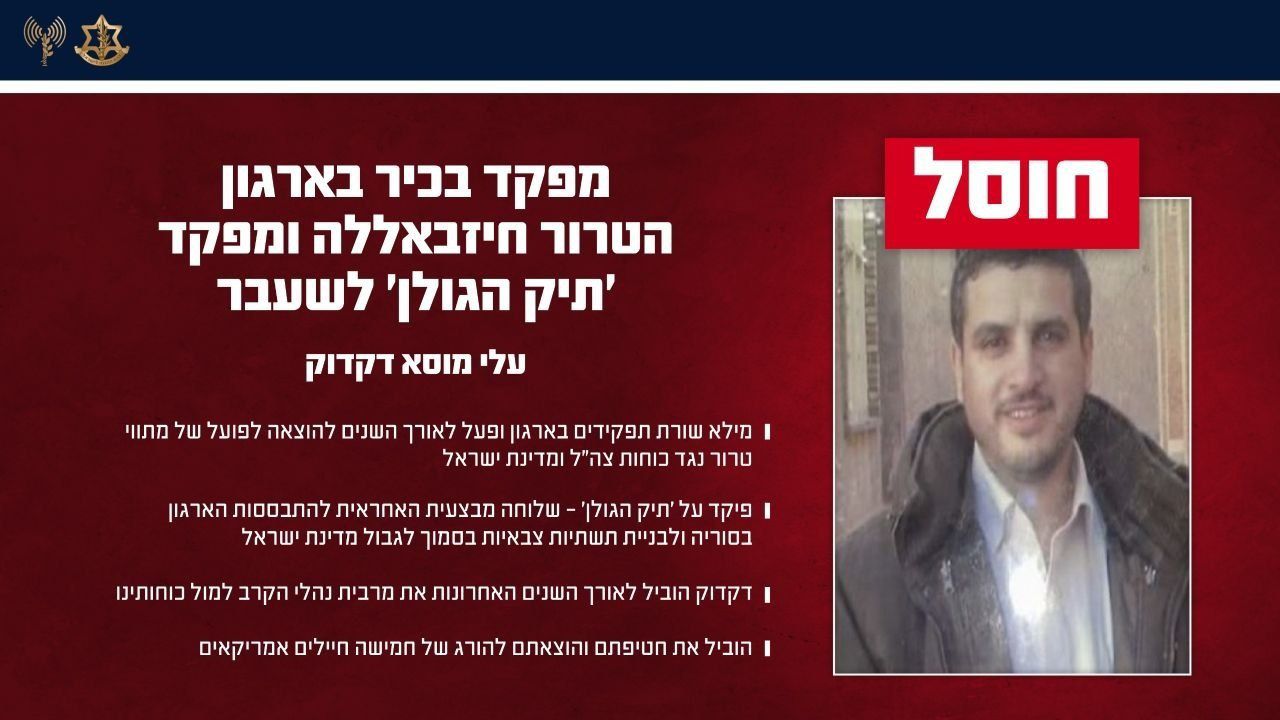
Hezbollah responded with a volley of rockets aimed at Israeli positions in southern Lebanon, as reported by the monitor_the_situation channel. The rockets caused no reported Israeli casualties but were intended as a direct retaliation for the Beirut strikes. In the same timeframe Hezbollah deployed a first‑person‑view (FPV) drone against Israeli soldiers near Zawtar El Sharqiyeh, injuring two Israeli soldiers with light and medium weapons, according to the same source. Earlier, a Hezbollah communications unit commander was killed in an attack in Beirut, a development reported by idkunim_il, underscoring the heightened targeting of senior Hezbollah operatives.
Israeli Ground Operations
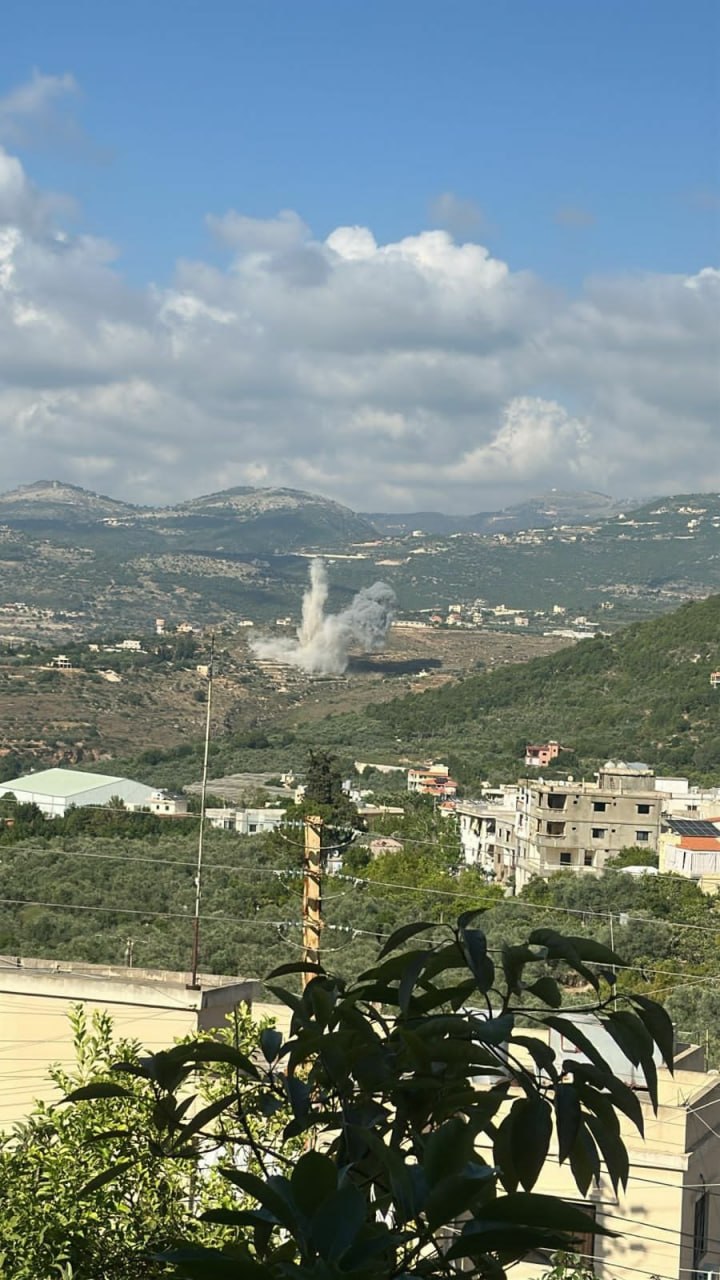
Beyond aerial strikes, the Israeli Defense Forces (IDF) expanded a limited ground offensive in southern Lebanon. According to CIG_telegram, IDF units moved into the villages of Kfar Tebnit and Majdal Zoun, where Hezbollah forces reported clashes and claimed hits on two Israeli vehicles using a mix of small arms, anti‑tank guided missiles and improvised explosive devices. Two IDF soldiers were wounded by Hezbollah fire in southern Lebanon, as reported by intelslava, marking the first confirmed Israeli ground casualties of the day.
Casualty Overview
The Lebanese Ministry of Health, cited by multiple Telegram channels, confirmed a total of at least seven civilian deaths and more than thirty injuries across the capital’s districts. Specific tallies include three dead and fifteen injured in Ghobeiry, three dead and six injured in Dahieh, one dead in Da'achiyah, and an additional civilian killed in an unspecified location reported by idkunim_il. Israeli sources reported no Israeli fatalities, though two soldiers sustained wounds. Hezbollah reported no fatalities among its ranks, but the death of a communications commander suggests targeted Israeli strikes on senior Hezbollah personnel.
Strategic Implications
The concentration of kinetic activity in Beirut marks a shift from the traditional cross‑border artillery exchanges that have dominated the Israel‑Hezbollah front since 2006. Israeli officials indicated the strikes were calibrated to avoid provoking a direct Iranian ballistic missile response, yet Channel 12 warned that Tehran could retaliate if Israeli strikes continue. The simultaneous use of precision munitions, drones and ground incursions demonstrates an integrated Israeli approach aimed at degrading Hezbollah’s command‑and‑control infrastructure while limiting civilian exposure. Hezbollah’s rocket and drone responses, however, illustrate its willingness to sustain a reciprocal escalation, keeping the border volatile.