In the early hours of 14 June 2026, an Israeli airstrike in the southern Gaza Strip killed two civilians and wounded another, according to Palestinian authorities cited by Al Jazeera. The strike, reported at 01:11 UTC, highlights the broader intensity of the Israel‑Palestine conflict, even as parallel hostilities flare along Israel’s northern frontier.
"An Israeli strike on southern Gaza has killed two people and injured another, according to Palestinian authorities." – Al Jazeera, 14 June 2026
While the Gaza incident dominates headlines, a series of coordinated actions by Hezbollah against Israeli targets in Lebanon and northern Israel illustrate a parallel escalation. Over the same day, Hezbollah employed both unmanned aerial systems and an anti‑tank guided missile (ATGM) in a pattern of cross‑border aggression that reflects its expanding tactical repertoire.
Hezbollah Drone Incursions Across the Border
At 00:17 UTC, Hezbollah announced a drone strike on an Israeli military position in southern Lebanon. The claim, posted on the Telegram channel monitor_the_situation, was accompanied by video footage of a UAV approaching the target before detonating. No casualties were reported, but the incident underscores Hezbollah’s intent to project power beyond conventional artillery.
"Hezbollah announced a drone strike targeting an Israeli military position in southern Lebanon, continuing cross‑border hostilities." – monitor_the_situation, 14 June 2026
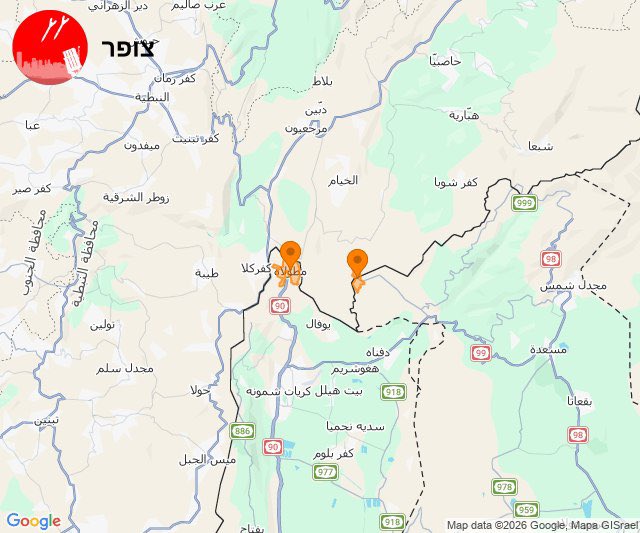
Later, at 00:04 UTC, air‑raid sirens sounded in northern Israeli towns near the Lebanon border after a suspected drone infiltration. The alert, also reported by monitor_the_situation, prompted civilian evacuations and highlighted the psychological impact of low‑altitude UAV threats.
"🟡 Drone Alert Sirens Sound in Northern Israel Near Lebanon Border" – monitor_the_situation, 14 June 2026
At 05:57 UTC, two Hezbollah‑operated drones crossed into Israeli territory and detonated without causing injuries, as documented by the Telegram channel idkunim_il. Video evidence shows the UAVs entering Israeli airspace, exploding over an unspecified location, and the channel confirmed the lack of casualties.
"Hezbollah launched two drones a short time ago that crossed the border and exploded in Israeli territory. No casualties." – idkunim_il, 14 June 2026
Anti‑Tank Guided Missile Attack in Majdal Zoun
In a separate engagement, Hezbollah fighters clashed with Israel Defense Forces (IDF) units in the Lebanese village of Majdal Zoun at 00:47 UTC. Footage released by the intelligence outlet intelslava appears to show an IDF vehicle struck by a Hezbollah‑supplied ATGM, likely a Russian‑made Kornet or similar system. While the exact casualty count remains unverified, the visual evidence suggests at least one vehicle was disabled, marking a notable escalation in ground‑level firepower.
"Footage from earlier tonight showing clashes between Hezbollah fighters and IDF forces in Majdal Zoun, southern Lebanon. The video possibly shows an IDF vehicle being struck by a Hezbollah anti‑tank guided missile (ATGM)." – intelslava, 14 June 2026
Operational Context and Tactical Shifts
Hezbollah’s simultaneous use of UAVs and ATGMs reflects a doctrinal shift toward combined‑arms tactics. Drones provide real‑time reconnaissance and the ability to strike high‑value targets with minimal risk to personnel, while ATGMs enable the group to threaten armored formations that traditionally dominate the battlefield. The coordinated timing of these attacks—spanning from pre‑dawn to early morning—suggests a deliberate effort to stretch Israeli defensive resources across multiple domains.
Israeli military statements have not yet detailed a comprehensive response, but the activation of sirens in northern towns indicates heightened alertness. The IDF’s standard counter‑UAV measures, including electronic warfare and rapid‑response interceptor units, have so far prevented civilian harm, though the psychological effect of repeated alerts cannot be discounted.
Regional Implications
The juxtaposition of the Gaza airstrike and Hezbollah’s northern operations illustrates the multi‑theater nature of the current conflict. While Israel concentrates air power against Hamas in Gaza, it must also allocate assets to monitor and counter Hezbollah’s evolving capabilities along the Lebanese frontier. The presence of sophisticated ATGMs and the increasing reliability of Hezbollah‑operated drones raise the risk of a broader escalation that could draw additional regional actors into the fray.
Analysts note that Hezbollah’s access to Iranian‑supplied weaponry, including drones and anti‑tank missiles, has matured over the past decade. The current incidents demonstrate not only possession but also operational proficiency, as the group successfully executed cross‑border incursions without sustaining losses.
Conclusion
June 14 2026 marks a day of intensified hostilities on two fronts: a lethal Israeli airstrike in Gaza and a series of coordinated Hezbollah attacks employing drones and an ATGM against Israeli forces near the Lebanon border. The events underscore the expanding complexity of the conflict, where aerial, ground, and psychological warfare intersect. Continued monitoring of Hezbollah’s drone deployments and missile capabilities will be essential for assessing future escalation risks and informing Israeli defensive postures.