On June 14, 2026, Israel’s northern towns experienced a surge of kinetic events that heightened security alerts across the region. The most significant development was the activation of rocket alerts in Kiryat Shmona and the nearby community of Manara at 15:56:22, as reported by GeoPWatch. The alerts were triggered by inbound rocket fire, prompting civil defense sirens and the rapid deployment of the Iron Dome system. While no casualties were confirmed in the immediate aftermath, the incident underscores the persistent threat posed by Hezbollah‑affiliated launch sites in southern Lebanon.
Hezbollah Rocket Launches Target Northern Israel
Two separate rocket attacks were documented in the morning hours. At 15:06:36, monitor_the_situation reported that Hezbollah fired a new salvo of rockets toward northern Israel, a move that escalated cross‑border hostilities. Shortly thereafter, at 15:21:14, rnintel confirmed that additional Hezbollah projectiles landed in Israeli territory just south of the Lebanon border. Both incidents were attributed to the Lebanese militant group and were intercepted, in part, by Israel’s air‑defense network. The weapons involved were standard unguided rockets, consistent with previous Hezbollah tactics.
"Hezbollah launched new rockets at northern Israel, raising cross‑border tensions," – monitor_the_situation, 15:06:36.
These attacks prompted the Israel Defense Forces (IDF) to issue public statements emphasizing readiness and the activation of defensive measures along the northern frontier.
Drone‑Related Hostile Activity and Alerts
Drone threats were a recurring theme throughout the day. At 12:44:51, GeoPWatch activated drone alerts in Misgav Am, a strategic settlement in the Galilee Panhandle. A similar alert was issued for Idmit and Hanita at 12:07:21, also by GeoPWatch. The IDF reported at 15:02:41 that several suspected aerial targets fell in northern Israel near the Lebanon border, though no injuries were recorded. These incidents suggest a pattern of low‑altitude unmanned systems being employed to test Israeli air‑defense responses.
"A short time ago, several suspected aerial targets were detected falling in the territory of Israel, near the border with Lebanon. No casualties and the incident is under investigation," – IDF statement, 15:02:41.
In the border town of Margaliot, a hostile drone exploded, injuring an Israeli soldier. The incident, reported by monitor_the_situation at 15:42:49, marks the first confirmed casualty from a drone explosion on the day. The soldier sustained non‑life‑threatening injuries and received immediate medical care.
Interception Over Kiryat Shmona
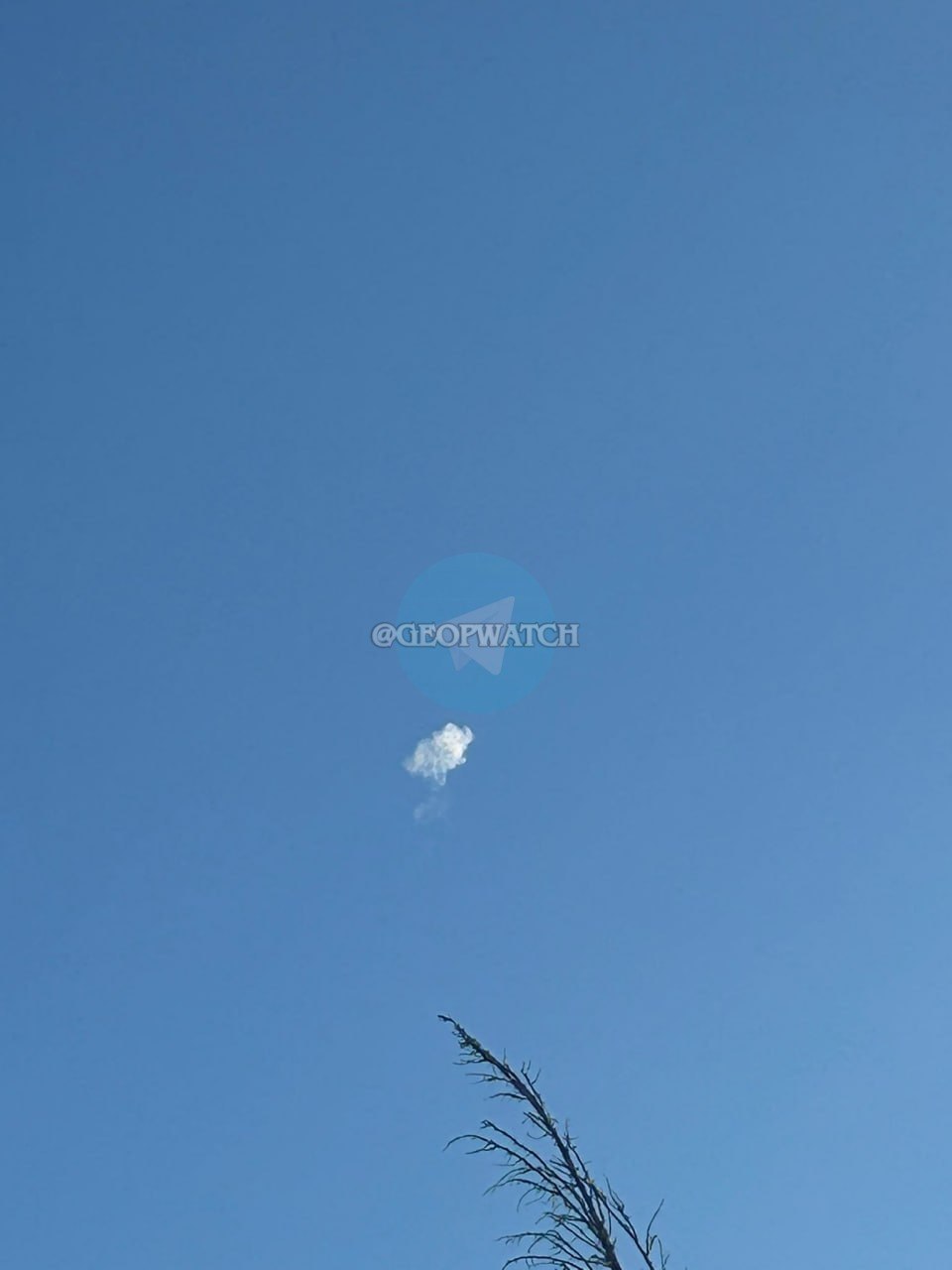
At 16:01:33, GeoPWatch documented an interception over Kiryat Shmona. Photographic evidence showed an interceptor missile engaging an incoming projectile, likely a rocket, shortly after the earlier alert. While the exact nature of the intercepted object was not disclosed, the successful engagement demonstrates the operational effectiveness of Israel’s layered air‑defense architecture, which includes the Iron Dome, David’s Sling, and Arrow systems.
"An interception was observed over Kiryat Shmona, Israel," – GeoPWatch, 16:01:33.
Infiltration Reports and Border Security
In addition to aerial threats, a KTBM infiltration was reported at Israel’s northern border at 12:07:38, according to idkunim_il. The report did not specify the identity of the infiltrators or any resulting engagements, but it highlights ongoing concerns about ground‑level incursions in a region already strained by rocket and drone activity.
Overall Assessment
The concentration of kinetic events on June 14 reflects a coordinated escalation by hostile actors, primarily Hezbollah, leveraging both rocket artillery and unmanned aerial systems. Israel’s rapid activation of civil defense alerts, combined with multiple successful interceptions, indicates a high state of operational readiness. However, the injury to an Israeli soldier and the repeated activation of alerts across several northern communities suggest that the current defensive posture may be increasingly tested.
Continued monitoring of the northern border is essential, as the pattern of mixed‑weapon attacks—rockets, drones, and potential ground infiltrations—poses a complex threat environment. The IDF’s public communications emphasize vigilance and the capacity to neutralize threats, but the frequency of incidents underscores the need for sustained intelligence sharing and rapid response capabilities.