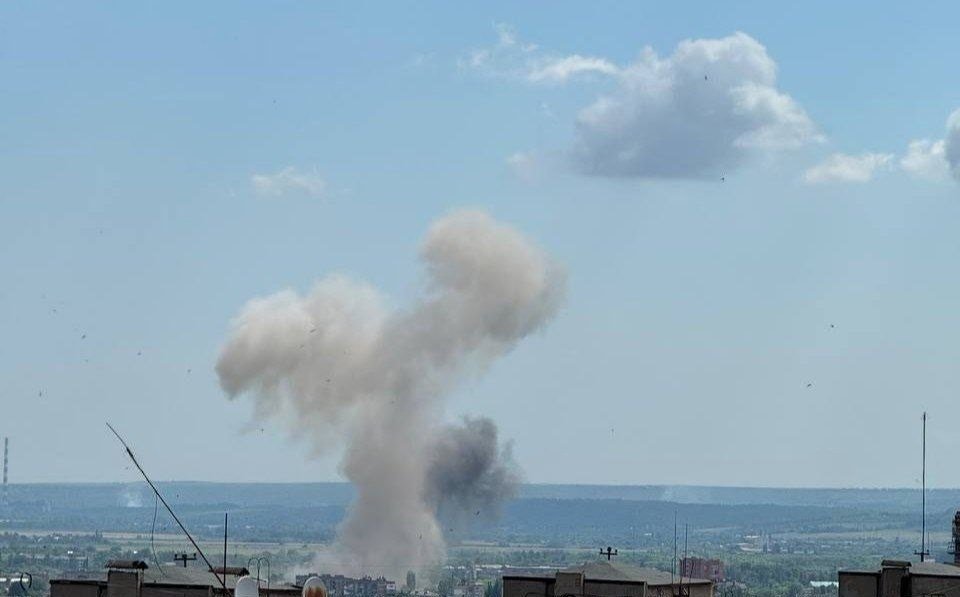
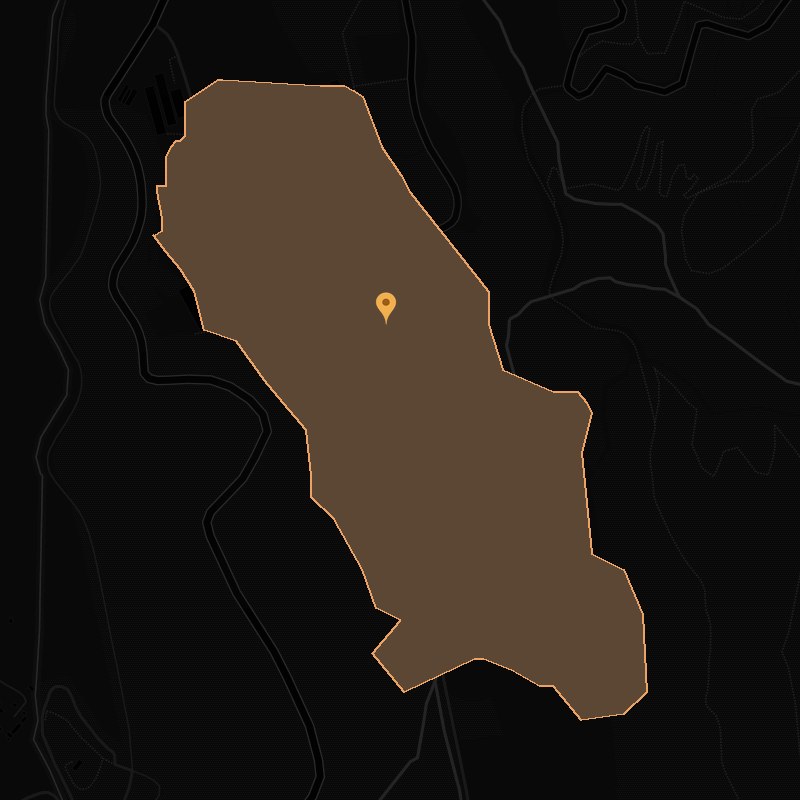
On June 13, 2026, Russian forces launched at least fourteen KAB glide bombs on the town of Vasylkivka in Dnipropetrovsk Oblast, igniting large fires and damaging civilian infrastructure. The attack, reported by Monitor the Situation, represents the most extensive glide‑bomb deployment recorded in Ukraine this year. No immediate casualty figures were released, but the scale of the ordnance and the resulting conflagrations indicate a significant escalation in kinetic activity.
Expanded Glide‑Bomb Campaign Across Multiple Oblasts
Within hours of the Vasylkivka strike, Russian forces employed similar weapons in other locations. In Shevchenkove, Kharkiv Oblast, KAB glide bombs ignited a fire detected by NASA FIRMS, confirming the use of precision‑guided munitions in densely populated areas (source). In Slovyansk, Donetsk Oblast, glide‑bomb explosions were reported, with casualties and damage still under assessment (source). These coordinated attacks demonstrate a pattern of high‑explosive glide‑bomb usage aimed at disrupting both military logistics and civilian morale.
UAV Strikes Target Critical Energy and Industrial Infrastructure
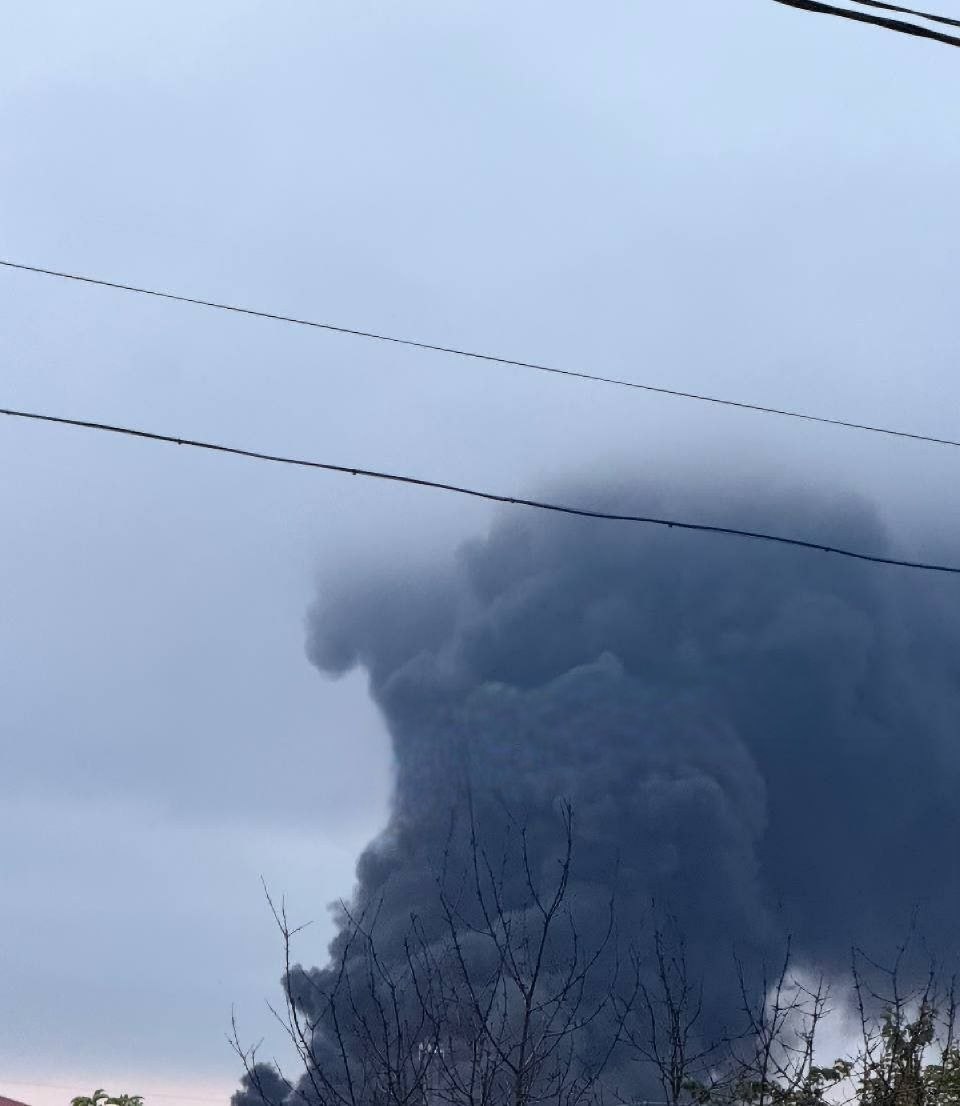
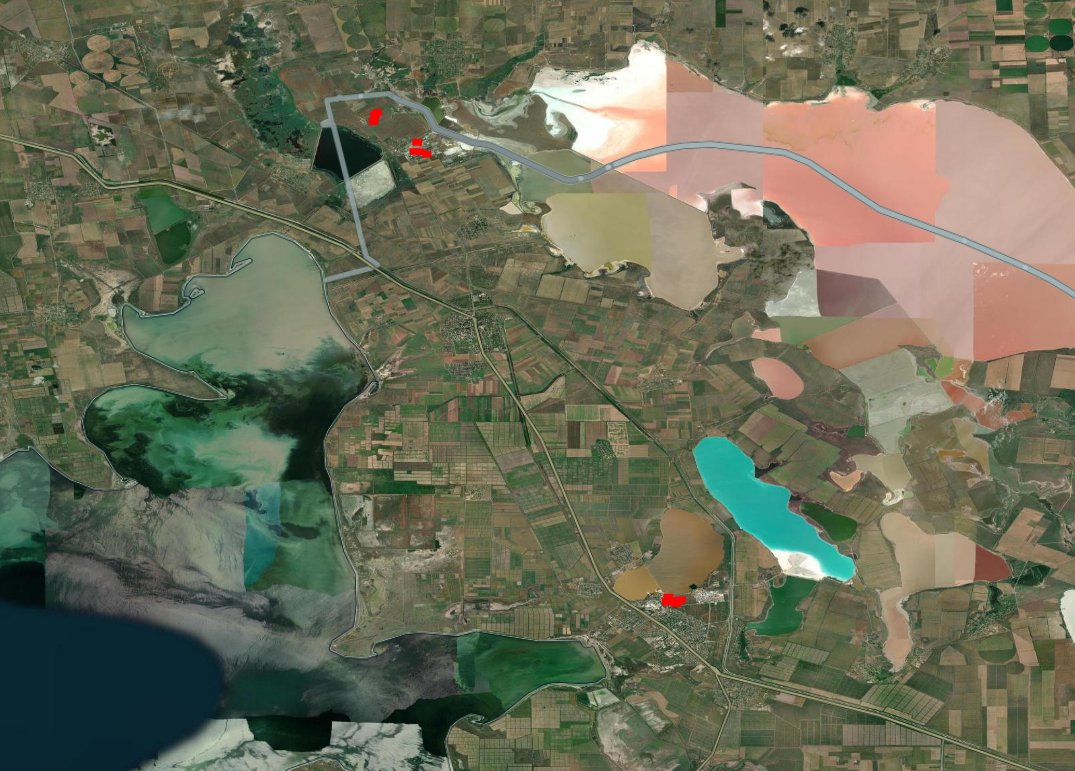
Ukrainian and Russian drone operations intensified on June 13. Russian Geran‑2 UAVs struck the Kryvyi Rih thermal power plant in Zelenodolsk, Dnipropetrovsk Oblast, damaging Ukraine’s energy grid (source). Conversely, Ukrainian drones attacked the Crimean Titan titanium‑dioxide plant in Armyansk, Crimea, causing a major fire and halting production (source). Additional UAV activity disrupted Russian supply routes: three fires were recorded on the Krasnoperekopsk‑Armyansk‑Chaplynka highway in occupied Kherson, likely the result of Ukrainian drones targeting the Crimea‑Kherson logistics corridor (source).
High‑Profile Drone Operations on the Crimean Peninsula
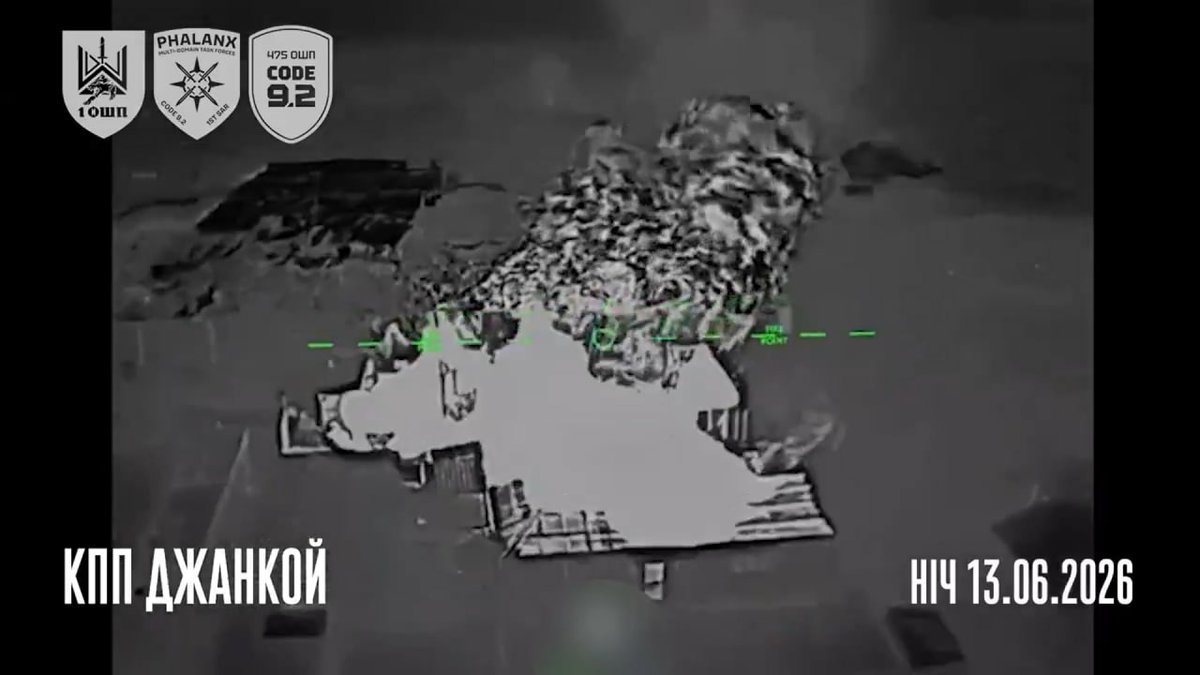
Ukrainian FP‑2 drones attacked the Dzhankoi border crossing and both pontoon and railway bridges on June 13, striking trucks and infrastructure critical to Russian supply lines (source). Earlier, Ukrainian UAVs were reported to be targeting fuel trucks and other military assets on Crimea’s main roads (source). These actions align with a broader Ukrainian strategy to impair Russian logistics across the peninsula.
Russian Aerial Threats to Strategic Bridges
Russian Su‑34 fighter jets were observed over the Black Sea, positioning to launch cruise missiles and guided bombs against the Zatoka Bridge in Odesa Oblast (source). While no strike was confirmed on the day, the presence of heavy aircraft underscores the ongoing risk to Ukraine’s critical transport arteries.
Ground Movements and Encirclement Threats
Russian forces threatened to encircle Kostiantynivka in Donetsk Oblast, a key node in the Donbas “fortress belt” (source). The maneuver, if realized, could further strain Ukrainian defensive lines and complicate humanitarian access.
Civilian Casualties Reach Four‑Year High
"The UN mission verified at least 274 civilian deaths and 1,763 injuries during the month, the highest monthly toll since 2022." – United Nations report (source)
The United Nations confirmed that June 2026 marks the deadliest month for Ukrainian civilians in four years, reflecting the cumulative impact of the kinetic events described above. The casualty figures encompass deaths and injuries from airstrikes, drone attacks, and artillery fire across multiple oblasts.
Summary of Recent Kinetic Activity
Across a 24‑hour period on June 13, the following kinetic events were documented:
- 14 KAB glide bombs on Vasylkivka (Dnipropetrovsk)
- Glide‑bomb strikes on Shevchenkove (Kharkiv) and Slovyansk (Donetsk)
- Russian Geran‑2 drone attack on Kryvyi Rih thermal plant
- Ukrainian drone strike on Crimean Titan plant (Armyansk)
- UAV‑induced fires on the Crimea‑Kherson supply corridor
- FP‑2 drone attacks on Dzhankoi border crossing and bridges
- Russian Su‑34 aircraft poised over Zatoka Bridge
- Threatened encirclement of Kostiantynivka
These actions collectively illustrate a marked escalation in the use of precision‑guided munitions and unmanned systems by both sides, with a clear focus on disrupting logistics, energy production, and transportation networks while inflicting civilian harm.