The United States military confirmed the interception and destruction of multiple Iranian attack drones over the Strait of Hormuz on 13 June 2026, marking a sharp escalation in Tehran‑Washington tensions. U.S. Central Command (CENTCOM) reported that the drones were one‑way attack platforms targeting commercial shipping, and that the engagement prevented potential casualties and disruption of a critical maritime corridor.
U.S. Intercepts Iranian Drones, President Issues Warning
According to a Reuters‑cited source relayed by GeoPWatch, U.S. forces shot down several Iranian drones in the early hours of 13 June. A separate report from The Jerusalem Post cited CENTCOM confirmation of the interceptions and quoted President Donald Trump warning Iran to cease drone attacks on shipping.
"Iran better get their act together," President Trump said, emphasizing that further aggression would invite a decisive response.
Israeli Airstrike in Southern Lebanon Kills One
At 05:56 UTC, an Israeli airstrike in southern Lebanon resulted in a single fatality, as reported by the Telegram channel monitor_the_situation. The strike, part of a broader pattern of cross‑border hostilities, underscores the volatility along Israel’s northern frontier. No weapons or affiliated organizations were identified in the brief, and the incident was accompanied by a video release from the source channel.
Rocket Alerts and UAV Activity in Northern Israel
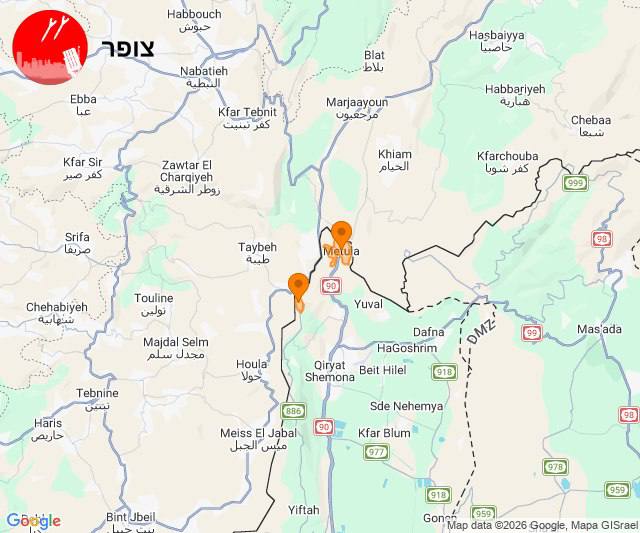
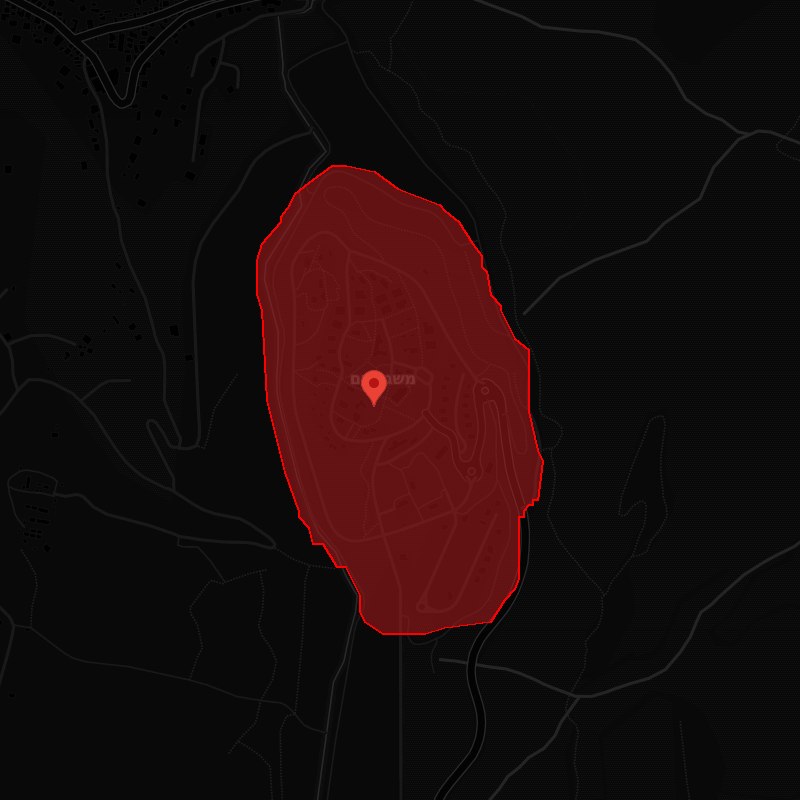
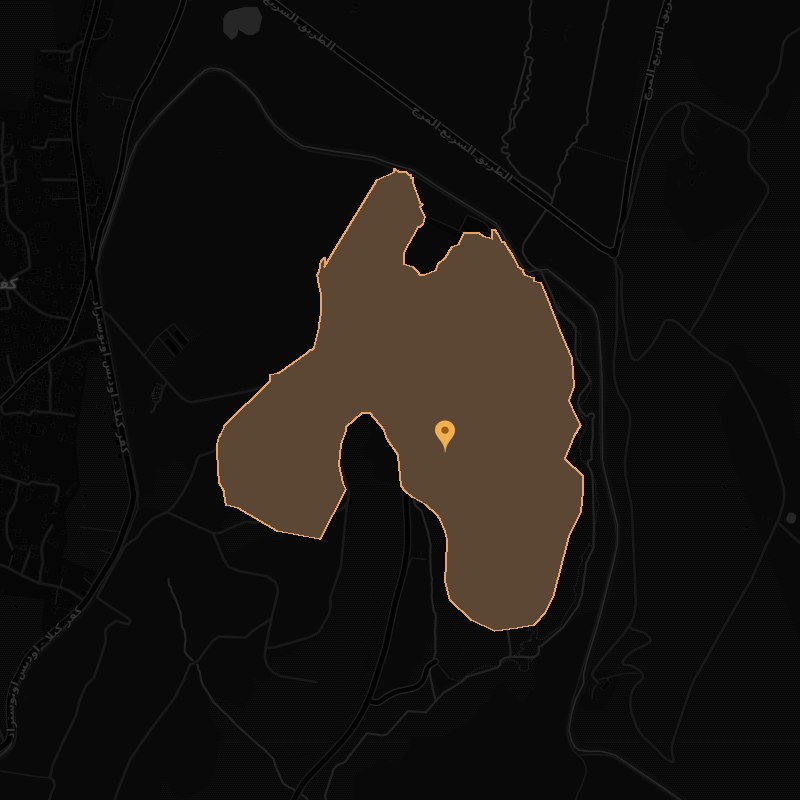
Multiple alerts were logged in Israel’s northern districts during the same day. At 05:34 UTC, RocketAlert issued a rocket/missile warning for the Misgav Am area, accompanied by a photograph of the launch site. Shortly thereafter, at 05:45 UTC, GeoPWatch reported a hostile UAV detection in the Galilee Panhandle, a region bordering Lebanon. Another UAV alert was posted by RocketAlert at 05:30 UTC for the Metulla area. All alerts were classified as medium‑severity, with no confirmed casualties.
Iranian Drone Operations Extend to the Gulf
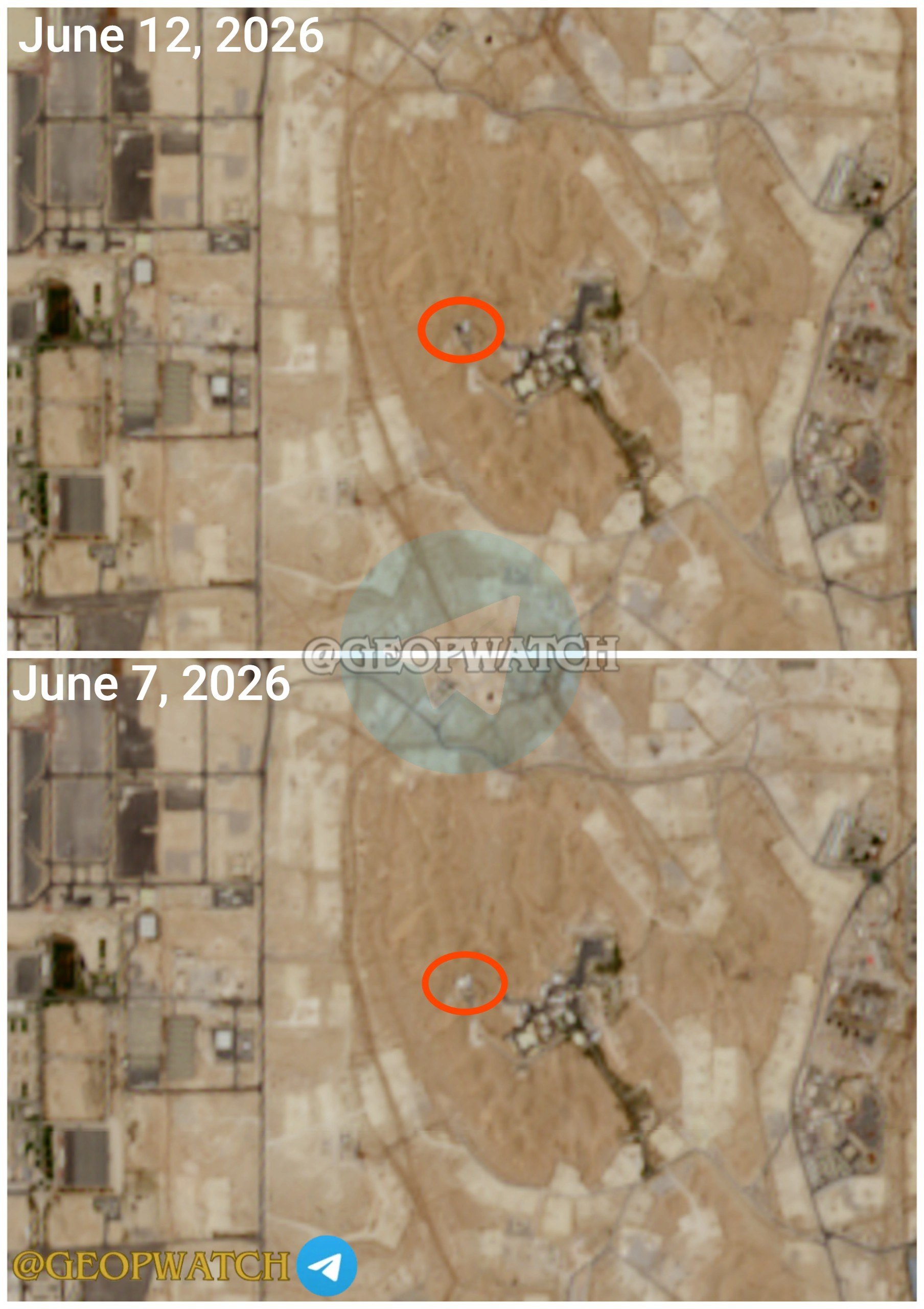
Iranian forces launched a series of warning drones into the Strait of Hormuz overnight, as detailed by monitor_the_situation. The Islamic Revolutionary Guard Corps (IRGC) framed the flights as “warning shots,” a narrative echoed in regional media. Earlier, on 11 June, satellite imagery verified by GeoPWatch showed an Iranian drone striking a U.S. early‑warning radar site on Jabal ad Dukhan, Bahrain, causing extensive damage.
Strategic Context and Potential Trajectories
The convergence of these events illustrates a multi‑theater escalation. The U.S. interceptions demonstrate a willingness to protect commercial navigation, while Israel’s targeted strike in Lebanon reflects ongoing retaliation cycles along its northern border. Simultaneously, Iran’s drone deployments in the Gulf and the attack on Bahrain signal a broader intent to project power beyond its immediate borders. The overlapping timelines suggest coordinated or at least concurrent operational tempos among the actors.
Implications for Regional Security
Each incident, while discrete, contributes to a cumulative risk environment. The Strait of Hormuz remains a chokepoint for global oil shipments; any sustained disruption could have worldwide economic repercussions. In the Levant, repeated UAV alerts and rocket warnings increase the probability of miscalculation, especially given the proximity of civilian populations. The involvement of U.S. forces heightens the stakes, as any further direct engagement could draw additional parties into the conflict.
Monitoring agencies such as GeoPWatch, RocketAlert, and monitor_the_situation continue to provide real‑time intelligence, underscoring the importance of open‑source verification in rapidly evolving conflict zones.