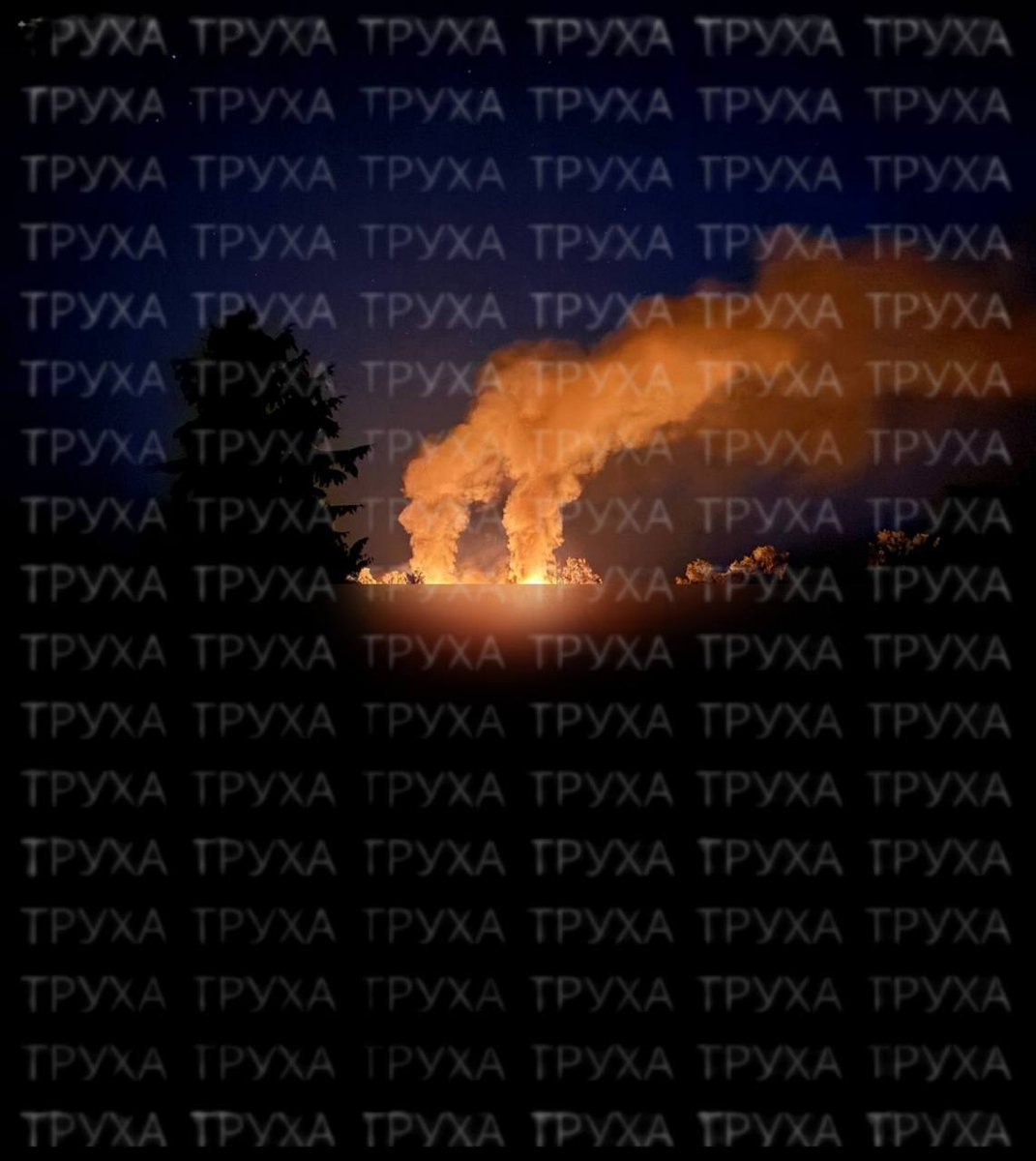
On June 12, Ukraine’s armed forces executed a coordinated long‑range missile campaign that struck three strategic Russian facilities: the Tavriyskaya thermal power plant in Simferopol, Crimea; the Togliattikauchuk chemical plant in Tolyatti; and the TANECO oil refinery in Nizhnekamsk. The attacks, reported by monitor_the_situation, employed long‑range missiles and marked the most extensive cross‑border strike of the year, underscoring Kyiv’s expanding strike capability.
"Ukraine launched a coordinated wave of long‑range strikes overnight, hitting the Tavriyskaya thermal power plant in Simferopol, the Togliattikauchuk chemical plant in Tolyatti, and the TANECO oil refinery in Nizhnekamsk," the source noted.
Ukrainian Long‑Range Missile Campaign
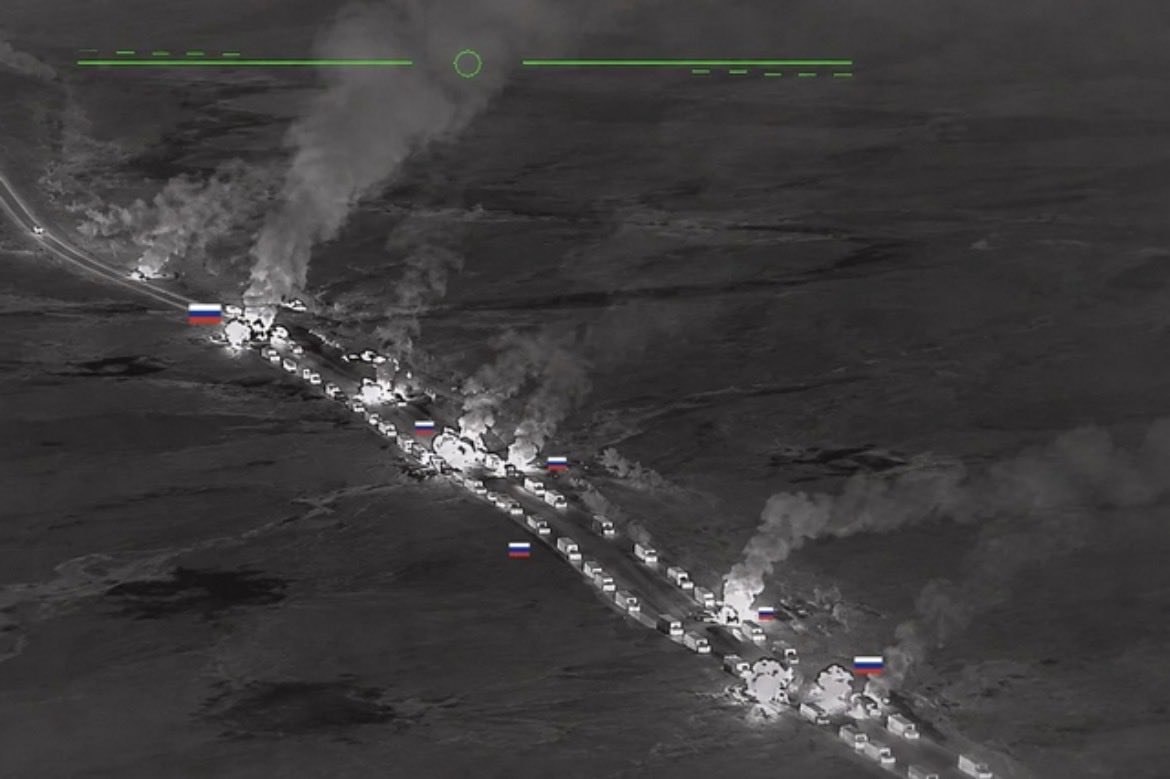
The three targets were hit within a narrow time window, causing significant infrastructure damage but no immediate casualty reports. The use of precision‑guided long‑range missiles demonstrates Ukraine’s growing access to advanced strike systems, likely supplied by Western partners. The strikes aimed to degrade Russian industrial capacity and signal Kyiv’s willingness to project power beyond its borders.
Russian Ground Infiltration in Donetsk Oblast
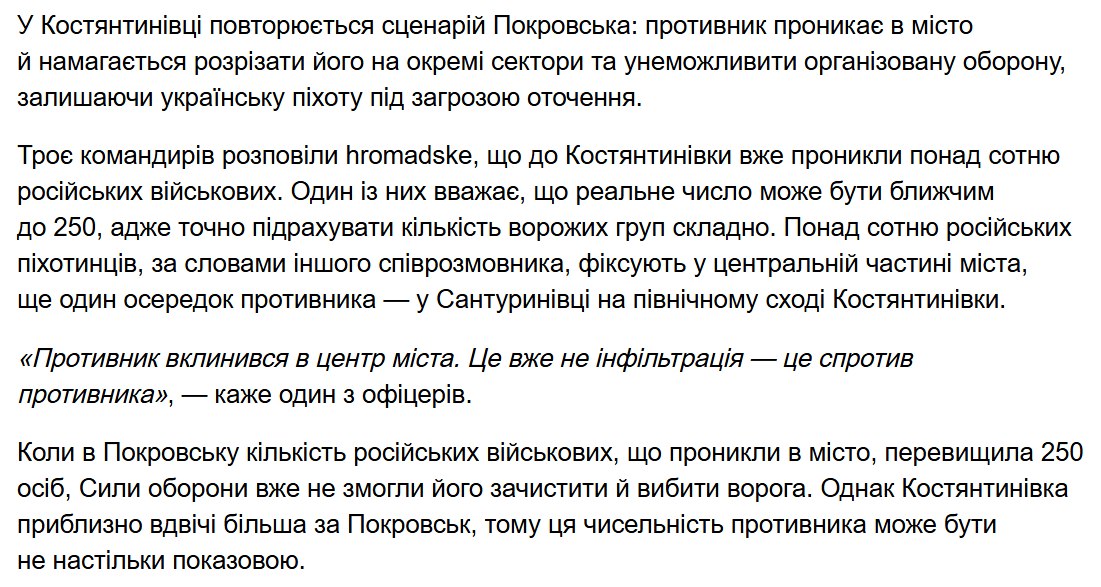
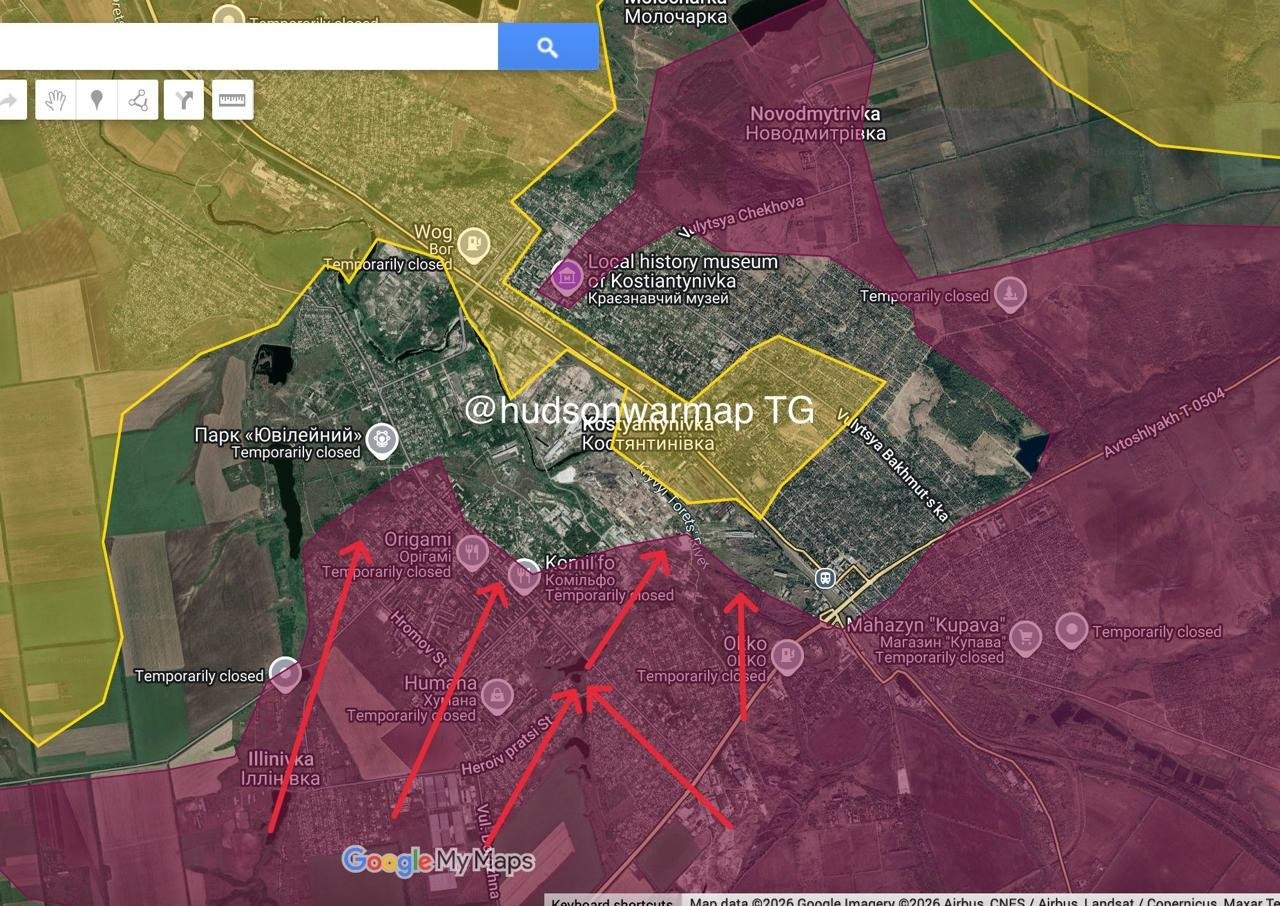
Simultaneously, Russian forces intensified ground operations inside Ukraine. According to monitor_the_situation, an estimated 100‑250 Russian soldiers infiltrated the city of Kostyantynivka in Donetsk Oblast. The infiltration coincided with the replacement of commanders of Ukraine’s 28th and 156th mechanized brigades, suggesting a deliberate attempt to exploit a command transition. No casualty figures were released, but the presence of a sizable hostile force inside a contested city raises the risk of escalated urban combat.
Ukrainian Drone Operations Against Russian Training Grounds
Ukrainian unmanned aerial systems (UAS) struck two Russian training facilities—Kulikovsky near Novopetrivka in Zaporizhzhia Oblast and Vostochny in Donetsk Oblast. The attacks, also reported by monitor_the_situation, killed three Russian soldiers and wounded sixteen. The drones, likely of the Shahed‑136 or similar class, demonstrated effective targeting of high‑value training sites, disrupting Russian force preparation.
Russian Geran‑5 and Geran‑2 Drone Strikes Within Ukraine
Russian drone activity intensified across multiple Ukrainian regions. In Konotop, Sumy Oblast, Geran‑5 kamikaze drones struck unspecified targets, marking the first confirmed use of this newer model in the conflict. In Kyiv Oblast, Geran‑2 drones attacked an oil depot, igniting a large fire that required emergency response. Additional Geran‑2 attacks hit a 110 kV substation near Voronizh in Sumy Oblast and agricultural sites in Kolychivka, Chernihiv Oblast. While casualty reports remain limited, the attacks caused material damage and heightened civilian risk.
Ukrainian Counter‑Air Measures: Drone Destruction of a Russian Tor System
In Kursk Oblast, Russia, the Ukrainian 8th Air Assault Corps employed a drone to destroy a Russian Tor surface‑to‑air missile system. The operation, documented by monitor_the_situation, illustrates Kyiv’s willingness to conduct deep‑strike UAS missions beyond its front lines, targeting Russian air defense assets that could threaten Ukrainian air operations.
Russian Missile Use in Southern Odesa Oblast
Russian Air Force units deployed Su‑34 fighter jets to launch two Kh‑59/69 cruise missiles at targets in southern Odesa Oblast. The strike, reported by monitor_the_situation, was supported by Su‑35 and Su‑30 aircraft operating over Crimea and the western Black Sea. No civilian casualties were confirmed, but the use of high‑precision cruise missiles indicates a continued Russian emphasis on long‑range strike capability within Ukrainian territory.
Infrastructure Damage: Chonhar Bridge Disruption
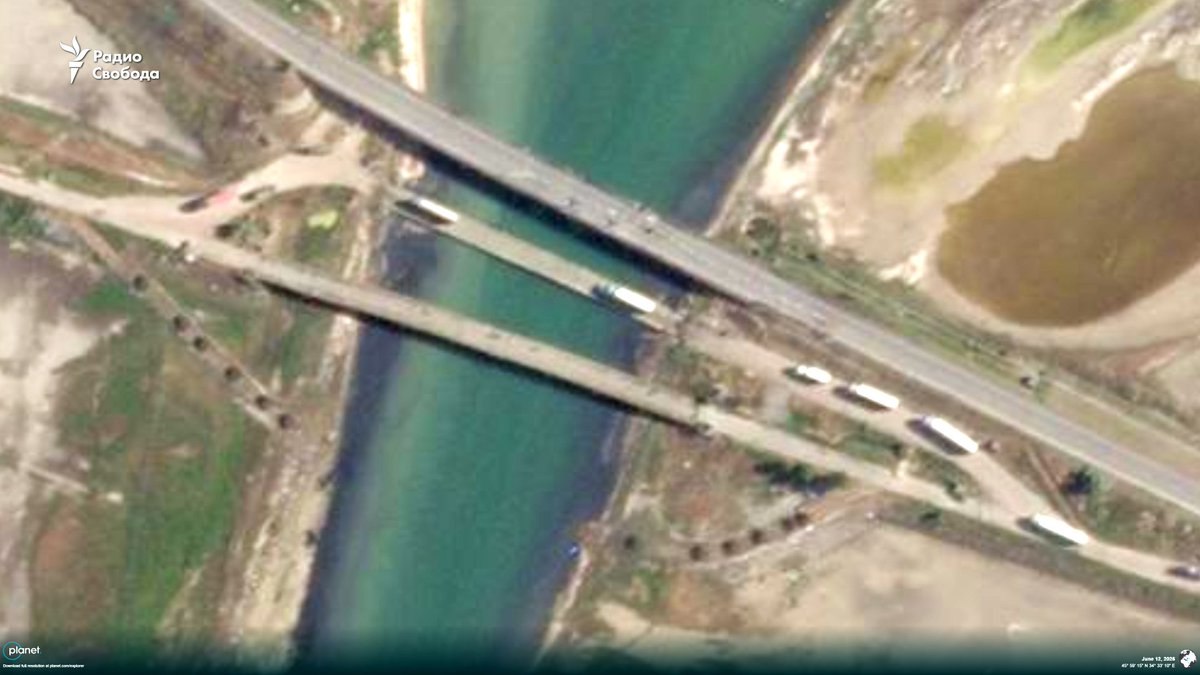
Ukrainian forces damaged the main Chonhar bridge, a critical crossing over the Crimea‑Kherson border, forcing traffic onto a temporary pontoon bridge. Satellite imagery, cited by monitor_the_situation, confirmed the bridge’s partial destruction, disrupting logistics and civilian movement between mainland Ukraine and the occupied Crimea peninsula.
Collectively, these events reflect a marked escalation in kinetic activity on June 12, with both sides employing a blend of missile, drone, and ground tactics to achieve strategic objectives while increasing the risk of broader confrontation.