On June 11, 2026, a high‑intensity explosion at the Giants Brigade base in al‑Mudhaffar, Aden Governorate, killed ten personnel and ignited a sharp escalation between the United Arab Emirates‑backed Southern Transitional Council (STC) and Saudi‑UAE‑aligned forces. The incident, reported by rnintel at 14:20:00, was swiftly followed by accusations from the Giants Brigade that STC militias were responsible, a claim echoed in a CIG_telegram post at 14:20:51. The blast marks the deadliest single‑event casualty in Yemen’s southern theater in weeks and underscores the fragility of the tenuous cease‑fire that has held in parts of the country since the end of 2024.
Yemen: Explosion and Civilian Protests
The Aden explosion occurred amid a broader wave of unrest. Pro‑UAE STC protests in Al Ghaydah, Al‑Mukalla, Seiyun, Ataq, Ad Dali and Aden were met with live fire from the Presidential Leadership Council’s (PLC) Homeland Shield Forces, resulting in multiple civilian deaths and injuries, according to rnintel (14:13:05). The protests, driven by deteriorating economic conditions, have persisted for three consecutive days, highlighting the deepening humanitarian crisis in southern Yemen.
"The Giants Brigade have accused militias loyal to the Southern Transitional Council of carrying out the attack on its base in the Aden region," CIG_telegram reported.
Both incidents illustrate a pattern of kinetic engagements that blur the line between insurgent activity and state‑backed security operations, raising the risk of broader confrontation between the UAE‑aligned STC and the Saudi‑backed PLC.
US Naval Strikes in the Gulf of Oman
In parallel, United States forces conducted a series of maritime attacks in the Gulf of Oman, targeting vessels suspected of violating Iran‑imposed blockades or transporting Iranian oil. According to Al Jazeera (11:58:22), a US strike on an unnamed ship resulted in three fatalities, while the Indian crew of twenty remained unharmed. A separate incident, detailed by rnintel (07:00:58), confirmed the death of three Indian sailors when the US disabled the Iranian‑registered ghost tanker M/T Settebello, which had been involved in illicit ship‑to‑ship transfers.
The Indian Ministry of Foreign Affairs formally protested the strike, summoning the US Chargé d’affaires and demanding an end to such operations, as reported by CIG_telegram (11:36:55). These actions have strained Indo‑US relations, especially given India’s strategic partnership with the United States and its reliance on maritime trade routes through the Arabian Sea.
Iranian Missile and Drone Campaign Across the Region
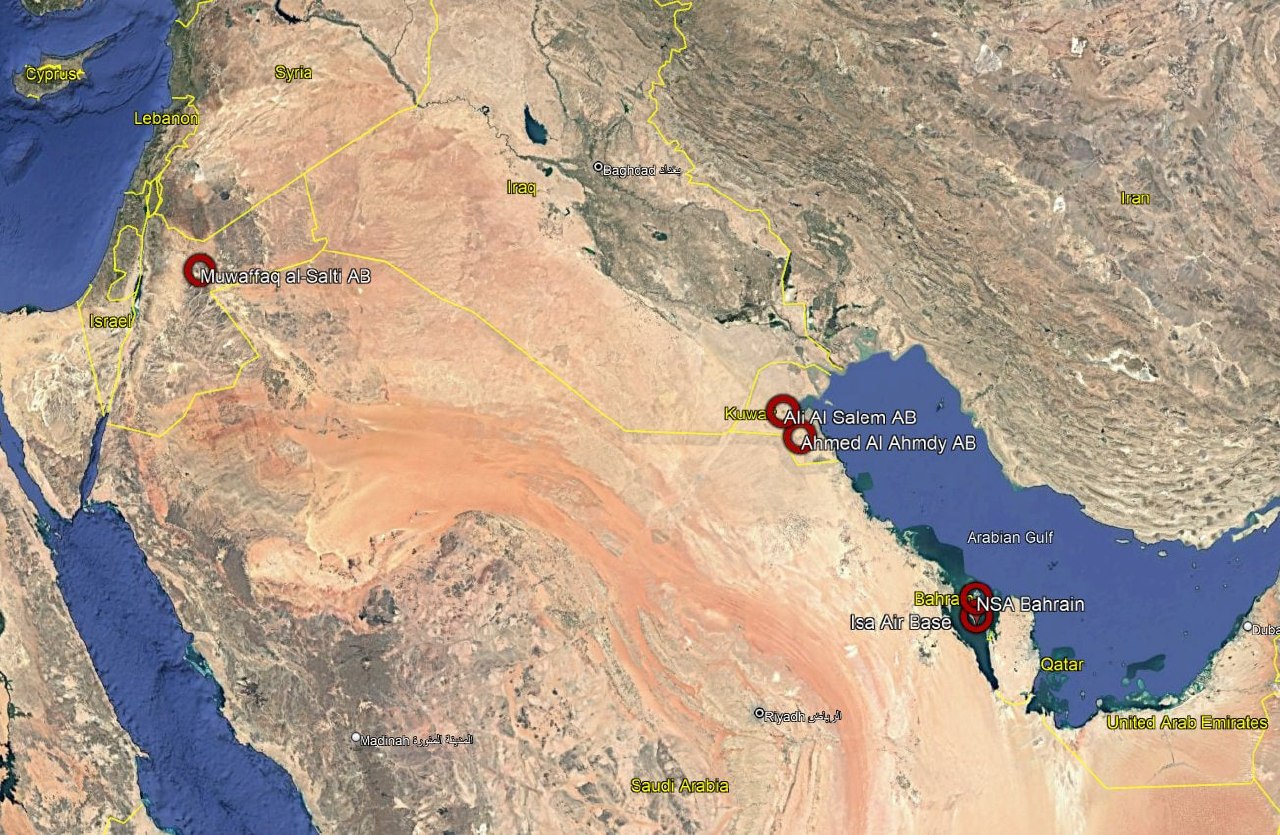
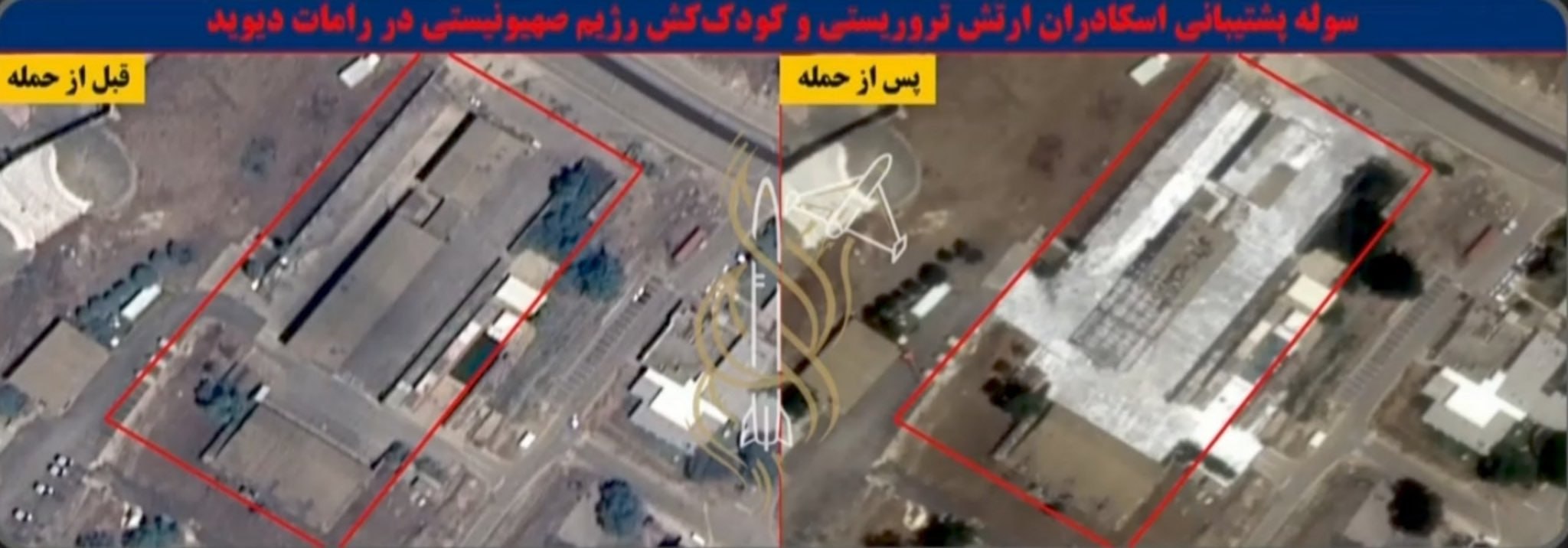
Iran’s Islamic Revolutionary Guard Corps (IRGC) intensified its missile and drone campaign on June 11, targeting multiple locations in the Arabian Peninsula, Jordan, Kuwait, Bahrain, and beyond. BellumActaNews (11:45:23) released video footage of IRGC missile launches aimed at Arab kingdoms and US CENTCOM bases. GeoPWatch (09:01:47) documented ballistic missile strikes on five military bases across Jordan, Kuwait, and Bahrain, including the Muwaffaq Al‑Salti Air Base in Jordan.
In Bahrain, intercepted Iranian drones caused civilian injuries and property damage. An 11‑year‑old girl was lightly injured in Hamad Town after debris from an intercepted drone fell, as reported by JPost (07:41:05). Additional drone attacks on Manama resulted in vehicle fires and structural damage (Al Jazeera, 15:53:20). Iranian forces also claimed successful strikes on US 5th Fleet radar installations at Jabal ad‑Dukhan, Bahrain (CIG_telegram, 12:46:49).
Other Notable Kinetic Events
Beyond the Middle East, several high‑profile kinetic incidents occurred on June 11. In Jerusalem’s Old City, a gas balloon explosion killed an 80‑year‑old woman and seriously injured a 50‑year‑old man (idkunim_il, 13:31:46). In Gaza City, an Israeli attack resulted in one Palestinian death and additional injuries (monitor_the_situation, 13:29:54). A 15‑year‑old Gaza fisherman, Mohammad Abu Giab, was shot dead by Israeli forces off Deir el‑Balah (Al Jazeera, 11:23:18). In the broader region, Ukraine launched a massive overnight drone and missile barrage against Russia’s Krasnodar Krai, causing multiple explosions and prompting sustained Russian air‑defense activity (monitor_the_situation, 06:58:49).
These events, while geographically dispersed, collectively illustrate a surge in kinetic engagements that increase the probability of escalation across multiple theaters.
Analysis of Emerging Patterns
The convergence of high‑intensity explosions, maritime strikes, and missile/drone attacks on June 11 suggests a coordinated escalation strategy by regional actors. In Yemen, the interplay between the Giants Brigade, STC militias, and PLC forces reflects a fragmented security environment where non‑state actors possess significant firepower. The US maritime strikes, justified as enforcement of sanctions against Iran, demonstrate a willingness to employ lethal force in contested waters, risking civilian casualties and diplomatic fallout.
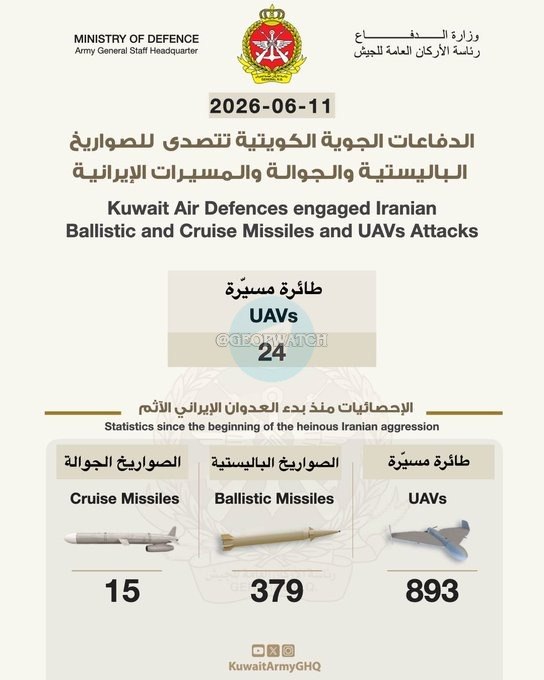
Iran’s multi‑domain campaign—utilizing ballistic missiles, kamikaze drones, and conventional rockets—targets both US military assets and allied infrastructure, aiming to project power and deter further US intervention. The repeated interception of Iranian drones by Bahrain and Kuwait indicates improved regional air‑defense capabilities, yet the persistence of attacks underscores the challenges of fully neutralizing such threats.
Overall, the kinetic events of June 11 reveal a heightened risk of cross‑border spillover, where actions in one theater (e.g., US strikes in the Gulf of Oman) can provoke retaliatory measures elsewhere (e.g., Iranian missile launches). Monitoring of these dynamics will be critical to anticipate further escalation and to inform diplomatic de‑escalation efforts.