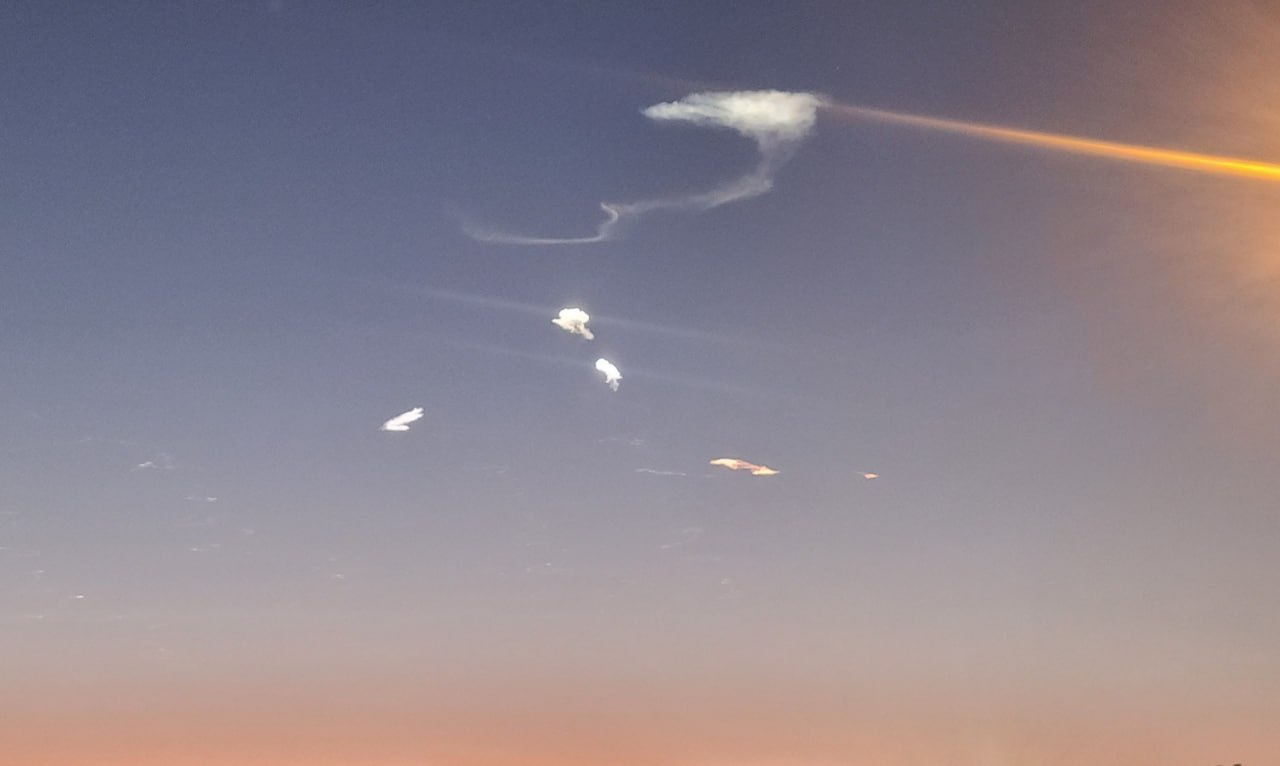
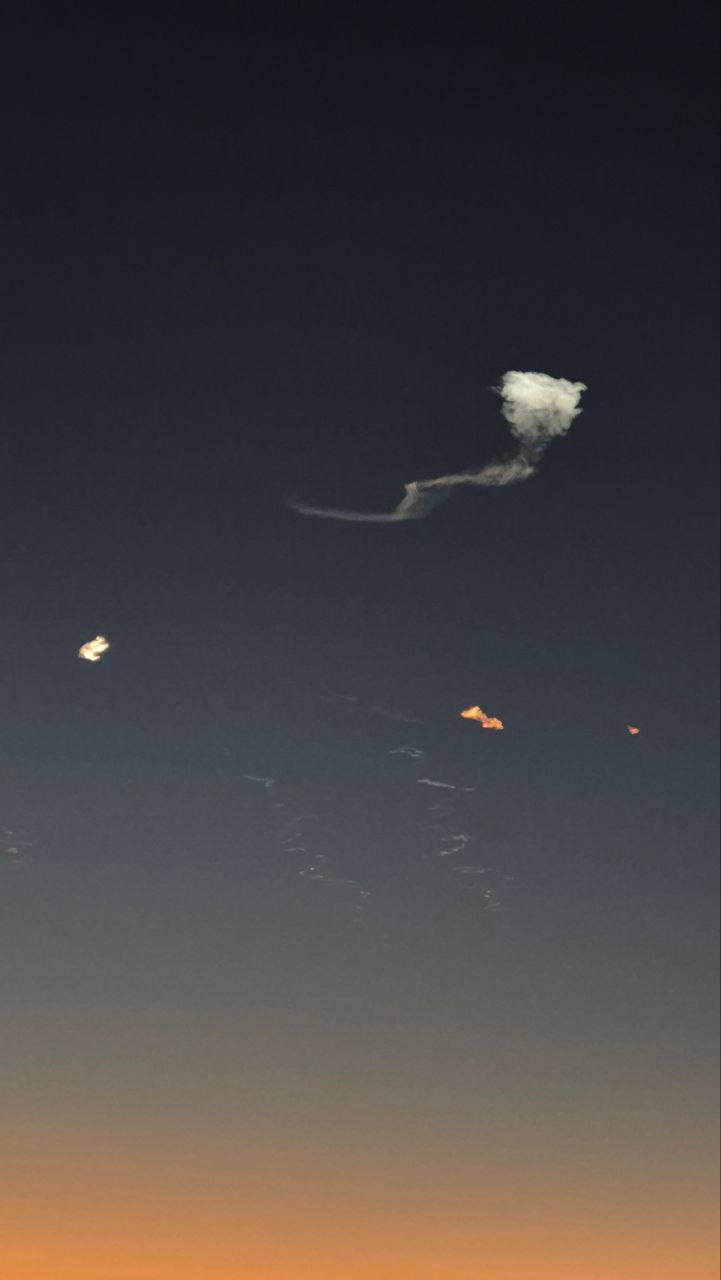
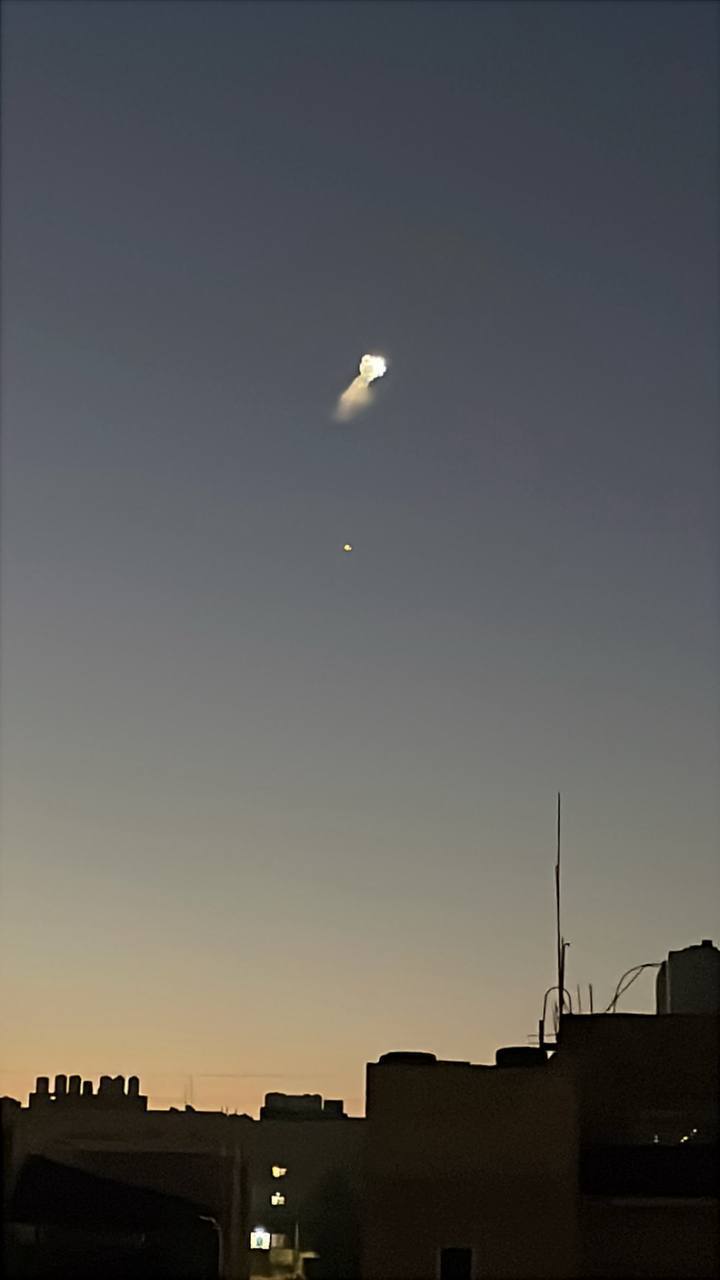
At 06:00 UTC on 11 June 2026, an American‑operated air base at Muwaffaq al‑Salti in Jordan was struck by Iranian ballistic missiles, producing a plume of swirling smoke that was captured on video and disseminated by the Telegram channel idkunim_il. The attack marked the most visible kinetic event of the day, targeting a strategic U.S. installation and underscoring the escalation of Iran‑U.S. tensions in the region. No casualty figures have been confirmed, and the base’s operational status remains under assessment.
Chronology of the June 11 Missile Campaign
Earlier that morning, at 04:29 UTC, the Islamic Revolutionary Guard Corps (IRGC) announced a missile strike against Jordan’s Al‑Azraq Air Base, claiming hits on facilities housing F‑35 fighter jets. The statement, posted on the OSINTdefender channel, framed the operation as retaliation against U.S. actions. Visual evidence of the launch was later shared by GeoPWatch, which reported that twelve ballistic missiles were fired toward Al‑Azraq, targeting aircraft including F‑35, F‑15 and F‑16 platforms.
At 03:18 UTC, a separate video posted by rnintel documented an Iranian ballistic missile impacting Muwaffaq Salti Air Base, with dozens of interceptor missiles launched in an attempt to neutralize the threat. The footage showed the missile’s trajectory and the subsequent explosion, confirming the base as a primary target of the Iranian offensive.
Two minutes later, at 03:09 UTC, GeoPWatch released a statement quoting the IRGC:
"In response to the missile attacks by the child‑killing US army on a recreational area, a manufacturing complex, and a barracks area around Karaj and Nazar Abad, and a local IRGC base in Pishva County, to punish the aggressor, this morning, 12 ballistic missiles were fired at the location of the American F35, F15, and F16 fighter jets."This claim links the Jordanian strikes to broader regional hostilities.
At 02:55 UTC, monitor_the_situation shared video footage from Irbid, Jordan, showing the city under missile attack. While the clip did not reveal specific damage, it illustrated the wider geographic reach of the Iranian missile barrage across northern Jordan.
US Defensive Response
Following the initial strikes, the United States deployed Patriot missile systems to intercept incoming projectiles over Muwaffaq Salti. BellumActaNews reported at 02:14 UTC that US Army Patriot batteries successfully engaged IRGC‑launched missiles, preventing further damage to the air base and surrounding infrastructure. The interception sequence was captured in a series of photos and videos, confirming the operational readiness of US air‑defense assets in the Hashemite Kingdom.
Earlier at 02:03 UTC, rnintel posted a brief alert indicating that Iranian ballistic missiles were en route to Muwaffaq Salti, accompanied by visual confirmation of missile launches from Iran. This pre‑emptive warning allowed US forces to activate their defensive posture in time for the subsequent interceptions.
Weapon Systems and Operational Details
The attacks employed a range of ballistic missile types, though specific models were not disclosed. Interceptor activity included both US‑operated Patriot missiles and Jordanian air‑defense responses, though the latter were not detailed in open‑source reports. The IRGC’s claim of targeting F‑35, F‑15 and F‑16 aircraft suggests the use of precision‑guided ballistic missiles capable of high‑altitude trajectories.
All reported incidents occurred within Jordanian sovereign territory, specifically at the American‑run Muwaffaq al‑Salti Air Base, the Jordanian‑controlled Al‑Azraq Air Base, and the civilian city of Irbid. No civilian infrastructure beyond Irbid was reported as directly hit, and casualty reports remain absent from all source material.
Source Attribution and Verification
The primary source channels for these events include idkunim_il (video of the Muwaffaq Salti strike), OSINTdefender (IRGC claim on Al‑Azraq), GeoPWatch (IRGC statement and missile count), rnintel (multiple visual confirmations), monitor_the_situation (Irbid footage), and BellumActaNews (Patriot interception imagery). Each channel disseminated material via Telegram, providing timestamps that align with the chronological sequence outlined above. Cross‑verification of video content across rnintel and BellumActaNews confirms the occurrence of missile impacts and successful interceptions, reinforcing the credibility of the reported kinetic events.
Strategic Implications
The coordinated missile attacks represent a significant escalation in Iran’s direct targeting of U.S. and allied assets outside its borders. By striking Jordanian air bases that host American aircraft, the IRGC aims to demonstrate reach and deterrence capability. The rapid US Patriot response underscores the importance of forward‑deployed air‑defense systems in protecting critical assets and maintaining operational continuity in a volatile theater.
While no casualties have been reported, the potential for escalation remains high. Continued monitoring of Iranian missile activity and US defensive deployments will be essential for assessing the risk of broader conflict spillover into Jordan and neighboring states.