On June 11, 2026, Iran experienced a cascade of kinetic events that heightened the risk of broader conflict in the Persian Gulf region. The most consequential development was a coordinated U.S. Tomahawk missile strike on the Bandar Sirik Naval Base, followed by additional attacks on Bandar Abbas, Qeshm Island, and the Bandar Kargan Naval Base. The strikes prompted an immediate Iranian response, including the closure of the Strait of Hormuz, the deployment of naval mines, and a rapid buildup of defensive infrastructure on Kharg Island.
U.S. Tomahawk Missile Campaign
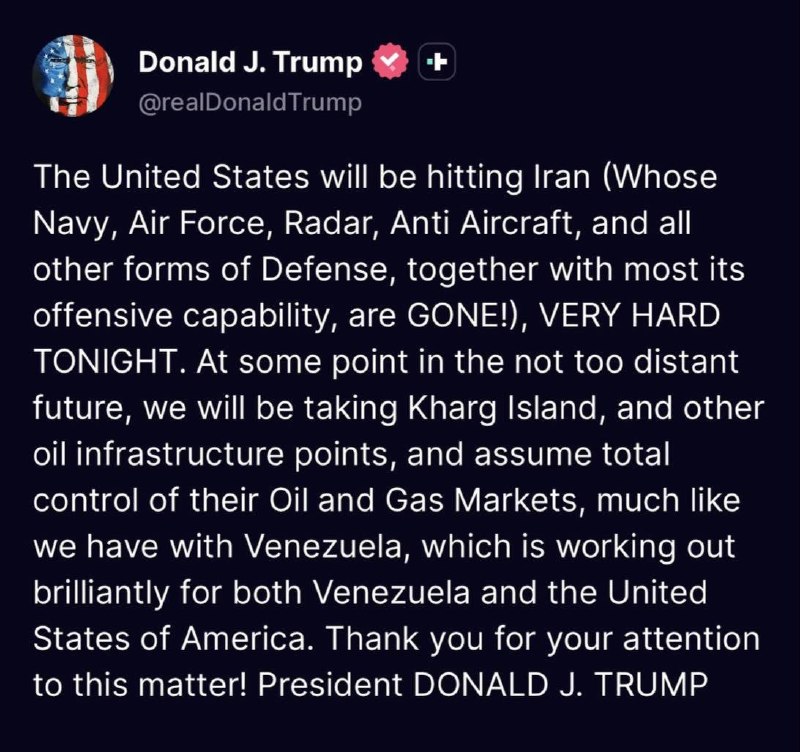
At 13:58 local time, the United States launched a series of Tomahawk cruise missiles against multiple Iranian maritime facilities, according to GeoPWatch. The initial target was the Bandar Sirik Naval Base in Hormozgan Province, which sustained at least four to five missile impacts. Subsequent missiles struck the strategic ports of Bandar Abbas and Qeshm Island, as well as the Bandar Kargan Naval Base. The operation was described as a “large‑scale kinetic response” to escalating rhetoric from the Trump administration, which had publicly pledged to “strike Iran very hard tonight.”
Weapons used: Tomahawk cruise missiles and one‑way attack drones.
Actors: United States (U.S. Department of Defense) and Iran’s Islamic Revolutionary Guard Corps (IRGC).
Source: GeoPWatch.
Immediate Iranian Countermeasures
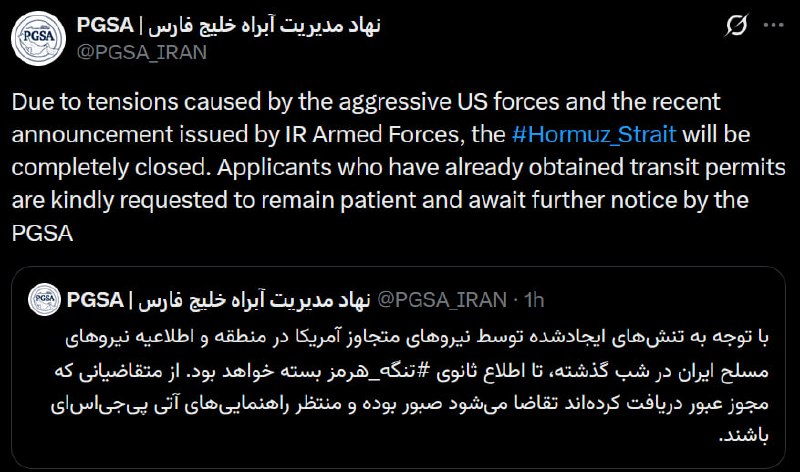
In the wake of the missile barrage, the IRGC announced the closure of the Strait of Hormuz, a critical chokepoint through which roughly 20 percent of global oil and natural gas shipments transit. The closure was first reported by Al Jazeera at 12:57 and reaffirmed by Iran’s Persian Gulf Strait Authority at 10:04, both citing security concerns and the need to protect maritime assets.
Weapons deployed: None reported in the closure announcement, but later intelligence indicated the initiation of large‑scale naval mining of the strait.
Naval Mining of the Strait of Hormuz
At 07:55, CIG_telegram disclosed that Iran planned to commence extensive naval mining of the Strait of Hormuz, expanding beyond the limited minefields previously deployed. The move is intended to deter foreign naval vessels and complicate any potential U.S. or allied maritime operations in the region.
Weapon type: Naval mines.
Actor: Iran (no specific organization named).
Source: CIG_telegram.
Explosion in Northern Tehran
At 15:06, a large explosion was reported in the northern districts of Tehran. GeoPWatch confirmed the incident but provided no details on the cause, casualties, or responsible party. The timing of the blast, occurring shortly after the U.S. missile strikes, raised concerns about possible retaliatory actions or internal sabotage, though no direct link has been established.
Weapon type: Not specified.
Source: GeoPWatch.
Kharg Island Fortification
Concurrent with the maritime escalation, Iranian forces intensified defensive preparations on Kharg Island, a strategic oil terminal in the Persian Gulf. According to monitor_the_situation, the Iranian military has constructed underground tunnels, positioned additional artillery units, and relocated hundreds of troops to the island. These measures aim to secure the island against potential amphibious assaults and to ensure continued oil export capability.
Weapons deployed: Artillery.
Actor: Iranian forces.
Source: monitor_the_situation.
U.S. Threats to Bomb Kharg Island
Earlier in the day, IntelRepublic relayed a statement attributed to former President Donald Trump, asserting that the United States would “bomb Iran very hard tonight” and subsequently seize Kharg Island. While the statement was not accompanied by an immediate operational order, it underscored the heightened rhetoric surrounding the island’s strategic importance.
Weapon type: Bombs (threatened).
Actor: United States.
Source: IntelRepublic.
Analysis of Kinetic Escalation
The sequence of events on June 11 demonstrates a rapid escalation from long‑standing diplomatic posturing to overt kinetic actions. The U.S. missile strikes represent a significant shift from previous proxy‑focused engagements to direct targeting of Iranian naval infrastructure. Iran’s immediate closure of the Strait of Hormuz and the deployment of naval mines constitute a classic asymmetric response designed to leverage geographic chokepoints and impose economic costs on adversaries.
The reinforcement of Kharg Island indicates Tehran’s anticipation of potential amphibious or aerial attacks, reflecting a broader strategy of hardening critical assets. The unexplained explosion in Tehran adds an element of uncertainty, suggesting possible internal dissent or a covert operation, though verification remains pending.
Potential Regional Implications
Should the Strait of Hormuz remain closed or become heavily mined, global energy markets could experience price spikes and supply disruptions. International shipping firms have already begun rerouting vessels around the Arabian Sea, increasing transit times and fuel consumption. Moreover, the presence of U.S. attack drones and the reported targeting of a U.S. F‑16 (as noted in the GeoPWatch summary) raise the specter of aerial engagements over the Gulf, which could draw in regional actors such as the United Arab Emirates, Saudi Arabia, and Bahrain.
In the absence of diplomatic de‑escalation, the kinetic posture on both sides may solidify into a protracted standoff, with the risk of miscalculation escalating the conflict beyond the immediate theater.