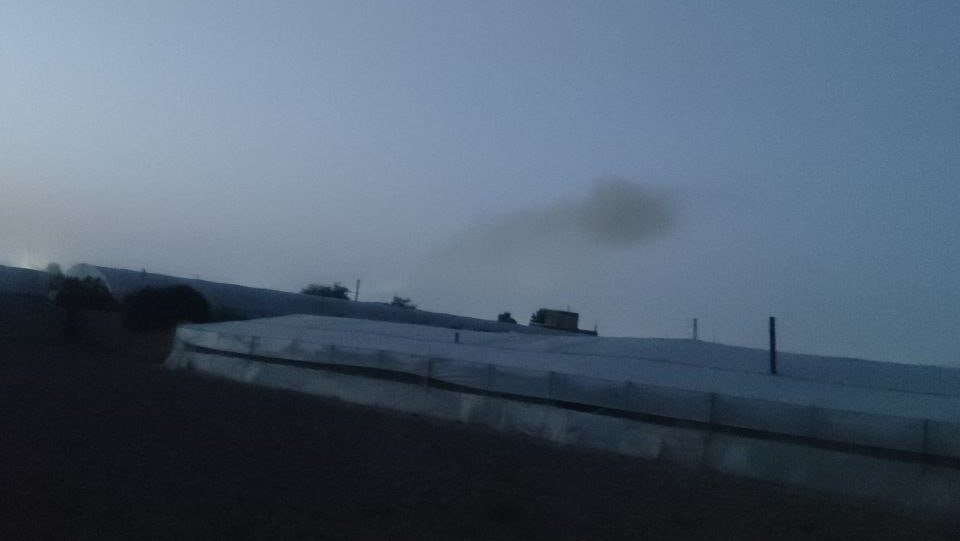
On 11 June 2026 Iran and the United States engaged in the most intensive kinetic exchange of the conflict year, with Iran launching multiple ballistic missiles from four domestic sites and the United States executing a synchronized strike wave that produced massive explosions in Qazvin, Alborz and Bandar Abbas. The rapid succession of missile launches, airstrikes and naval actions underscores a sharp escalation in direct kinetic operations within Iranian territory.
Coordinated U.S. Strike Wave Across Iran
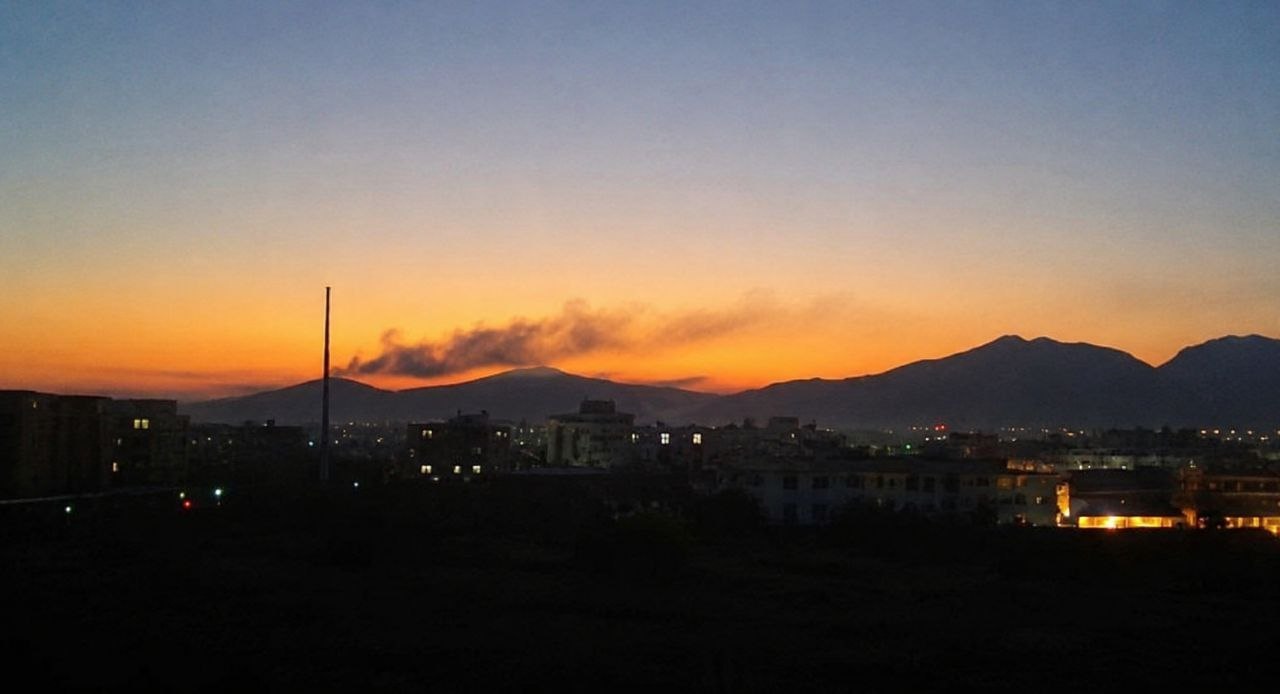
At approximately 01:05 UTC, United States forces initiated a coordinated airstrike campaign targeting strategic sites in Qazvin, Alborz and Bandar Abbas provinces. According to the INTEL SLAVA channel, fighter jets delivered “massive and unusual” explosions, indicating the use of high‑yield munitions against missile, air‑defence and command‑and‑control installations located outside major urban centers. The same channel reported that the strikes were part of a broader effort to degrade Iran’s ballistic‑missile launch capability and IRGC naval assets.
🇺🇸❌🇮🇷⚡️ **—** **INTEL SLAVA — SITUATION BRIEF 4:05 AM**
Subsequent reports from GeoPWatch confirmed explosions in Qazvin at 01:02 UTC and in Bandar Abbas at 00:58 UTC, corroborating the timing of the U.S. wave. No official casualty figures have been released, but the scale of the detonations suggests significant material loss for Iranian military infrastructure.
Iranian Ballistic Missile Launches from Four Domestic Sites
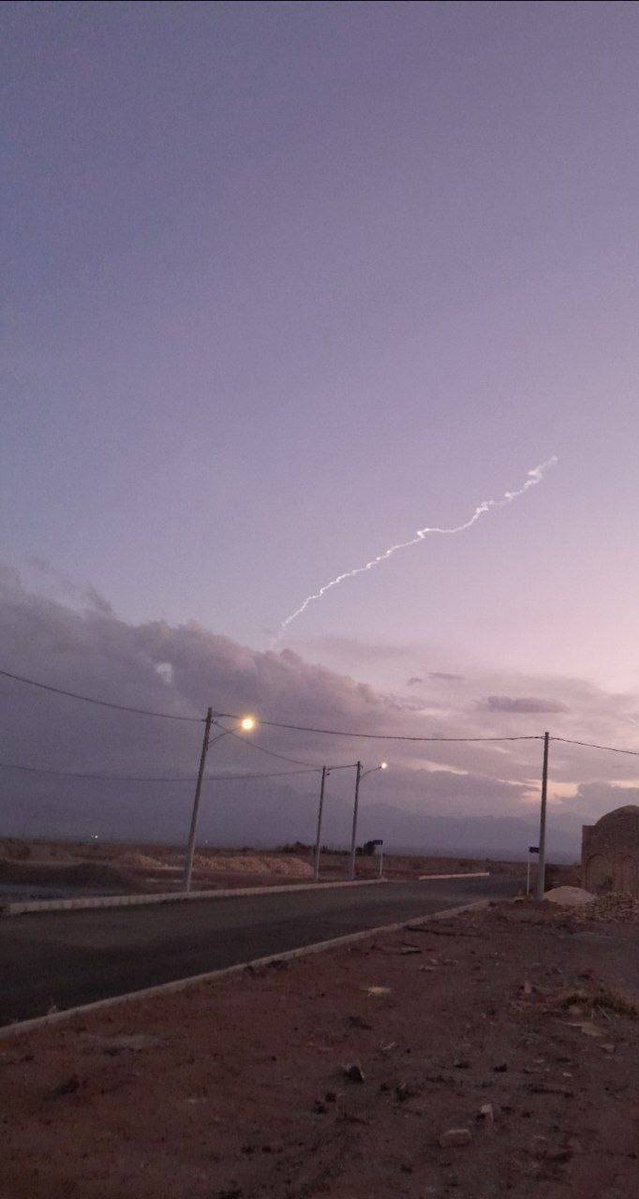
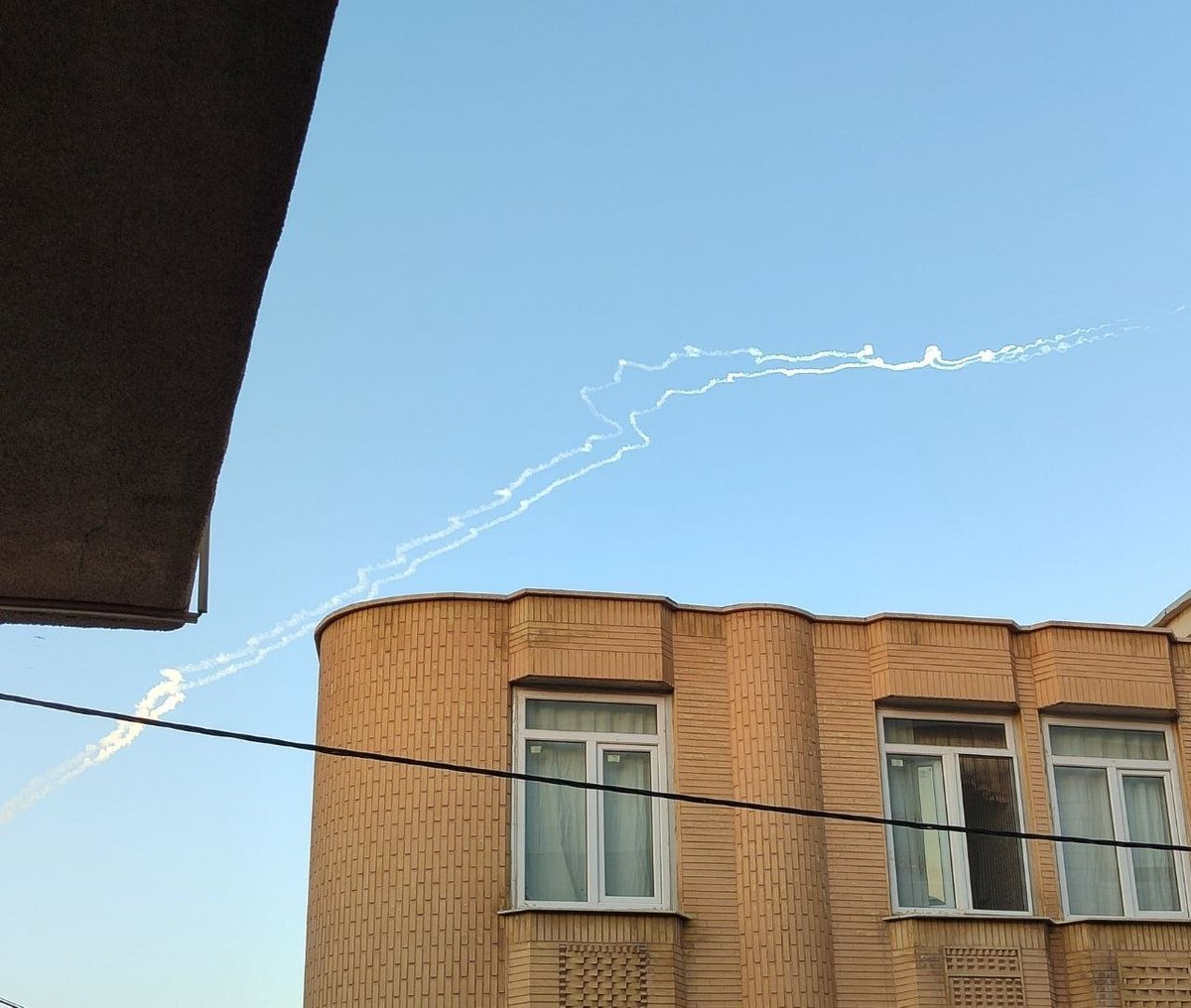
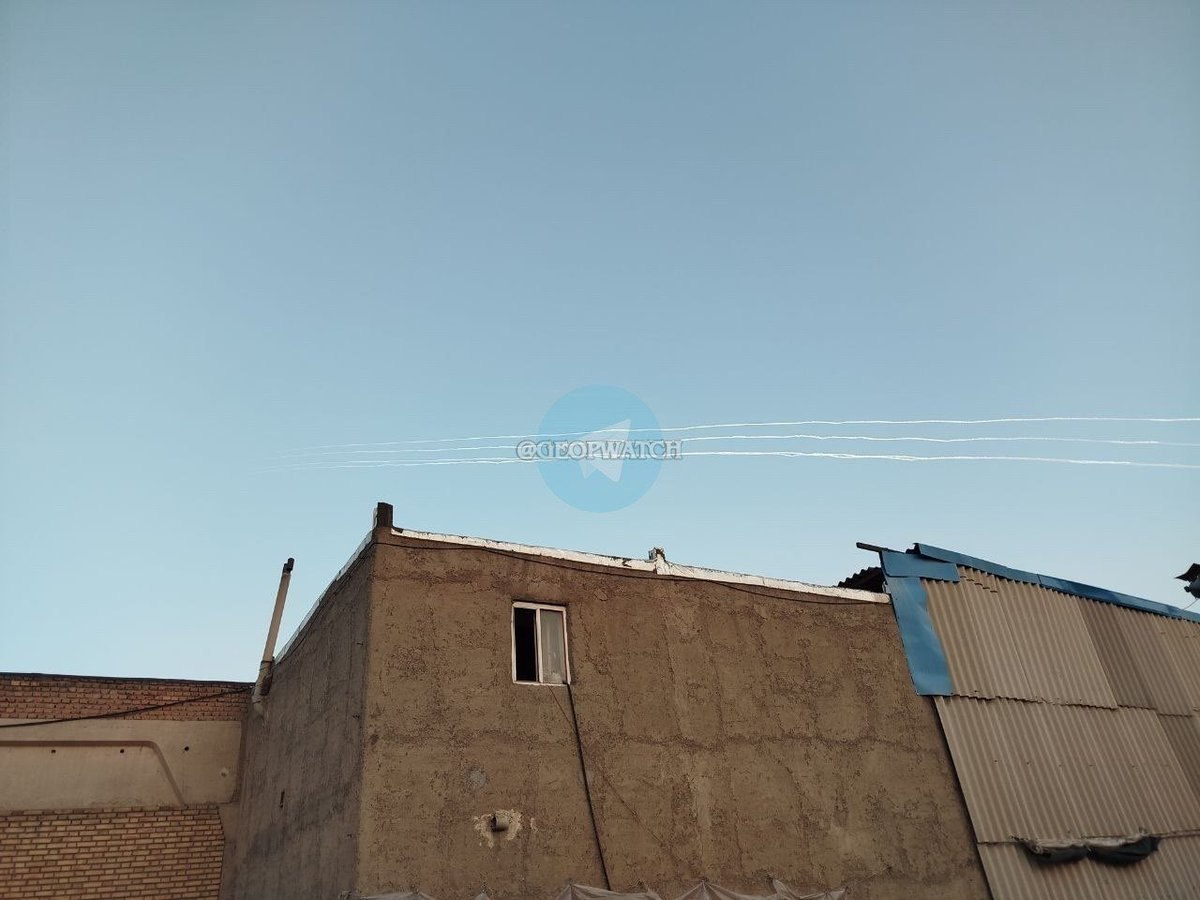
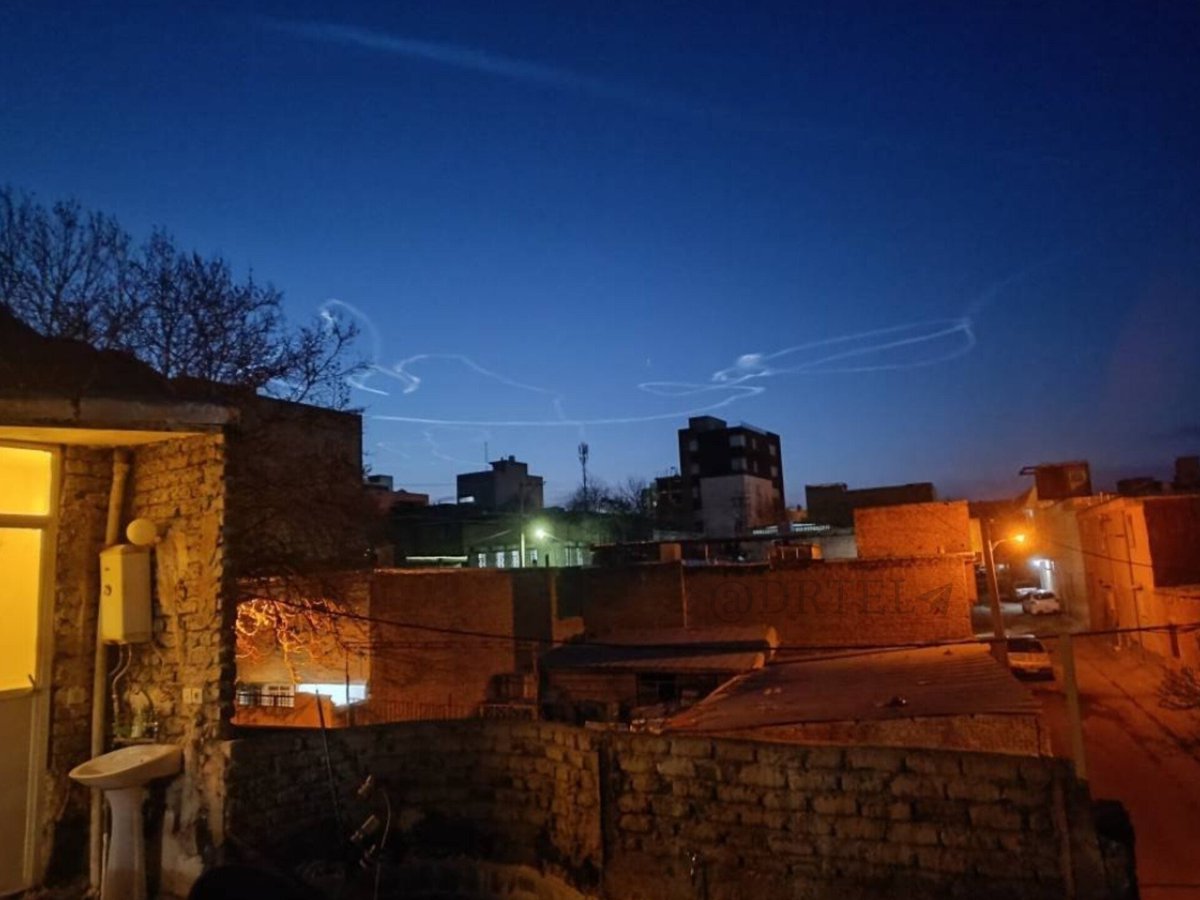
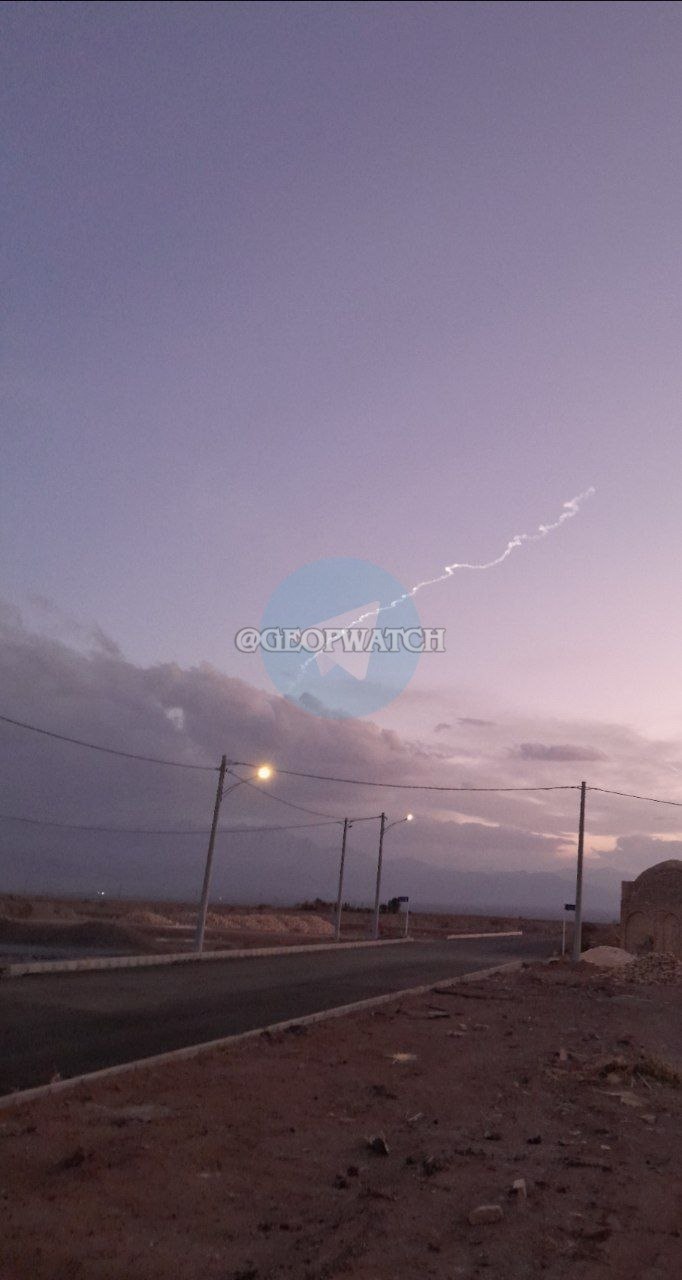
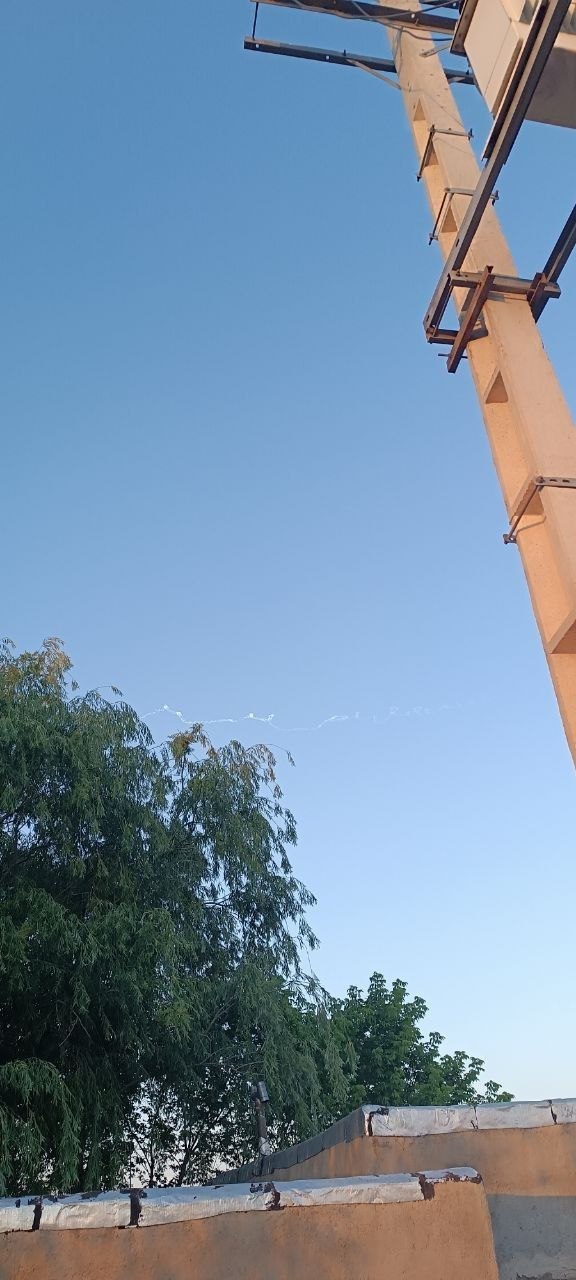
Within the same hour, Iran responded with a series of ballistic missile launches from Isfahan, Tabriz, Khorramabad and Urmia. The monitor_the_situation channel documented each launch:
- Isfahan (03:16:44) – a single ballistic missile was fired from central Iran, accompanied by a photo release (source: link).
- Urmia (02:55:20) – 2‑3 missiles were launched, analysts suspecting a trajectory toward Jordan or Gulf states (source: link).
- Tabriz (02:55:19) – ballistic missiles were fired from north‑western Iran (source: link).
- Khorramabad (02:55:17) – ballistic missiles launched as part of Iran’s retaliatory strikes against U.S. and allied targets (source: link).
These launches employed conventional ballistic missiles, though specific type and payload details remain unconfirmed. The rapid succession of launches from geographically dispersed sites indicates a pre‑planned response capability designed to saturate regional air‑defence networks.
U.S. Naval and Air Operations in the Strait of Hormuz and Beyond
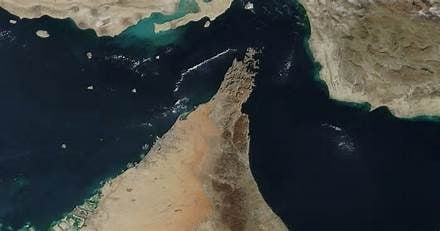
At 01:37 UTC, the U.S. Navy destroyer USS Michael Murphy (DDG‑112) fired five Tomahawk cruise missiles from international waters in the Strait of Hormuz, as captured in video released by monitor_the_situation (link). Simultaneously, U.S. Central Command announced precision‑guided munition strikes on Iranian targets in Bandar Abbas, further expanding the kinetic envelope of the operation.
Additional U.S. air activity included a strike on an Iranian nuclear facility near Karaj (00:45 UTC) and multiple airstrikes on Varamin, Sirik and the perimeter of Bandar Abbas Airport (00:54‑00:30 UTC). These actions were reported by the same channel and by the IRGC, which confirmed damage to coastal units and police command structures at Bandar Abbas Airport.
Regional Air‑Defense Interceptions
Iranian missile trajectories prompted defensive responses from Israel and the United Arab Emirates. Israeli air‑defence systems launched interceptor missiles over eastern Israel at 02:55 UTC, as reported by Al Arabiya via monitor_the_situation (link). A separate interception over Tel Aviv was documented at 02:55 UTC, with live updates from the @WW3_Monitor X account (link).
In the Persian Gulf, an Iranian Shahed‑131/136 drone was observed heading toward a U.S. base, prompting heightened alertness among U.S. forces (link).
Strategic Implications of the Kinetic Surge
The synchronized nature of the U.S. strike wave, combined with Iran’s multi‑site missile launches, reflects a deliberate escalation strategy on both sides. Iran’s closure of the Strait of Hormuz, announced by Mehr news agency at 00:16 UTC, serves both as a strategic choke‑point and a signal of retaliation (link).
From a kinetic perspective, the day’s events demonstrate:
- Iran’s capacity to launch ballistic missiles from multiple inland locations within a narrow time window, complicating detection and interception.
- The United States’ ability to project power via long‑range Tomahawk missiles, carrier‑based aircraft and precision‑guided munitions across a broad geographic area.
- Regional air‑defence systems remaining operational under high‑tempo missile threats, as evidenced by successful interceptions over Israel.
While casualty figures remain unreported, the concentration of high‑energy explosions in Qazvin, Alborz and Bandar Abbas suggests substantial degradation of Iran’s missile‑production and command infrastructure. Conversely, Iran’s missile launches, though fewer in number, signal a willingness to employ strategic assets against regional adversaries, potentially targeting Jordan, Gulf states or U.S. assets in the region.
Outlook
Given the intensity of kinetic activity on 11 June 2026, analysts anticipate a heightened risk of further missile exchanges and possible escalation into broader regional conflict. Monitoring of Iranian launch sites, U.S. naval deployments in the Strait of Hormuz and Israeli air‑defence readiness will be critical in assessing the trajectory of hostilities.