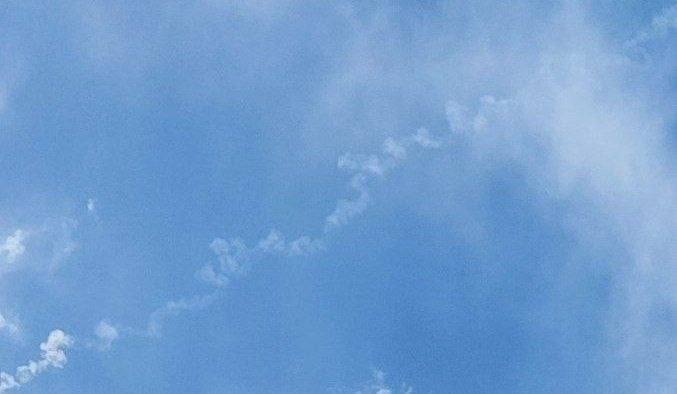
Iran launched a coordinated salvo of ballistic missiles from Khomeyn in Markazi Province at 01:21:30 UTC, striking targets in the region and signalling a direct escalation against United States and Israeli interests. The launch, reported by monitor_the_situation, was accompanied by a video feed showing at least three missiles lifting off from the Khomeyn launch complex. The missiles were described as “ballistic” and were reportedly aimed toward U.S. assets, although no confirmed impact locations have been disclosed.
Iran launched multiple ballistic missiles from Khomeyn, western Iran, on June 10, 2026, amid escalating tensions with the United States and Israel. The launch follows US airstrikes and is part of a broader military escalation in the region. – monitor_the_situation (https://t.me/monitor_the_situation/20622)
Additional Missile Activity Within Iran
Within the same 24‑hour window, Iranian launch sites in Isfahan and Erbil (Iraqi Kurdistan) fired additional projectiles. At 01:43:25, a ballistic missile was launched from Isfahan, and at 01:06:04 a missile struck Erbil, underscoring Tehran’s willingness to project power both domestically and across its borders. GeoPWatch documented the Isfahan launch with a still image, while CIG_telegram posted video of the Erbil trajectory.
U.S. Airstrikes on Iranian Territory
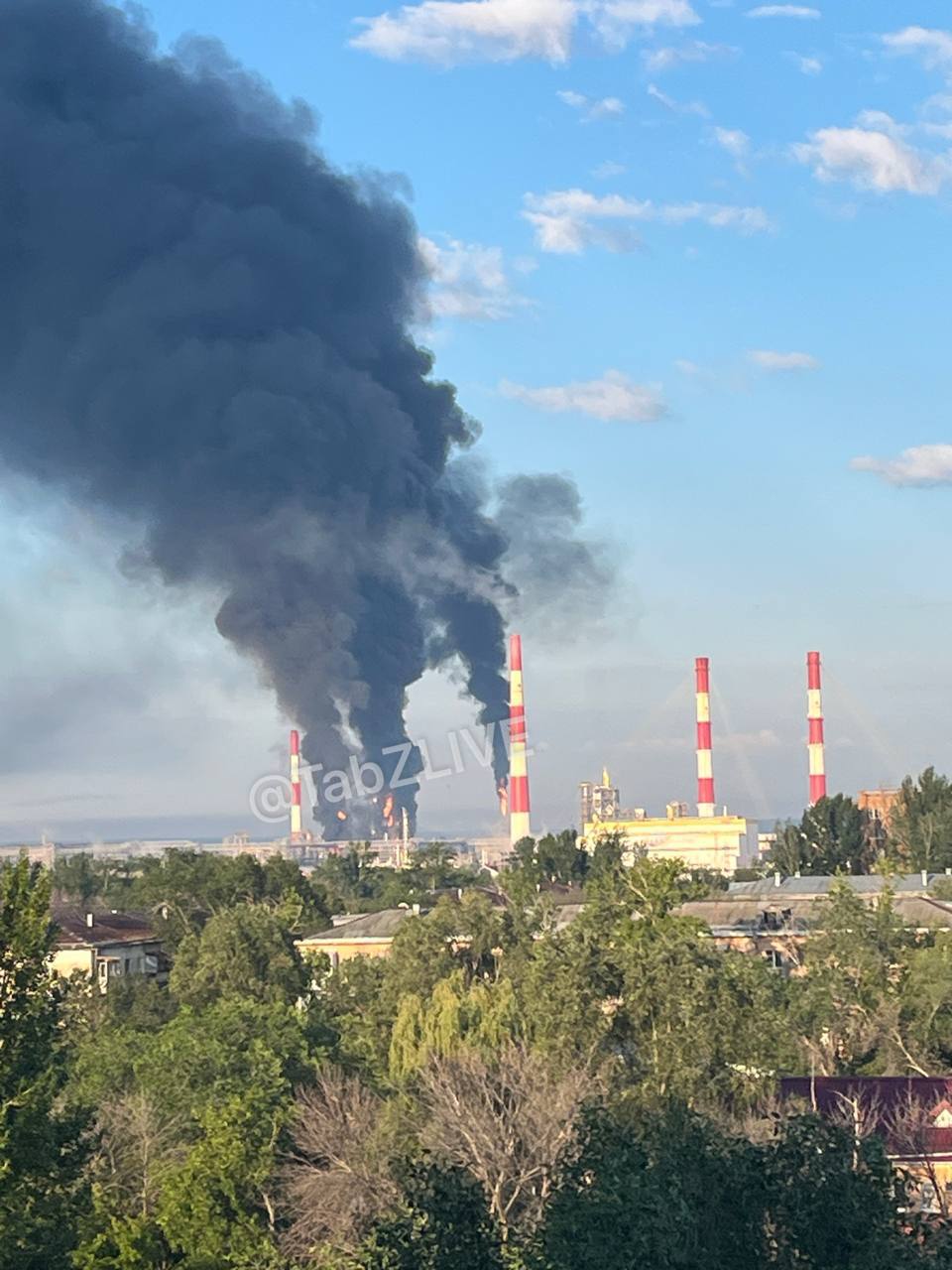
The United States responded with a series of precision airstrikes targeting Iranian military infrastructure. At 00:25:34, U.S. forces struck Bushehr, a strategic port city on the Persian Gulf, focusing on Iranian air‑defence installations. Shortly thereafter, at 00:28:35, the U.S. Air Force bombed Ahvaz in Khuzestan Province, and at 00:16:36 and 00:00:05, additional strikes hit Bandar Abbas, Qeshm Island and Sirik, all key nodes in Iran’s maritime and communications network. BellumActaNews and intelslava provided video and photographic evidence of the strikes, confirming the use of precision munitions from fighter jets.
US Airstrikes Hit Bushehr, Iran – monitor_the_situation (https://t.me/monitor_the_situation/20616)
Drone Interceptions and Explosions Across Iran
Concurrent with missile launches and airstrikes, Iranian forces engaged multiple unmanned aerial systems (UAS). The Islamic Revolutionary Guard Corps (IRGC) reported shooting down a U.S. MQ‑9 Reaper over Jam, Bushehr Province, and a second American drone over southern Iran later in the day. GeoPWatch and rnintel posted video clips of the interceptions, noting that Iranian air‑defence batteries successfully engaged the drones without reported casualties.
Explosions were recorded in several locations, including Zahedan (Sistan and Baluchestan Province), Ahvaz, and Qeshm Island. While the precise cause of each blast remains unverified, the timing aligns with reported U.S. strikes and Iranian retaliatory actions. Mehr News Agency corroborated explosions near Qeshm Island and Bandar Abbas, suggesting damage to civilian infrastructure.
Regional Context and Escalation Dynamics
Iran’s Khatam al‑Anbiya Central Headquarters claimed to have struck multiple U.S. bases in the Strait of Hormuz at 00:53:35, framing the missile and drone attacks as retaliation for earlier U.S. air operations. Although independent verification of those strikes is pending, the statement reflects Tehran’s broader strategy of reciprocal targeting.
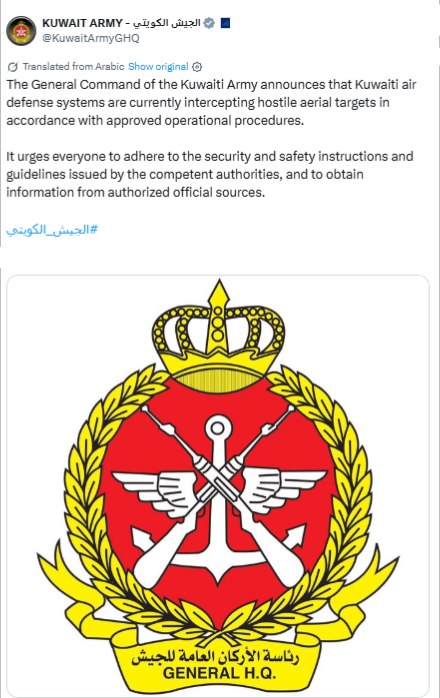
Jordanian and Iraqi air‑defence units also reported intercepting Iranian missiles aimed at U.S. bases in the region, including Muwaffaq Salti Air Base and Al‑Azraq. These interceptions, documented by GeoPWatch and rnintel, indicate a coordinated Iranian missile campaign extending beyond its own borders.
Implications for Conflict Monitoring
The concentration of kinetic events on June 10 demonstrates a rapid escalation cycle: Iranian missile launches, U.S. retaliatory airstrikes, and subsequent drone engagements. The pattern suggests a high‑intensity, short‑duration exchange that could destabilize the broader Gulf region if not contained. Monitoring agencies should prioritize real‑time verification of strike locations, casualty assessments, and the operational status of Iranian air‑defence networks.