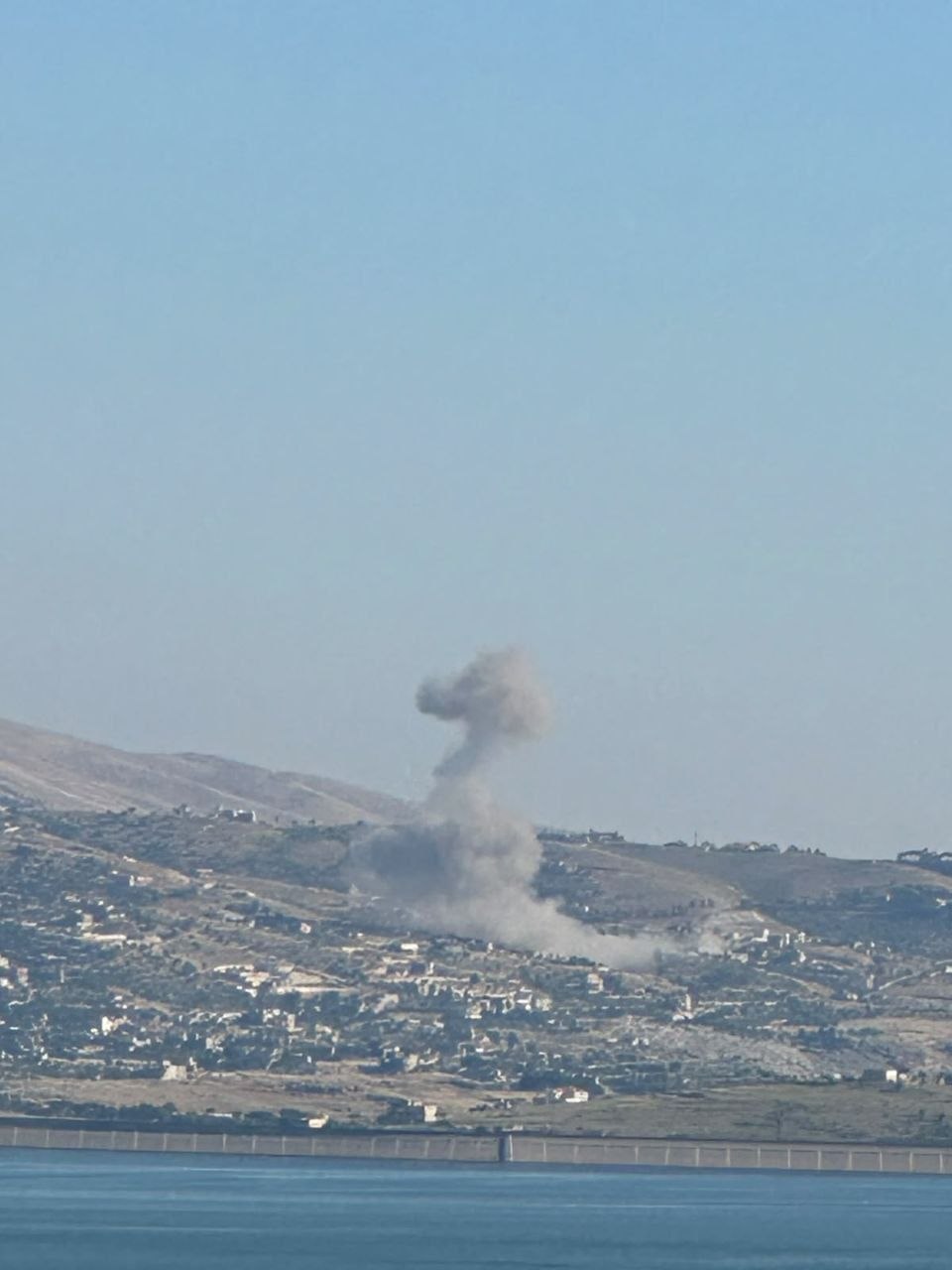
On 10 June 2026, Israeli forces conducted a coordinated air and artillery campaign targeting towns across Lebanon’s Tyre and Nabatieh regions. State media in Beirut reported that aircraft and ground‑based artillery shells struck multiple locations beginning at 15:36 GMT, marking the most extensive strike of the day. The operation was documented in a video released by the Telegram channel monitor_the_situation (source).
Scope of the 15:36 GMT strike
The attack encompassed residential districts, commercial streets and infrastructure in the coastal city of Tyre and inland towns of the Nabatieh Governorate. While casualty figures for this specific wave have not been released, the intensity of the bombardment was confirmed by aerial footage showing multiple explosions and smoke plumes over densely populated neighborhoods.
Earlier high‑casualty incidents
At 09:49 GMT, a separate Israeli strike on Tyre resulted in eight civilian deaths, according to the Telegram channel rnintel (source). Video evidence showed a blast in a market area, followed by emergency responders arriving on scene.
Thirty‑seven minutes later, at 09:12 GMT, the village of Tayr Debba in the South Governorate was hit by airstrikes that killed six people. The same channel, monitor_the_situation, identified the Israeli Defense Forces as the responsible party and noted that Hezbollah forces were operating nearby (source).
Hezbollah rocket response
In the early morning, at 07:58 GMT, Hezbollah launched a salvo of 122 mm Grad rockets toward Israeli Defense Forces positions in the town of Rchaf, Nabatieh Governorate. Footage released by monitor_the_situation captured the launch sequence and the subsequent impact zones (source). No Israeli casualties were reported in the immediate aftermath.
Satellite evidence of damage
“Satellite images show extensive damage to residential blocks, UNESCO heritage buffer zones and Palestinian refugee camps in Tyre following the Israeli attacks.” – Al Jazeera, 10 June 2026 (source)
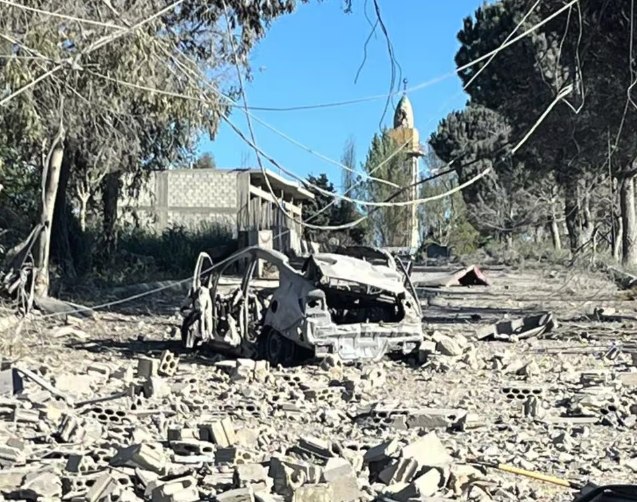
The Al Jazeera analysis corroborates on‑the‑ground reports, indicating that the historic city of Tyre suffered structural damage to its UNESCO‑listed sites, as well as to civilian infrastructure.
Additional air operations
Between 11:26 GMT and 15:08 GMT, a series of lower‑intensity airstrikes were recorded across southern Lebanon. Notable incidents include:
- 11:26 GMT – A car in Sidon was struck, raising further tension (monitor_the_situation, source).
- 11:34 GMT – An unspecified strike in southern Lebanon (rnintel, source).
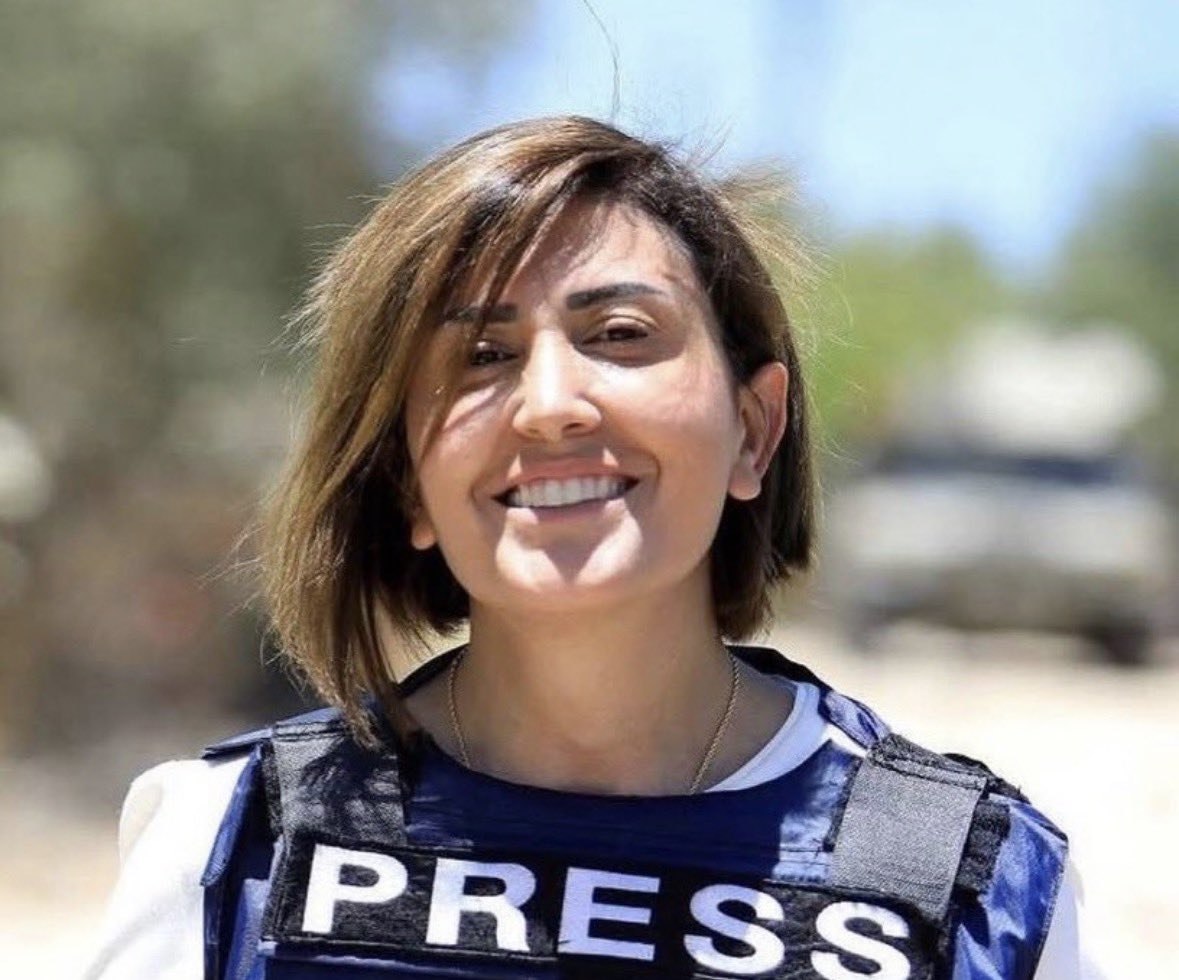
- 11:59 GMT – An airstrike in al‑Tiri that killed journalist Amal Khalil and injured Zeinab Faraj; the incident involved delayed deconfliction requests and prompted UNIFIL and Red Cross response (GeoPWatch, source).
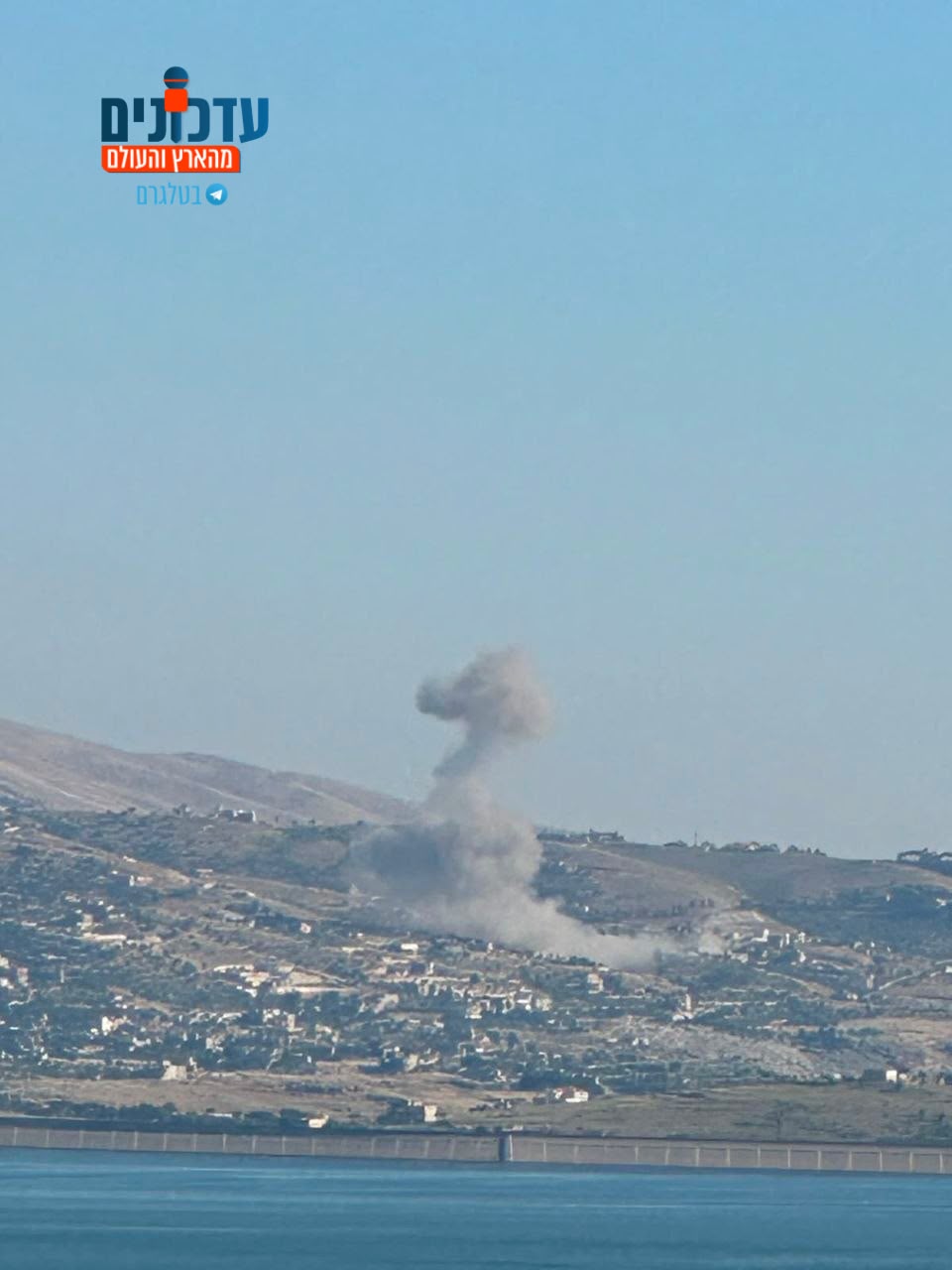
- 14:18 GMT – The Israeli Air Force intercepted a suspicious aerial target over southern Lebanon, triggering alerts (idkunim_il, source).
- 14:51 GMT – An Israeli Air Force strike in a Lebanese valley (idkunim_il, source).
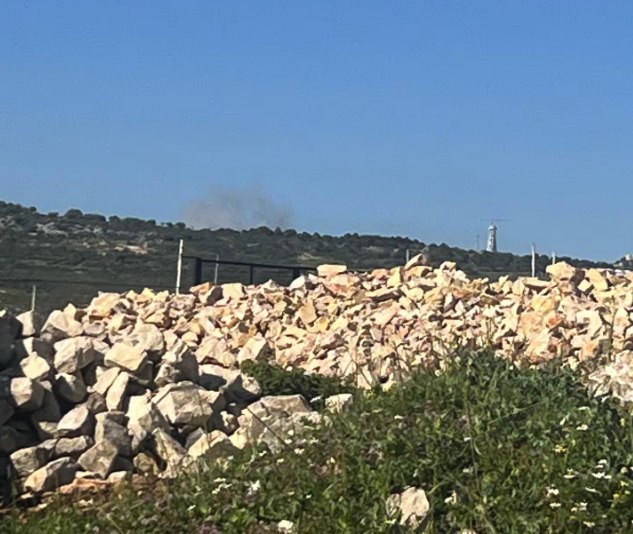
- 15:08 GMT – A further airstrike in southern Lebanon, documented by a photo (rnintel, source).
Casualty tally and humanitarian impact
Confirmed civilian deaths on 10 June total 14 individuals (eight in Tyre, six in Tayr Debba). Injuries were reported in al‑Tiri, where two journalists were affected, and in multiple strike zones where local residents sought shelter. Damage to heritage sites in Tyre adds a cultural dimension to the humanitarian toll.
Operational analysis
The pattern of strikes demonstrates a shift toward simultaneous multi‑target engagements, combining aerial bombardment with artillery fire. The timing of the 15:36 GMT operation, occurring after earlier high‑casualty attacks, suggests a coordinated escalation aimed at pressuring Hezbollah positions while also targeting civilian infrastructure. Hezbollah’s rocket launch from Rchaf indicates a reciprocal, albeit limited, capability to strike across the border.
Interception of an unidentified aerial object by the Israeli Air Force at 14:18 GMT reflects heightened air‑defence vigilance in the contested zone. The presence of UNIFIL and Red Cross responders in al‑Tiri underscores the ongoing risk to non‑combatants and the challenges of deconfliction in a densely populated theater.
Conclusion
June 10 2026 marked one of the most intense days of kinetic activity in Lebanon since the escalation began in early 2024. The combination of high‑casualty airstrikes, heritage‑site damage, and cross‑border rocket fire underscores the volatile security environment in the south. Continued monitoring of strike patterns, casualty reports, and international response mechanisms will be essential for assessing the trajectory of the conflict.