Israel’s air campaign in southern Lebanon intensified early on June 9, 2026, resulting in the deadliest single‑day strike of the conflict’s recent phase. At 04:34:45 local time, Israeli forces bombed a location in southern Lebanon, killing fourteen individuals, according to Al Jazeera. The strike followed an exchange of fire with Iranian‑backed elements operating in the area, marking a direct escalation between Israel and Iran on Lebanese soil. The report, published on Al Jazeera’s website (https://www.aljazeera.com/news/2026/6/9/israel-kills-14-in-southern-lebanon-after-trading-fire-with-iran?traffic_source=rss), described the incident as “Israel kills 14 in southern Lebanon after trading fire with Iran.”
Lebanese Front
Within minutes of the 04:34:45 strike, another Israeli air operation targeted the Tyre district of southern Lebanon, killing twelve civilians and combatants, as documented by Al Jazeera’s video feed (https://www.aljazeera.com/video/newsfeed/2026/6/9/aje-onl-nf_israel-strikes-lebanon-moments-before-on-air-090626?traffic_source=rss). The Tyre attack, recorded at 04:24:18, was part of a broader pattern of intensified bombardments aimed at disrupting Hezbollah and Iranian proxy networks. Later, at 05:52:44, Israeli jets struck the cities of Nabatieh and Tyre, a development reported by the Telegram channel monitor_the_situation (https://t.me/monitor_the_situation/20466). While casualty figures for the Nabatieh strike were not immediately released, the repeated targeting of densely populated urban centers raises concerns about civilian exposure and the potential for broader regional spill‑over.
“Israel intensifies strikes in southern Lebanon killing 12 people,” Al Jazeera reported, underscoring the rapid escalation of hostilities.
These coordinated attacks illustrate a shift from limited border skirmishes to sustained aerial campaigns across Lebanon’s southern corridor. The involvement of Iranian forces, as indicated by the exchange of fire preceding the 14‑person death toll, suggests that Tehran’s regional proxies are increasingly willing to confront Israeli assets directly, heightening the risk of a wider confrontation.
Gaza Operations
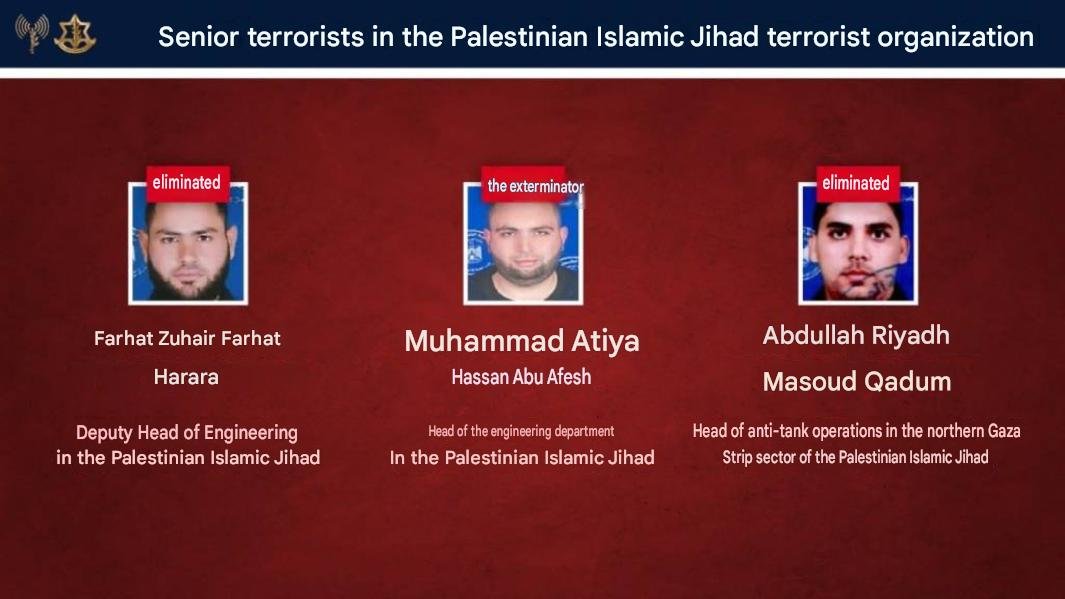
Simultaneously, the Israeli Defense Forces (IDF) conducted targeted assassinations in the central Gaza Strip. At 05:39:40, the IDF eliminated three members of the Palestinian Islamic Jihad (PIJ), including the head of its Engineering and Specializations unit, according to monitor_the_situation (https://t.me/monitor_the_situation/20465). The operation, described as two precision strikes, reflects Israel’s ongoing strategy of degrading PIJ’s command structure while avoiding a full‑scale ground offensive. No civilian casualties were reported in the Gaza operation, though the broader context of heightened Israeli activity raises the probability of collateral damage in densely built‑up areas.
Iranian Counter‑Strike Claims
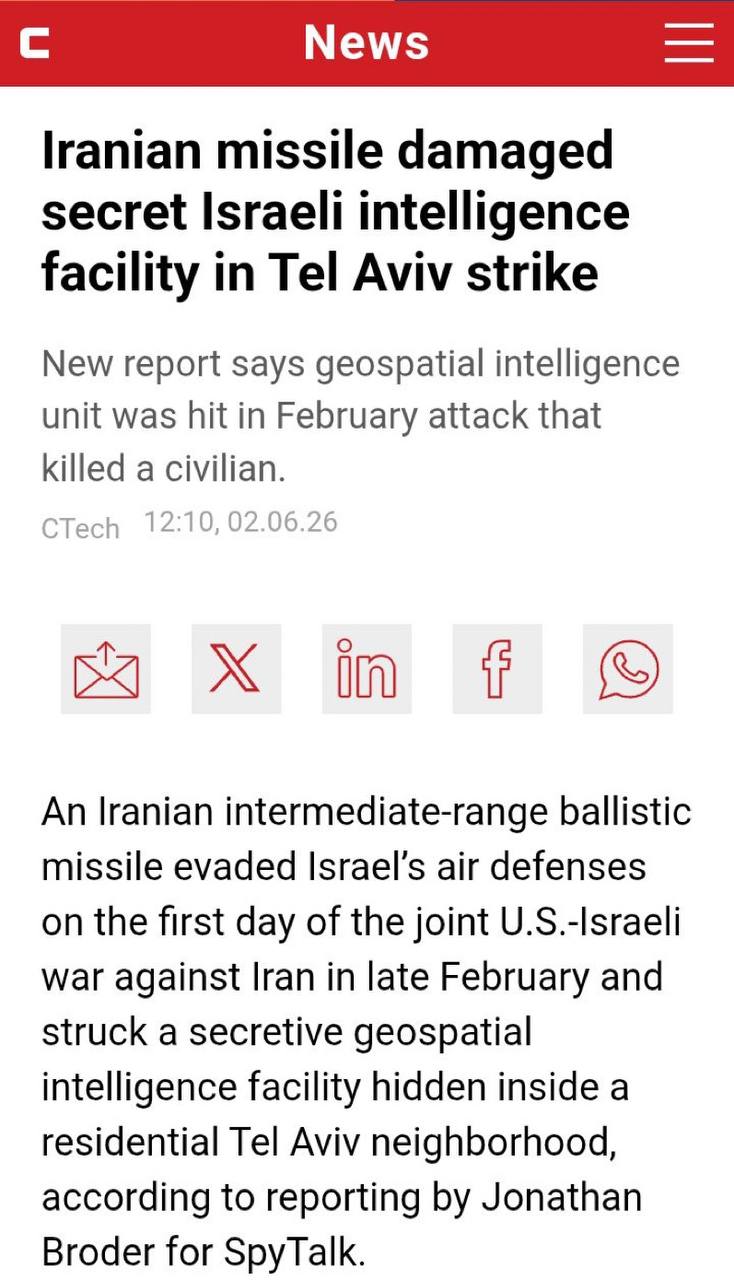
In a separate development, Iranian forces reportedly struck Israel’s secret geospatial intelligence Unit 9900 building in late February, a claim circulated on the CIG_telegram channel (https://t.me/CIG_telegram/77182). The message, posted on June 9, described the attack as a missile strike against a facility “hidden inside a residential area,” accusing Israel of using human shields. While the incident occurred months earlier, its resurfacing on the day of the Lebanese strikes underscores Tehran’s narrative of retaliation and its capacity to target high‑value Israeli intelligence assets. The weapon cited was a missile, though technical specifics were not disclosed.
ISKP Threats
Beyond the Israeli‑Iranian axis, the Islamic State Khorasan Province (ISKP) issued a new threat on June 9. BellumActaNews reported that ISKP claimed responsibility for a January bombing of Chinese nationals in Afghanistan and warned of increased attacks in response to perceived Uyghur persecution (https://t.me/BellumActaNews/173881). The group’s statement, delivered via a bomb‑related claim, signals an expansion of its operational focus beyond the Afghan‑Pakistani theater, potentially drawing additional international actors into the regional security calculus.
“ISKP Boasts January Bombing of Chinese Nationals; Threatens, Alongside Pro‑IS Groups, to Increase Attacks Avenging Uyghur Persecution,” BellumActaNews noted.
While the ISKP threat does not directly intersect with the Israeli‑Lebanese‑Iranian flare‑up, it adds a layer of complexity to an already volatile environment, illustrating how multiple non‑state actors may exploit moments of heightened tension to advance their agendas.
Analysis and Implications
The June 9 events represent a coordinated surge of kinetic actions across several fronts. The twin Lebanese airstrikes, resulting in at least twenty‑six deaths, constitute the most lethal Israeli operation in the country since the 2023 border clashes. The involvement of Iranian forces, whether through direct fire exchanges or the claimed missile strike on Unit 9900, indicates a willingness by Tehran to engage Israel beyond proxy channels.
In Gaza, the IDF’s precision killings of PIJ leadership aim to degrade militant capabilities without triggering a broader ground war, yet the cumulative pressure may provoke retaliatory rocket fire from Gaza‑based factions. Meanwhile, ISKP’s publicized threats against Chinese interests could draw Beijing’s diplomatic and security resources into the regional equation, potentially influencing the calculus of states with vested interests in Afghanistan and the broader Indo‑Pacific.
Overall, the pattern suggests a multi‑layered escalation: conventional state‑to‑state confrontations between Israel and Iran, proxy‑driven violence in Lebanon and Gaza, and opportunistic terrorist threats from ISKP. Monitoring agencies should anticipate further Israeli air operations in southern Lebanon, possible Iranian missile deployments, and an uptick in ISKP‑inspired attacks targeting foreign nationals or symbols of perceived oppression.