On 9 June 2026, southern Lebanon experienced a surge of kinetic activity that combined large‑scale Israeli airstrikes with a wave of Hezbollah‑launched unmanned aerial systems. The day began with the deadliest incident of the conflict: an Israeli airstrike on the coastal city of Tyre that killed at least nine civilians and injured twenty‑eight, according to local media cited by rnintel.
High‑Casualty Airstrike in Tyre
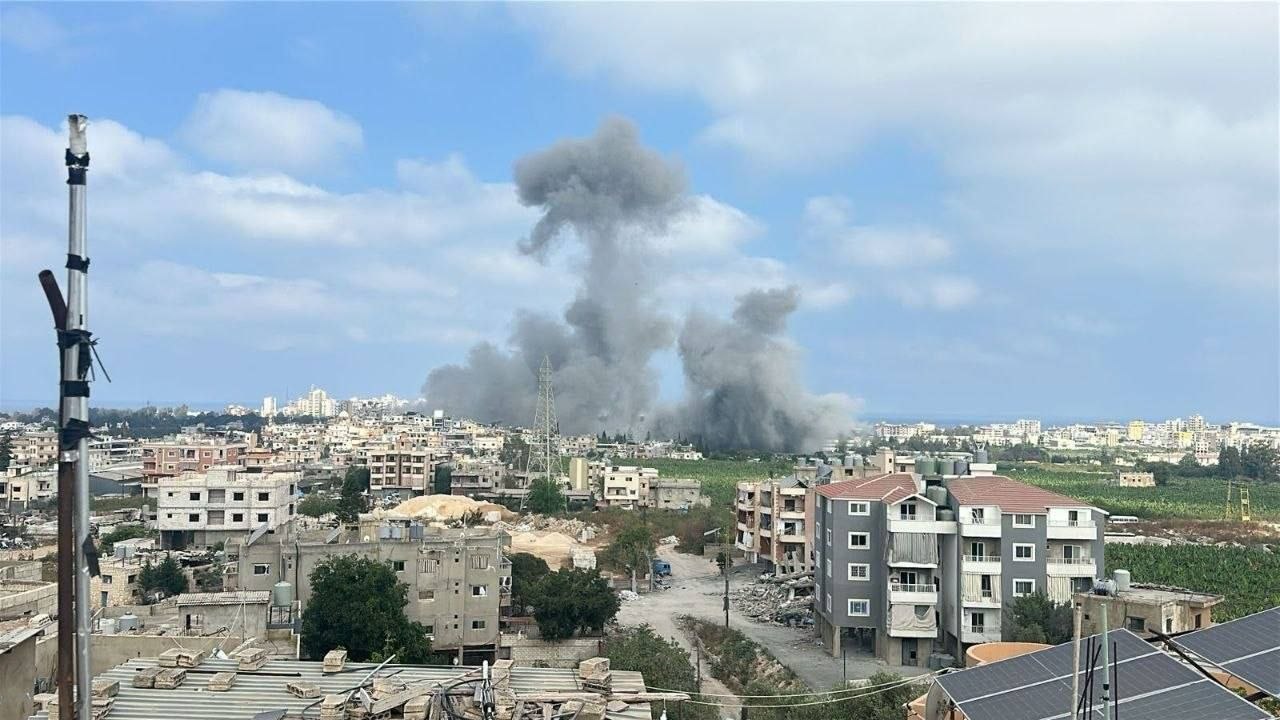
At 10:29:47 UTC, Israeli Defense Forces (IDF) conducted an airstrike targeting an unspecified site in Tyre, a major port city in southern Lebanon. The attack resulted in nine confirmed fatalities and twenty‑eight injuries, as reported in video footage shared on the Telegram channel rnintel. The channel’s summary states, "Israeli airstrikes in Tyre, southern Lebanon killed at least 9 people and injured 28."
"Israeli airstrikes in Tyre, southern Lebanon killed at least 9 people and injured 28." – rnintel, 2026‑06‑09T10:29:47
The strike follows a pattern of intensified aerial operations aimed at degrading Hezbollah’s infrastructure in the south, a strategy reiterated by Israeli officials in recent weeks.
Destruction of Maroun al‑Ras Village
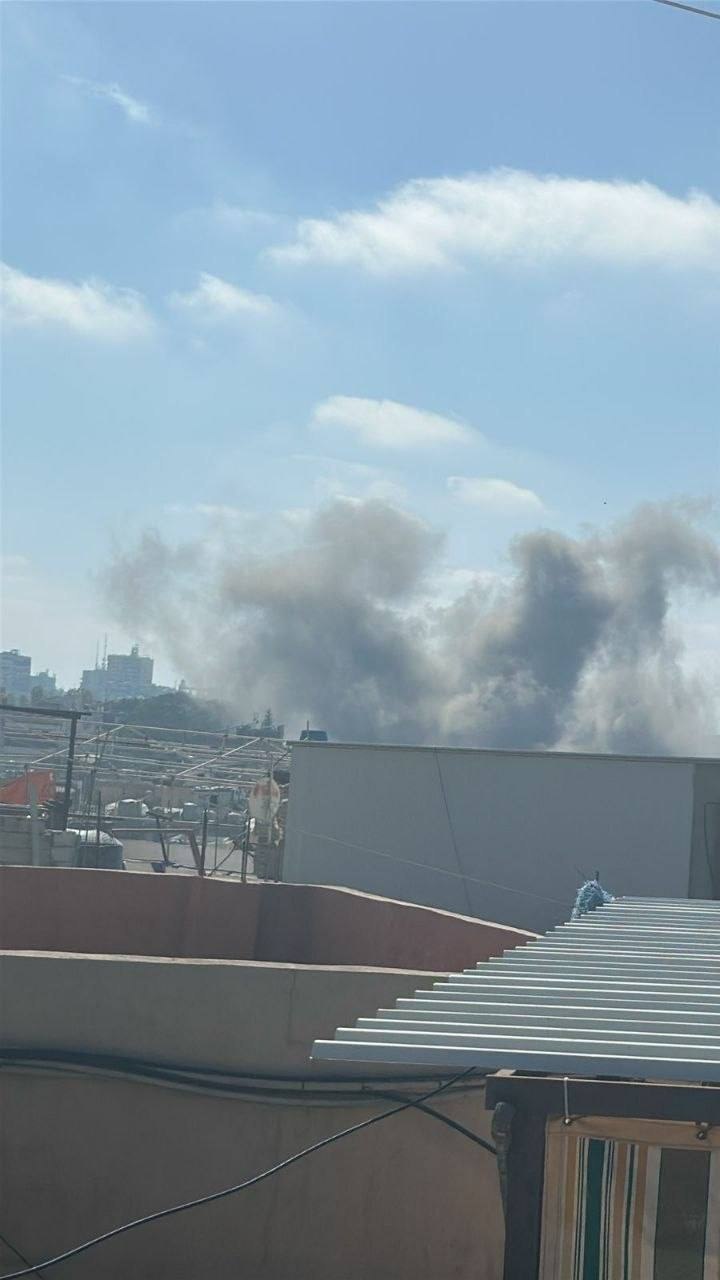
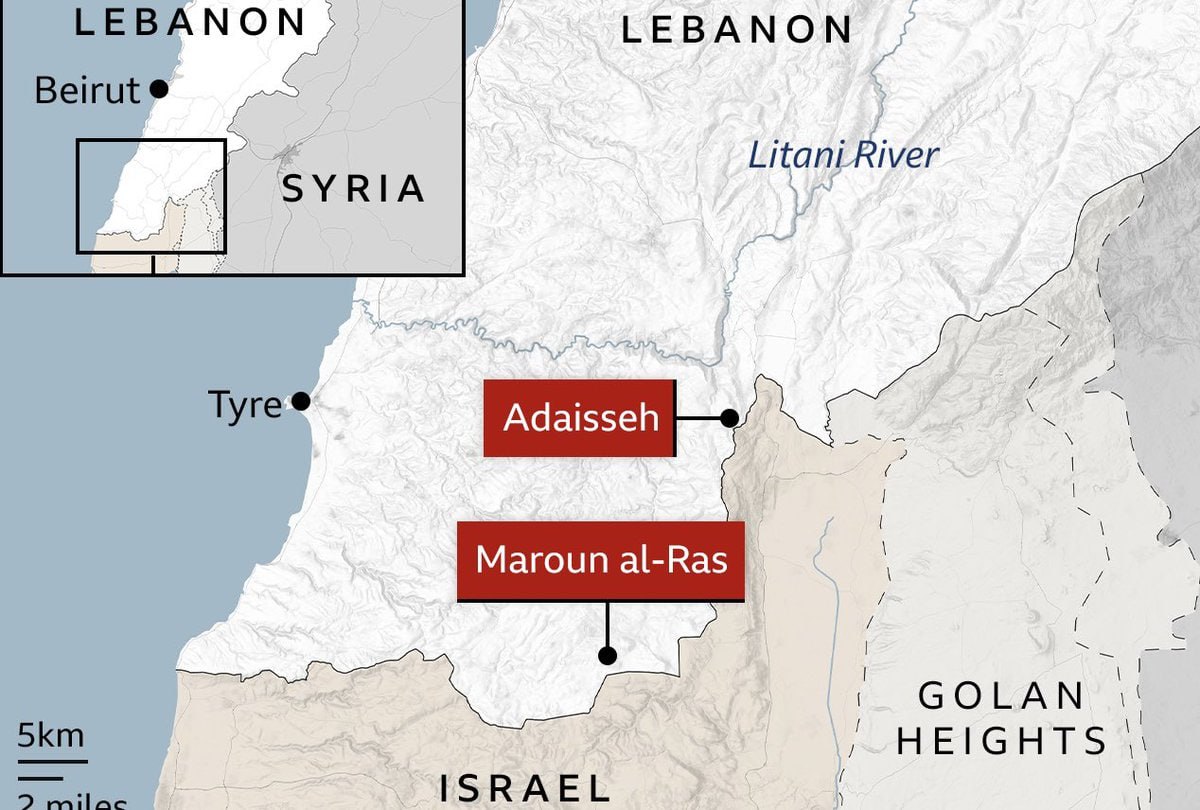
Earlier in the morning, at 06:37:38 UTC, Israeli media released video and photographic evidence of extensive damage to the village of Maroun al‑Ras, located near the Israeli‑Lebanese border. The footage, posted on the same Telegram channel, shows collapsed structures and smoke plumes, indicating a systematic bombardment. No casualty figures were released, but the visual evidence confirms the village’s near‑total destruction.
Video and photos of Maroun al‑Ras destruction – rnintel, 2026‑06‑09T06:37:38
Additional Strikes Near Tyre
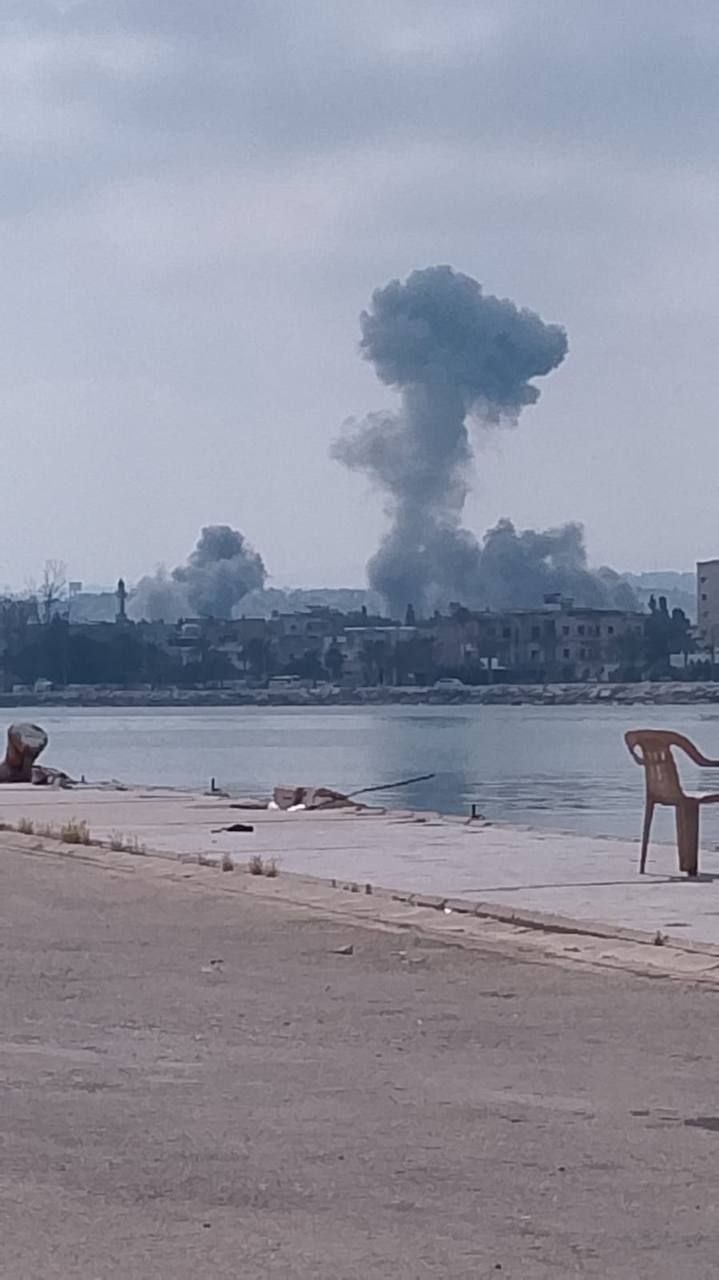
At 06:29:02 UTC, the IDF launched a second strike in the vicinity of Tyre, as documented by rnintel with a single photograph. While the report does not provide casualty data, the repeated targeting of the Tyre area underscores a concentrated campaign to pressure Hezbollah positions along the coast.
"Another round of IDF strikes near Tyre, southern Lebanon." – rnintel, 2026‑06‑09T06:29:02
Hezbollah Drone and Missile Operations
Hezbollah responded with a series of unmanned aerial vehicle (UAV) attacks. At 17:32:22 UTC, the group released footage of an Ababil first‑person view (FPV) drone striking an Israeli Merkava tank near Beaufort Castle. The video, shared by monitor_the_situation, demonstrates the growing sophistication of Hezbollah’s drone capabilities.
Hezbollah footage shows Ababil FPV drone hitting Merkava tank – monitor_the_situation, 2026‑06‑09T17:32:22
Earlier, at 06:10:01 UTC, Hezbollah claimed to have hit another Merkava tank in the same area with an anti‑tank guided missile (ATGM). The claim, posted by monitor_the_situation, adds a conventional kinetic dimension to the UAV attacks.
Hezbollah ATGM strike on Merkava near Beaufort Castle – monitor_the_situation, 2026‑06‑09T06:10:01
Additional drone strikes were reported in Qantara (13:05:59 UTC) and Yohmor (11:59:35 UTC), where Hezbollah said FPV drones hit an Israeli building and an Oshkosh HEMTT truck, respectively. Both incidents were accompanied by video releases, indicating a coordinated effort to target Israeli ground assets.
Israeli Air Raids on Zefta and Aadshit
At 17:08:48 UTC, Israeli aircraft bombed the towns of Zefta and Aadshit, killing at least two civilians. The operation, reported by monitor_the_situation, is part of a broader campaign against what Israel describes as Hezbollah‑linked infrastructure.
"Israeli air raids killed at least two people in Lebanon's Zefta and Aadshit." – monitor_the_situation, 2026‑06‑09T17:08:48
Fire Belt Observation in Jabal al‑Rihan
At 16:13:33 UTC, GeoPWatch documented a visible fire belt in Jabal al‑Rihan, confirming ongoing aerial bombardment across southern Lebanon. The photo evidence suggests that the Israeli Air Force maintained a high tempo of strikes throughout the afternoon.
Fire belt observed in Jabal al‑Rihan – GeoPWatch, 2026‑06‑09T16:13:33
Air Defense Interceptions
Israel’s air defense network intercepted two Hezbollah‑launched drones over southern Lebanon at 17:58:12 UTC, as reported by monitor_the_situation. A separate report from GeoPWatch at 17:45:06 UTC described the interception of two suspicious aerial objects, though no attribution was provided. These interceptions highlight the contested airspace and the increasing use of low‑observable UAVs by non‑state actors.
"Israel intercepts two Hezbollah drones over southern Lebanon." – monitor_the_situation, 2026‑06‑09T17:58:12
Ground Incursions and Border Exchanges
At 14:02:56 UTC, a Hezbollah fighter was killed during an infiltration attempt and subsequent gunfire exchange on the Israel‑Lebanon border in the Ramim mountain range. GeoPWatch reported that the combatant was armed with a firearm and a knife, confirming that conventional small‑arms engagements continue alongside aerial operations.
Hezbollah fighter killed after border infiltration – GeoPWatch, 2026‑06‑09T14:02:56
Later, an Israeli official publicly praised Hezbollah’s advance beyond the Litani River, framing it as a “huge achievement” for the militant group. The statement, circulated by monitor_the_situation, reflects the shifting front‑line dynamics in the south.
"Hezbollah push beyond Litani River is a huge achievement." – monitor_the_situation, 2026‑06‑09T14:28:09
Drone Incursions into Urban Areas
Israeli drones entered Beirut airspace at 12:57:16 UTC, a development noted by rnintel. While no hostile action was reported, the presence of Israeli UAVs over the capital signals an expansion of surveillance or intimidation tactics beyond the immediate border zone.
Israeli drones enter Beirut airspace – rnintel, 2026‑06‑12:57:16
In Sharqiya, a drone strike at 08:44:01 UTC injured three individuals, including civil‑defense personnel. The incident, reported by monitor_the_situation, underscores the risk to civilian responders during the conflict.
Drone strike injures three in Sharqiya – monitor_the_situation, 2026‑06‑09T08:44:01
Analytical Overview
The June 9 kinetic events illustrate a marked escalation in both the intensity and diversity of weapons employed by the warring parties. Israeli air power continues to focus on densely populated coastal zones, resulting in civilian casualties that raise humanitarian concerns. Simultaneously, Hezbollah’s adoption of FPV drones, ATGMs, and conventional rockets demonstrates a hybrid approach that blends low‑cost UAVs with precision‑guided munitions.
Air‑defense interceptions indicate that Israel retains a functional layered defense against low‑altitude threats, yet the frequency of drone incursions suggests that Hezbollah’s UAV fleet is expanding in both number and operational reach. The infiltration and border exchange in the Ramim mountains reveal that ground‑level confrontations persist despite the aerial focus.
Overall, the day's events point to a conflict that is increasingly multidimensional, with urban centers like Beirut becoming part of the contested airspace while traditional front‑line battles continue in the south.