On June 9, 2026, Israel experienced a surge of kinetic incidents concentrated along its northern border with Lebanon, complemented by a series of air and missile engagements within its territory. The most consequential event occurred at the Israel‑Lebanon frontier when two Lebanese individuals were killed—one after crossing into Israel and opening fire on IDF troops with a handgun, and the other on the Lebanese side of the border. Israeli forces neutralized the infiltrator, confirming the lethal use of small arms in a cross‑border confrontation (Source: rnintel, link).
Border Infiltrations and Immediate IDF Responses
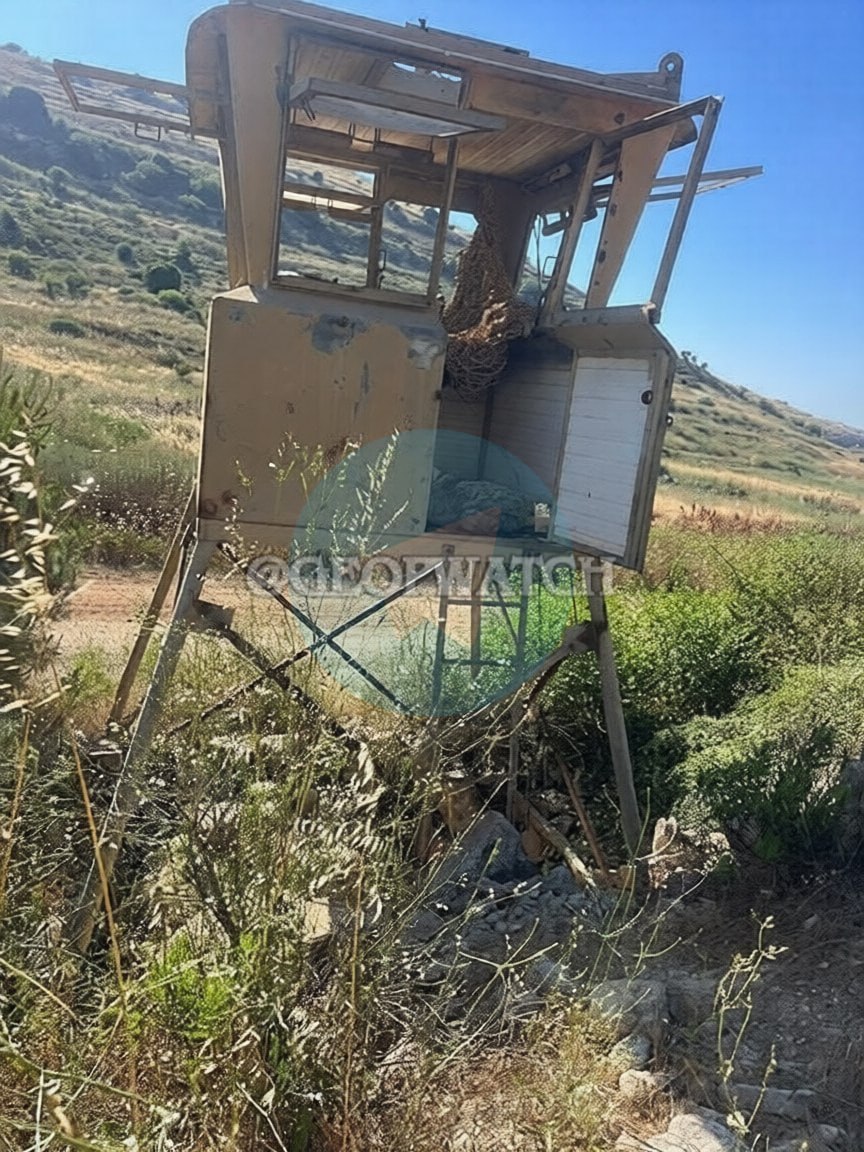
Throughout the day, a cascade of infiltration attempts by Hezbollah operatives was reported. At approximately 15:00 local time, a Hezbollah fighter crossed near Margaliot, seized an abandoned guard post, and opened fire on IDF soldiers. The soldier‑level engagement resulted in the infiltrator’s death after IDF troops returned fire (Source: GeoPWatch, link).
Later, at 16:14, IDF units eliminated a terrorist who had opened fire near the Ramat Ridge area, close to the Meragel settlement. The engagement occurred at an abandoned IDF position, and the attacker was identified only after discharging his weapon (Source: idkunim_il, link).
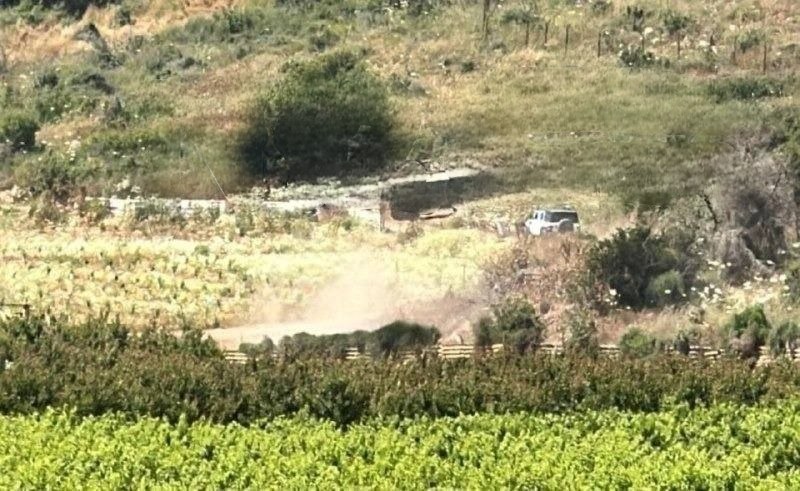
In the Ramim Ridge sector, multiple incidents unfolded. At 12:56, Israeli officials warned that a Hezbollah infiltrator operating near Ramim Ridge might belong to a larger tunnel‑based cell, indicating a potential escalation in subterranean threats (Source: rnintel, link). By 12:42, a separate armed infiltrator crossed the border and opened fire on IDF forces, prompting an immediate response (Source: intelslava, link).
Additional infiltration attempts were documented near Manara, Misgav Am, and the Menara settlement. In each case, Hezbollah fighters armed with rifles and knives engaged Israeli forces before being neutralized, with no Israeli casualties reported (Sources: GeoPWatch, link; BellumActaNews, link; idkunim_il, link).
Air Operations Within Israeli Territory
Beyond ground incursions, Israel conducted several air operations. At 10:23, the Israeli Air Force executed an attack in the town of Tzur, though details on targets and outcomes remain limited (Source: idkunim_il, link). Earlier, at 07:08, the IDF struck Hamas’s naval police headquarters in Khan Yunis, Gaza, destroying three weapons warehouses and killing a squad commander among the militants (Source: rnintel, link). While the latter event occurred in Gaza, it reflects the broader kinetic posture of Israeli forces on the same day.
In the northern sector, an interceptor missile was launched over Nahariyya in the Western Galilee after the detection of suspicious objects. No civil alerts were issued, suggesting the missile was part of a defensive counter‑measure system rather than an offensive strike (Source: GeoPWatch, link).
Command and Control Deployments
Israel’s elite units were mobilized in response to the heightened threat environment. At 12:54, Shayetet 13 commandos of the Israeli Navy were deployed to the Ramim Ridge area following a Hezbollah infiltration, underscoring the integration of naval special forces in land‑based border security (Source: rnintel, link). Simultaneously, IDF special commando units were engaged in a prolonged incident on the northern border that lasted over an hour, reflecting the intensity of the engagements (Source: idkunim_il, link).
Further, Israeli Army and Air Force assets conducted combing operations across the Upper Galilee border area, coordinating ground patrols with aerial surveillance to detect and deter additional infiltrations (Source: monitor_the_situation, link).
Analysis of the Day’s Kinetic Activity
The concentration of infiltration attempts along the Israel‑Lebanon border suggests a coordinated effort by Hezbollah to test Israeli defensive depth. The use of small arms, knives, and limited explosives indicates a strategy focused on rapid, low‑profile incursions rather than large‑scale assaults. Israeli responses—characterized by swift lethal force, deployment of elite units, and the activation of missile interceptors—demonstrate a robust, multi‑layered defense posture.
While the day’s incidents were largely confined to the northern frontier, the broader operational environment remains influenced by regional dynamics, including the ongoing conflict in Gaza and heightened tensions with Iran. The IDF’s simultaneous airstrike in Gaza and defensive actions in the north illustrate Israel’s capacity to conduct multi‑theater operations without apparent degradation of response times.
Overall, the events of June 9 underscore a pattern of persistent low‑intensity conflict along Israel’s borders, with the potential for escalation should infiltration tactics evolve or if external actors increase support for militant groups operating in southern Lebanon.
"BREAKING: HEZBOLLAH ARMED INFILTRATOR CROSSES INTO ISRAELI TERRITORY, OPENS FIRE ON IDF" – intelslava
Key observations include the rapid identification and neutralization of infiltrators, the integration of special forces in border security, and the activation of missile defense systems in response to aerial threats.