In the early hours of 9 June 2026, a coordinated wave of aerial attacks intensified the conflict in eastern Ukraine, resulting in civilian casualties, infrastructure damage, and heightened operational risks for both sides. The most lethal incident occurred in the Kharkiv region, where Russian night‑time drone and missile strikes killed eight civilians and wounded 18, underscoring the growing vulnerability of populated areas to unmanned systems.
Russian Night Attacks in Kharkiv Oblast
At approximately 05:09 local time, Russian forces launched a series of drone incursions across Kharkiv city, registering at least eleven confirmed impacts. A separate missile strike hit the town of Chuhuiv, causing additional damage. The attacks resulted in eight civilian deaths, including a 22‑year‑old pregnant woman, and injured 18 others, among them three children. Drone and missile weapons were employed in a pattern consistent with prior Russian tactics aimed at disrupting civilian morale and logistical networks.
🟠 **Russian Night Attacks Kill 8 Civilians in Kharkiv Region** – Source: monitor_the_situation
The incident was reported by the monitoring channel monitor_the_situation, which also supplied a photograph of the Chuhuiv missile impact. No official military organization claimed responsibility, reflecting the routine use of anonymous aerial assets in the conflict.
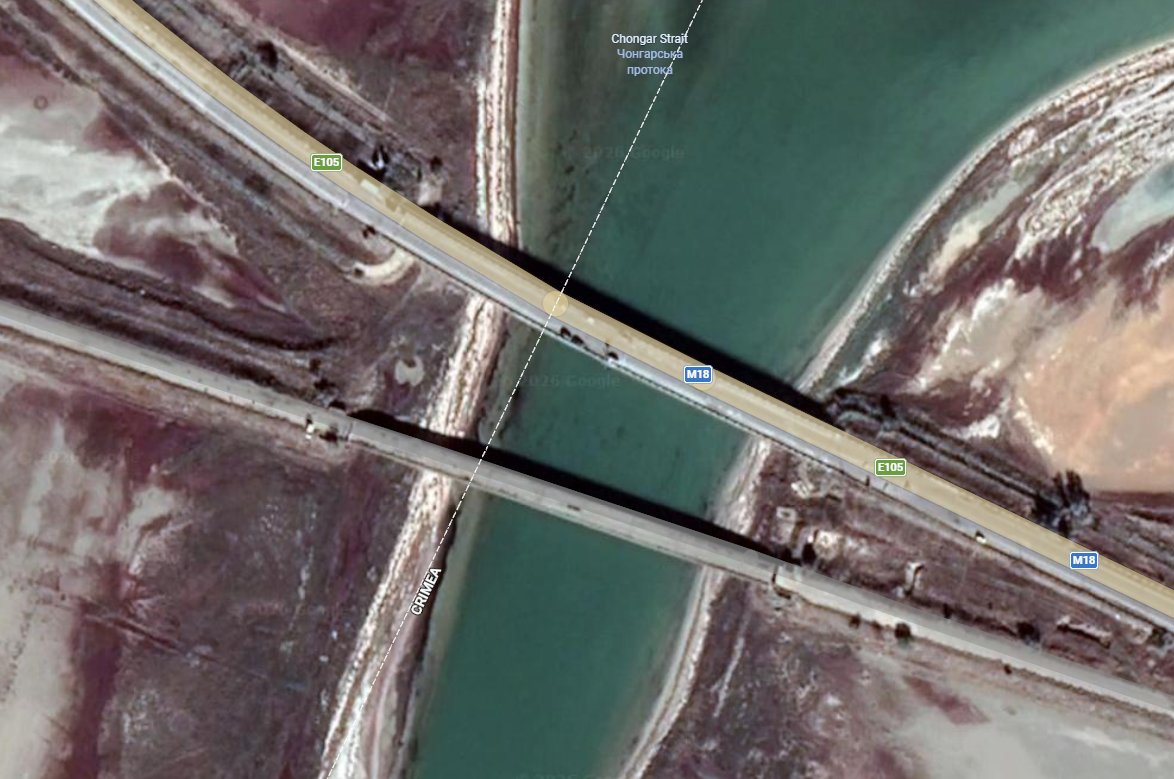
Ukrainian Drone Strike on Chonhar Bridge, Kherson Oblast
At 05:28, a Ukrainian‑operated drone struck the Chonhar Bridge, a critical crossing in the Russian‑occupied Kherson region. The impact forced an immediate closure of the bridge, halting both civilian and military traffic. Russian‑installed regional head Volodymyr Saldo confirmed the damage and announced that repair crews were mobilised to restore the crossing.
"The bridge has been damaged by a Ukrainian drone; repair crews are working around the clock," – Volodymyr Saldo, Kherson administration, source: monitor_the_situation
The strike employed a single combat drone, demonstrating Ukraine’s capacity to target strategic transport links within occupied territories.
Ukrainian Drone Campaign Against Russian Oil Depots
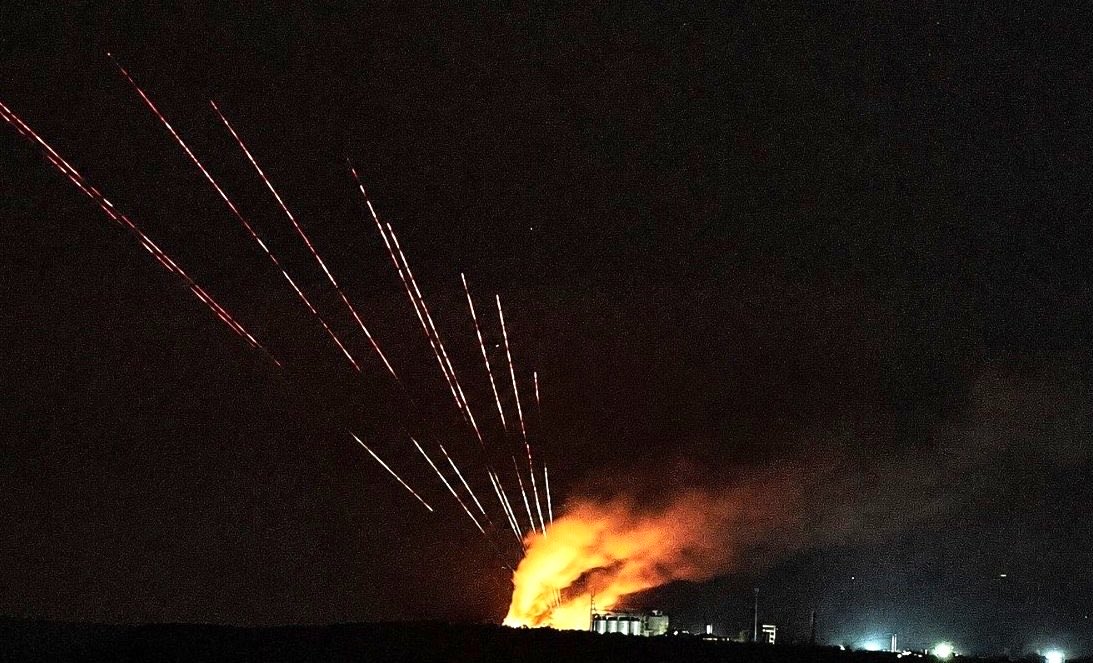
Two separate drone attacks were documented in Russia’s Krasnodar Krai. The first targeted the Grushovaya Balka oil depot near Novorossiysk; the second struck the Ust‑Labinsk oil depot. Both incidents contributed to widespread fuel shortages across the region, with numerous gas stations reporting closures or limited supply.
Fuel supply problems are spreading in Krasnodar, Russia, after repeated Ukrainian drone strikes on regional oil infrastructure – source: monitor_the_situation
These operations employed commercial‑grade drones adapted for precision strikes on storage facilities, highlighting a shift in Ukrainian tactics toward economic disruption beyond the front lines.
Ukrainian Mid‑Range Drone Destroys Russian Ammunition Depot in Luhansk Oblast
At 03:40, a Ukrainian mid‑range drone penetrated Russian‑held territory in Luhansk Oblast and detonated an ammunition dump. Satellite imagery confirmed the explosion, which likely degraded Russian artillery resupply capabilities in the sector.
Ukrainian Drone Strike Destroys Russian Ammunition Dump in Luhansk Oblast – source: monitor_the_situation
The weapon system described as a mid‑range UAV suggests a platform with extended endurance and payload capacity, enabling strikes deep within contested zones.
Russian KAB Glide Bombs Hit Treelines West of Vozdvyzhivka, Zaporizhzhia Oblast
Satellite imagery released at 03:09 confirmed the deployment of Russian KAB glide bombs against treeline cover west of Vozdvyzhivka. While no civilian casualties were reported, the strikes illustrate Russia’s use of precision‑guided munitions to deny cover and disrupt potential Ukrainian maneuver corridors.
Russian KAB glide bombs struck treelines west of Vozdvyzhivka – source: monitor_the_situation
The KAB family of glide bombs, launched from aircraft at altitude, provides a stand‑off capability that reduces exposure of Russian air assets to Ukrainian air defenses.
Ukrainian Antonov‑26 Deploys Drone Interceptors Over Saudi Arabia
In a development extending beyond the Ukrainian theatre, an Antonov‑26 operated by the Ukrainian Air Force conducted a sortie from the United Arab Emirates, releasing drone‑interceptor munitions over Saudi Arabian airspace. The operation, reported by BellumActaNews, reflects Ukraine’s expanding role in regional security cooperation, particularly against Iranian‑supplied drones active in the Third Gulf War.
🇺🇦🤝🇸🇦🇦🇪 — Ukrainian Air Force Antonov 26 dropping drone interceptors in Saudi Arabia from the UAE – source: BellumActaNews
The mission employed drone‑interceptor weapons launched from a transport aircraft, indicating a novel adaptation of legacy platforms for air‑defence support in allied nations.
Collectively, these incidents illustrate a marked escalation in the use of unmanned and precision‑guided systems by both Ukrainian and Russian forces, with civilian populations and critical infrastructure increasingly exposed to collateral damage.