On 8 June 2026 the Israeli army announced the initiation of a new phase in its cross‑border campaign, striking previously untargeted sites inside the Islamic Republic of Iran. The operation, reported by the Telegram channel monitor_the_situation, marks a significant escalation in the kinetic exchange between the two states.
Israeli airstrikes on Iranian territory
At 05:30 UTC the Israeli army conducted airstrikes on undisclosed Iranian locations, expanding an ongoing series of attacks that began earlier in the week. The strikes were launched from outside Iranian airspace, according to a follow‑up report from the same source at 01:56 UTC, which described “raids on Iran from outside Iranian airspace” targeting military installations. No casualty figures were released, and the Israeli side did not disclose the specific weapons employed, stating only that the attacks were carried out by the Israeli Air Force. The Islamic Revolutionary Guard Corps (IRGC) later confirmed that several Iranian radar sites had been hit, corroborating the breadth of the Israeli operation.
Source: monitor_the_situation, https://t.me/monitor_the_situation/20211
Iranian and Houthi ballistic missile launches
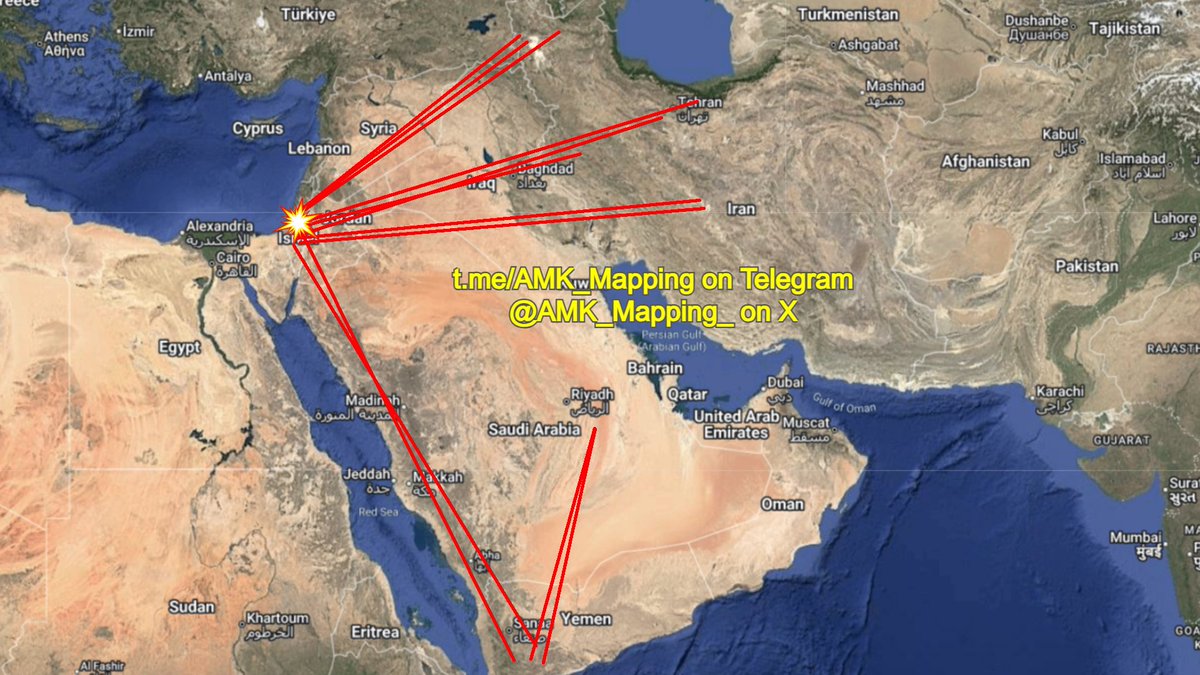
In rapid response, Iran launched a second wave of ballistic missiles toward Israel at 04:52 UTC, firing at least eight projectiles from central, northern and north‑western regions of its territory. The Yemeni Houthi movement added a single missile to the salvo, bringing the total to twelve missiles launched since the retaliatory campaign began. The missiles were identified as ballistic, though specific types were not disclosed. A separate report from the channel BellumActaNews noted that multiple Iranian missiles were intercepted, with one landing in an open area without causing casualties.
Source: monitor_the_situation, https://t.me/monitor_the_situation/20204
Interceptions by Israeli and regional defenses
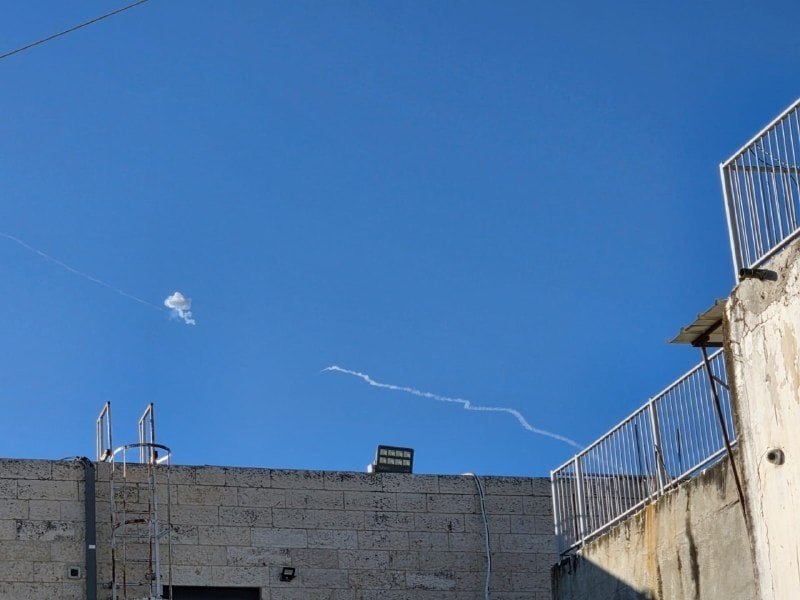
Israeli air defenses successfully intercepted a Houthi‑launched ballistic missile at 05:46 UTC, as reported by OSINTdefender. Additional interceptions were recorded throughout the day: at 04:40 UTC a missile aimed at Israel was downed before it could cross into Jordanian airspace, prompting sirens in Jordan; at 04:14 UTC Iranian missiles were intercepted over Jordan, with debris reported on the ground; and at 04:20 UTC at least one missile was intercepted en route to Israel, according to GeoPWatch. These defensive actions underscore the high operational tempo of Israel’s multi‑layered missile defense architecture, including the Iron Dome, David’s Sling and Arrow systems.
Source: OSINTdefender, https://t.me/OSINTdefender/19151
Widespread rocket alerts across Israel
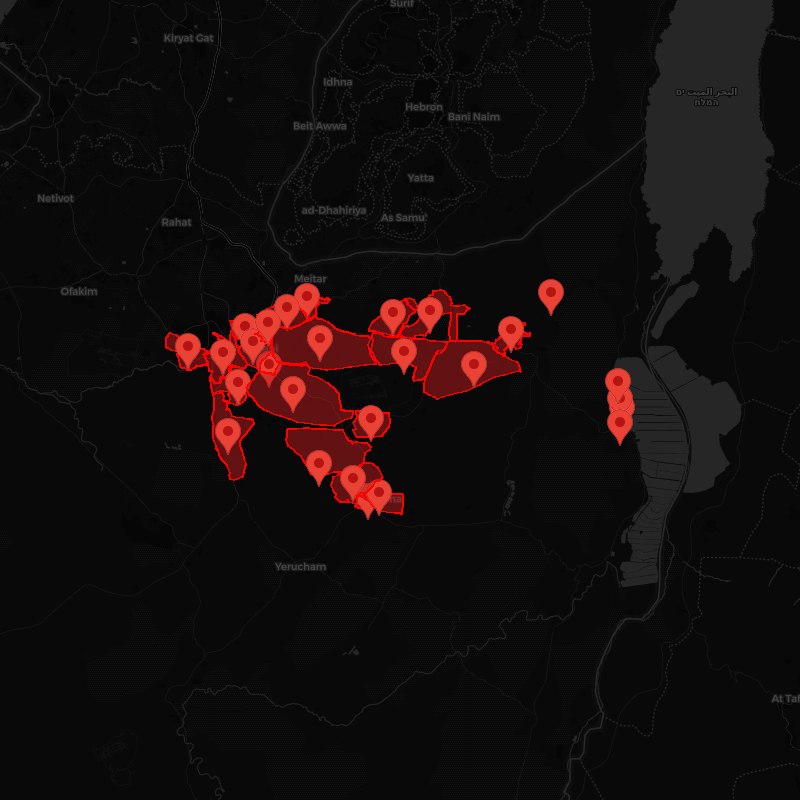
Domestic alerts surged as Israeli authorities issued multiple rocket warnings. The civilian alert platform RocketAlert logged a series of missile alerts covering the Central Negev, Southern Negev, the Dead Sea region, Yarkon corridor and the Shfela lowlands between 04:05 UTC and 05:36 UTC. While the alerts listed numerous municipalities—such as Beer Sheva, Dimona, Tel Arad, Kfar HaOranim and Modi’in—no confirmed casualties or damage were reported in the immediate aftermath. The Ministry of Defense (MDA) later confirmed that the latest shelling resulted in no injuries.
Source: RocketAlert, https://t.me/RocketAlert/30662
Additional missile activity from Iran and Yemen
Beyond the primary retaliatory salvo, a series of independent missile launches were documented throughout the day. At 04:34 UTC additional rockets were identified as originating from Iran, while at 04:23 UTC a separate Iranian missile launch was described as likely aimed at central Israel. Yemen’s Ansar Allah (Houthis) reportedly conducted its first missile attack on Saudi Arabian territory since March 2022 at 03:36 UTC, marking a notable expansion of the conflict’s geographic scope.
Source: GeoPWatch, https://t.me/GeoPWatch/35392
Strategic statements from Israeli leadership
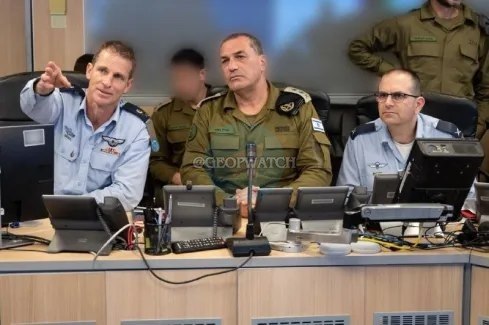
In parallel with kinetic actions, senior Israeli military officials publicly affirmed a state of heightened readiness. Lieutenant General Eyal Zamir, IDF Chief of Staff, announced that Israeli forces were “alert and ready to continue operations in all sectors against those who threaten the State of Israel,” as reported by GeoPWatch at 03:15 UTC. The declaration emphasized Israel’s intent to sustain pressure on Iranian targets while maintaining defensive posture against incoming projectiles.
Source: GeoPWatch, https://t.me/GeoPWatch/35390
Broader regional implications
The cascade of airstrikes, missile launches and interceptions on 8 June illustrates a rapid escalation of kinetic engagements across the Middle East. While casualty figures remain limited, the volume of high‑speed projectiles and the breadth of defensive responses indicate a heightened risk of further spill‑over. The involvement of multiple state and non‑state actors—Israel, Iran, the IRGC, the Houthis, and regional air defense assets—creates a complex operational environment that could constrain diplomatic de‑escalation efforts.