Iran's Islamic Revolutionary Guard Corps (IRGC) claimed a direct strike on a chemical plant in Haifa at 07:56 UTC, marking the most severe kinetic event of the day. The claim, posted on the Telegram channel monitor_the_situation, framed the attack as retaliation for a prior Israeli strike on Iranian assets. No casualty figures were released, but the targeting of a chemical facility raises concerns about secondary hazards and potential environmental impact.
Secondary High‑Impact Strikes
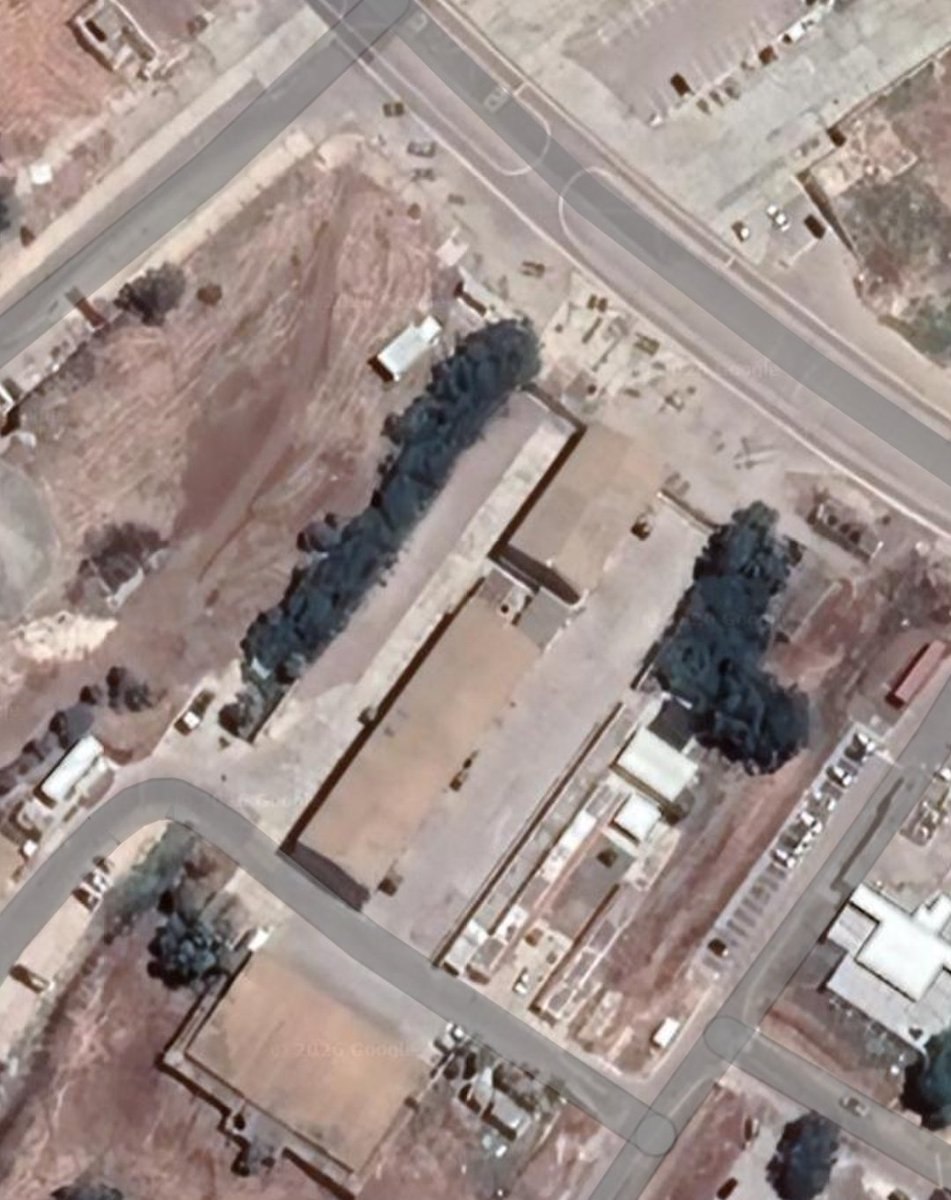
At 17:38 UTC, an Iranian missile hit a warehouse at Israel's Ramat David Air Base, destroying the structure and temporarily disrupting logistics. Satellite imagery confirmed the impact site, and the original report included the caption “🟠 **Iranian Missile Strike Destroys Warehouse at Ramat David Air Base in Israel**” from monitor_the_situation. No injuries were reported, but the loss of stored materiel is likely to affect air‑base operations.
Ballistic Missile Barrage Over Central Israel
Between 07:51 and 08:30 UTC, the IRGC launched a ballistic missile barrage equipped with cluster munitions toward central Israel. Multiple impact points were recorded, and video footage circulated on the CIG_telegram channel. Cluster munitions increase the risk of civilian casualties, though official Israeli sources have not confirmed injuries.
Red Alerts and Interceptions in Haifa and Gush Dan
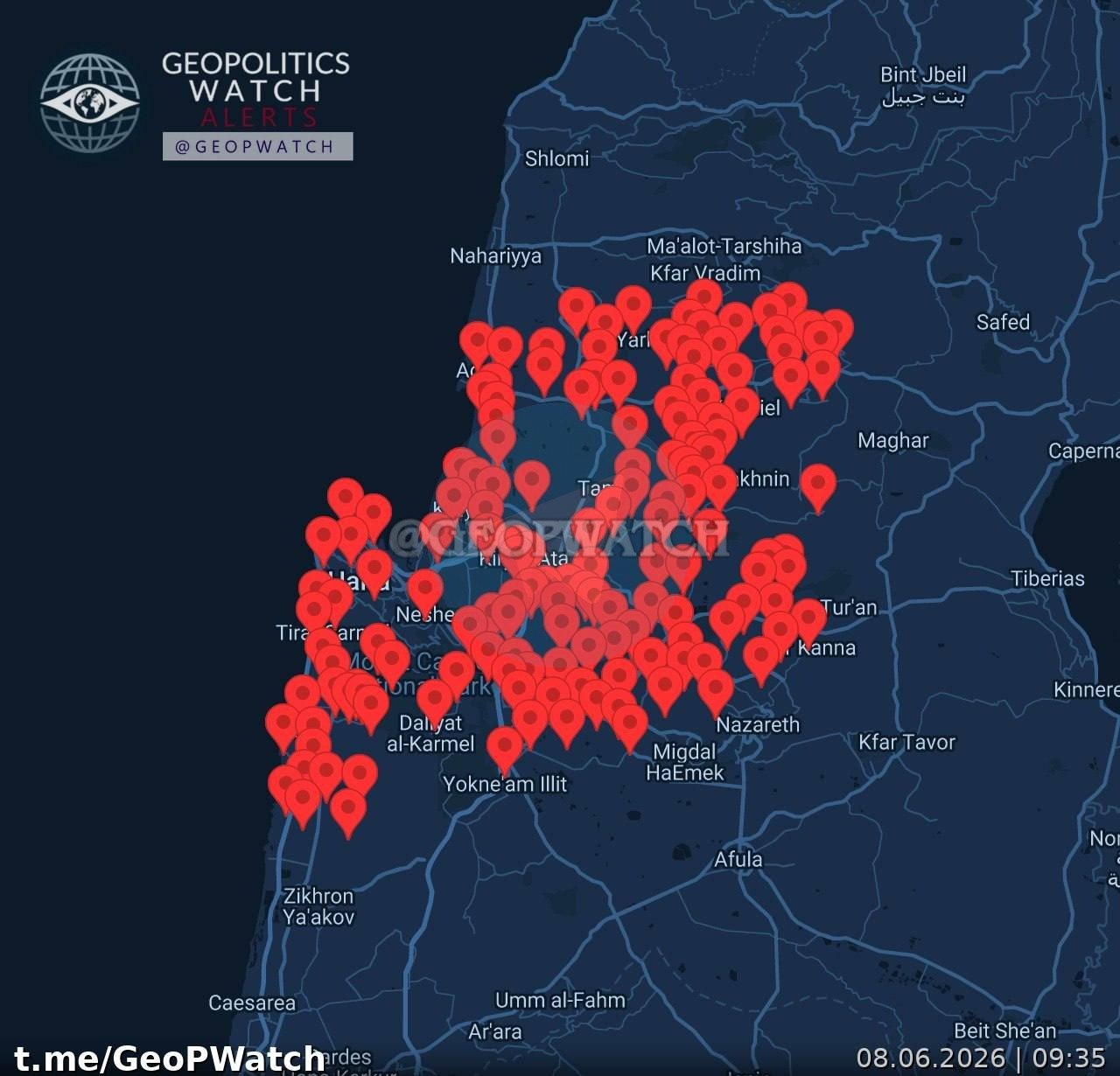
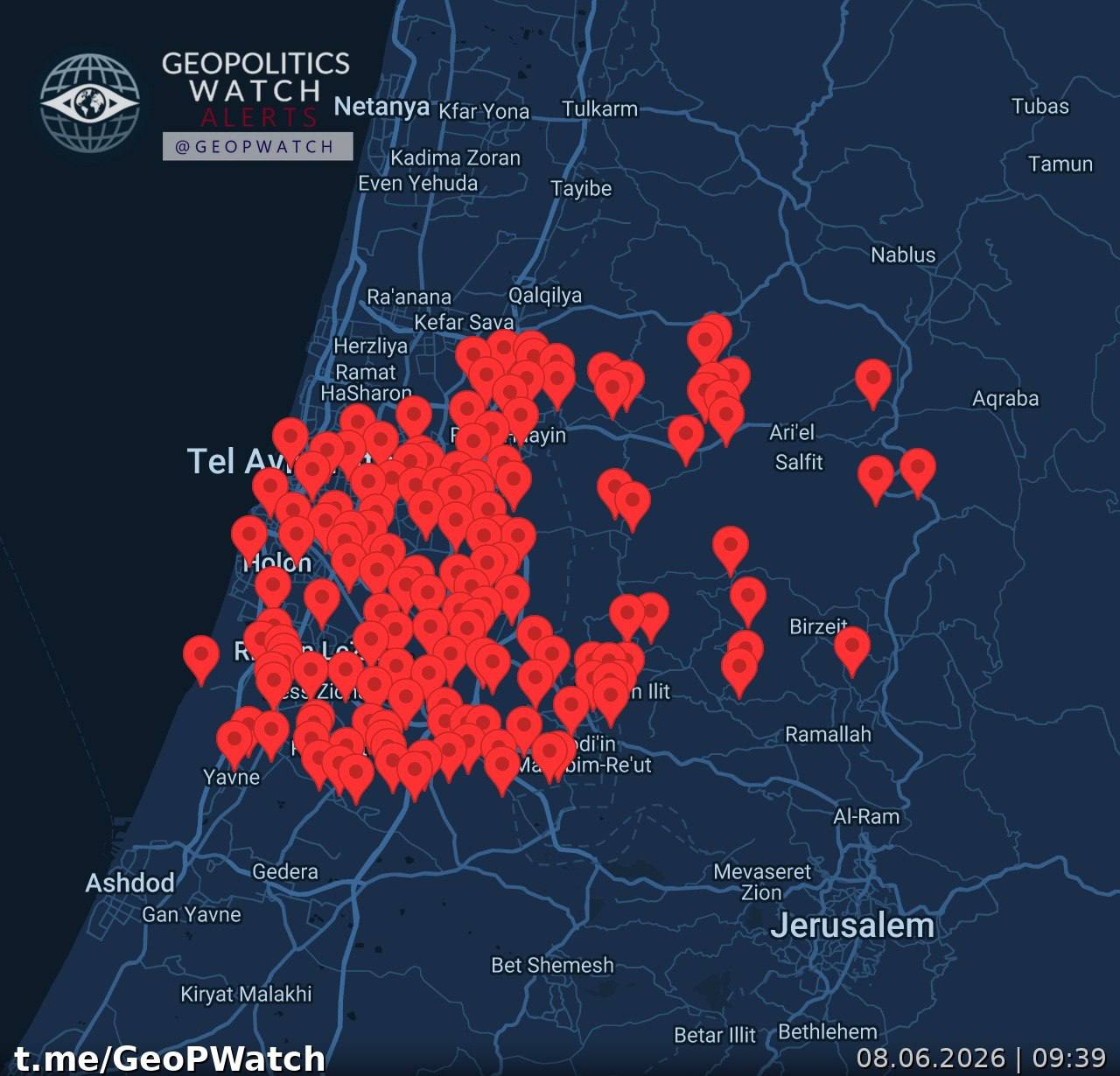
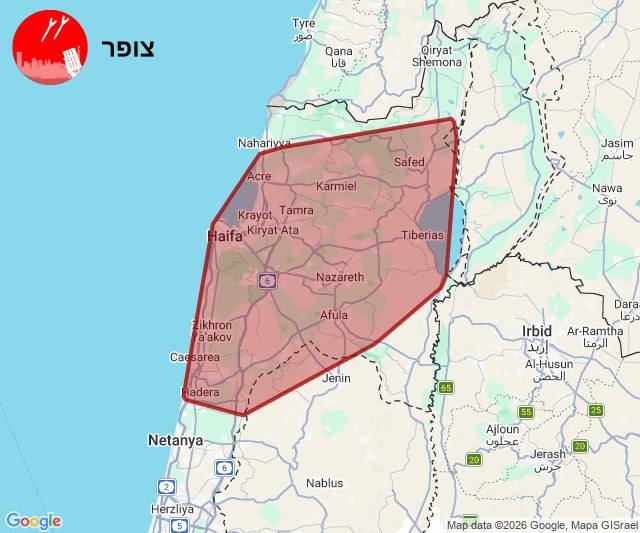
At 06:35 UTC, Israeli early‑warning systems detected four Iranian ballistic missiles heading for Haifa and two for the Gush Dan metropolitan area. The alerts prompted a rapid activation of air‑defence batteries. Subsequent reports from rnintel and GeoPWatch confirmed successful interceptions over Haifa, while additional missiles were downed over the Gush Dan region according to rnintel. No ground damage was reported.
Hezbollah Rocket Activity from Lebanon
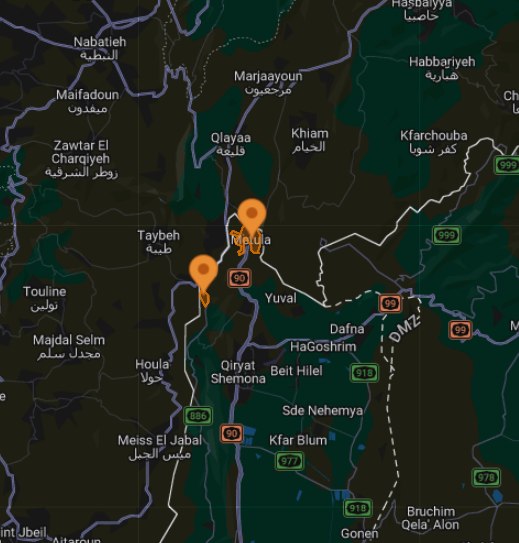
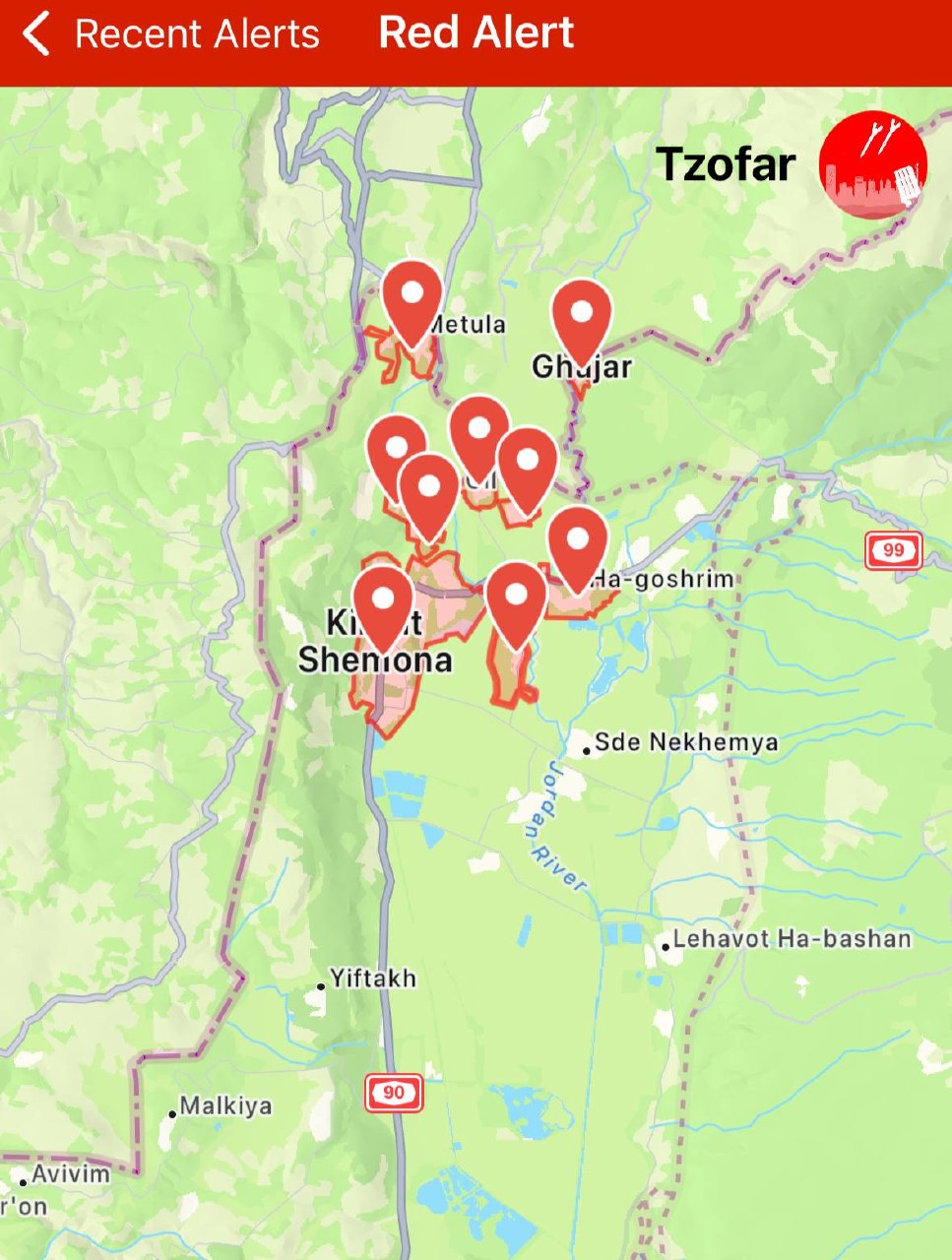
Hezbollah fired rockets into northern Israel at several points during the day. A barrage struck Kiryat Shmona at 12:18 UTC (CIG_telegram) and triggered an alert in Zarit at 14:25 UTC (rnintel). The Israel Defense Forces (IDF) reported that the Zarit rocket caused no injuries. Additional rockets were launched toward IDF posts in the north at 12:56 UTC (JPost) and at 12:12 UTC (idkunim_il), prompting sirens but resulting in no confirmed casualties.
Houthis Extend the Front to the Red Sea
Yemeni Houthi forces, aligned with Iran, announced a missile barrage targeting Jaffa in Tel Aviv at 06:39 UTC (intelslava). The spokesman claimed precise hits on “sensitive targets” and declared a total ban on Israeli maritime navigation in the Red Sea. The same day, the Houthis released footage of a missile launch toward Jaffa and warned of further escalation. No impact verification has been provided, but the naval ban signals a widening of the conflict zone.
Iranian Ballistic Technology Demonstrated
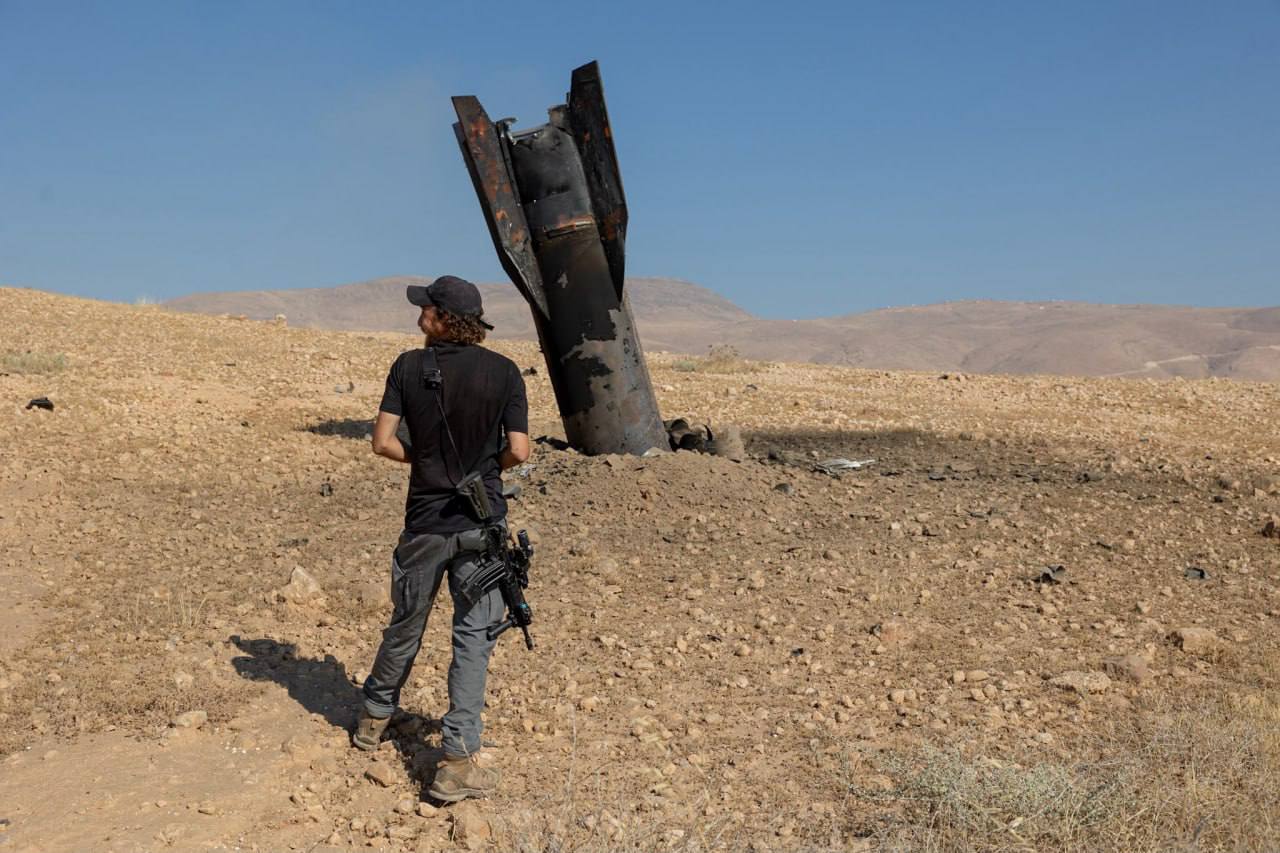
At 09:32 UTC, a booster stage of an Iranian Kheibar Shekan ballistic missile fell in Israel's Negev Desert (intelslava). The debris field confirms the deployment of advanced missile technology, though the missile itself did not reach a populated area.
Multiple Interceptions Over Occupied Territories
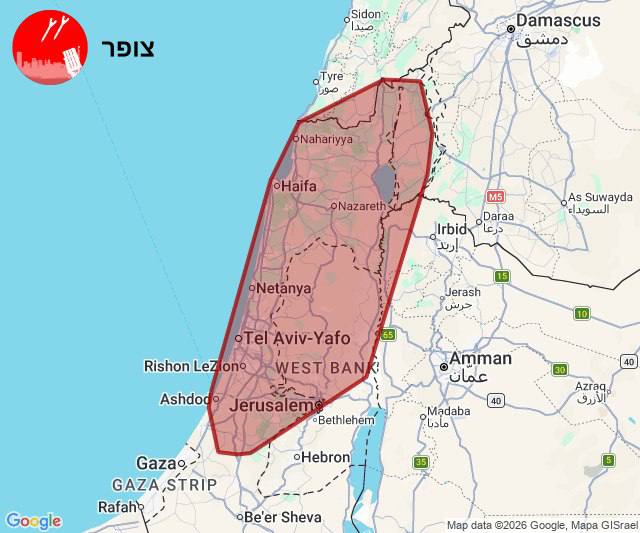
Israeli air‑defence systems intercepted missiles over East Jerusalem and the West Bank at 07:14 UTC (AlJazeera) and over the Galilee region at 06:39 UTC (rnintel). These interceptions indicate a broad geographic spread of inbound threats, encompassing both Israeli‑controlled and occupied territories.
Unmanned Aerial Threats
At 16:52 UTC, the Israeli Air Force engaged a suicide drone launched from Yemen toward southern Israel (GeoPWatch). Earlier, at 15:26 UTC, drone alerts were activated in the northern towns of Misgav Am and Metula (GeoPWatch). No drone impacts were confirmed, but the incidents underscore the expanding use of low‑cost UAVs in the theater.
Overall Operational Impact
The coordinated kinetic actions on June 8 represent the most intense day of cross‑border hostilities since the escalation began in early 2025. While casualty reports remain limited, the volume of missiles, rockets, and UAVs launched by Iran, Hezbollah, the Houthis and affiliated groups demonstrates a concerted effort to pressure Israeli defence infrastructure on multiple fronts. Israeli air‑defence performance appears robust, with numerous successful interceptions, yet the persistent alerts and occasional infrastructure damage suggest a sustained threat environment.