On June 8, 2026, Iran launched a coordinated ballistic missile attack against Israel, with two missiles directed toward Beer Sheva in the southern district. Sirens sounded across the city as the projectiles approached, marking the most severe kinetic event recorded in Israel for the day. While no casualties were reported in the immediate aftermath, the incident triggered a cascade of alerts, interceptions, and secondary rocket launches that affected multiple regions, including Jerusalem, the Negev, and central Israel.
Critical Missile Impact in Beer Sheva
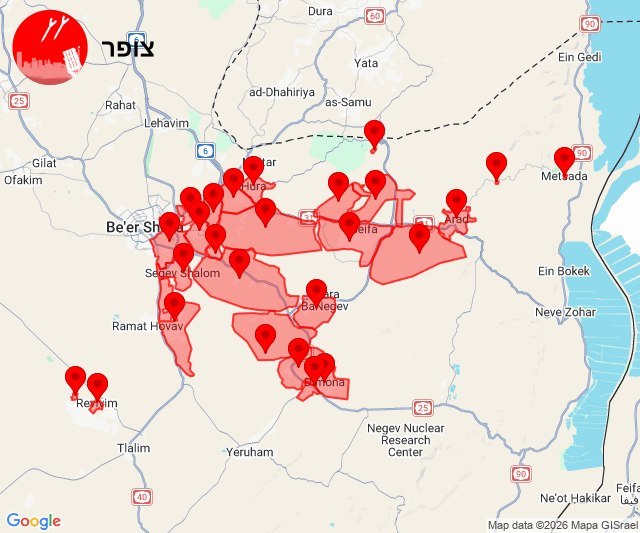
The attack began at 04:20:09 when two Iranian ballistic missiles were launched—one from near Tehran and another from Isfahan. According to the monitoring channel monitor_the_situation, the missiles entered Israeli airspace and prompted the city’s civil defense sirens. Visual confirmation of the launch was posted by @AMK_Mapping_ on X, and a photo of the missile trajectory was shared on the same channel. No damage or injuries were confirmed at the time of reporting, but the event was classified as CRITICAL due to the strategic significance of a direct ballistic strike on a major urban center.
"Sirens sounded in Beer Sheva as two Iranian ballistic missiles approached southern Israel, one launched from near Tehran and one from Isfahan." – monitor_the_situation
Secondary Rocket Launches Across Israel
Within minutes of the Beer Sheva strike, a series of additional rockets and missiles were detected targeting other parts of the country. At 04:21:07, sirens were activated in the Gaza envelope area, as reported by the Israeli channel idkunim_il. The following hour saw multiple high‑severity alerts:
- 04:23:44 – Rockets launched toward southern Israel (source: idkunim_il).
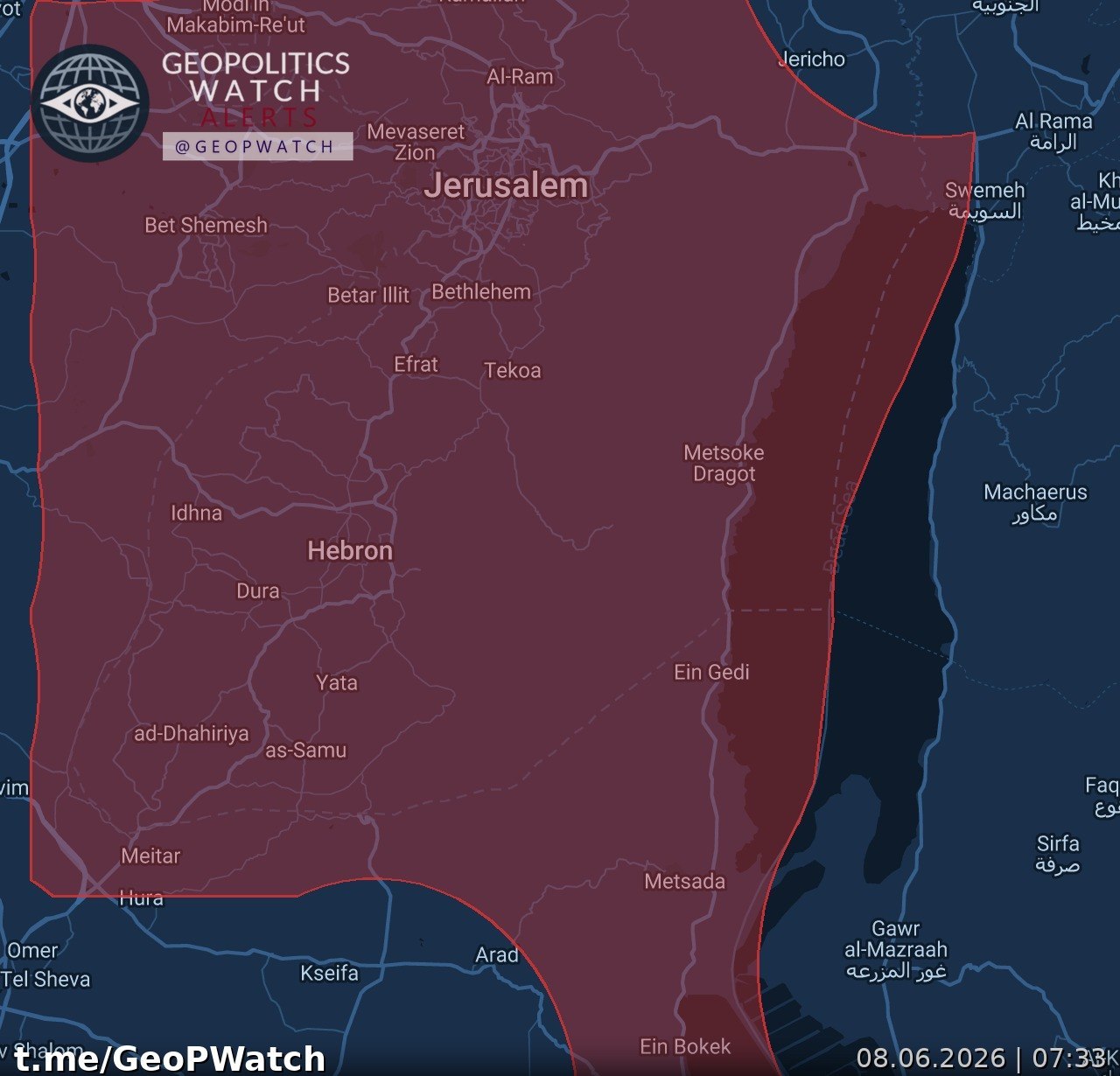
- 04:34:35 – Additional rockets aimed at Jerusalem and surrounding neighborhoods (source: GeoPWatch, link).
- 04:33:52 – Rockets directed at central Israel (source: rnintel, link).
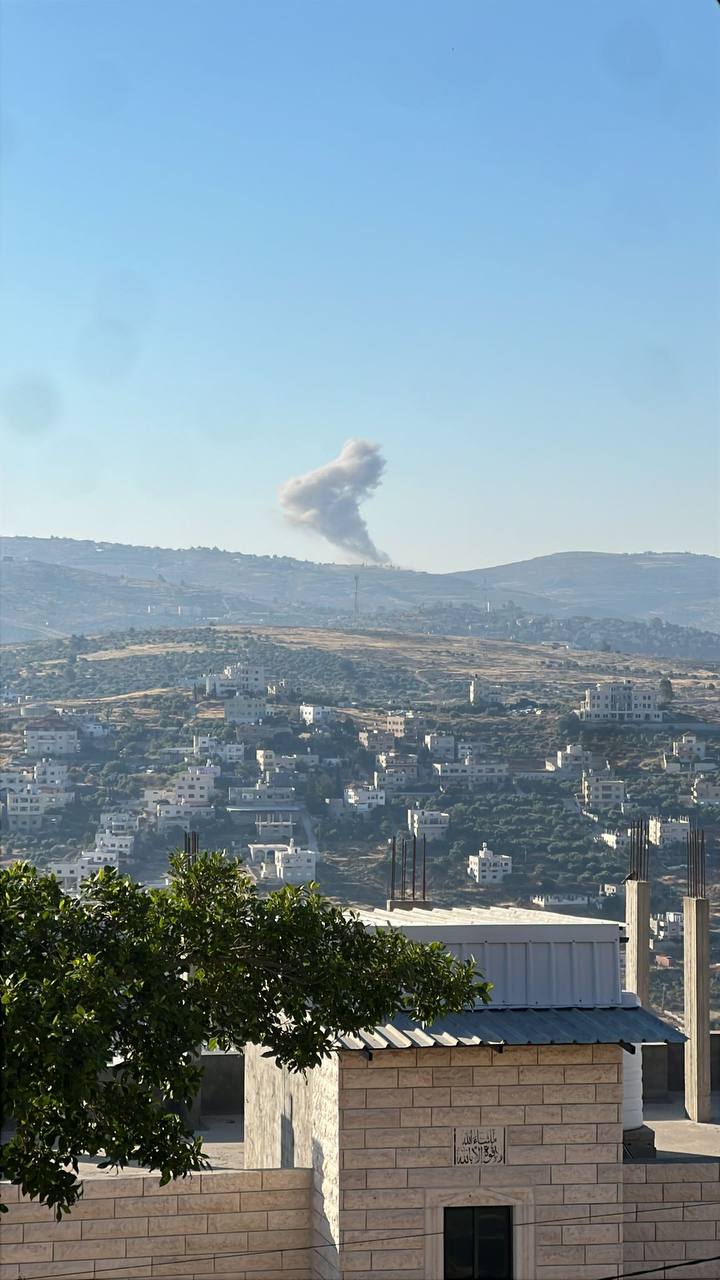
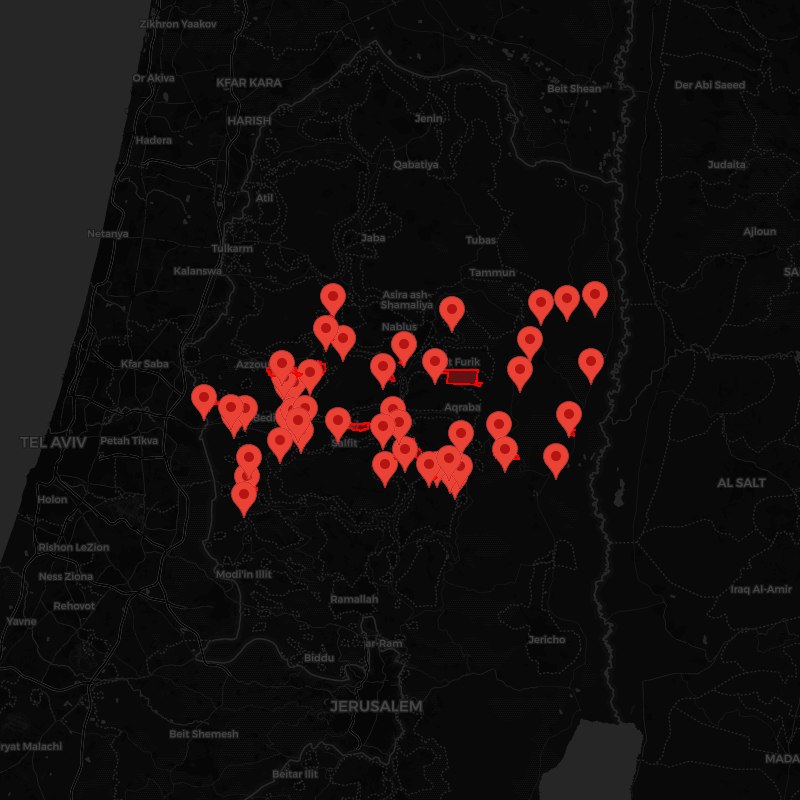
- 04:15:27 – A rocket struck Beit Furik, directly impacting IDF military positions; video evidence was posted by rnintel (link).
These launches employed a mix of unguided rockets and medium‑range ballistic missiles, including the Kheibar Shekan system, which was later confirmed on the ground.
Ground Confirmation of Kheibar Shekan Booster
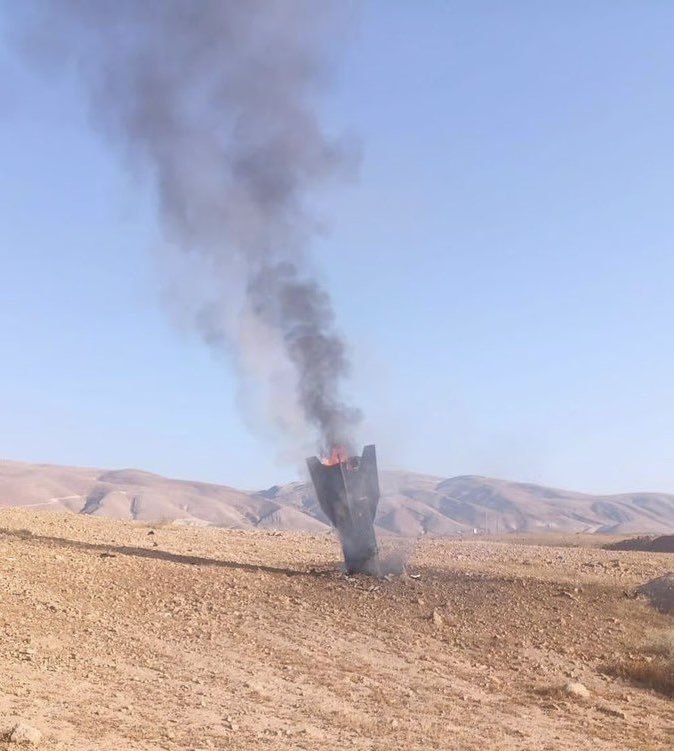
At 05:43:17, a booster fragment from an Iranian Kheibar Shekan medium‑range ballistic missile was recovered in Israel’s southern desert, providing physical evidence of a missile impact. The discovery was documented by monitor_the_situation and included a photograph of the debris. The Kheibar Shekan is capable of delivering a payload of up to 500 kg over a range of 1,500 km, underscoring the escalation in missile capability demonstrated by Iran.
Air Defense Interceptions
Israel’s integrated air‑defense network responded rapidly to the barrage. Video footage posted by GeoPWatch at 04:32:04 showed an interception over the Negev region, while a separate clip at 04:08:43 captured successful interceptions above Jerusalem. Both incidents were classified as HIGH in severity, reflecting the effectiveness of Israel’s multi‑layered defense architecture, which includes the Arrow, David’s Sling, and Iron Dome systems.
"Footage of an interception over the Negev moments ago." – GeoPWatch
No civilian casualties were reported from the intercepted threats, and the Israeli Ministry of Defense has not released an official casualty figure for the day.
Public Alert Platforms and Regional Spread
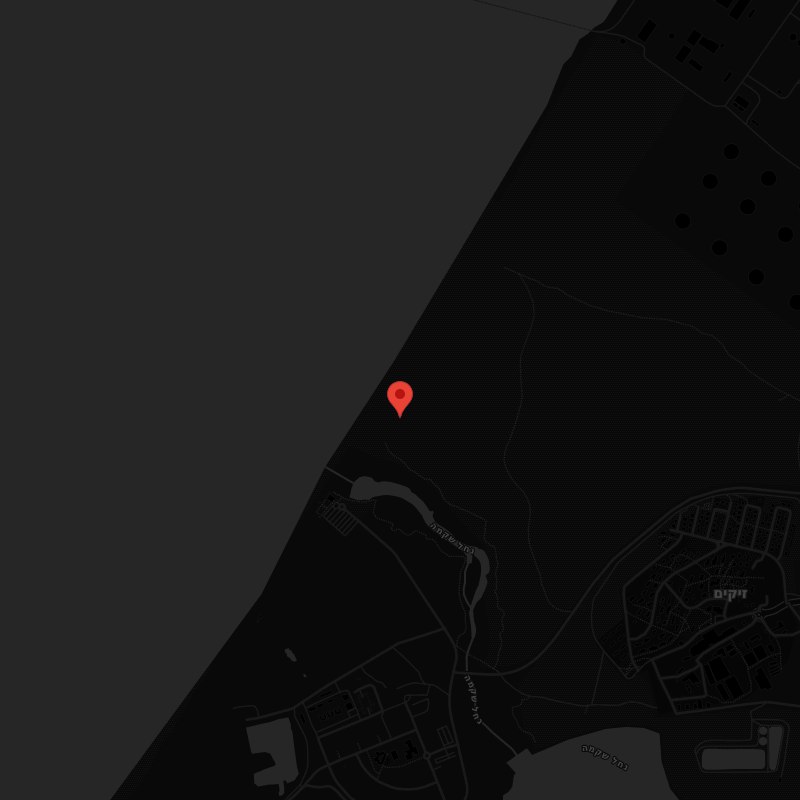
Commercial alert services such as RocketAlert.live issued multiple warnings throughout the morning. At 04:20:34, the platform listed a rocket/missile alert for Zikim Beach within the Gaza envelope. Later, at 04:04:39, alerts covered a wide swath of locations in the Sharon and Samaria regions, including Oranit, Elkana, and the Barkan Industrial Park. These alerts were disseminated via Telegram channels and were corroborated by on‑the‑ground reports from local municipalities.
In addition to Iranian-origin threats, an early warning alert at 02:53:58 indicated a potential rocket launch toward Tel Aviv from Yemen, as reported by GeoPWatch. While no impact was confirmed, the alert highlights the multi‑front nature of the security environment surrounding Israel.
Operational Assessment
The coordinated missile and rocket barrage represents a significant escalation in kinetic activity directed at Israel. The use of ballistic missiles, particularly the Kheibar Shekan, signals a shift from conventional short‑range rockets to longer‑range, higher‑payload systems capable of striking deep within Israeli territory. The rapid succession of launches across disparate regions suggests a synchronized operation designed to overwhelm air‑defense assets and create widespread civilian disruption.
Israel’s defensive response, characterized by multiple successful interceptions, demonstrates the resilience of its layered air‑defense architecture. However, the recovery of missile debris in the southern desert indicates that at least one ballistic missile evaded interception and impacted the ground, albeit without reported casualties.
From a strategic perspective, the events of June 8, 2026, may serve multiple Iranian objectives: projecting power, testing Israeli defensive readiness, and signaling support for proxy forces operating in Gaza and the broader Levant. The absence of direct claims of responsibility from Iranian state media or the Islamic Revolutionary Guard Corps (IRGC) leaves open the question of whether the attacks were state‑directed or conducted through proxy channels.
Continued monitoring of open‑source intelligence, including Telegram channels, satellite imagery, and official statements, will be essential to assess the longer‑term implications of this kinetic episode for regional stability.