On June 8, 2026, Iran experienced a surge of kinetic events that underscored the widening scope of the Israel‑Iran confrontation. The day began with a series of coordinated Israeli airstrikes targeting strategic sites across the country, followed by Iranian missile launches that reached as far as the occupied West Bank. Simultaneously, Iran closed the Strait of Hormuz, a critical oil chokepoint, further heightening regional tensions.
Israeli Airstrike Campaign Across Iran
Multiple sources, including monitor_the_situation, rnintel, and BellumActaNews, reported a coordinated wave of Israeli attacks that struck at least twelve locations in Iran between 08:00 and 15:00 GMT. Key targets included:
- Bidkaneh missile site, Khuzestan Province – struck at 08:19 (monitor_the_situation). The site had been used earlier that day to launch ballistic missiles toward Israel.
- Karaj, Alborz Province – a drone assembly facility near Najafabad and the IRGC’s Sayed‑e‑Shohada headquarters were hit at 08:50 (rnintel).
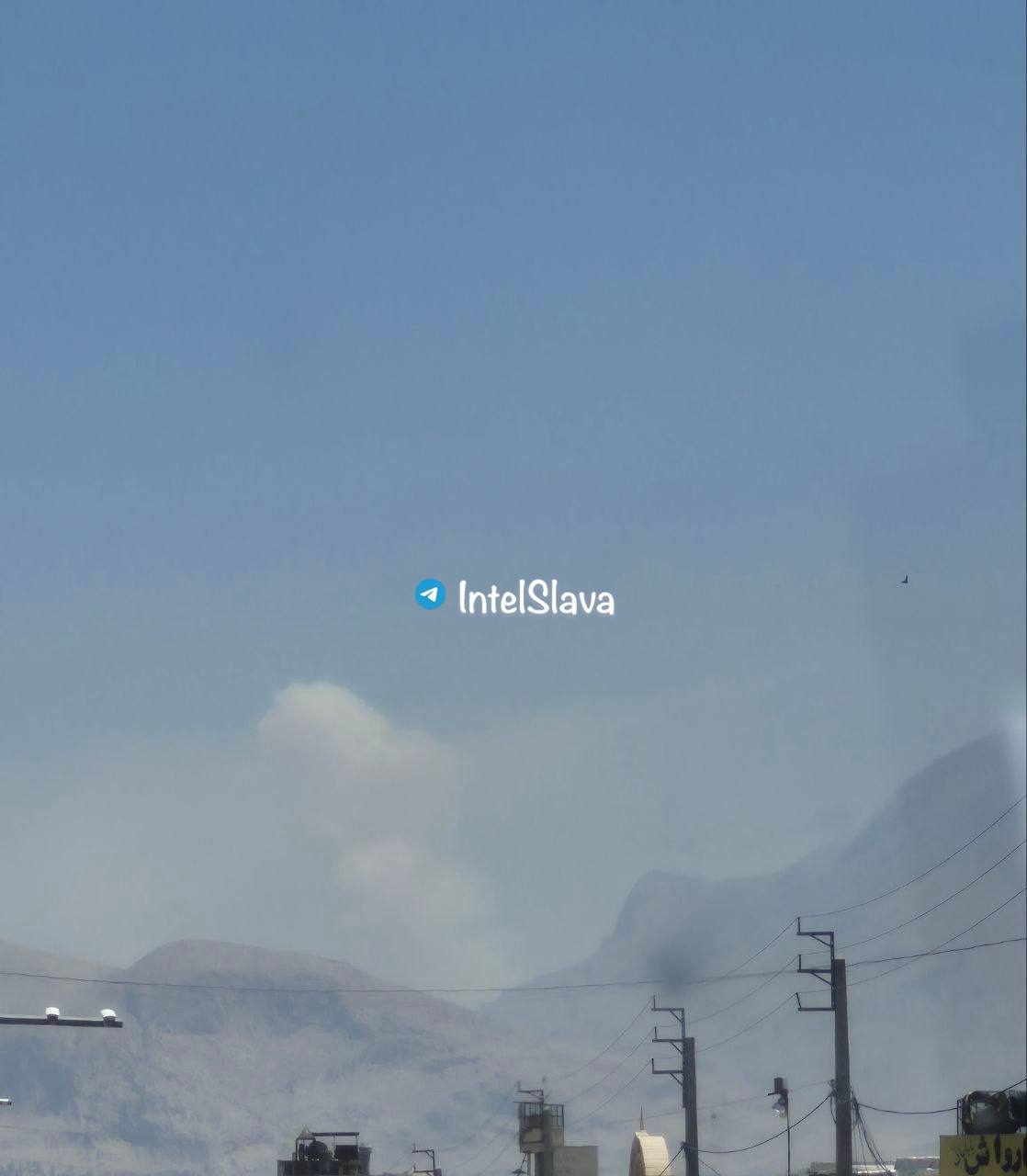
- Shiraz Airport – Israeli radio confirmed an ongoing strike at 08:58 (intelslava).
- Kermanshah – an airstrike reported at 10:16 (intelslava) and a separate strike on air‑defense systems at 10:31 (rnintel).
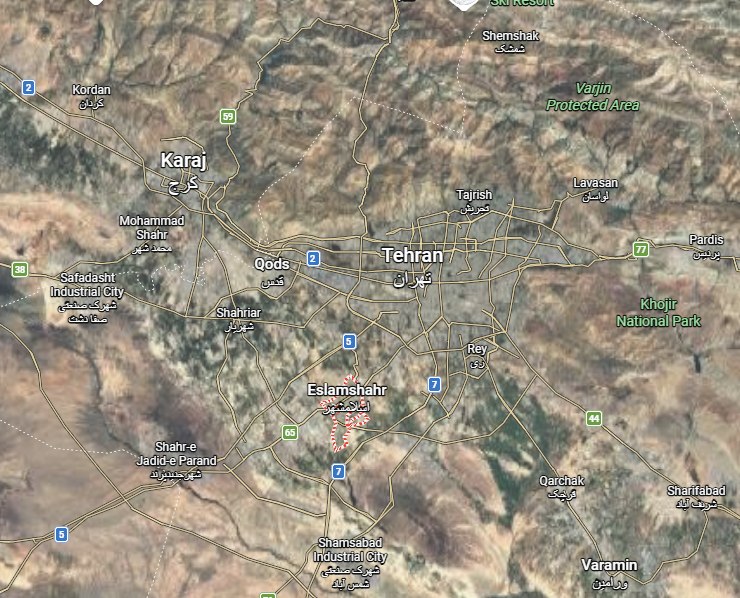
- Tehran – multiple sites, including the Iranian Aerospace University (09:03, BellumActaNews), Eastern Tehran (08:37, rnintel), and Islamshahr (08:22, monitor_the_situation), were struck.
- Isfahan – a salvo of airstrikes at 09:26 (BellumActaNews) and subsequent explosions reported at 12:12 (rnintel).
- Mahshahr petrochemical complex, Khuzestan Province – struck at 10:19 (intelslava) and again at 11:50 (AlJazeera), producing visible smoke plumes.
Casualty figures were limited in the reports, with the Foreign Ministry Building explosion in Tehran (08:52, monitor_the_situation) and the Bidkaneh explosions (08:23, rnintel) causing no immediate civilian deaths, according to local authorities. However, the attacks on critical infrastructure, such as air‑defense systems and petrochemical facilities, indicate a strategic intent to degrade Iran’s military and economic capabilities.
"Israel’s latest wave of attacks targeted multiple sites across Iran, including areas in Tehran, Karaj, Isfahan and Hamadan, while denying any other locations were hit," – rnintel, 08:37 GMT.
Iranian Missile Launches and Regional Reach
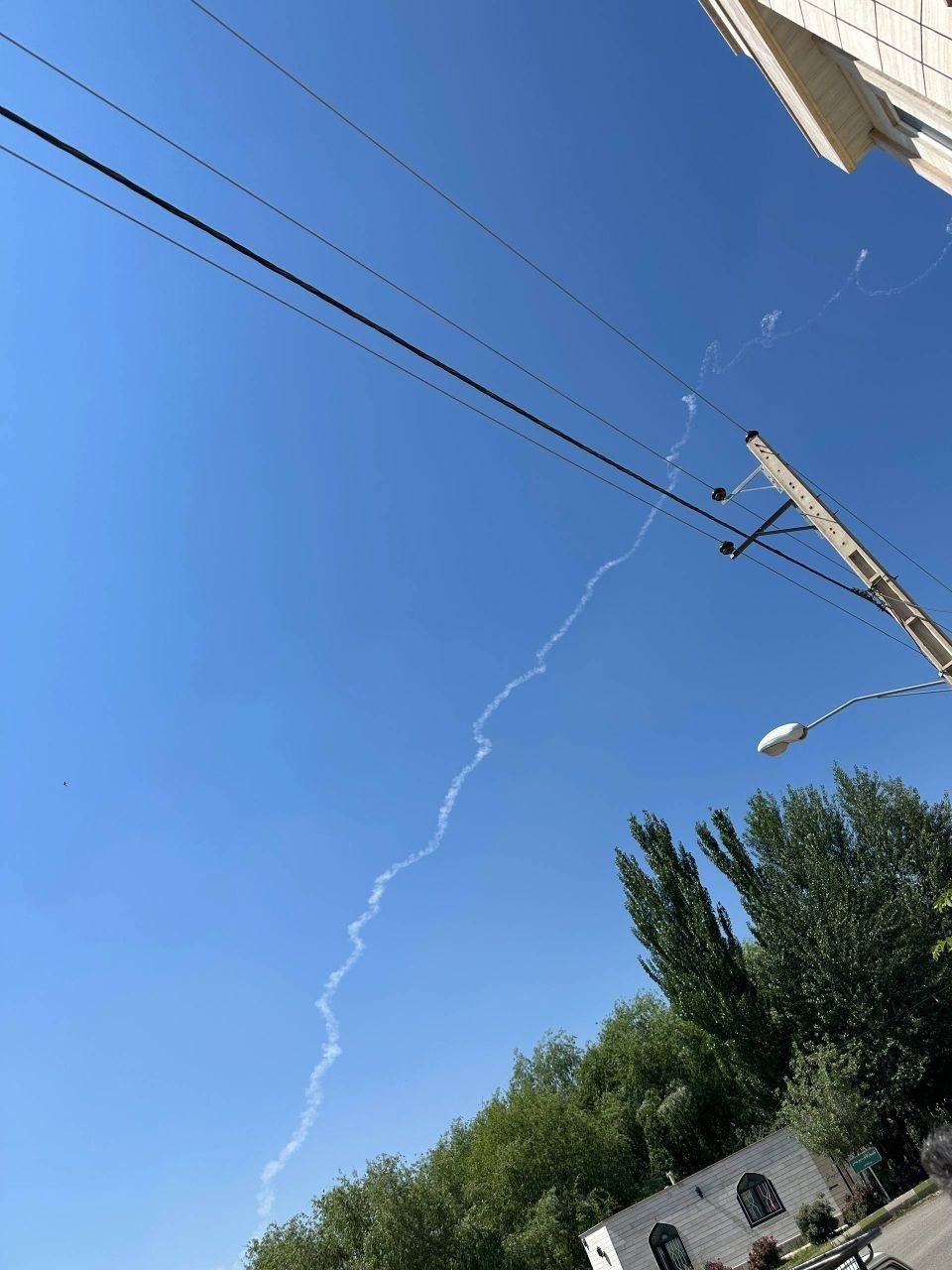
In retaliation, Iran launched a symbolic missile that traveled over the illegal Israeli settlement in the West Bank, producing a visible smoke plume (AlJazeera, 11:56). The missile was described as a demonstration of capability rather than a direct strike, but it marked the first Iranian projectile to cross into occupied Palestinian territory on this date.
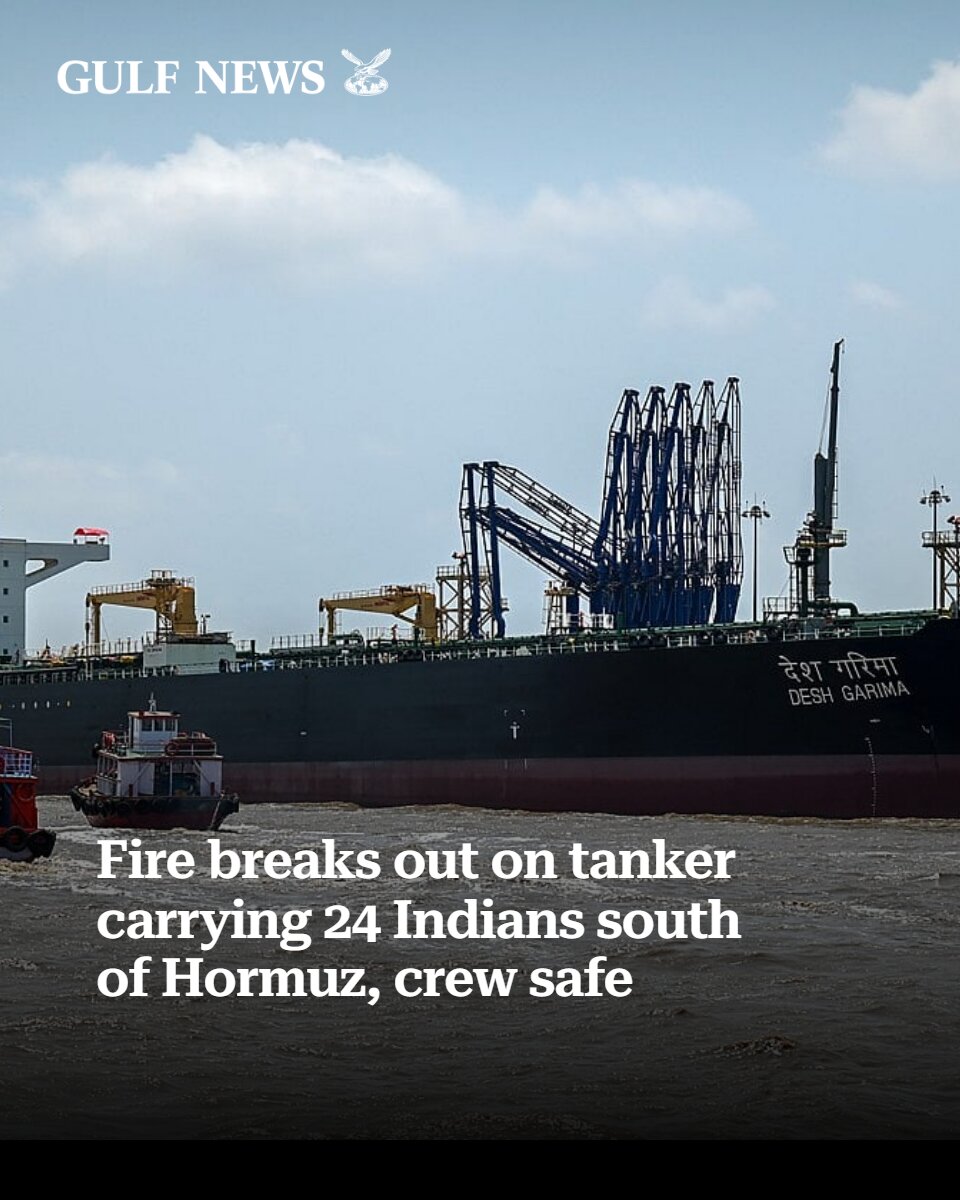
Later, Iran’s broader regional posture was evident when the Strait of Hormuz was closed (monitor_the_situation, 10:12). The closure, announced by Fars News, halted a key oil route, threatening global energy markets and signaling Iran’s willingness to leverage maritime chokepoints as a strategic tool.
Domestic Explosions and Security Incidents
Beyond the airstrikes, Iran reported a series of explosions across several provinces:
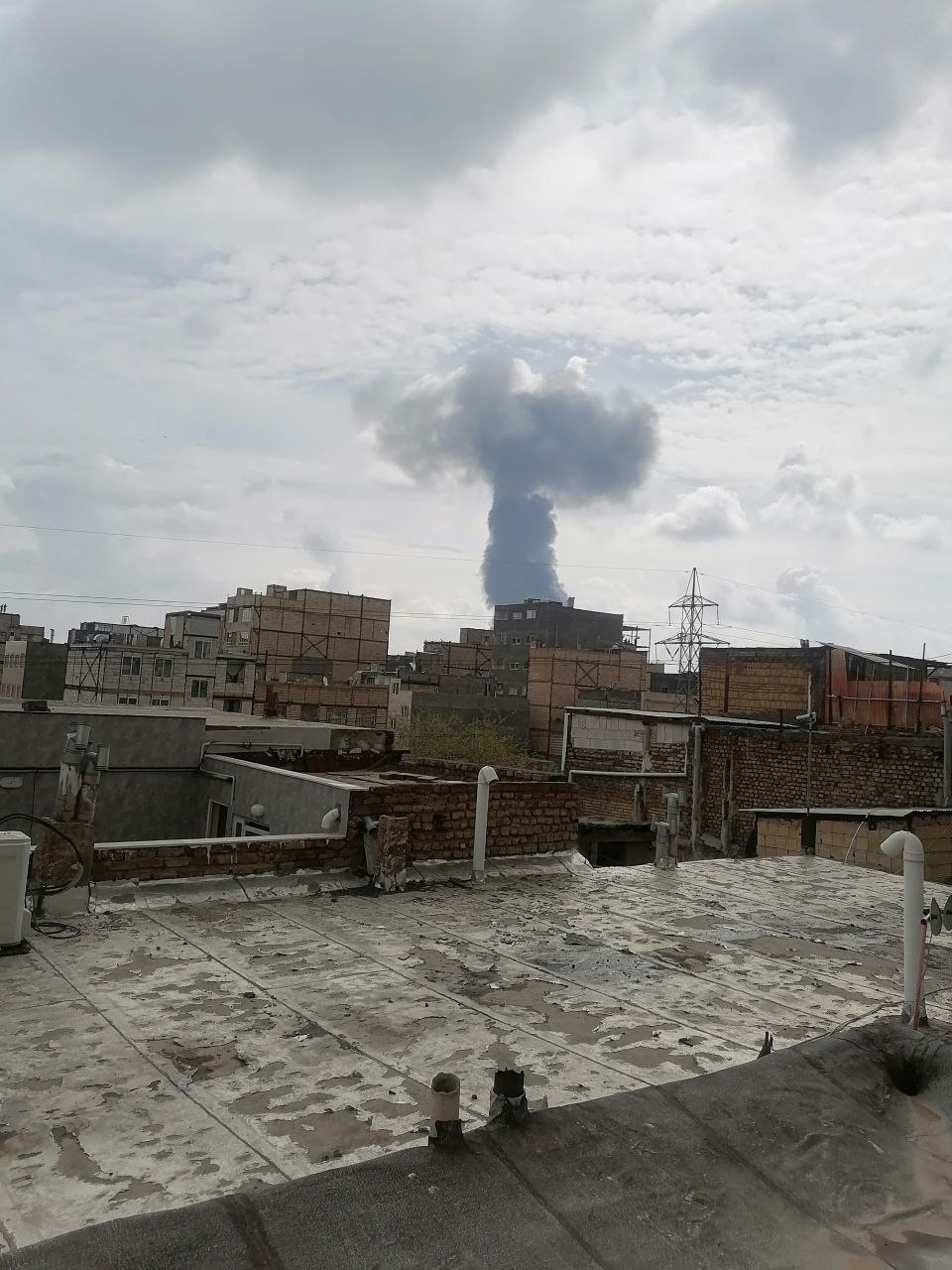
- Western Tehran (08:06, BellumActaNews) and southern Tehran (08:44, intelslava) – multiple blasts reported, no casualties.
- Bidkaneh, Alborz Province (08:23, rnintel) – repeated explosions following the earlier missile site strike.
- Mehrabad International Airport (08:22, intelslava) – explosion reported, details limited.
- Air and Space University, Tehran (08:18, rnintel) – explosions at a facility linked to the Revolutionary Guards.
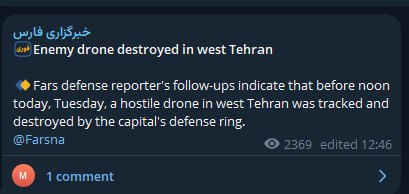
Iranian air defenses also engaged hostile UAVs, downing three reconnaissance drones over Tehran Province (09:53, intelslava) and intercepting a drone over West Tehran (09:51, BellumActaNews). These interceptions suggest heightened aerial vigilance in response to the multi‑directional threat environment.
Maritime Escalation and International Responses
The closure of the Strait of Hormuz coincided with U.S. naval actions in the Gulf of Oman. The United States disabled the Palau‑flagged oil tanker M/T Marivex (GeoPWatch, 16:23) and later reported disabling an unladen tanker in international waters (monitor_the_situation, 16:23). These operations aimed to enforce a blockade against vessels attempting to deliver oil to Iran, reflecting the broader geopolitical contest over maritime logistics.
Concurrently, the Iran‑backed Houthi movement declared the Red Sea a war zone for Israeli ships (JPost, 07:41), further expanding the maritime dimension of the conflict.
Implications and Outlook
The kinetic events of June 8 illustrate a rapid escalation in the Israel‑Iran theater. Israeli airstrikes have demonstrated the ability to strike deep within Iranian territory, targeting both military and civilian infrastructure. Iran’s response—missile launches, air‑defense interceptions, and strategic maritime closures—highlights a willingness to employ asymmetric tools and leverage its geographic chokepoints.
While casualty numbers remain relatively low for the day, the cumulative effect of infrastructure damage, disrupted oil flows, and heightened air‑defense activity raises the risk of broader regional destabilization. Continued monitoring of Iranian air‑defense alerts, further Israeli strike patterns, and the status of the Strait of Hormuz will be essential for assessing the trajectory of the conflict.