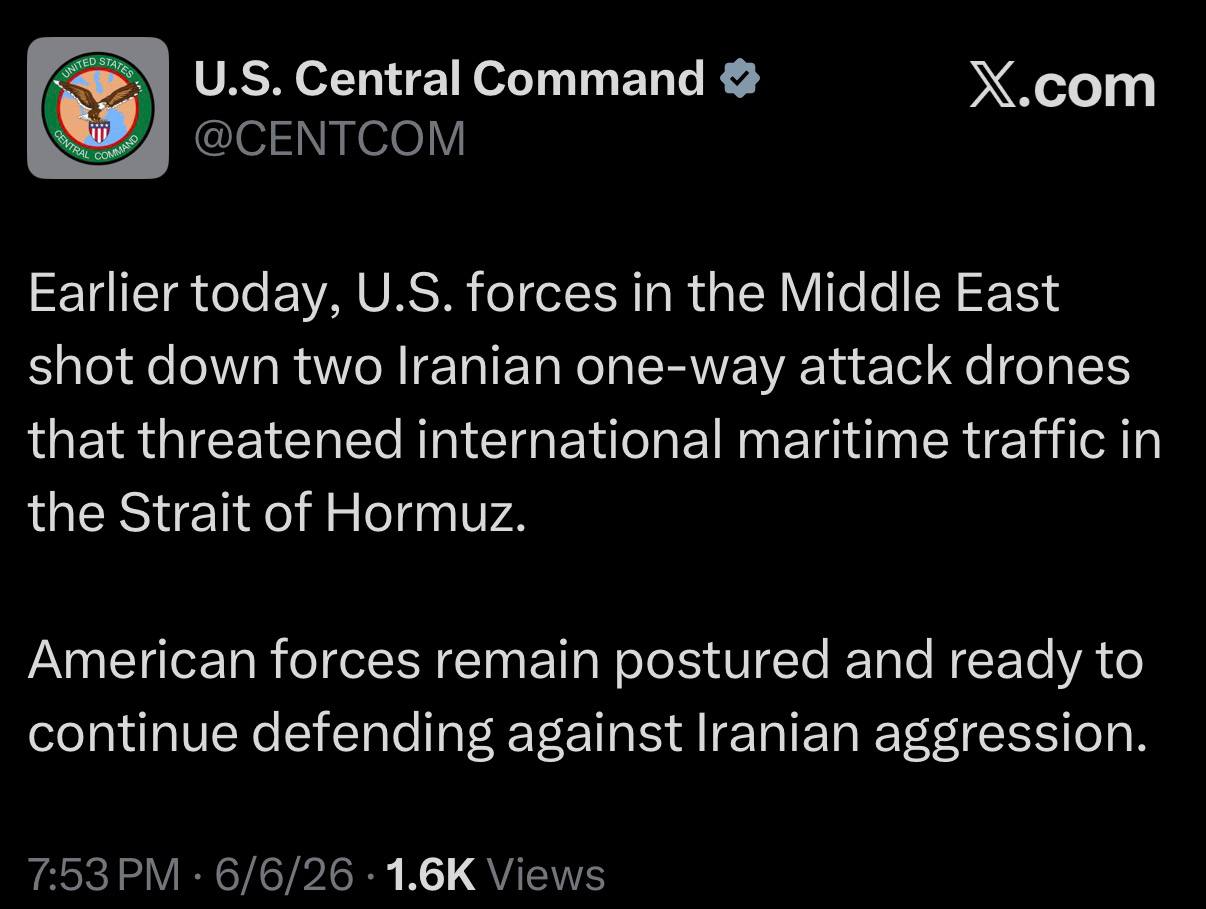
On Saturday, U.S. Central Command (CENTCOM) confirmed the successful neutralization of two Iranian attack drones and the interception of multiple ballistic missiles targeting maritime routes in the Strait of Hormuz, Kuwait and Bahrain. The engagement, reported at 05:31:15 UTC, represents the most significant maritime security operation recorded in the region for 2026, underscoring the United States' readiness to protect international shipping lanes against hostile aerial threats.
Drone and Missile Interception in the Strait of Hormuz
The operation took place in the narrow waterway separating Iran and Oman, a strategic chokepoint for global oil transport. According to the Jerusalem Post, U.S. forces detected two one‑way attack drones launched from Iranian territory and a salvo of short‑range ballistic missiles aimed at vessels transiting the strait and at coastal installations in Kuwait and Bahrain. Using integrated air‑defense assets, including Patriot batteries and naval surface‑to‑air missiles, the United States shot down both drones and intercepted the ballistic missiles before they could reach their intended targets. No casualties or material damage were reported on either side.
"U.S. forces successfully engaged and destroyed two Iranian attack drones and intercepted ballistic missiles threatening international maritime traffic," CENTCOM said in a statement released to the press.
The engagement demonstrates the effectiveness of the layered defense architecture deployed by U.S. Central Command, which combines real‑time intelligence, surveillance, and reconnaissance (ISR) with rapid response strike capabilities. The drones, identified as loitering munitions, were described by the source as "one‑way attack drones" designed to strike high‑value shipping without returning to base.
Earlier Drone Shoot‑Down Confirmed by CENTCOM
At 00:56:04 UTC, CENTCOM independently reported the downing of two additional Iranian attack drones in the same sector of the Strait of Hormuz. GeoPWatch, a monitoring outlet, posted a photo of the intercepted drones and cited the U.S. command’s claim that the unmanned systems were targeting commercial vessels. The earlier incident, while less extensive than the later missile‑drone barrage, reinforced the pattern of Iranian aerial aggression aimed at disrupting maritime commerce.
Interception of Sanctioned Iranian Oil Tanker MT DAVINA
In a separate but related maritime enforcement action, the U.S. Indo‑Pacific Command released video footage at 03:15:14 UTC showing the interception of the sanctioned Iranian oil tanker MT DAVINA in the Indian Ocean. The vessel, flagged under Iran, was identified as part of a broader network providing material support to Iranian military operations. The operation, documented by the Telegram channel monitor_the_situation, involved boarding teams from the U.S. Navy and Coast Guard, who seized the tanker without resistance. No crew injuries were reported, and the vessel was escorted to a U.S.‑controlled port for further inspection.
"The interception of MT DAVINA is a direct result of coordinated global maritime enforcement targeting illicit supply chains to Iran," the Indo‑Pacific Command statement read.
The seizure aligns with ongoing U.S. sanctions enforcement aimed at curbing Iran’s ability to finance regional proxy activities. By interdicting a vessel carrying oil that could be used to fund missile development, the United States demonstrated a proactive approach to disrupting Iran’s logistical capabilities beyond the immediate theater of the Strait of Hormuz.
Strategic Implications and Operational Coordination
The concurrent execution of aerial defense and maritime interdiction operations reflects a high degree of inter‑theater coordination between CENTCOM and the U.S. Indo‑Pacific Command. Both commands leveraged shared ISR platforms, including satellite imagery and unmanned aerial systems, to track Iranian assets across a broad geographic spectrum. The rapid transition from detecting aerial threats to executing a boarding operation on a distant oil tanker illustrates the United States' integrated command‑and‑control structure, which can respond to multi‑domain challenges in near real‑time.
Analysts note that the timing of the drone attacks—coinciding with the tanker interception—suggests a coordinated Iranian strategy to test U.S. response thresholds across air and sea domains. While the United States successfully neutralized the immediate threats, the events highlight the persistent risk of escalation in a region already marked by geopolitical tension.
Regional Security Outlook
Iran’s deployment of attack drones and ballistic missiles against commercial shipping represents a continuation of its asymmetric warfare doctrine, aimed at leveraging low‑cost weapons to impose strategic costs on adversaries. The United States’ decisive response, as reported by JPost, GeoPWatch, and monitor_the_situation, reaffirms its commitment to safeguarding the free flow of commerce through the Strait of Hormuz, a waterway that transports approximately 20% of global petroleum supplies.
Going forward, the U.S. military is expected to maintain heightened alert status in the Persian Gulf, with continued patrols by carrier strike groups, surface combatants, and airborne early‑warning aircraft. The integration of allied naval forces from the United Kingdom, France, and regional partners such as Saudi Arabia may further bolster deterrence, though no formal coalition statements were released at the time of reporting.
In summary, the dual‑theater operations on 2026‑06‑07 demonstrate the United States’ capacity to counter Iranian aggression across air and sea domains, while simultaneously enforcing sanctions regimes aimed at limiting Iran’s access to revenue streams. The events underscore the strategic importance of the Strait of Hormuz and the need for sustained multinational vigilance to preserve maritime security in the Persian Gulf.