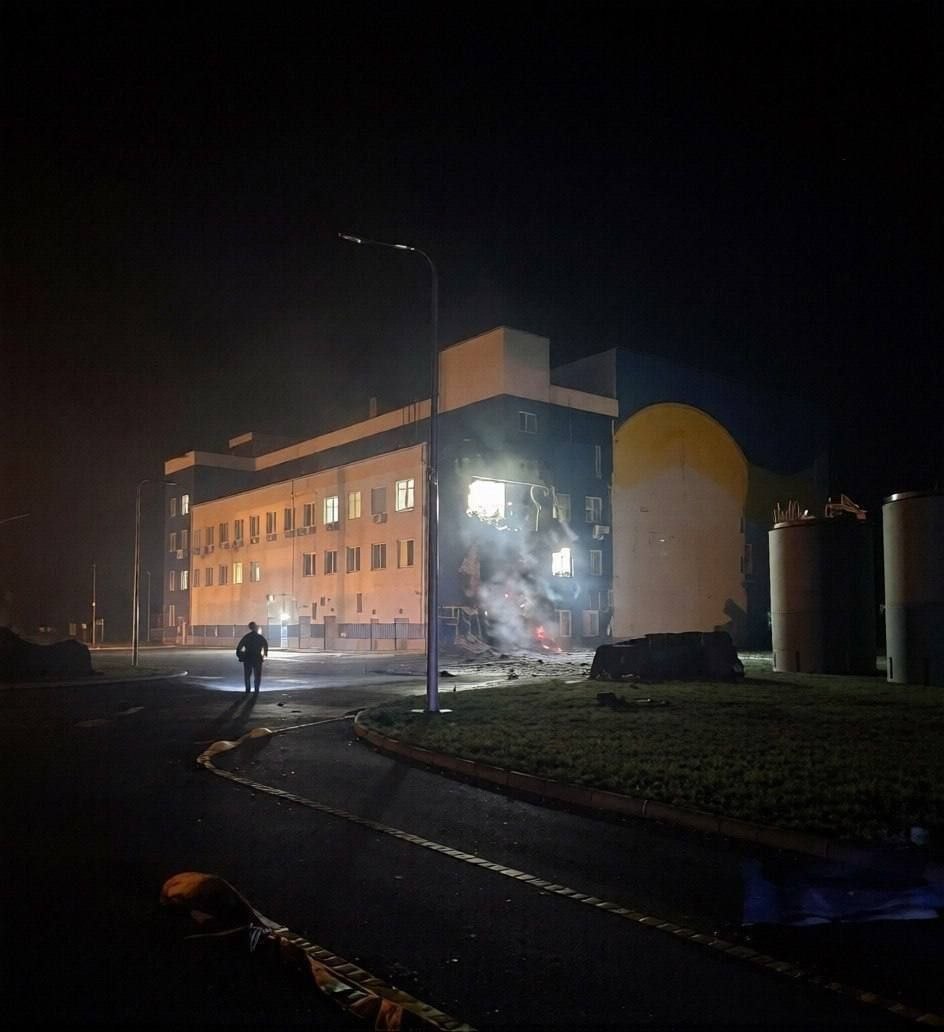
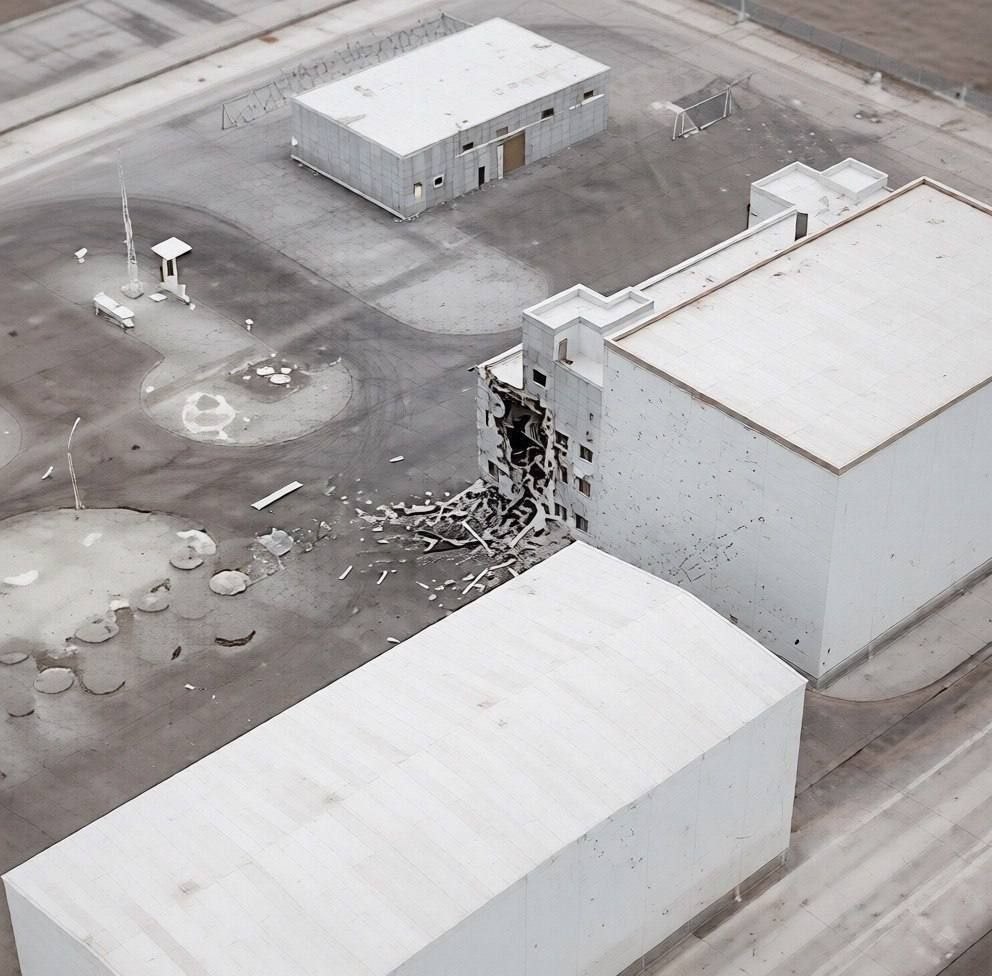
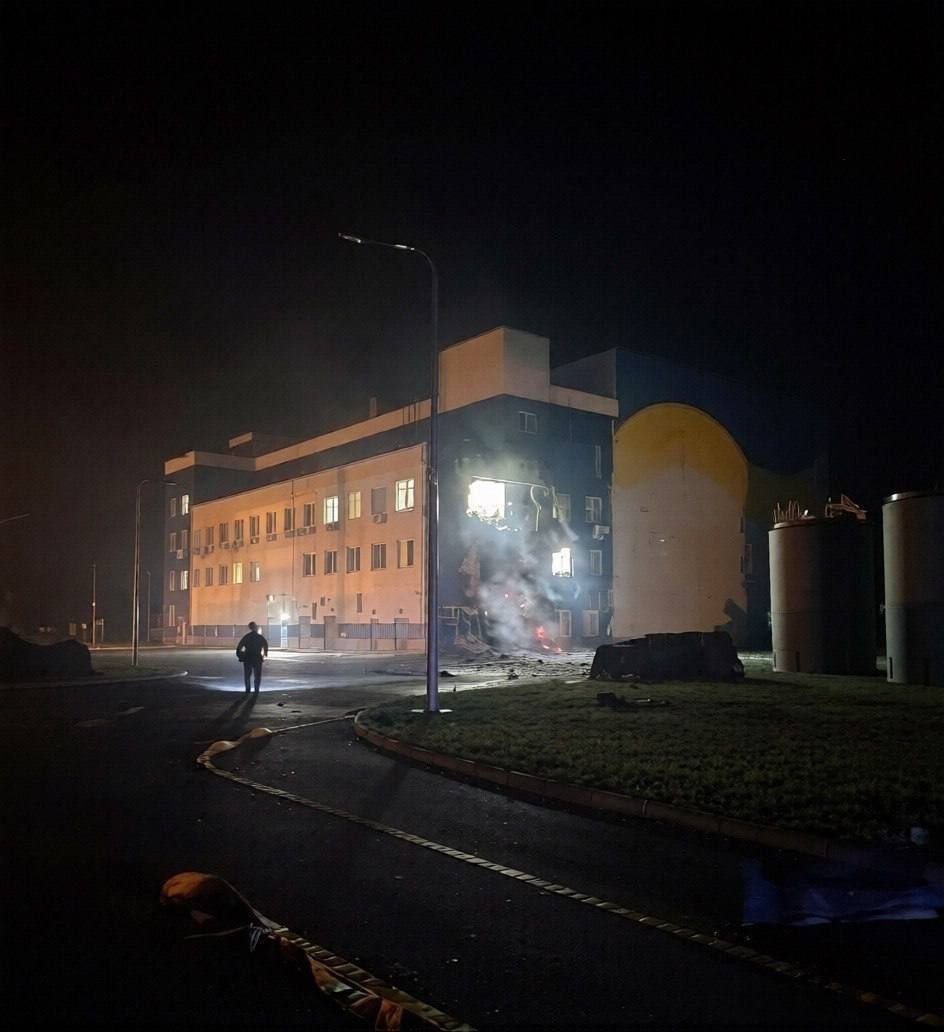
The most consequential kinetic event of 7 June 2026 was a Russian attack on the Centralized Storage Facility for Spent Nuclear Fuel within the Chernobyl Exclusion Zone. According to Ukraine’s state nuclear operator Energoatom, the strike partially destroyed the container reception building, though no spent fuel was present and no radiation release was detected. The incident was reported by the open‑source channel intelslava and corroborated by a Telegram post (https://t.me/intelslava/88493).
Chernobyl Exclusion Zone: Attack on Centralized Spent Nuclear Fuel Storage
Energoatom’s statement indicated that Russian Armed Forces employed indirect fire – the report lists “none” under weapons – to hit the reception structure. The damage was confined to the building envelope; structural integrity of the storage vaults remained intact. No casualties were reported, and radiation monitoring equipment recorded levels within normal limits. The agency promptly notified the International Atomic Energy Agency (IAEA), which later confirmed the absence of any radiological anomaly.
"The container reception building was partially destroyed, but spent nuclear fuel was not stored there. Radiation levels remain stable," Energoatom said.
Kyiv Oblast: Parallel Strike on Nuclear Fuel Facility
Earlier in the day, at 07:36 UTC, a separate Russian strike targeted the Centralized Spent Nuclear Fuel Storage Facility in Kyiv Oblast. The same type of building – a container reception hall – suffered partial destruction. As with the Chernobyl incident, no fuel was on site, no injuries occurred, and radiation levels stayed normal. The report originated from the channel monitor_the_situation (https://t.me/monitor_the_situation/19888).
Ukrainian Drone Operations in the Chernobyl Zone
At 08:23 UTC, Ukrainian forces launched a drone strike that damaged the central spent fuel storage facility in the Chernobyl Exclusion Zone. The attack, documented by monitor_the_situation, targeted the fuel reception building and was confirmed by the IAEA via its official Telegram feed (@iaeaorg). While the damage mirrored that inflicted by the Russian strike later in the day, Ukrainian officials emphasized that the facility’s critical containment structures were unharmed.
"A drone attack early on June 7 struck the central spent fuel storage facility, causing significant damage to the fuel reception building," the IAEA noted.
Russian Drone Strike Near Chernobyl Power Plant
Separately, the channel rnintel reported at 08:36 UTC that a Russian‑operated drone hit a storage site for spent nuclear fuel adjacent to the disused Chernobyl Nuclear Power Plant. Ukrainian authorities again confirmed that radiation levels remained stable, underscoring that the targeted material was not actively stored at the moment of impact (https://t.me/rnintel/61924).
Ukrainian Drone Attack on Crimean Oil Infrastructure
At 12:58 UTC, Ukrainian Special Operations Forces deployed combat drones against the Semikolodyansk oil depot and a nearby marine terminal near Yedi Quyu in Russian‑occupied Crimea. The operation, reported by monitor_the_situation, included released video footage showing explosions and fire suppression efforts. No casualty figures were provided, and the incident illustrates Ukraine’s expanding long‑range UAV capability against strategic logistics nodes (https://t.me/monitor_the_situation/19933).
Damage to Chonhar Bridge, Kherson Oblast
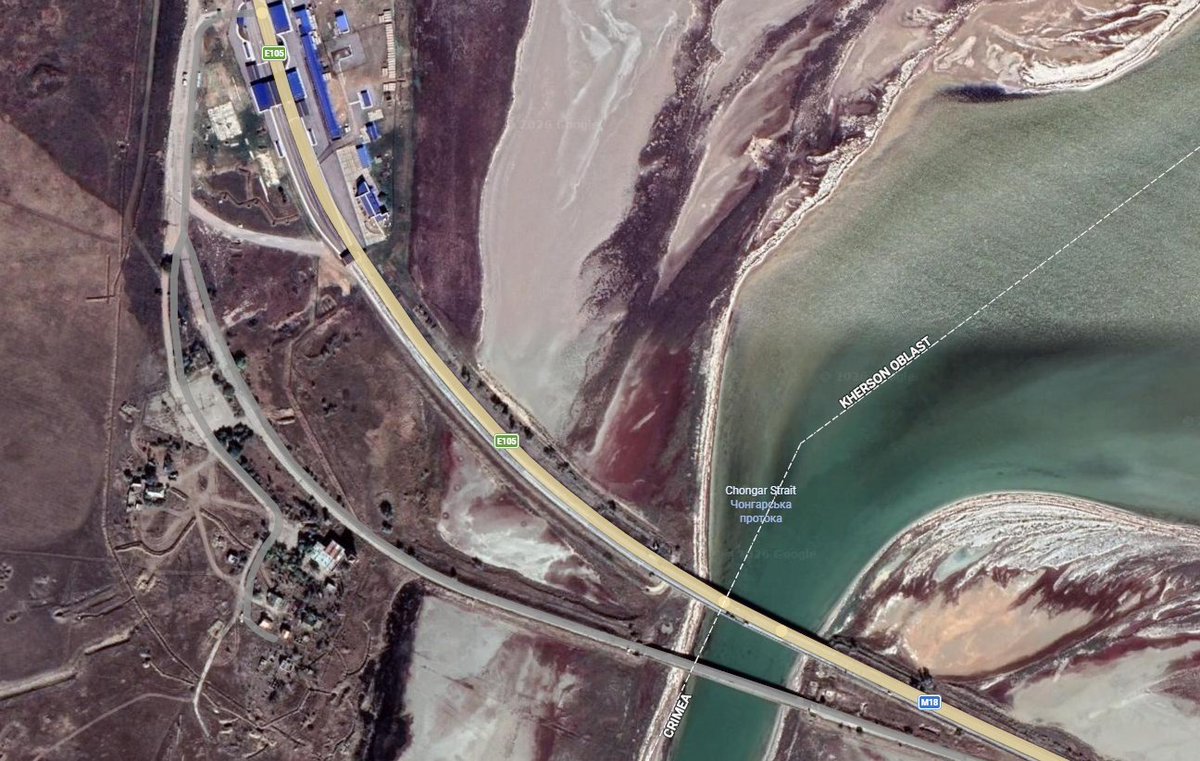
Ukrainian forces struck the Chonhar Bridge on the R‑280 Novorossiya land corridor at 07:57 UTC, severely damaging the structure and halting traffic through the Dzhankoi checkpoint. Vehicles were rerouted via Armyansk and Perekop. The bridge’s impairment disrupts a key supply line linking Crimea to mainland Ukraine. The event was reported by monitor_the_situation (https://t.me/monitor_the_situation/19892).
Ukrainian Overnight Long‑Range Drone Campaign
From Kyiv, the Ukrainian Unmanned Systems Forces conducted a series of overnight long‑range drone strikes against Russian military assets and infrastructure, as detailed by monitor_the_situation at 07:43 UTC. While specific targets were not enumerated, the campaign aligns with Ukraine’s broader strategy of leveraging UAVs to impose attrition on Russian rear‑area capabilities (https://t.me/monitor_the_situation/19889).
Storm Shadow Cruise Missile Deployments
Two separate reports highlighted the launch of Storm Shadow cruise missiles. At 06:44 UTC, the monitoring channel GeoPWatch confirmed missile trajectories toward the Donbas region and southeastern Russian territory. Later, at 06:23 UTC, Ukrainian Su‑24 bombers were observed over Dnipropetrovsk Oblast, poised to release Storm Shadow missiles against targets in Crimea, Rostov, Krasnodar, Donetsk and Zaporizhzhia. Both reports underscore Ukraine’s integration of Western‑supplied long‑range precision weapons into its offensive posture (https://t.me/GeoPWatch/35133; https://t.me/monitor_the_situation/19882).
Collectively, the June 7 kinetic events demonstrate a marked escalation in the use of both conventional and unconventional weapon systems across the Ukrainian theater. Russian strikes on nuclear‑related infrastructure, though causing no radiological harm, raise concerns about the potential for future targeting of sensitive sites. Simultaneously, Ukraine’s expanding UAV and cruise‑missile capabilities indicate a sustained effort to project power beyond the front lines, targeting logistical hubs and strategic infrastructure in occupied territories.