On June 7, 2026 Israeli forces announced the capture of Beaufort Castle in the Nabatieh Governorate, reporting the elimination of 350 Hezbollah fighters. The operation, described by the Israeli Prime Minister as a decisive victory, marks the most lethal single kinetic event in Lebanon since the war escalated in March.
"Our fighters captured Beaufort Castle and eliminated 350 terrorists," – Prime Minister Benjamin Netanyahu, BellumActaNews, 2026-06-07T16:33:01.
The castle, a historic fortress perched on a strategic ridge overlooking the Litani River, had been used by Hezbollah as a command and logistics hub. Israeli ground units, supported by artillery and close air support, seized the site after a brief but intense firefight. No Israeli casualties were reported, while the Lebanese Ministry of Health confirmed the death toll of the fighters, though independent verification remains pending.
Airstrikes Intensify in Beirut’s Dahiyeh District
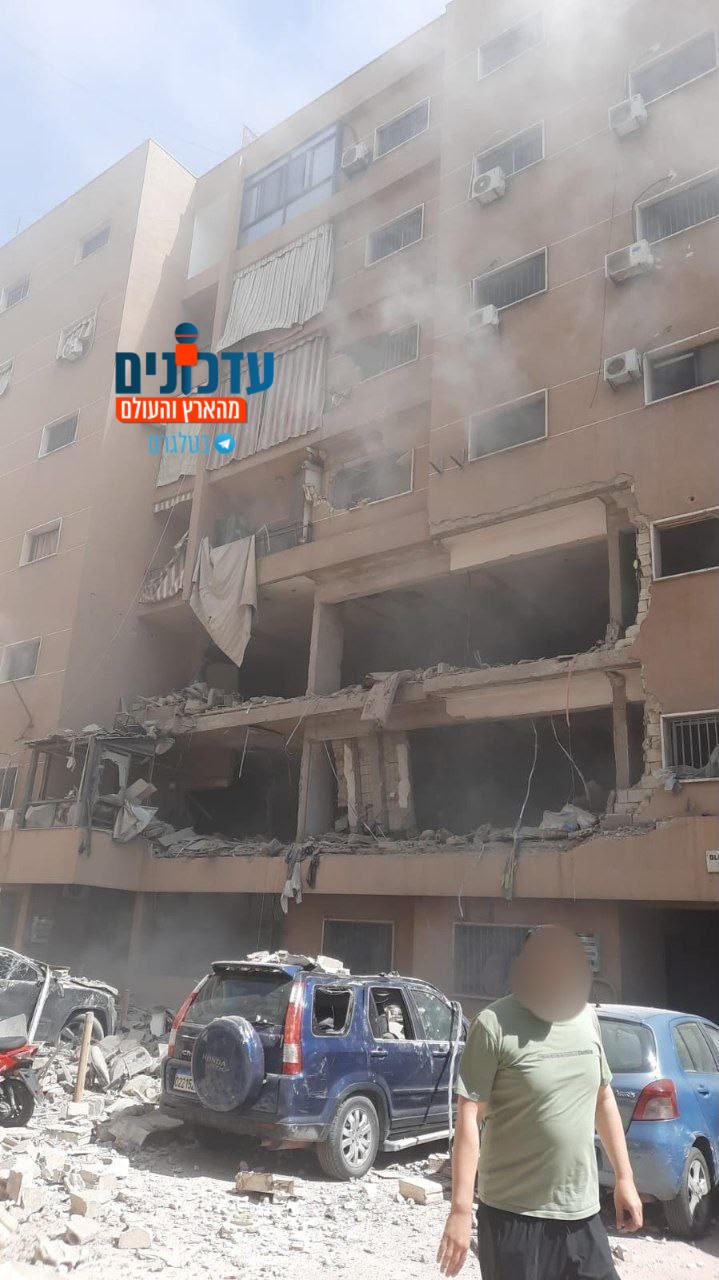
Simultaneous air operations targeted the Dahiyeh district of southern Beirut, a known Hezbollah stronghold. Two separate reports from CIG_telegram and rnintel documented the same strike:
"Death toll from the Israeli attack on Dahiyeh, southern Beirut, rises to two, with nine injured. The Lebanese Ministry of Health reports 3,613 deaths and 11,072 wounded in Israeli attacks since March 2nd," – CIG_telegram, 2026-06-07T15:58:47.
The strike killed two civilians and injured nine, bringing the cumulative Lebanese casualty count from Israeli attacks to 3,613 dead and 11,072 wounded since the conflict began on March 2, 2026. The Ministry of Health’s figures were corroborated by multiple monitoring channels, including monitor_the_situation and GeoPWatch.
Ground Raid in Nabatieh and Civilian Casualties in Zebdine
Later in the afternoon, Israeli forces conducted a raid in the city of Nabatieh, killing three Lebanese soldiers. The same operation extended to the nearby village of Zebdine, where a bomb strike resulted in the deaths of five civilians. The monitor_the_situation channel reported:
"Israeli Raid Kills Three Lebanese Soldiers in Nabatieh, Five Civilians in Zebdine," – monitor_the_situation, 2026-06-07T15:32:02.
The use of conventional bombs, rather than precision‑guided munitions, raised concerns among humanitarian observers about the proportionality of force in densely populated areas.
Western Bekaa Valley Airstrikes
The Israeli Air Force (IAF) also struck targets in the western Bekaa Valley, a region that hosts numerous Hezbollah training camps and supply routes. While the GeoPWatch report did not specify casualty numbers, it confirmed the deployment of IAF aircraft:
"IAF airstrikes against the western Bekaa Valley," – GeoPWatch, 2026-06-07T14:42:31.
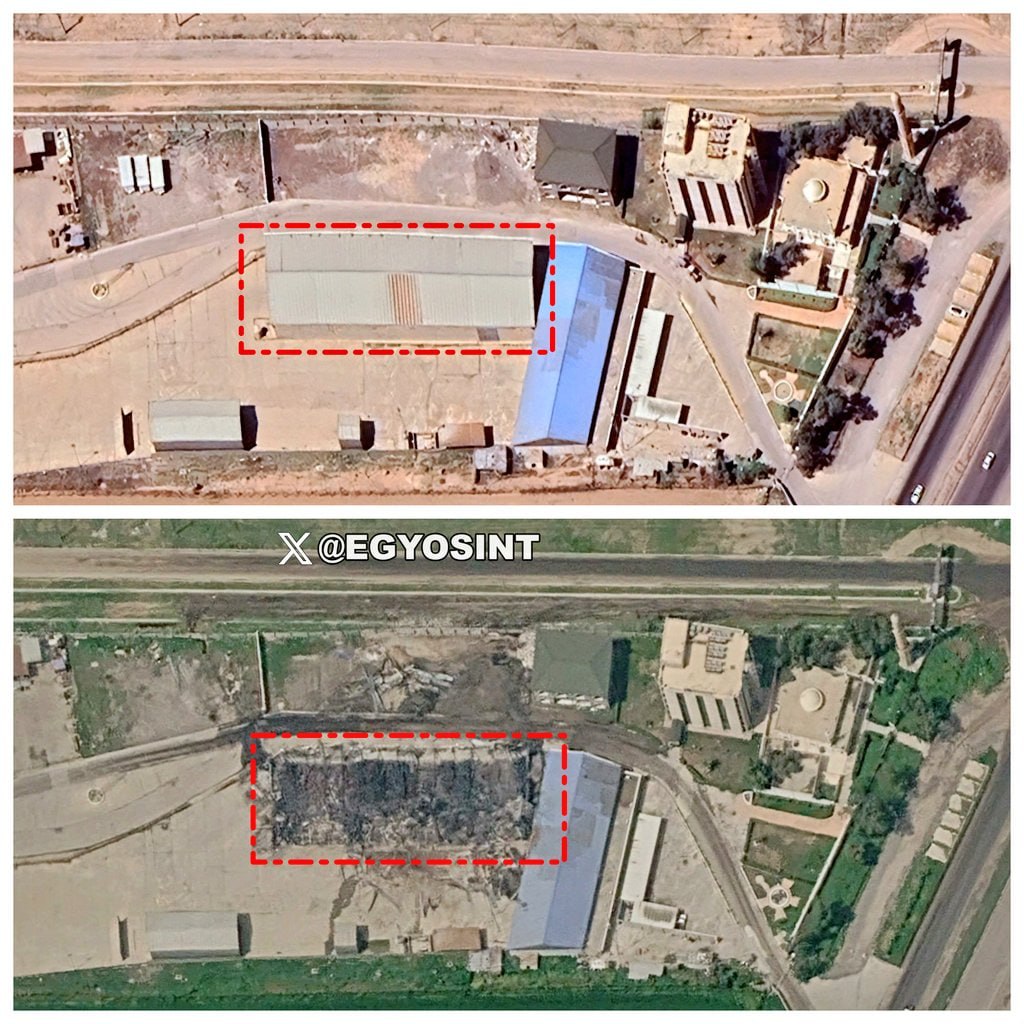
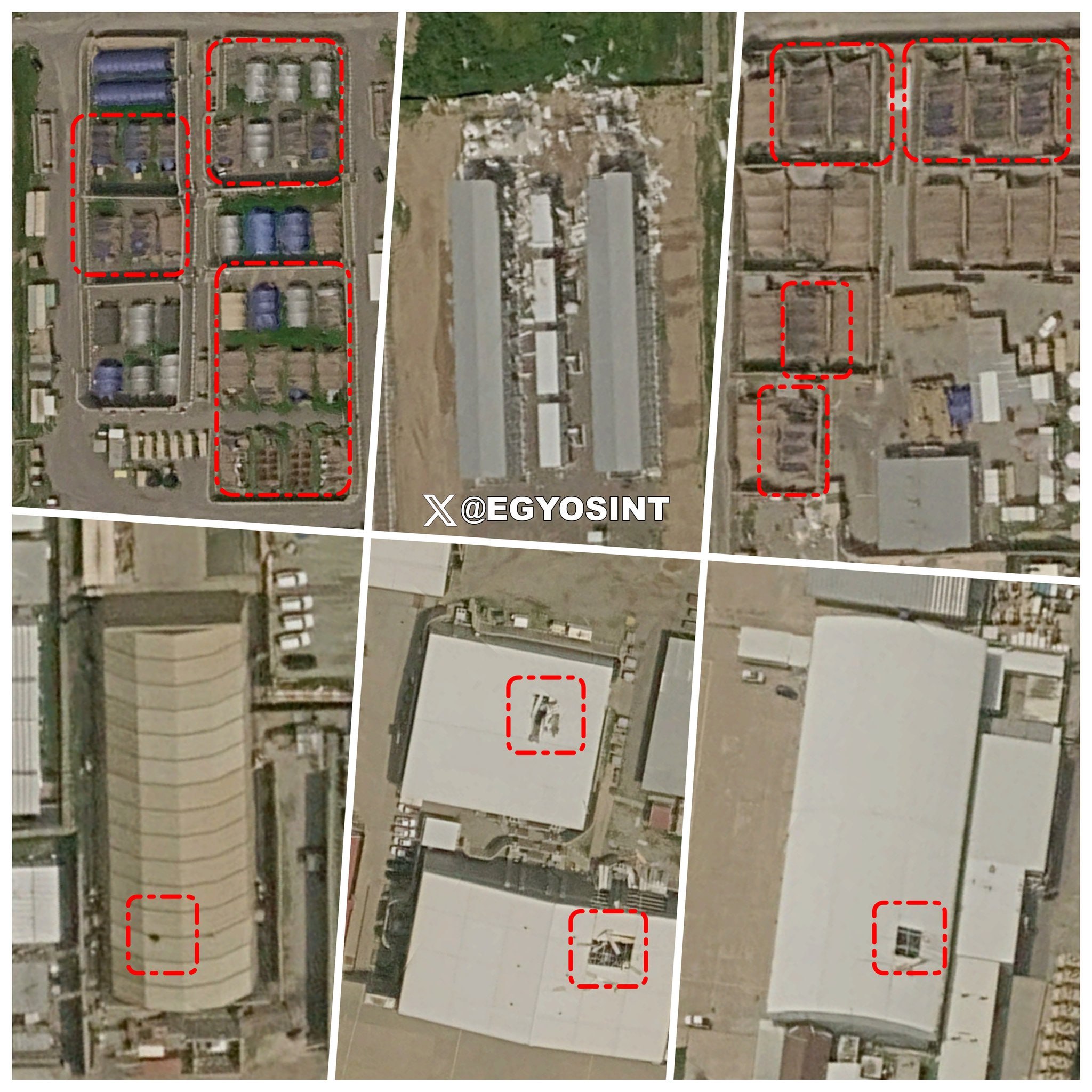
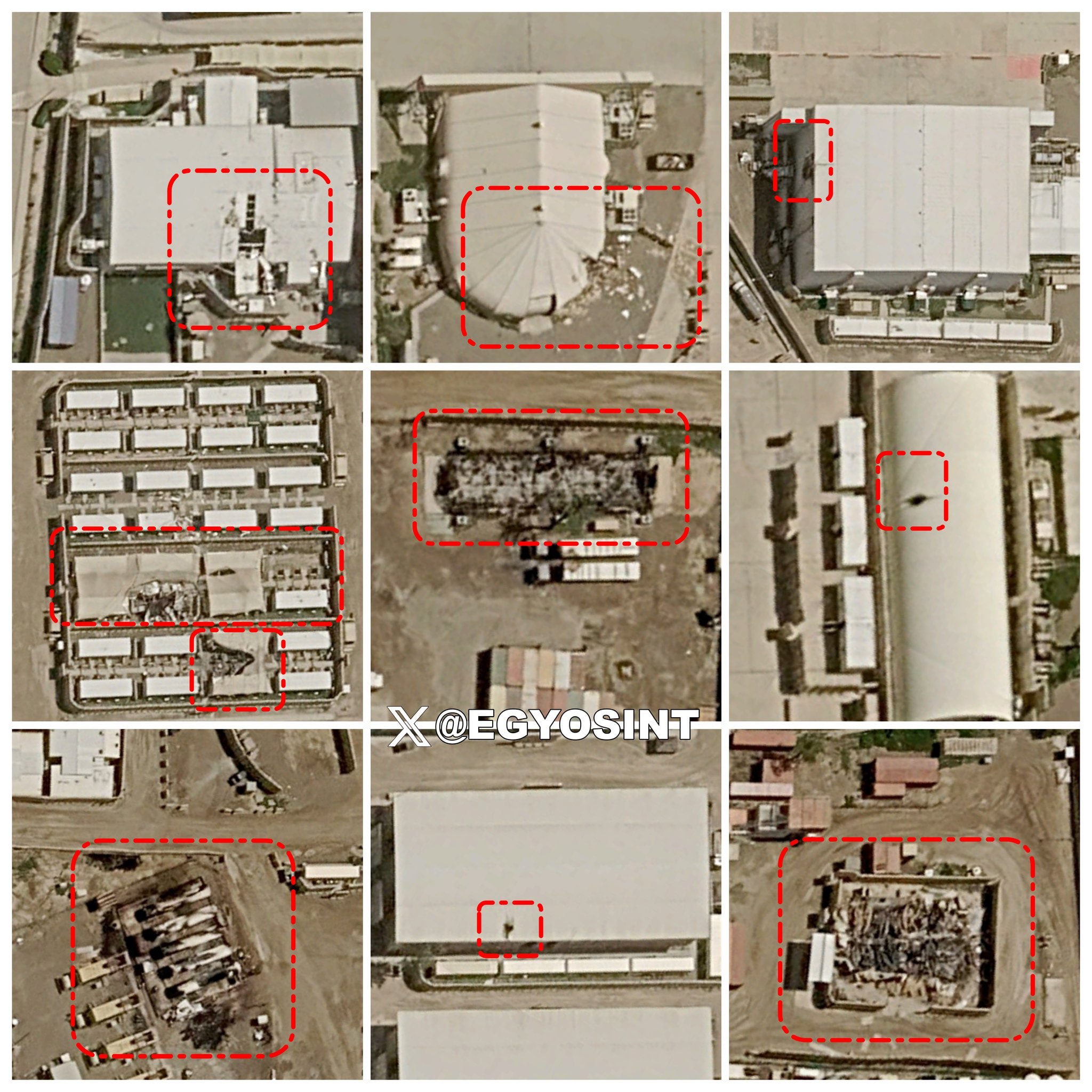
Satellite imagery released later showed smoke plumes and cratered terrain, indicating the use of high‑explosive ordnance.
Hezbollah Tunnel Complexes Targeted
Israel intensified its campaign against underground infrastructure. Two separate incidents were documented:
- At Qal'at al‑Qushayf, Israeli forces destroyed a tunnel complex believed to be used for smuggling weapons and personnel. The monitor_the_situation channel reported the destruction without casualty figures.
- Near Shaqif Castle, airstrikes hit a second tunnel network, further degrading Hezbollah’s ability to move troops covertly across the border.
Both actions were framed by Israeli officials as pre‑emptive measures to prevent future cross‑border attacks.
Cumulative Casualty Assessment
A broader informational update from the monitor_the_situation channel highlighted the war’s human cost:
"Israel's War on Lebanon Kills at Least 3,613 Since March 2," – monitor_the_situation, 2026-06-07T14:17:09.
The figure aggregates deaths from airstrikes, artillery, and ground engagements across the country. While the Israeli Defense Forces (IDF) have not released an official tally, the consistent reporting across multiple open‑source channels suggests a high degree of reliability.
Operational Analysis
The June 7 operations demonstrate a coordinated escalation strategy by the IDF:
- Ground seizure of strategic terrain – Capturing Beaufort Castle not only eliminates a command node but also provides Israel with a forward observation post overlooking the Litani corridor.
- Targeted airstrikes on urban Hezbollah hubs – The Dahiyeh attacks aim to degrade command‑and‑control capabilities while imposing civilian costs that may pressure local support for Hezbollah.
- Systematic destruction of tunnel networks – By neutralizing subterranean routes, Israel seeks to limit Hezbollah’s ability to launch surprise attacks and to interdict supply lines from Iran and Syria.
Weaponry employed ranged from conventional bombs and artillery shells to precision‑guided munitions, though the majority of reports did not specify exact ordnance types. No new missile systems were disclosed.
Humanitarian Implications
The spike in civilian casualties, particularly in densely populated districts such as Dahiyeh and Zebdine, underscores the escalating humanitarian crisis. The Lebanese Ministry of Health’s cumulative figures, combined with on‑the‑ground reports of damaged infrastructure, suggest that medical facilities are under severe strain. International humanitarian organizations have called for increased access to affected areas, but security constraints limit verification.
Outlook
Israel’s operational tempo on June 7 indicates a shift toward high‑intensity, multi‑domain engagements aimed at degrading Hezbollah’s operational depth. The capture of Beaufort Castle may serve as a staging point for further incursions into southern Lebanon. However, the rising civilian toll could provoke broader regional condemnation and potentially influence diplomatic initiatives aimed at de‑escalation.