On June 6, 2026, the Israel Defense Forces (IDF) conducted a large‑scale air campaign against targets in Lebanon, marking the most significant kinetic event reported for the day. The operation, described by the Telegram channel IntelRepublic as a "massive strike," involved extensive use of aerial assets, though specific weapon systems were not disclosed. No casualty figures were released at the time of reporting, and the strikes were accompanied by a video release on the channel’s feed.
"Israel launches massive strikes on Lebanon" – IntelRepublic, 2026‑06‑06T17:46:14, source
Kuwait Intercepts Iranian Ballistic Missiles
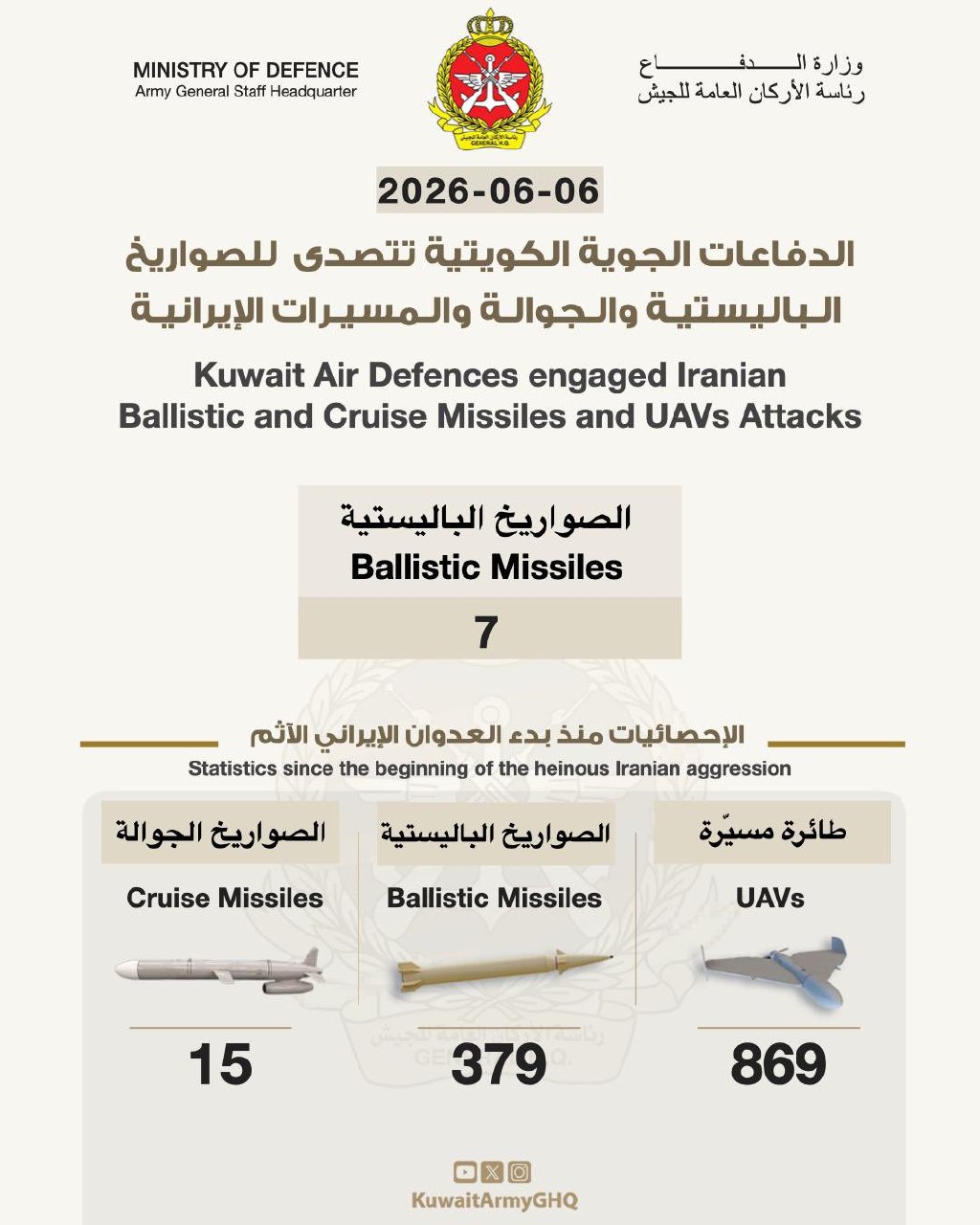
Earlier in the day, Kuwait’s air defense forces reported the successful interception of seven Iranian ballistic missiles over residential zones. The interceptions produced debris but resulted in no reported injuries. Al Jazeera’s video coverage confirmed the event, noting that the missiles were launched from Iran and targeted areas within Kuwait’s territory.
"Kuwait says it intercepted seven ballistic missiles over residential areas, resulting in some debris but no casualties" – AlJazeera, 2026‑06‑06T15:09:56, source
Iranian Retaliation and U.S. Drone Strikes in the Strait of Hormuz
In the pre‑dawn hours, the Islamic Revolutionary Guard Corps (IRGC) reported that four oil tankers attempted to exit the Strait of Hormuz, with one vessel sustaining a hit. Concurrently, U.S. unmanned aerial systems (UAS) struck sites on Qeshm and Sirik islands, prompting Iran to launch missile attacks against Kuwait’s Ali Al Salem Air Base and U.S. Fifth Fleet installations in Bahrain. The IRGC’s statement, relayed by the CIG_telegram channel, detailed the sequence of events and identified the weapons employed as drones and missiles.
"Iran’s IRGC says four tankers tried leaving Hormuz at 1:30 a.m.; one was hit… Iran then responded with missile strikes on Kuwait’s Ali Al Salem Air Base and U.S. Fifth Fleet facilities in Bahrain" – CIG_telegram, 2026‑06‑06T11:14:15, source
U.S. Central Command Confirms Additional Missile Interceptions
U.S. Central Command (CENTCOM) later announced the interception of seven Iranian ballistic missiles directed toward Kuwait and Bahrain. The statement placed the Iranian launches in the broader context of heightened regional tensions, noting that the missiles were neutralized before reaching their intended targets. This claim aligns with the earlier Kuwaiti interception report, though a subsequent statement from the Kuwaiti Army General Staff indicated a total of seven missiles intercepted, contrasting with CENTCOM’s figure of six for the combined Kuwait‑Bahrain theater.
"US Central Command said seven ballistic missiles were fired towards Kuwait and Bahrain" – AlJazeera, 2026‑06‑07T07:51:28, source
Ukrainian Strikes on Russian Territory
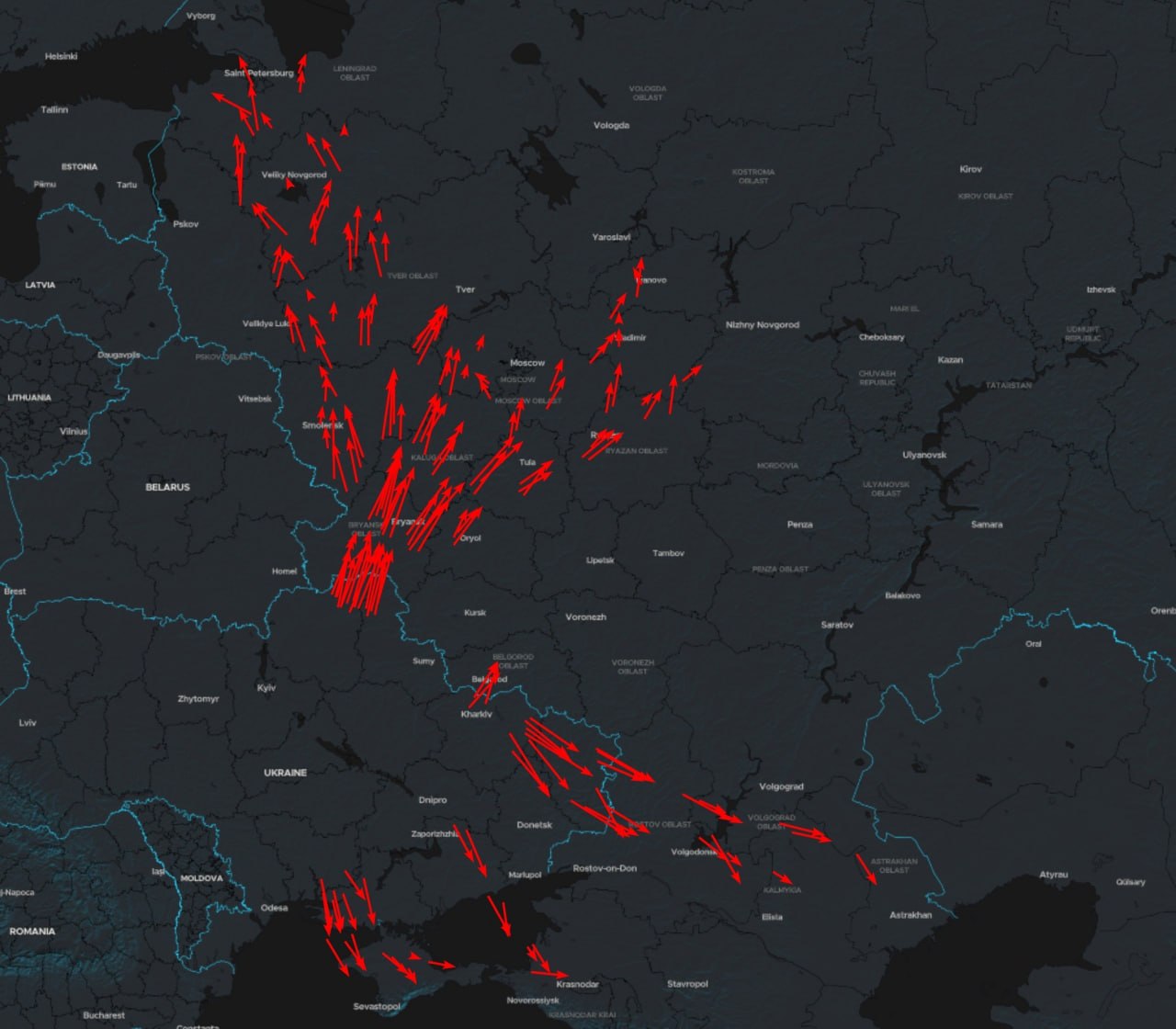
Ukrainian forces continued their cross‑border operations against Russia, with BellumActaNews reporting a new wave of strikes targeting the city of Saint Petersburg. While the specific weapons used were not identified, the report emphasized the strategic intent to pressure Russian infrastructure. In addition, a Ukrainian drone attack ignited a fire at the Antipinsky oil refinery in Tyumen, a major private refinery with a capacity exceeding 9 million tons per year. The incident was documented by monitor_the_situation, which provided video evidence of the resulting blaze.
"Ukrainian Armed Forces launched another wave of strikes against Russian territory, aiming specially on Saint Petersburg this morning" – BellumActaNews, 2026‑06‑06T07:40:46, source
Russian Deployment of Anti‑Aircraft Systems in Moscow
Russia’s air defense posture shifted as the Russian Air Force installed anti‑aircraft systems on high‑rise buildings in Moscow. Monitor_the_situation highlighted the operational risk, noting that such installations could render civilian structures legitimate military targets under international law, potentially increasing the vulnerability of the urban population to Ukrainian attacks.
"The Russian Air Force is deploying anti‑aircraft systems on high‑rise buildings in Moscow, potentially making those buildings legitimate military targets for Ukrainian forces" – monitor_the_situation, 2026‑06‑06T10:03:16, source
Additional UAV Activity and Regional Alerts
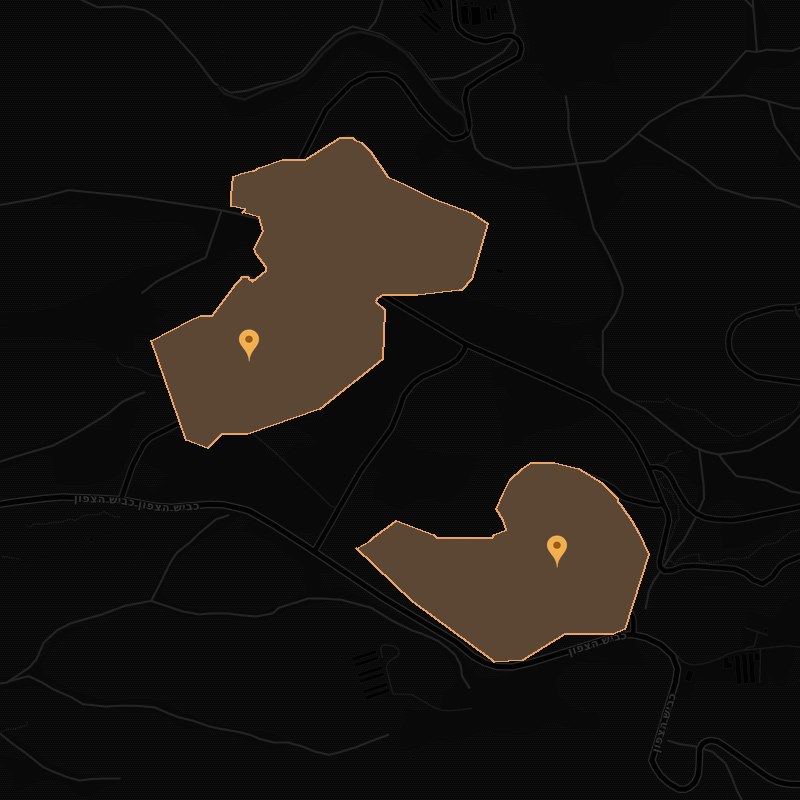
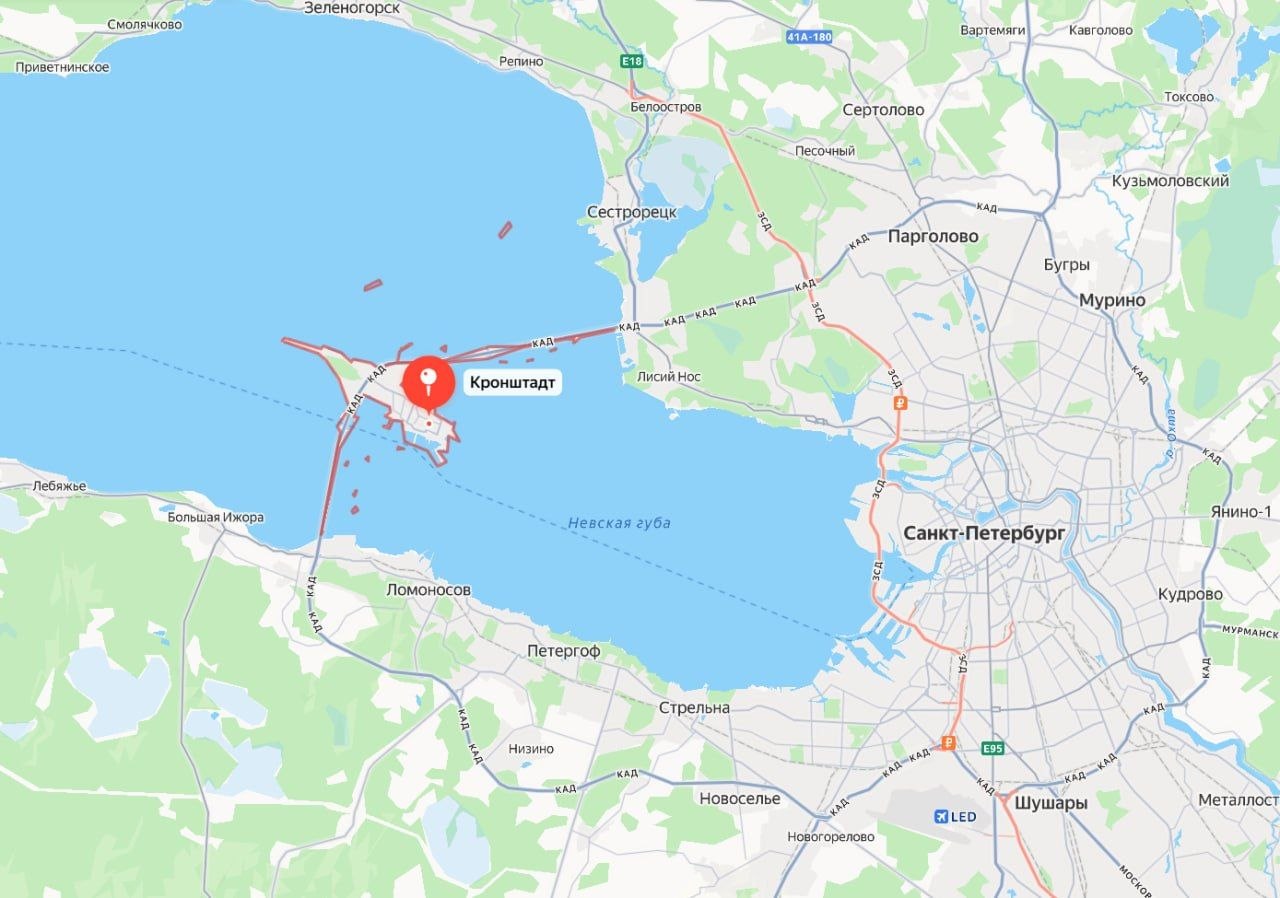
Several hostile UAV alerts were recorded across the region. RocketAlert reported a UAV sighting near Shomera and Even Menachem in Israel, while intelslava documented Ukrainian drone operations that forced the closure of the Russian island city of Kronstadt and prompted a partial evacuation of the adjacent Lomonosovsky district after a fire erupted at a military facility. Both incidents underscore the expanding role of unmanned systems in contemporary conflict dynamics.
"Hostile UAV alert 2026‑06‑06 12:44:43: Confrontation Line: Shomera, Even Menachem" – RocketAlert, 2026‑06‑06T09:44:44, source
Collectively, these events illustrate a day of intensified kinetic activity across multiple theaters, with state and non‑state actors employing a range of conventional and unmanned weapons. The overlapping operations—Israeli airstrikes, Iranian missile launches, U.S. defensive interceptions, and Ukrainian drone attacks—reflect a complex security environment where rapid escalation and de‑escalation cycles coexist. Monitoring agencies will continue to verify casualty figures and assess the strategic implications of these engagements.