On 6 June 2026, the Islamic Revolutionary Guard Corps (IRGC) launched the most consequential kinetic operation of the day, striking an oil tanker in the Strait of Hormuz and firing missiles at targets in Kuwait and Bahrain. The attack, reported by the Telegram channel monitor_the_situation, marks a sharp escalation in the maritime confrontation that has defined the US‑Iran standoff since early 2026.
"Iran's Islamic Revolutionary Guard Corps hit an oil tanker in the Strait of Hormuz and launched missiles at targets in Kuwait and Bahrain," monitor_the_situation, 2026‑06‑06T03:43:50, https://t.me/monitor_the_situation/19749No casualty figures were released, and the tanker’s status after the strike remains unconfirmed. The missile launches employed standard IRGC‑type cruise missiles, though specific models were not disclosed.
Retaliatory Missile Launches from the Strait
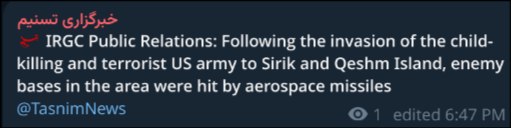
Earlier that morning, at 01:52:41, the IRGC announced a separate salvo of missiles aimed at what it described as "enemy bases" in the Strait of Hormuz. The statement, also from monitor_the_situation, framed the strikes as retaliation for US attacks on Sirik and Qeshm Islands the previous day.
"IRGC Announces Retaliatory Strikes on Enemy Bases After US Bombardment," monitor_the_situation, 2026‑06‑06T01:52:41, https://t.me/monitor_the_situation/19741Photographic evidence accompanying the claim showed launch pads and missile trajectories, but independent verification of impact locations was not available at the time of writing.
U.S. Air Operations Against Iranian Radar Installations
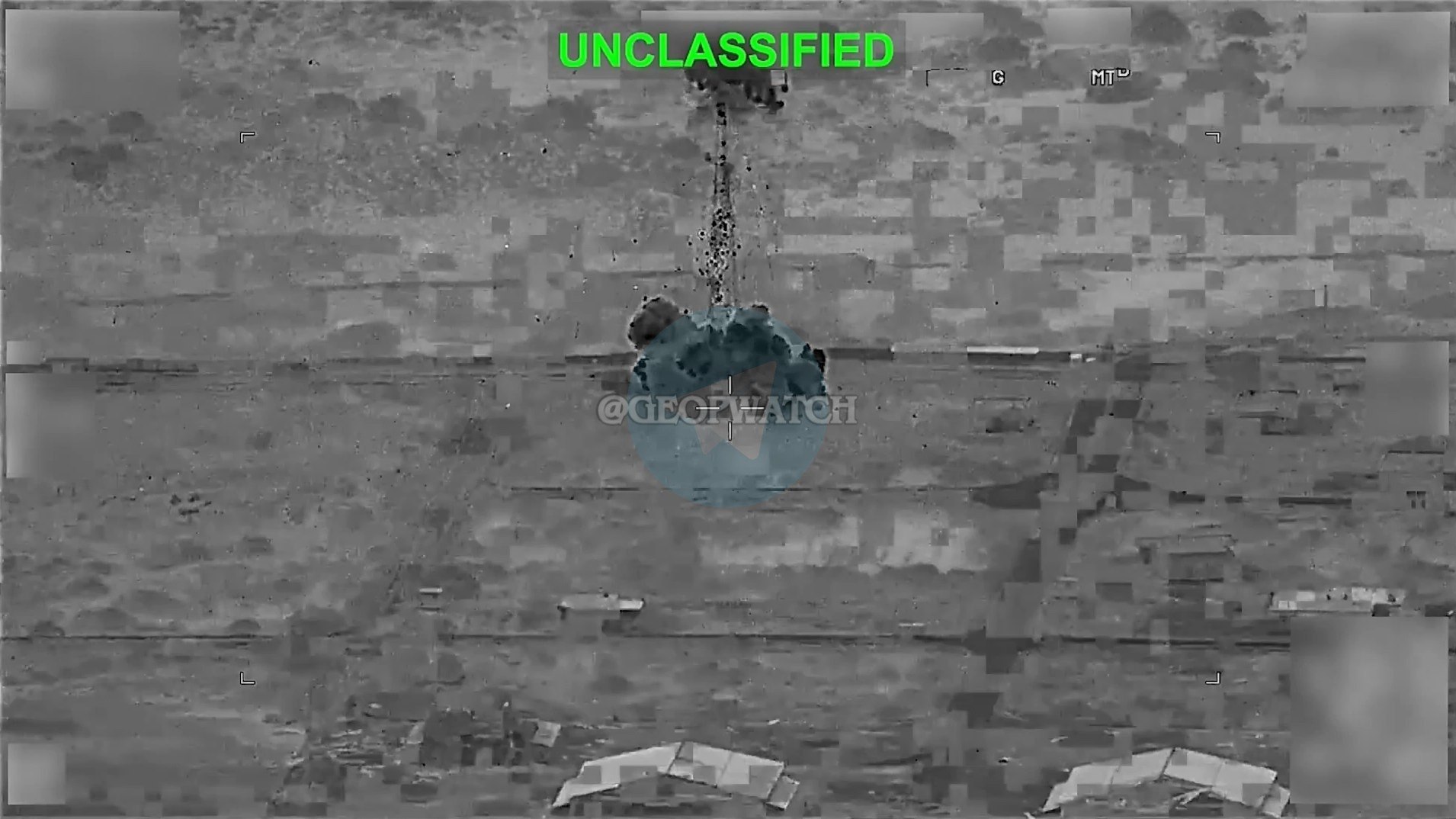
U.S. Central Command (CENTCOM) released two separate video clips on 6 June confirming airstrikes on Iranian coastal radar sites. The first clip, timestamped 02:21:56, displayed strikes on surveillance installations in Sirik and on Qeshm Island. The second, at 03:08:38, showed the destruction of a telecommunications tower near Sirik, a target originally hit on 2 June but re‑released for public consumption.
"U.S. Central Command released footage showing U.S. forces striking Iranian coastal radar sites in Sirik and Qeshm Island," GeoPWatch, 2026‑06‑06T02:21:56, https://t.me/GeoPWatch/35071
"Footage showing the destruction of a telecommunications tower near Sirik," GeoPWatch, 2026‑06‑06T03:08:38, https://t.me/GeoPWatch/35074These operations employed precision‑guided munitions, though the specific weapon systems were not enumerated. No U.S. or Iranian casualties were reported in the released material.
U.S. Interception of Iranian Ballistic Missiles and Drones
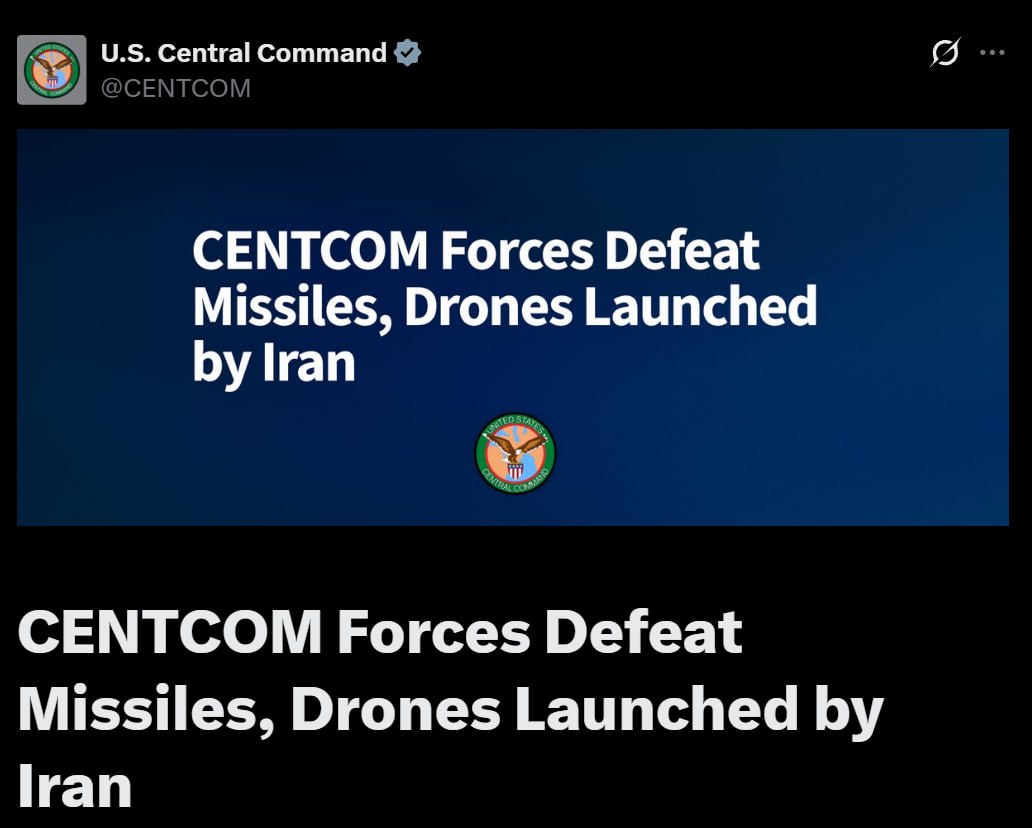
At 02:20:28, CENTCOM announced the successful interception of six Iranian ballistic missiles and accompanying drones launched toward the Strait of Hormuz and the broader Gulf region. A seventh projectile failed to reach its intended target. The U.S. defense system, likely the Aegis Ballistic Missile Defense (BMD) suite, engaged the threats without reported damage to U.S. assets, including the 5th Fleet headquarters in Bahrain, which Iran had claimed to have struck.
"U.S. forces intercepted multiple Iranian ballistic missiles and drones launched by Iran toward the Strait of Hormuz and Gulf neighbors," CIG_telegram, 2026‑06‑06T02:20:28, https://t.me/CIG_telegram/76867
Additional Regional Kinetic Incidents
Further kinetic activity was documented throughout the day:
- Goruk Radar Strike: CENTCOM released video at 02:20:28 showing U.S. strikes on Iranian radar sites in Goruk and Qeshm Island, reinforcing the pattern of targeting Iranian early‑warning infrastructure.
- IRGC Aerospace Missile Launch: At 01:49:06, the IRGC claimed to have fired aerospace missiles at U.S. bases on Sirik and Qeshm Island in response to a reported U.S. Army incursion. No independent verification of impact or damage was available.
- Drone Activity in Ilam: At 01:18:01, GeoPWatch released video capturing the audible presence of drones over Ilam in western Iran, indicating possible reconnaissance or low‑intensity harassment operations.
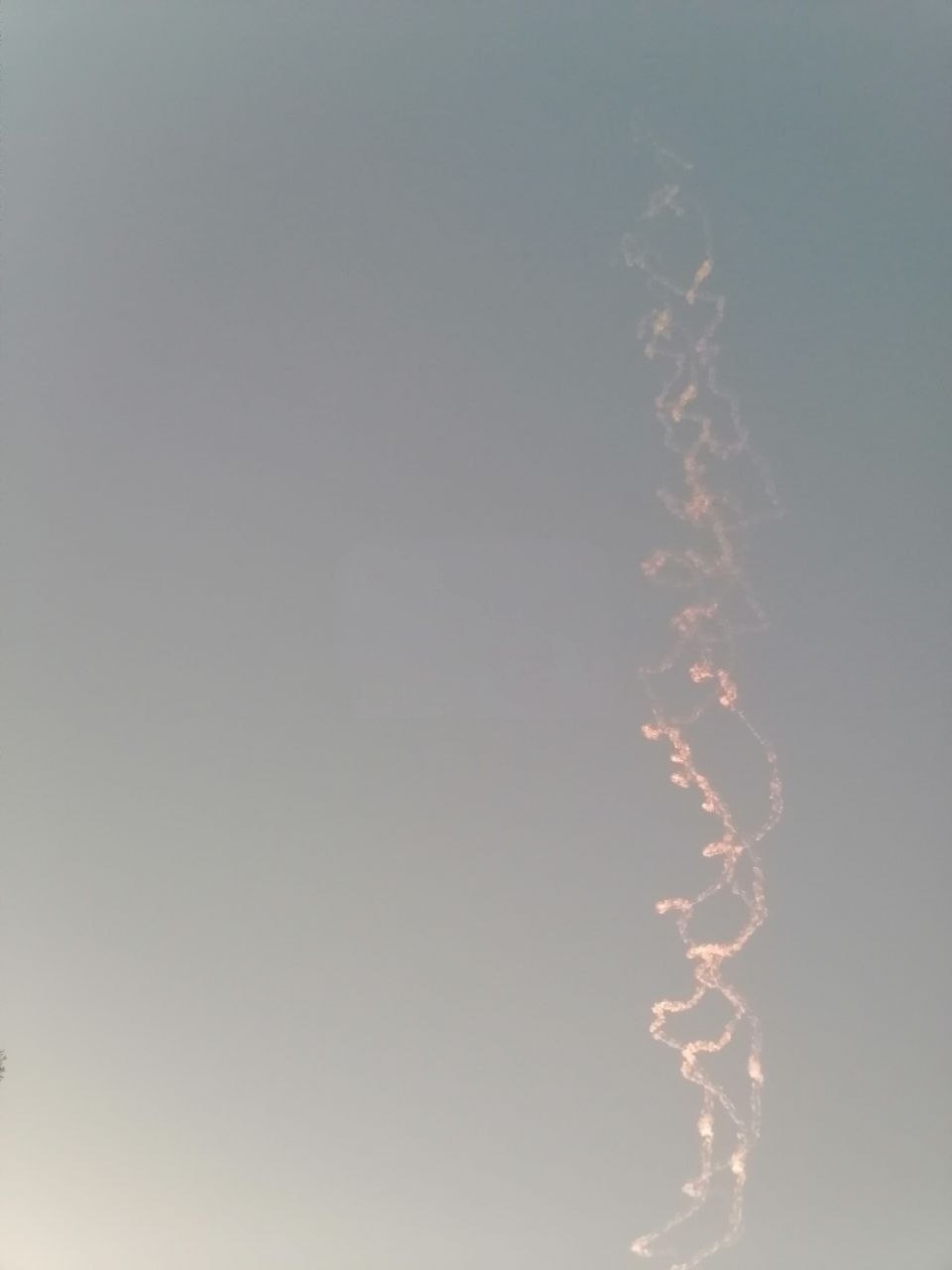
- Ballistic Missile Launch from Fars Province: An image posted at 01:14:16 showed a ballistic missile launch, likely originating from Fars Province, suggesting continued missile readiness on the Iranian side.
Analysis of the Kinetic Escalation
The coordinated nature of the IRGC’s maritime and missile actions, combined with the U.S. response targeting Iranian radar and communications infrastructure, illustrates a rapid escalation cycle. The Strait of Hormuz remains a flashpoint where kinetic engagements can quickly expand into broader regional conflict. Interception of Iranian missiles demonstrates the effectiveness of U.S. layered defense but also underscores the high operational tempo on both sides.
While casualty reports remain limited, the strategic implications are significant. The IRGC’s willingness to strike commercial shipping and neighboring sovereign states marks a departure from previous proxy‑focused tactics. Conversely, U.S. public release of strike footage signals an intent to deter further Iranian aggression by showcasing capability and resolve.