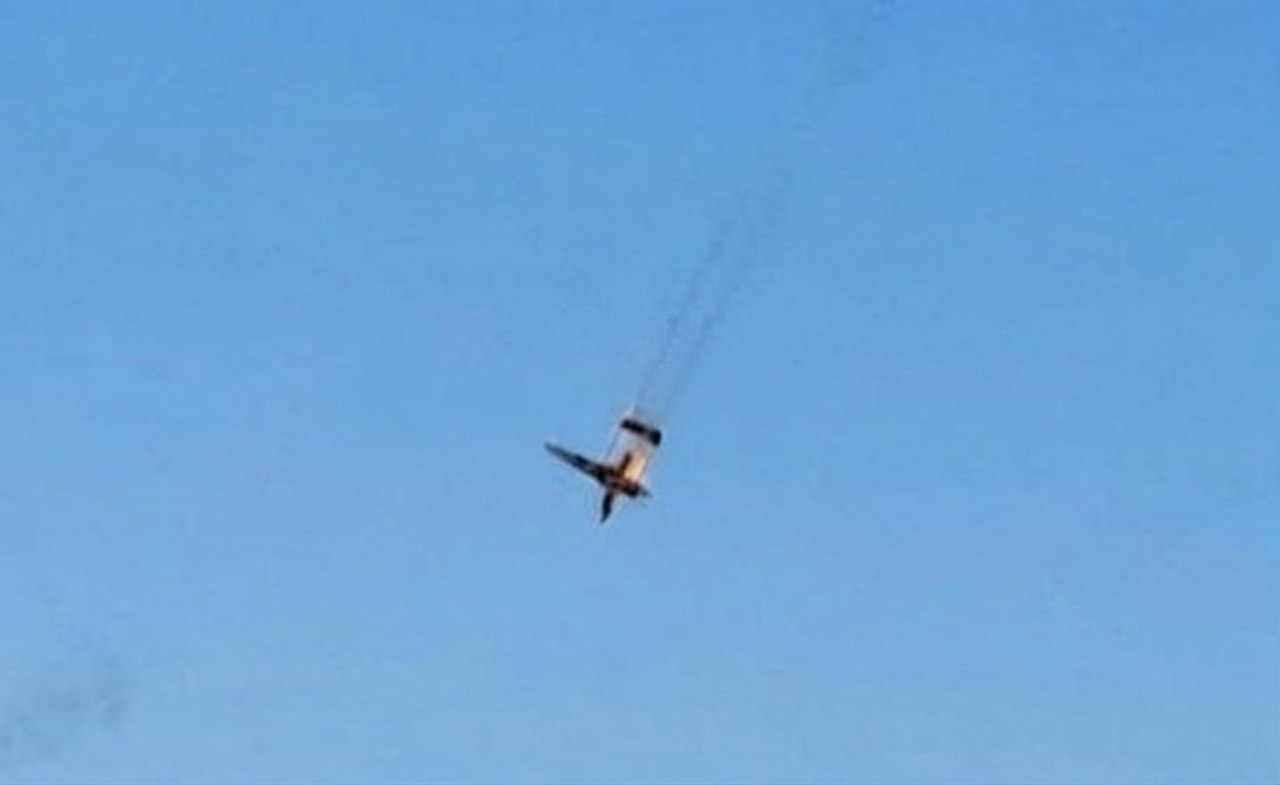
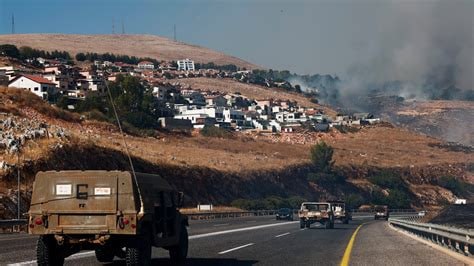
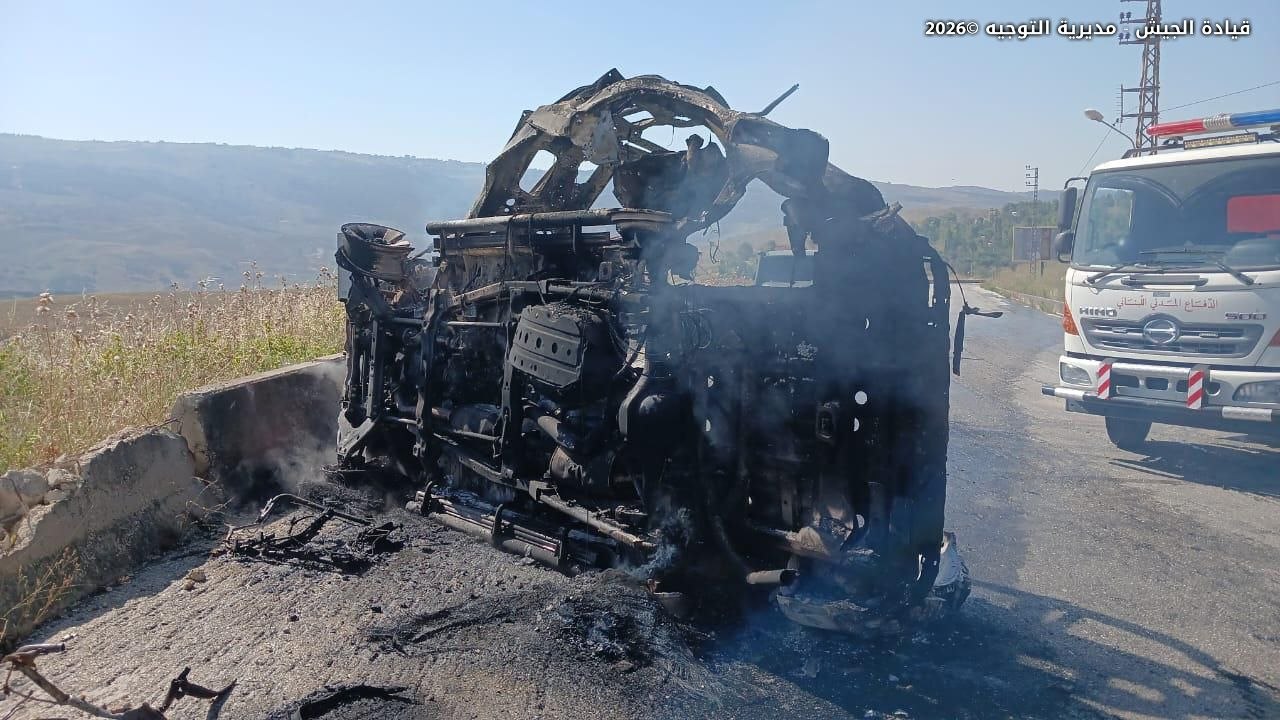
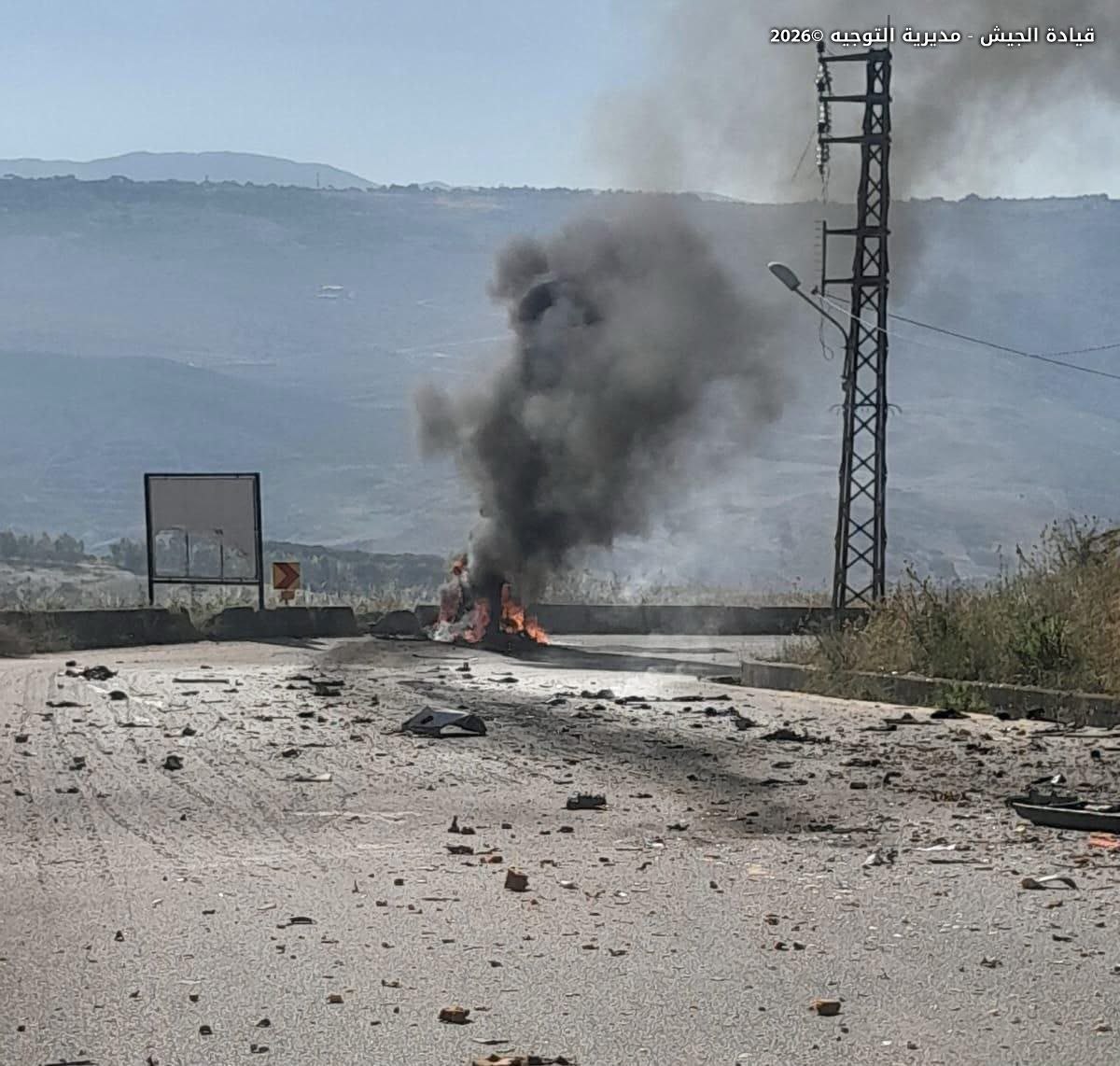
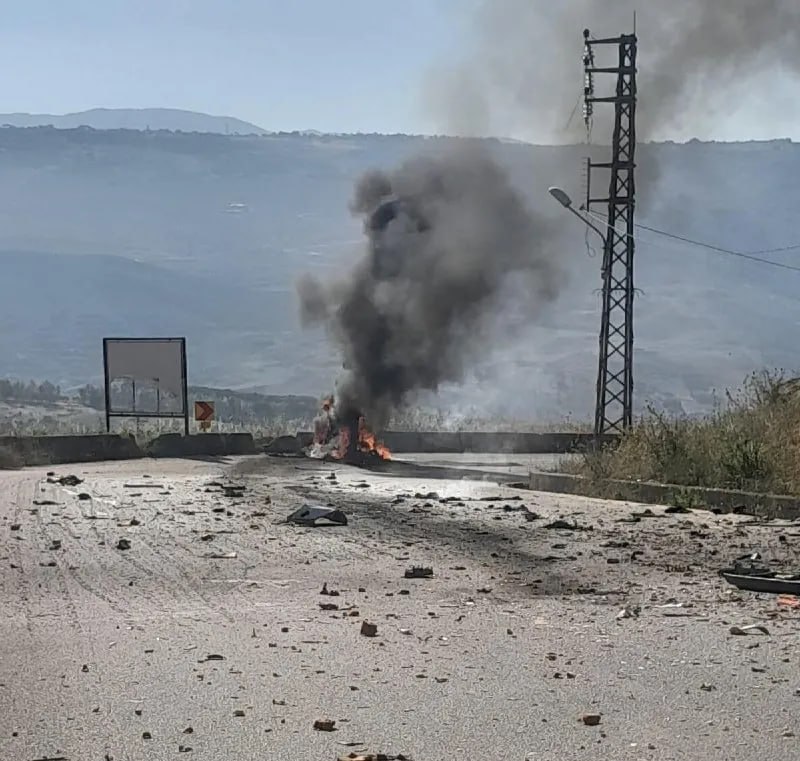
At 12:14 local time on 6 June 2026, an Israeli unmanned aerial vehicle (UAV) struck a military convoy on the Kafr Tibnit‑Kharbital road in the Nabatieh District, killing a Lebanese brigadier general, a captain and a soldier. The attack, reported by the intelligence channel intelslava, used a precision‑guided drone and marked the deadliest single‑incident loss of senior Lebanese officers since the 2023 border clashes.
"An Israeli drone strike targeted a military vehicle on the Kafr Tibnit - Kharbital (Nabatieh) road, resulting in the death of two officers, with ranks of Brigadier General and Captain, and a soldier." – intelslava, https://t.me/intelslava/88480
Drone strikes intensify across southern Lebanon
Following the Kafr Tibnit incident, Israeli UAVs conducted multiple additional strikes. At 14:22 UTC, a drone‑launched missile hit a Lebanese Army patrol on the Khardali‑Nabatieh road, killing two officers and a soldier, according to the Lebanese Presidency’s statement relayed by rnintel. Later, at 16:57 UTC, Hezbollah released footage of an Ababil FPV drone striking the cannon of an Israeli Merkava IV tank near Zawtar, demonstrating the reciprocal use of low‑cost drones in the theater.
"Hezbollah released video showing an Ababil FPV drone striking the cannon of an Israeli Merkava IV tank near Zawtar on May 27." – GeoPWatch, https://t.me/GeoPWatch/35094
Airstrikes target Lebanese military assets
Israeli air power was deployed in several high‑impact operations. At 13:55 UTC, the Israel Defense Forces (IDF) confirmed an airstrike in southern Lebanon that killed three Lebanese soldiers, including a brigadier general, after the vehicle was deemed suspicious in an active combat zone (OSINTdefender). Earlier, at 06:43 UTC, an Israeli strike on a military vehicle resulted in the deaths of several soldiers and an officer, as reported by monitor_the_situation. The cumulative effect of these air attacks was ten fatalities on the Khardali‑Nabatieh road alone, as documented by Al Jazeera.
"Israeli attacks in Lebanon kill 10 people, including a brigadier general, a captain and a soldier on the Khardali‑Nabatieh road." – Al Jazeera, https://www.aljazeera.com/news/2026/6/6/israeli-attacks-in-lebanon-kill-10-people-including-high-ranking-soldiers
Shelling and munitions use in populated areas
Beyond aerial platforms, ground‑based artillery and controversial munitions were employed. At 14:51 UTC, visual evidence shared by the New York Times and circulated on monitor_the_situation showed Israeli forces deploying white‑phosphorus shells over populated zones in southern Lebanon, raising potential violations of international humanitarian law. Concurrently, Hezbollah shelled an Israeli military gathering near Shaqif Castle (Beaufort Castle) with artillery, sustaining the pattern of reciprocal fire.
"Hezbollah fired artillery shells at an Israeli military gathering near Shaqif Castle in southern Lebanon." – monitor_the_situation, https://t.me/monitor_the_situation/19808
Regional escalation and broader strike environment
The Lebanese kinetic events occurred against a backdrop of heightened regional activity. The IDF reported striking approximately 150 Hezbollah infrastructure sites across southern Lebanon on 6 June, while three Lebanese army officers were mistakenly identified as militants and targeted. Simultaneously, the United States conducted strikes on Iranian IRGC radar sites on Qeshm Island and in the Strait of Hormuz, and Iran responded with ballistic missiles toward Kuwait and Bahrain. Although these actions lie outside Lebanese territory, they contribute to an environment of rapid escalation that influences operational decisions on the Lebanese front.
Humanitarian impact
The Lebanese Health Ministry, citing data from monitor_the_situation, confirmed that Israeli attacks since 2 March have resulted in 3,593 deaths and 10,990 injuries across Lebanon. While the ministry’s cumulative figures encompass the entire conflict period, the June 6 incidents alone added at least ten fatalities and multiple injuries among combatants, with civilian casualties reported in adjacent villages hit by artillery and drone strikes.
Overall, the June 6 kinetic surge underscores a shift toward high‑value target elimination, increased use of UAVs by both sides, and a willingness to employ munitions with heightened civilian risk. The pattern suggests a trajectory of intensified, reciprocal violence that could further destabilize southern Lebanon and expand the conflict’s geographic scope.