On 5 June 2026, the intensity of kinetic operations along the Lebanon‑Israel frontier reached a new peak. The Lebanese Ministry of Health confirmed that Israeli airstrikes in southern Lebanon killed at least eight civilians and wounded fifteen people, underscoring the growing human cost of the cross‑border conflict.
"The strikes targeted residential areas in the villages of ... and resulted in eight fatalities and fifteen injuries," the ministry said, citing field reports.These attacks were reported by rnintel and corroborated by the monitoring channel monitor_the_situation (source URL: https://t.me/rnintel/61839).
Israeli Air and Drone Campaigns in Southern Lebanon
Following the early‑morning strikes, Israel conducted a series of additional kinetic actions across the southern governorates. At 16:18 UTC, an Israeli airstrike hit the town of Al‑Jumaymah in the Bint Jbeil district, a location repeatedly used by Hezbollah for command and logistics.
"The target was identified as a Hezbollah weapons depot," an Israeli defence spokesperson told monitor_the_situation (source URL: https://t.me/monitor_the_situation/19669).Later, at 17:59 UTC, Israeli aircraft bombed the villages of Qatarni, Wadi Barghaz and Al‑Mahmoudiya, causing further civilian displacement and property damage (source: monitor_the_situation, https://t.me/monitor_the_situation/19691). The weapons employed were conventional air‑delivered munitions; no missile type was disclosed.
Hezbollah’s UAV Counter‑Attacks on Israeli Armor
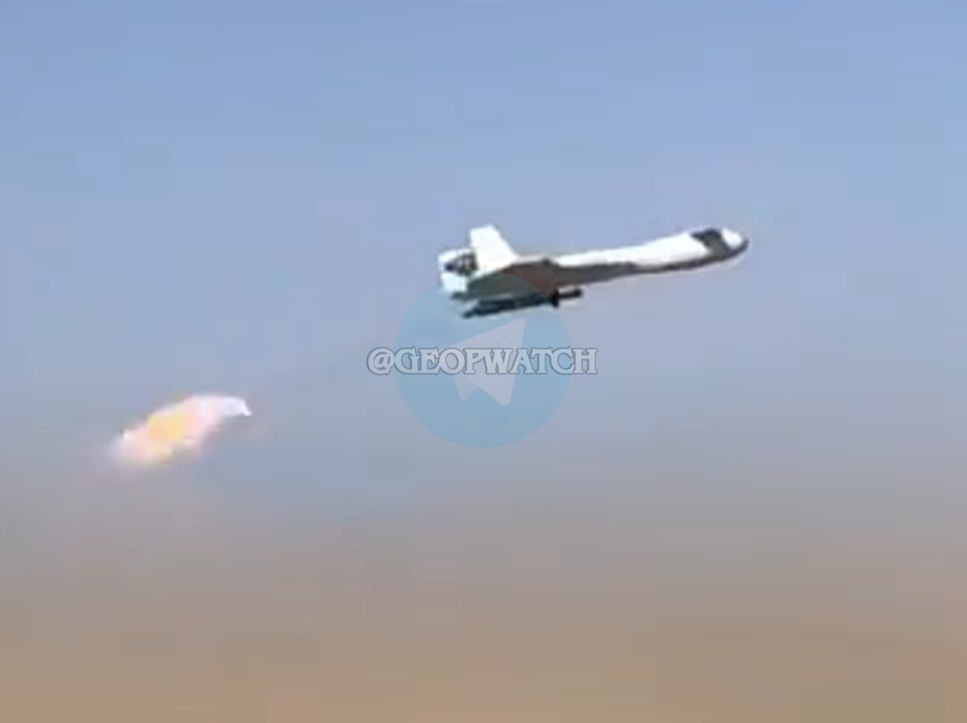
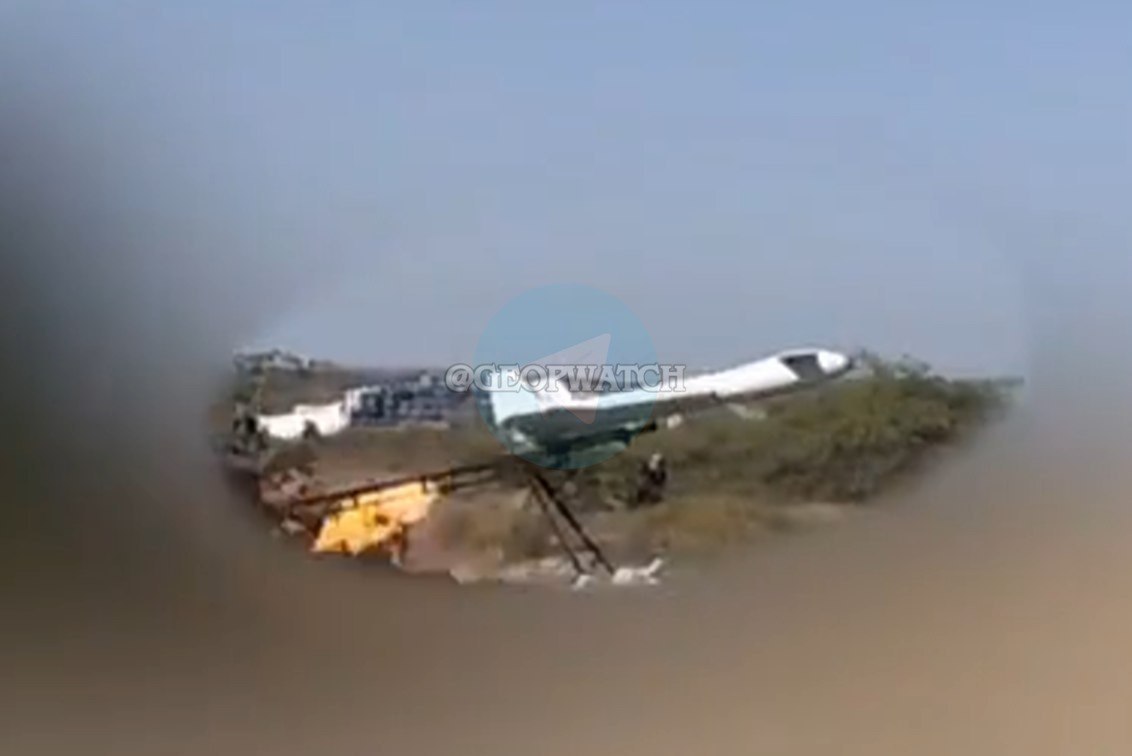
Hezbollah responded with a series of unmanned‑aerial‑vehicle (UAV) operations targeting Israeli ground forces. On 1 June, the group released video showing an Ababil FPV drone striking the turret ammunition bin of a Merkava IV tank in Yohmor (source: GeoPWatch, https://t.me/GeoPWatch/34990). A second video, posted on 1 June as well, depicted a similar strike on a Merkava tank near Yahmur al‑Shaqif (source: monitor_the_situation, https://t.me/monitor_the_situation/19636). Both attacks illustrate Hezbollah’s growing proficiency with low‑cost, high‑impact drone technology.
At 16:30 UTC, Hezbollah announced the use of a surface‑to‑air missile (SAM) to force an Israeli Hermes 450 reconnaissance drone to retreat over the Zahran River, demonstrating an expanded anti‑air capability (source: GeoPWatch, https://t.me/GeoPWatch/34992).
UN Peacekeeper and IDF Casualties
The kinetic environment also claimed the lives of foreign personnel. A Serbian United Nations peacekeeper was killed in southern Lebanon, prompting a formal condemnation from South Korea and raising concerns about the safety of the UNIFIL mission (source: monitor_the_situation, https://t.me/monitor_the_situation/19617). In a separate incident, an Israeli Defence Forces (IDF) soldier was killed by gunfire during a patrol in southern Lebanon, leading to a military police investigation (source: idkunim_il, https://t.me/idkunim_il/60008). Additionally, Israeli combat officers suffered serious injuries from a suspected aerial strike on 34 UTC, highlighting the reciprocal risk to both sides (source: idkunim_il, https://t.me/idkunim_il/60007).
Ground Operations and Infrastructure Targeting
Israeli ground forces continued systematic demolition of Hezbollah infrastructure along the frontline. According to monitor_the_situation, Israeli units destroyed multiple command posts, ammunition depots, and tunnel networks in the southern sector on 13:45 UTC (source: https://t.me/monitor_the_situation/19633). Concurrently, Israeli raids were conducted in the towns of Qana (Tyre district) and Al‑Mujadel (Saida district), with no immediate casualty figures released (sources: intelslava, https://t.me/intelslava/88448; intelslava, https://t.me/intelslava/88443).
Hezbollah’s UAV strikes on Israeli armor, combined with Israeli air and ground offensives, have created a feedback loop of kinetic escalation, with each side citing the other’s actions as justification for further attacks.
Analysis
The events of 5 June illustrate a marked shift from sporadic border skirmishes to sustained, multi‑domain kinetic operations. Israeli airpower remains the dominant tool for striking deep into Lebanese territory, while Hezbollah’s adoption of FPV drones and SAMs reflects a strategic adaptation to Israel’s technological advantage. The loss of a UN peacekeeper and an IDF soldier underscores the widening circle of combatants affected by the hostilities.
Casualty figures from the Lebanese Ministry of Health now stand at 3,558 deaths since early March, a cumulative toll that includes the eight civilians killed on 5 June (source: monitor_the_situation, https://t.me/monitor_the_situation/19656). The continued flow of casualties, combined with the targeting of critical infrastructure, suggests that the conflict’s kinetic phase will likely persist unless diplomatic de‑escalation measures are implemented.