The most consequential development on 4 June 2026 was a dual‑front escalation involving Iran. Iranian parliamentarians publicly urged Supreme Leader Ayatollah Ali Khamenei to order the development of intercontinental ballistic missiles (ICBMs), and, according to the Jerusalem Post, Iran subsequently launched two ballistic missiles toward the joint United States‑United Kingdom military installation on Diego Garcia. The launch represents a direct challenge to Western strategic assets in the Indian Ocean and follows a March report by the Wall Street Journal confirming Iran’s capability to strike the remote base, located roughly 4,000 km from Tehran.
"Iranian parliamentarians demand Khamenei order intercontinental ballistic missile development," JPost, 4 June 2026.
The parliamentary demand underscores a shift in Iran’s strategic posture, moving from regional proxy warfare to the pursuit of long‑range strike capabilities. The ballistic missiles, identified only as "ballistic missiles" in the source, were reportedly directed at Diego Garcia, a critical logistics hub for US and UK forces. No casualty figures were released, and the outcome of the missile impact remains unconfirmed.
Context and Implications of the Diego Garcia Strike
Diego Garcia hosts a permanent US‑UK naval and air presence, supporting operations across the Middle East, South Asia, and the broader Indo‑Pacific region. A successful strike would demonstrate Iran’s ability to project power far beyond its borders, potentially prompting a reassessment of force protection measures at the base. The source for the missile launch is the Jerusalem Post (https://www.jpost.com/middle-east/iran-news/article-898412).
Russian Corvette Ablaze in Kronstadt
At 17:21 UTC, a Russian corvette warship was set on fire in the Baltic port of Kronstadt following a drone strike that analysts attribute to Ukrainian forces. The incident was reported by the Telegram channel monitor_the_situation (https://t.me/monitor_the_situation/19463). Video footage shows the vessel engulfed in flames, though no casualty numbers were disclosed. The weapon employed was an unmanned aerial vehicle (UAV), highlighting the continued effectiveness of drone warfare in the Russia‑Ukraine conflict.
JNIM UAV Attack on Malian Forces and Russian‑Backed African Corps
In West Africa, the jihadist group Jamaâ Nouveau Islamique du Mali (JNIM) released video evidence of a coordinated UAV‑delivered assault on Malian Armed Forces personnel and aircraft, including a Mi‑24 attack helicopter and an L‑39 jet trainer. The operation also targeted assets of the Russian‑backed African Corps. The BellumActaNews channel posted the footage (https://t.me/BellumActaNews/173635). No casualty figures were provided, but the use of UAVs to deliver munitions against high‑value air assets underscores the expanding tactical repertoire of insurgent groups in the Sahel.
Hezbollah Drone Strike on Israeli Northern Command Commander
On 9:36 UTC, Hezbollah employed a drone to strike the vehicle of Israeli Northern Command commander Rafi Milo during his visit to Lebanon. The Jerusalem Post reported the incident (https://www.jpost.com/israel-news/defense-news/article-898372). While Milo was not reported injured, the attack illustrates Hezbollah’s capacity to conduct precision strikes against senior Israeli military personnel.
Fabricated Drone‑Strike Imagery in Kuwait
A military source cited by Tasnim News, as relayed by the GeoPWatch channel, refuted circulating images that purported to show an Iranian drone strike on Kuwait International Airport. The source clarified that genuine IRGC drone attacks on U.S. targets in Kuwait occurred at night and away from the airport, whereas the disputed photos were taken in daylight. The clarification aims to counter misinformation surrounding Iranian drone operations in the Gulf region (https://t.me/GeoPWatch/34896).
Hostile UAV Alert Over Hanita, Israel
RocketAlert.live issued a hostile UAV alert for the Hanita sector in northern Israel at 16:05 UTC. The alert, posted on the RocketAlert Telegram channel, included a photograph of the area but no further details on engagement or damage (https://rocketalert.live/).
Political Violence in Mogadishu, Somalia
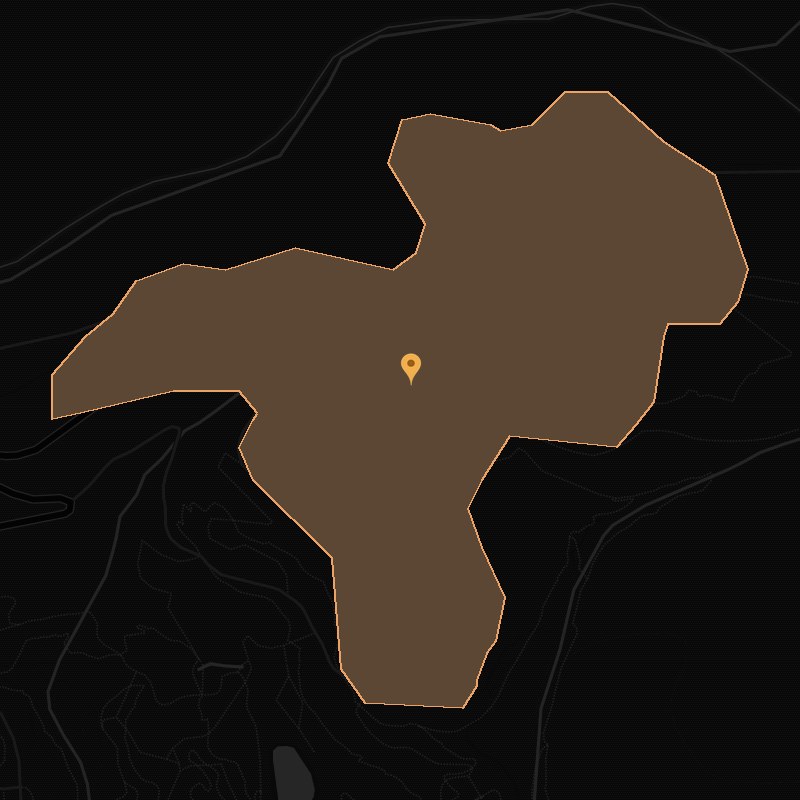
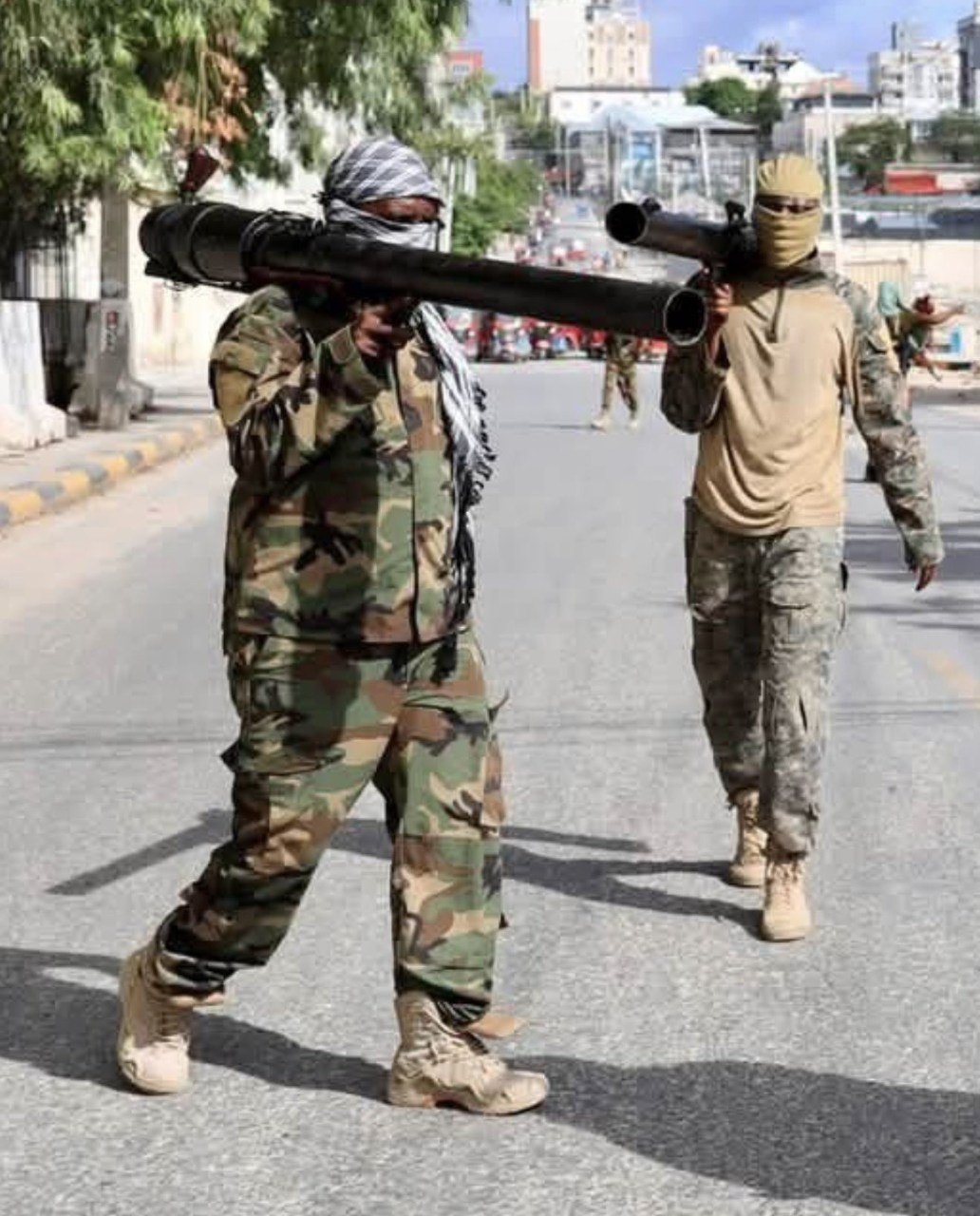
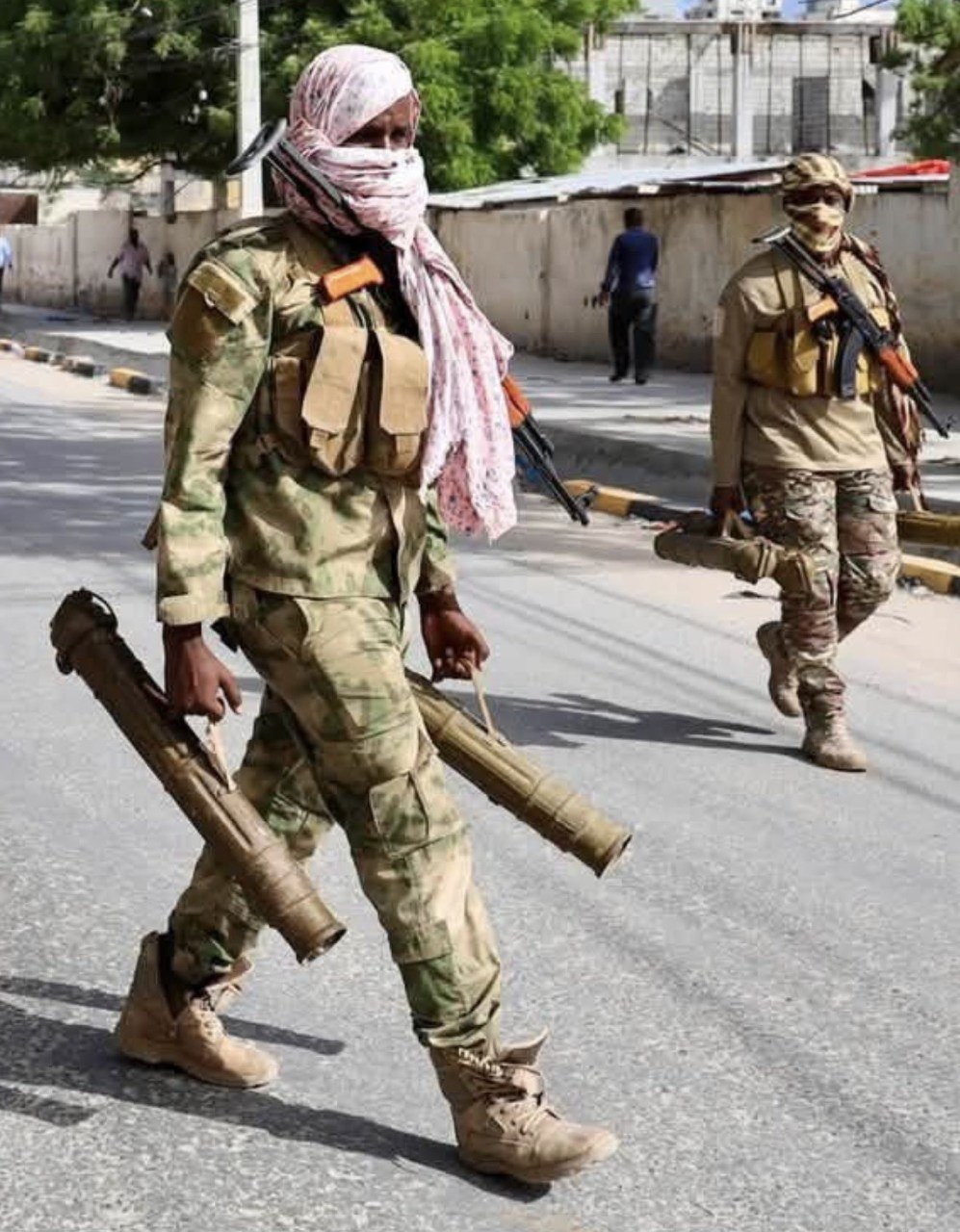
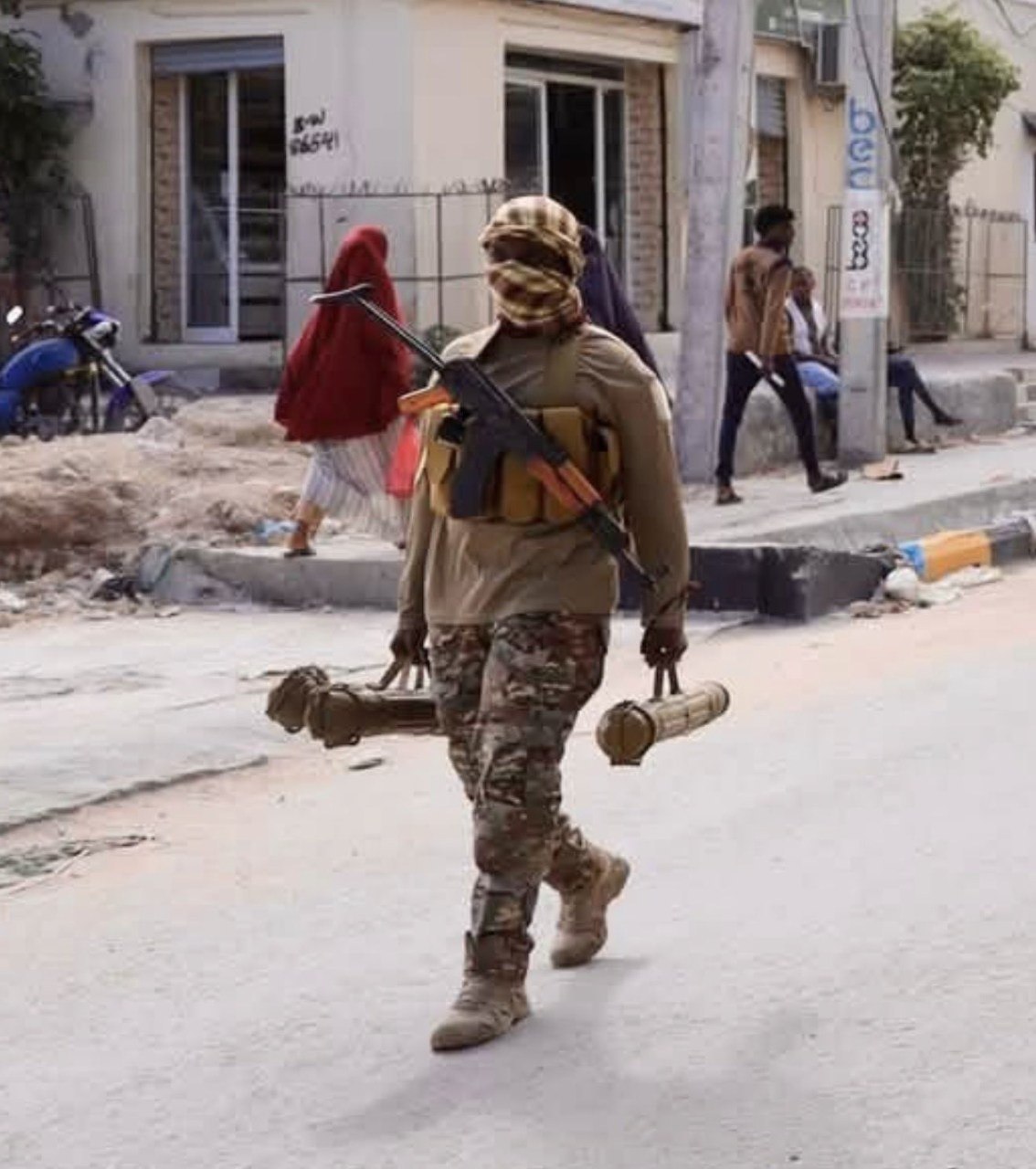
Two separate ground‑movement incidents were reported in Somalia’s capital. At 06:50 UTC, fighting erupted near the residence of former President Sharif Ahmed, with forces loyal to Ahmed confronting government authorities. The rnintel channel provided video evidence of the clashes (https://t.me/rnintel/61775). Earlier, at 06:31 UTC, personnel loyal to former Prime Minister Hassan Khaire were positioned approximately two kilometres from President Hassan Mohamud’s residence, indicating heightened intra‑elite tension (https://t.me/rnintel/61772).
Collectively, these events illustrate a pattern of kinetic engagements across multiple theaters, ranging from state‑level missile launches to insurgent UAV attacks and intra‑political violence. The convergence of advanced weaponry—ballistic missiles, drones, and UAV‑delivered munitions—highlights the evolving nature of modern conflict, where conventional and asymmetric actors alike leverage precision strike capabilities to achieve strategic objectives.