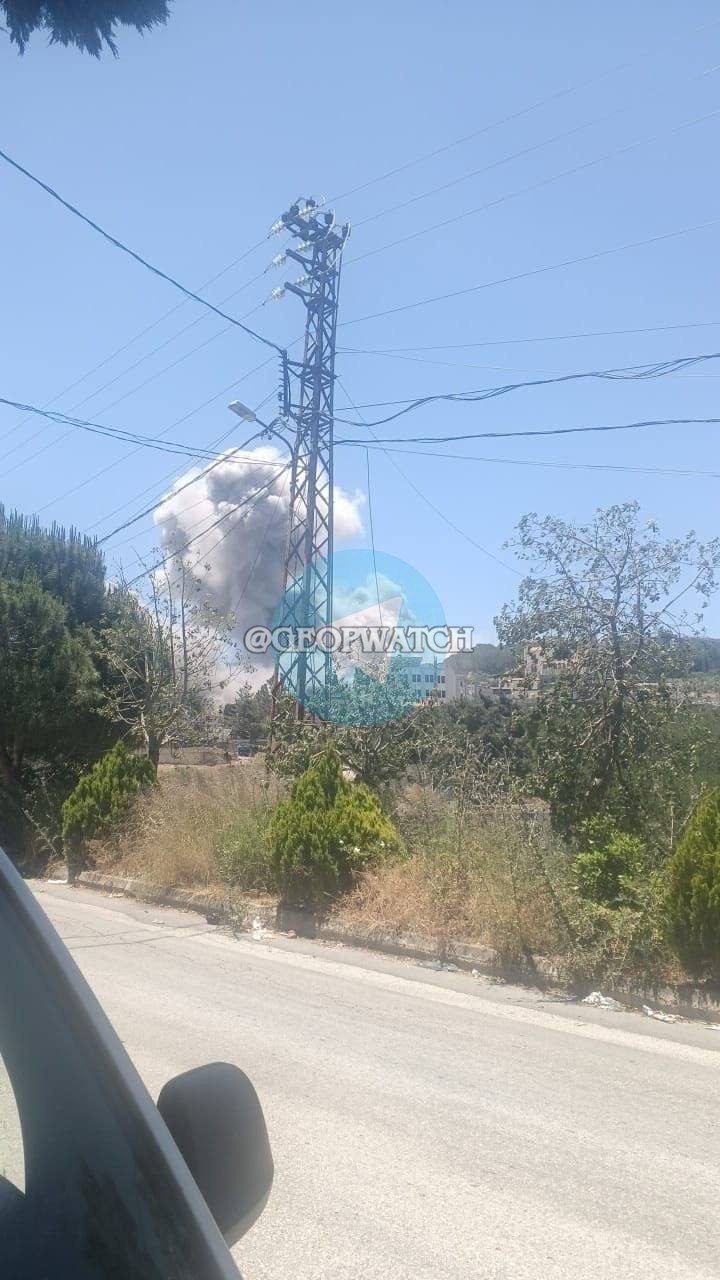
The Lebanese Ministry of Health reported that Israeli attacks since 2 March have killed 3,526 people and wounded 10,733, underscoring a sharp escalation in kinetic violence across Lebanon's south and interior regions.
🟠 **Israeli Attacks on Lebanon Kill 3,526 Since March 2** – Lebanon's health ministry, @AJENews, 2026‑06‑04T14:51:02, https://t.me/monitor_the_situation/19439
Airstrike Campaign Intensifies
Between 07:20 and 17:34 UTC, Israeli air power conducted at least ten separate strikes in Lebanese territory. Notable incidents include:
- Humin al‑Fawqa (Nabatieh District) – an airstrike at 17:08 UTC targeted the town, raising cross‑border tensions (monitor_the_situation, https://t.me/monitor_the_situation/19458).
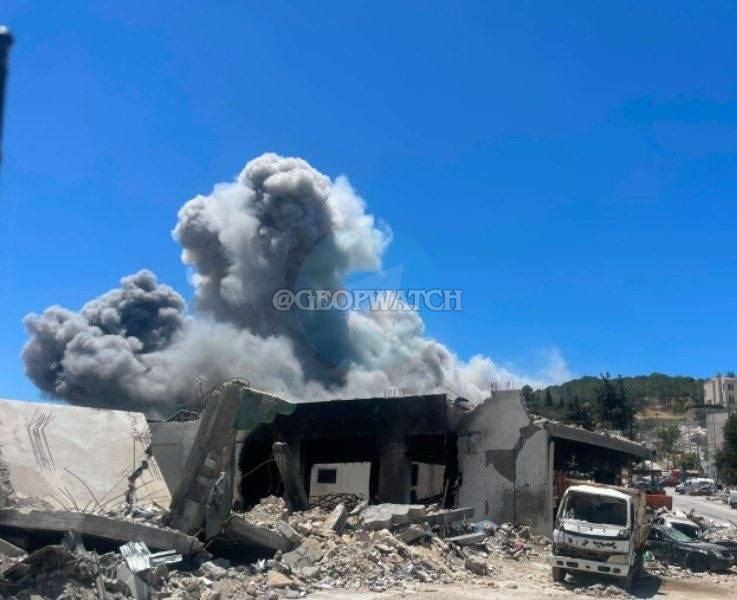
- Tyre – two separate strikes, at 12:19 UTC and 17:03 UTC, hit the coastal city, with video evidence confirming the impact (monitor_the_situation, https://t.me/monitor_the_situation/19407; https://t.me/monitor_the_situation/19457).
- Sohmor (Bekaa Valley) – an airstrike at 10:30 UTC killed three civilians, according to the Lebanese National News Agency (monitor_the_situation, https://t.me/monitor_the_situation/19396).
- Tebnine – four IAF strikes were delivered within ten minutes at 09:38 UTC, illustrating a rapid‑fire pattern (GeoPWatch, https://t.me/GeoPWatch/34893).
- Maarouw and Zawtar al‑Sharqiyah – simultaneous strikes at 08:59 UTC occurred despite a newly announced ceasefire (GeoPWatch, https://t.me/GeoPWatch/34890).
- Kharayeb – an IAF strike on a building at 08:10 UTC targeted a location linked to Hezbollah activity (monitor_the_situation, https://t.me/monitor_the_situation/19380).
These operations employed conventional aerial munitions; no novel weapon systems were reported, but the frequency and geographic spread suggest a coordinated escalation aimed at degrading Hezbollah’s infrastructure and deterring further rocket fire.
Mortar and Artillery Shelling
Hezbollah and Israeli forces exchanged indirect fire throughout the day. Key incidents:
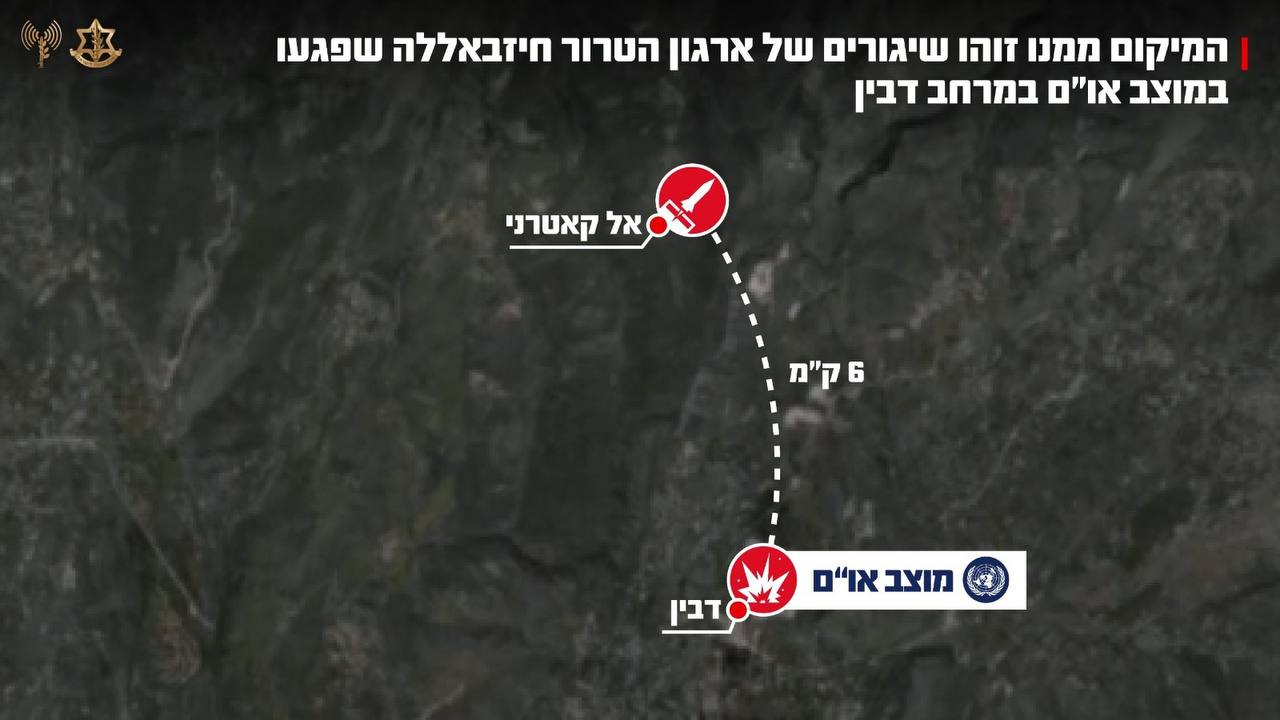
- UNIFIL position, Southern Lebanon – Hezbollah mortars struck a UN peacekeeping post at 11:17 UTC, killing one UN staff member (idkunim_il, https://t.me/idkunim_il/59955).
- Marjayoun – mortar fire killed a UNIFIL peacekeeper and injured two others at 08:07 UTC (rnintel, https://t.me/rnintel/61791).
- Al‑Abbasiyya – Israeli artillery killed three civilians at 14:41 UTC (monitor_the_situation, https://t.me/monitor_the_situation/19432).
- Blat and Dabin area – artillery fire reported at 15:37 UTC (monitor_the_situation, https://t.me/monitor_the_situation/19445).
The use of mortars and artillery reflects the entrenched nature of the conflict, with both sides employing conventional indirect‑fire weapons to pressure front‑line positions and civilian centers.
Targeted Assassinations and Drone Operations
Beyond conventional strikes, Israel employed precision tactics to eliminate specific individuals and assets:
- Deir El Zahrani – a car bomb at 08:09 UTC killed a Hezbollah militant commander, identified as an Israeli‑linked assassination (monitor_the_situation, https://t.me/monitor_the_situation/19379).
- Israeli drone strike – at 06:17 UTC, an Israeli UAV wounded several civilians in southern Lebanon, violating the newly‑agreed ceasefire (monitor_the_situation, https://t.me/monitor_the_situation/19365).
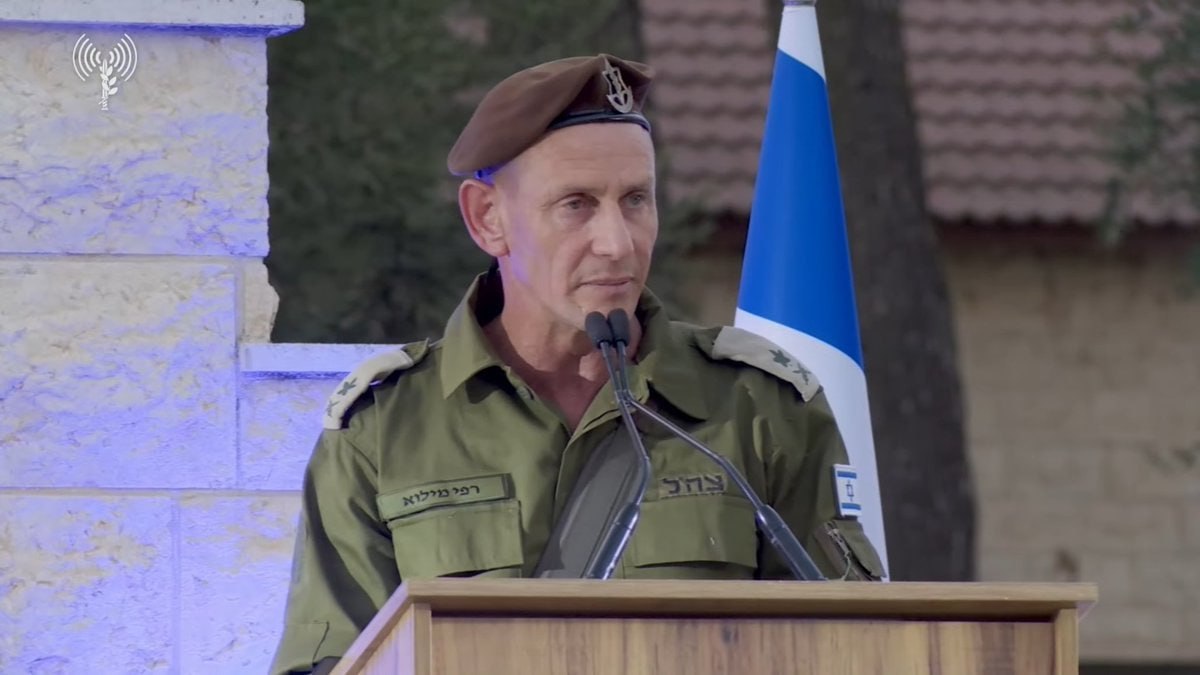
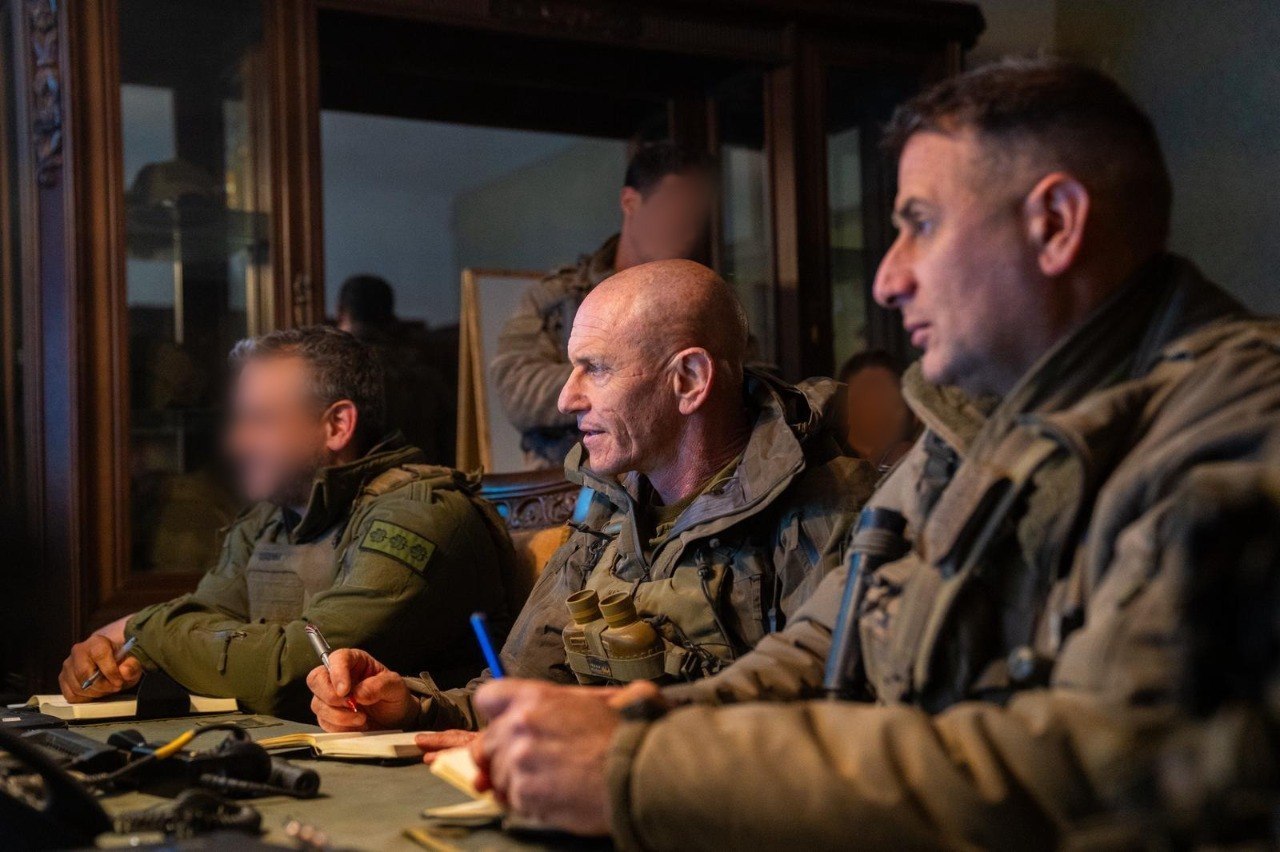
Hezbollah also deployed unmanned systems. At 13:52 UTC, a Hezbollah FPV drone struck IDF Northern Commander Rafi Milo’s vehicle near Zawtar and the Litani River, prompting the IDF to revise its visit protocols (GeoPWatch, https://t.me/GeoPWatch/34912). Earlier, Hezbollah released footage of an Ababil FPV drone attacking an IDF HMMWV near Zawtar on 26 May, indicating a sustained drone capability (GeoPWatch, https://t.me/GeoPWatch/34910).
Ceasefire Dynamics and Regional Implications
The kinetic surge occurred against a backdrop of fragile diplomatic activity. A conditional ceasefire was announced on 07:20 UTC, yet Israeli airstrikes in Beirut at 07:20 UTC (monitor_the_situation, https://t.me/monitor_the_situation/19372) and subsequent violations demonstrate the tenuous nature of the truce.
Ground movements reported at 10:05 UTC indicated an Israeli pull‑back from the Debin area as the Lebanese army advanced, suggesting a possible de‑escalation corridor (idkunim_il, https://t.me/idkunim_il/59948). However, continued artillery and mortar attacks, combined with targeted assassinations, indicate that both sides retain the capacity and willingness to resume high‑intensity operations.
International observers, including UNIFIL and the Lebanese Ministry of Health, have documented the humanitarian fallout, emphasizing the need for sustained monitoring and diplomatic engagement to prevent further civilian casualties.