On June 3, 2026, a Ukrainian‑operated unmanned aerial vehicle (UAV) struck a passenger bus in Simferopol, Crimea, killing seven civilians and injuring eleven. The attack, documented by the Telegram channel monitor_the_situation and corroborated by video evidence, marks the deadliest single‑day civilian casualty event in the region since the conflict intensified in 2022. The incident underscores a broader pattern of high‑intensity kinetic actions involving drones, missiles, and glide‑bombs across both Russian‑occupied and Ukrainian‑controlled territories.
Simferopol Bus Attack
At 07:53:50 UTC, a UAV identified as Ukrainian in origin impacted a civilian bus traveling through Simferopol, the capital of the Russian‑annexed Crimean Peninsula. The strike resulted in seven fatalities and eleven injuries. The source, monitor_the_situation, released a video showing the aftermath, including the damaged vehicle and emergency responders. No armed group claimed responsibility, and the attack was not linked to a specific military target, highlighting the vulnerability of civilian transport to aerial threats.
"Ukrainian Drone Strikes Bus in Simferopol, Crimea, Killing 7" – monitor_the_situation, 2026‑06‑03
Donetsk Bus Strike
Just minutes earlier, at 07:15:09 UTC, a similar UAV strike hit a bus in the Russian‑held city of Donetsk. Reported by Al Jazeera, the attack killed seven people, including civilians traveling between Moscow and Simferopol. Donetsk People’s Republic leader Denis Pushilin confirmed the incident, attributing it to a Ukrainian drone. The parallel timing of the two bus attacks suggests coordinated operational planning aimed at disrupting civilian mobility in occupied territories.
"Ukraine drone attack kills 7 in Russian‑held territory in new escalation" – Al Jazeera, 2026‑06‑03
Missile Strike on Russian Black Sea Fleet Headquarters
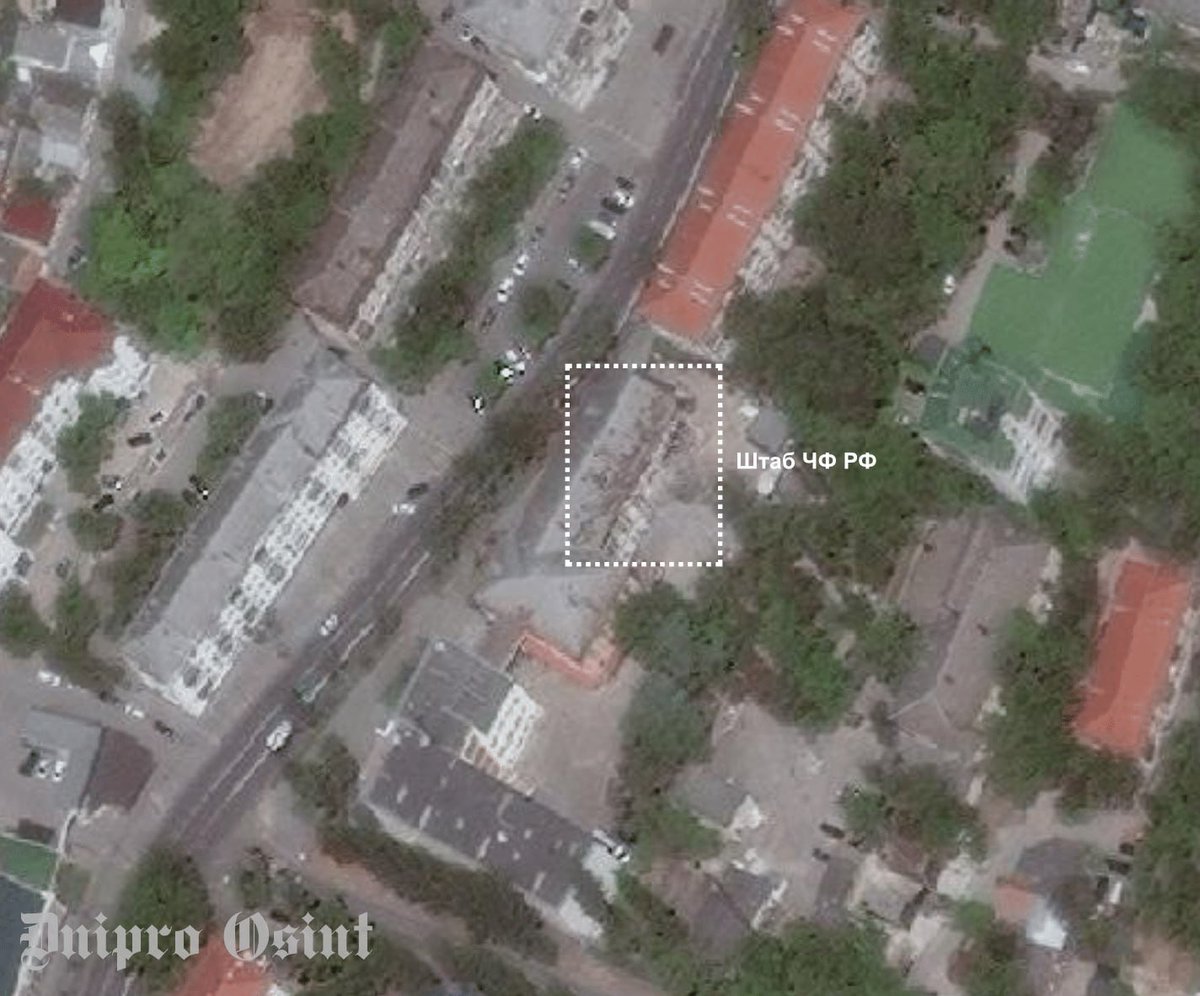
At 12:35:05 UTC, Ukrainian forces launched a missile that struck the headquarters of the Russian Black Sea Fleet in Sevastopol, Crimea. Satellite imagery released by monitor_the_situation shows a fire breaking out inside the building’s façade. The missile, likely supplied by Western allies, caused structural damage but no immediate casualty figures were released. The strike represents a direct challenge to Russia’s naval command infrastructure in the Black Sea region.
Ballistic Missile Attack on Dnipropetrovsk Warehouses
Later in the day, at 14:51:37 UTC, a ballistic missile struck a cluster of warehouses in Dnipropetrovsk, igniting large fires. The source intelslava posted video footage of the explosion and subsequent blaze. While the missile’s origin was not explicitly stated, the use of a ballistic system aligns with Russian long‑range strike capabilities. No casualty data were provided, but the destruction of logistical storage facilities may impact supply chains for both civilian and military needs.
Geran‑2 Drones and KAB Glide‑Bombs Over Zaporizhzhia
At 07:54:12 UTC, Russian forces deployed Geran‑2 UAVs and at least fourteen KAB glide‑bombs, including a probable KAB‑1500, against Zaporizhzhia city. Video from monitor_the_situation shows multiple explosions and extensive damage to residential blocks. The coordinated use of drones and glide‑bombs illustrates a hybrid attack model that maximizes payload delivery while evading traditional air defenses.
KAB Glide‑Bombs in Naddnipryanske, Kherson Oblast
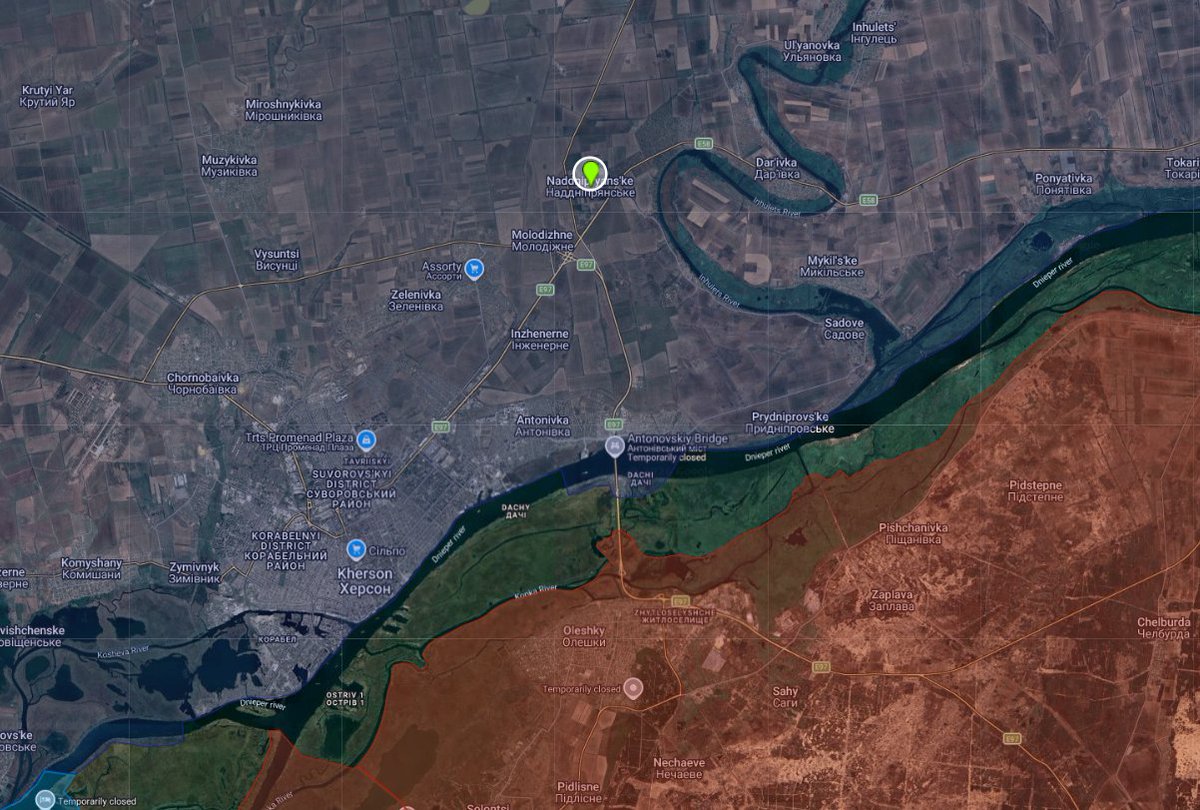
At 07:19:55 UTC, Russian KAB glide‑bombs impacted the Naddnipryanske area of Kherson Oblast. Residents reported hearing the explosions from Kherson city, and a photo released by monitor_the_situation captures the resulting craters. The attack targeted infrastructure near the Dnipro River, a strategic corridor for Ukrainian logistics.
FPV Drone Over Kherson Streets
At 14:54:55 UTC, a Russian first‑person‑view (FPV) drone was observed flying low through a Kherson street, as captured by a civilian video posted on monitor_the_situation. While no casualties were reported, the incident underscores the persistent threat of low‑altitude UAVs to civilian populations and emergency services in contested urban areas.
Residential Drone Strike in Sumy Oblast
At 13:43:33 UTC, a Russian drone struck a residential building in the Mykolaivska community of Sumy Oblast, killing one civilian. The event was reported by the same Telegram channel and aligns with a broader pattern of attacks that, according to local officials, have resulted in five deaths and sixty injuries across Ukraine on the same day.
Ukrainian Drone Strikes on Russian Logistics Near Mariupol
At 07:50:42 UTC, Ukrainian mid‑range drones targeted Russian logistics convoys on highways near Mariupol, approximately 150 km from the front line. Video evidence shows several burnt‑out trucks, indicating successful interdiction of supply lines. The operation demonstrates Ukraine’s continued emphasis on disrupting Russian rear‑area movements.
Geran‑2 Drone Attack on Nikopol Solar Power Station
At 07:15:03 UTC, Russian Geran‑2 drones struck a solar power station in Nikopol, Dnipropetrovsk Oblast, igniting a large fire. The attack on critical energy infrastructure was documented by monitor_the_situation. While no immediate injuries were reported, the loss of renewable energy capacity may have longer‑term implications for regional power stability.
Collectively, these events illustrate a marked escalation in kinetic operations across Ukraine on June 3, 2026. The simultaneous use of UAVs, glide‑bombs, ballistic missiles, and conventional missiles reflects a diversification of tactics by both Ukrainian and Russian forces, with civilian populations increasingly exposed to direct harm.