At 04:24:39 UTC on 2 June 2026, two hypersonic Zircon missiles struck the Ukrainian capital, Kyiv, marking the most significant kinetic event of the day. The impact was confirmed by GeoPWatch, which reported the missiles’ trajectories and the resulting damage in a Telegram post (source). The strikes contributed to a broader wave of Russian missile activity that targeted both civilian and strategic infrastructure across Ukraine.
Major Zircon Strike on Kyiv
The Zircon missiles, known for their high speed and maneuverability, hit central Kyiv, igniting fires and prompting mass sheltering of residents in metro stations and other hardened locations. While exact casualty figures for this specific impact have not been released, the broader attack that morning resulted in at least four civilian deaths, as reported by the Jerusalem Post (source).
"Two Zircon impacts in Kyiv" – GeoPWatch, 02‑Jun‑2026 04:24 UTC
Industrial Targets Across the Capital
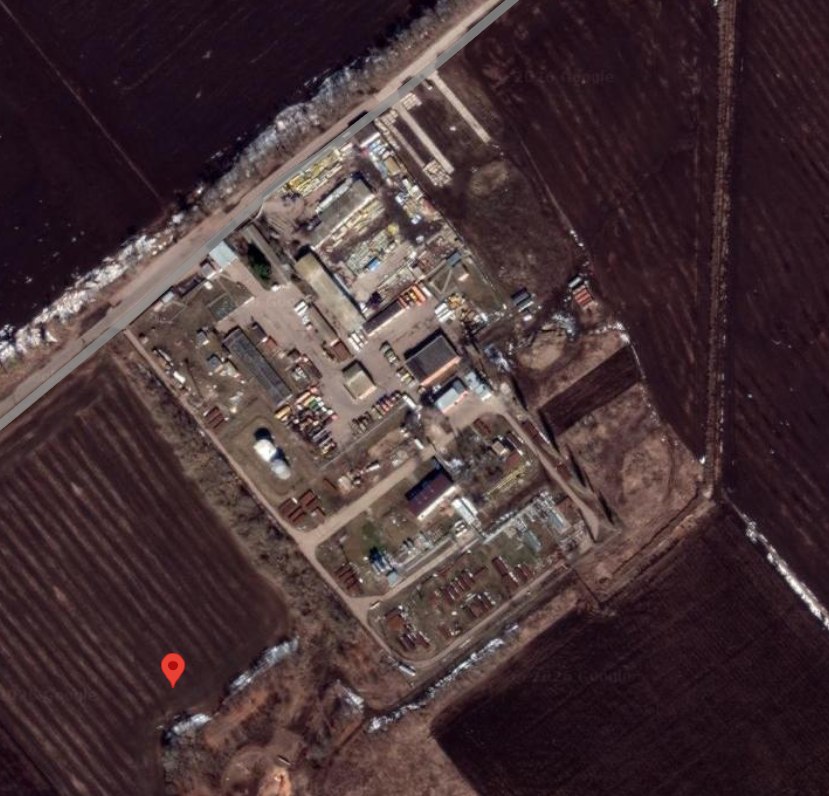
Within the same hour, a series of coordinated missile launches hit multiple industrial facilities in Kyiv. At 03:59:44 UTC, Russian ballistic and cruise missiles struck a Ukroboronprom defense plant, igniting a large fire (source). Minutes later, at 03:55:17 UTC, an Iskander‑M ballistic missile hit a gas‑processing facility near Krasna Luka in Poltava Oblast, producing a fire visible on NASA FIRMS satellite data (source).
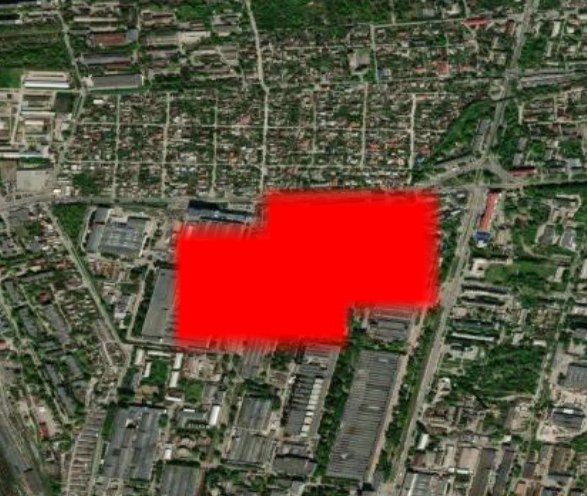
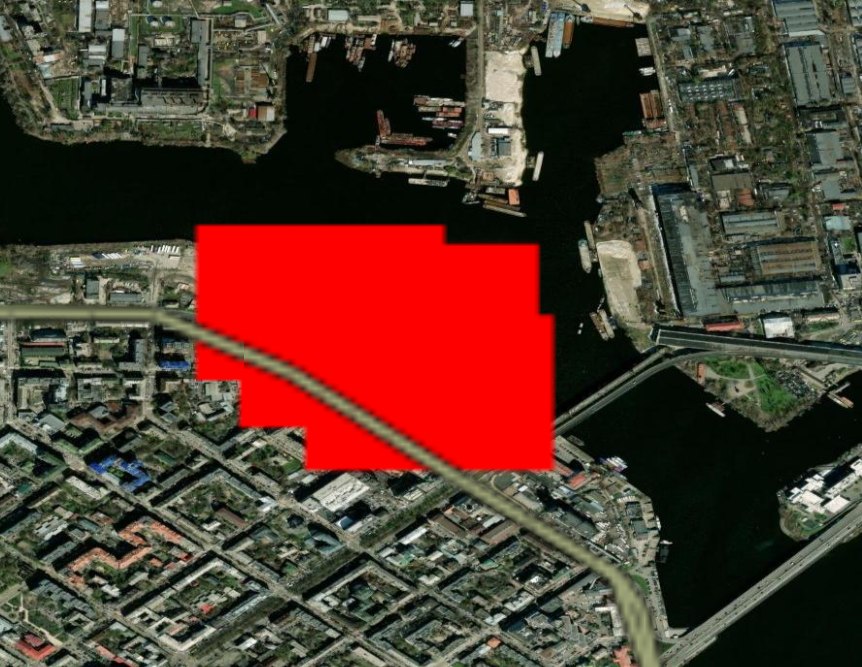
At 03:42:37 UTC, the Motor Sich plant in Zaporizhzhia was hit by both cruise and ballistic missiles, resulting in multiple large fires (source). The Darnytskyi Concrete Factory in Kyiv suffered a similar cruise‑missile strike at 03:35:25 UTC, while the Kyiv River Freight Port was hit at 03:30:05 UTC, each event generating extensive firestorms confirmed by satellite imagery (source).
"Russian cruise missiles strike Kyiv Concrete Factory, sparking large fires" – Monitor The Situation, 02‑Jun‑2026 03:35 UTC
Logistics and Transportation Nodes
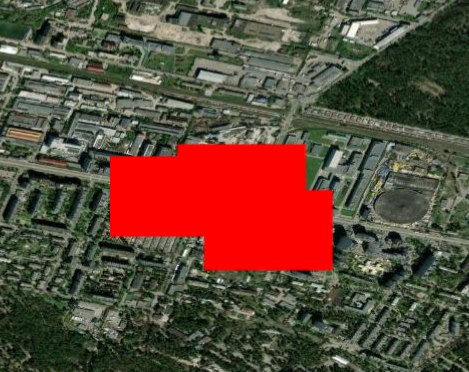
The Vyshneve Logistics Centre, located on the outskirts of Kyiv, was struck by Iskander‑M missiles at 03:20:44 UTC, creating a large blaze that threatened regional supply chains (source). These attacks on logistics hubs appear designed to disrupt the movement of military materiel and civilian goods alike.
Extended Missile Activity Beyond the Capital
In Dnipropetrovsk, a Russian Navy‑launched Kalibr cruise missile was recorded at 01:41:17 UTC, underscoring the involvement of naval assets in the land‑based strike campaign (source). Earlier, at 01:08:00 UTC, multiple cruise missiles impacted Kyiv, producing widespread fire and smoke across the city (source).
Additional strikes included a missile fragment hitting an apartment building in Kyiv’s Solomensky district at 00:23:14 UTC, and a direct hit on a polyclinic in the Teretki neighborhood at 00:31:41 UTC, both contributing to civilian casualties and medical disruption (source, source).
Air‑Defence Interception
Ukraine’s air‑defence network responded with limited success. At 00:18:30 UTC, a Patriot battery intercepted an incoming Iskander ballistic missile seconds before it could strike Kyiv, as captured in video shared by BellumActaNews (source). The interception demonstrates the continued relevance of Western‑supplied air‑defence systems, though the high volume of incoming missiles strained available assets.
Casualties and Civilian Impact
Beyond the four confirmed deaths reported by the Jerusalem Post, local authorities have documented numerous injuries from the early‑morning air‑raid warnings and subsequent evacuations. The attacks on medical facilities, residential buildings, and logistics centres have compounded humanitarian pressures, with thousands seeking shelter in underground stations and public shelters.
Strategic Analysis
The concentration of high‑precision weapons—Zircon hypersonic missiles, Iskander‑M ballistic missiles, and Kalibr cruise missiles—suggests a deliberate escalation aimed at degrading Ukraine’s industrial capacity while testing the limits of Kyiv’s air‑defence shield. The selection of targets—defense factories, gas processing plants, and transport hubs—aligns with Russia’s stated objective of crippling Ukraine’s war‑fighting sustainment.
Satellite corroboration from NASA FIRMS for multiple fire events provides independent verification of the strikes’ intensity and geographic spread. The simultaneous nature of the attacks indicates a coordinated launch window, likely orchestrated to overwhelm detection and interception systems.
While Ukraine’s Patriot and other air‑defence batteries intercepted some missiles, the sheer number of inbound projectiles exceeded current interception rates, highlighting a gap that may prompt further requests for additional Western air‑defence assets.
Regional Context
Although the briefing focuses on Ukraine, the same day saw Israeli air strikes in southern Lebanon injuring two civilians (source), and Israeli drones hovering over Beirut’s Dahieh district (source). These parallel kinetic events underscore a broader pattern of heightened missile and UAV activity across the Middle East, though they are not directly linked to the Ukrainian theatre.
Overall, the June 2 2026 missile barrage represents one of the most intensive kinetic days in the conflict’s recent history, with significant implications for Ukraine’s industrial resilience, civilian safety, and the operational tempo of its air‑defence forces.