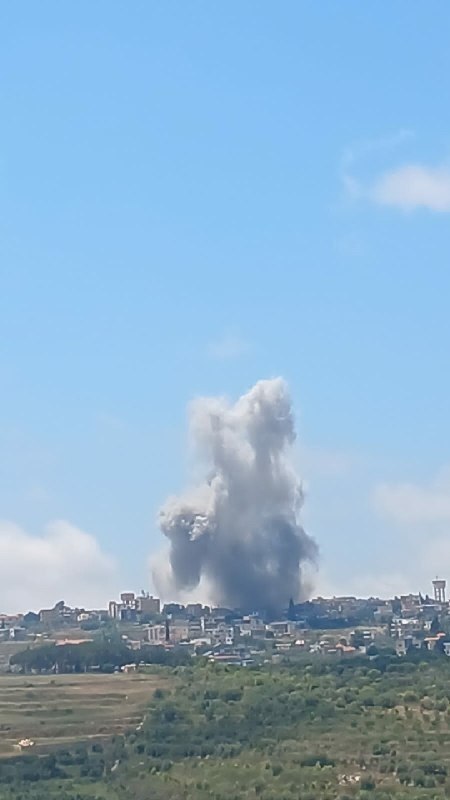
The Lebanese Ministry of Public Health confirmed on 2 June that Israeli military operations since 2 March 2026 have caused 3,468 civilian deaths and 10,577 injuries, marking the deadliest month of the renewed conflict.
"Lebanon Reports 3,468 Killed, 10,577 Wounded by Israel Since March 2," monitor_the_situation, 14:35 UTC.
Air and Drone Strikes Target Civilian Areas
Between 06:26 and 16:43 UTC, Israeli forces conducted a series of air and unmanned‑aerial vehicle (UAV) attacks across multiple Lebanese locales. In southern Lebanon, the Israeli Air Force struck the towns of Bourj al Chemal (14:04 UTC, GeoPWatch) and Al‑Mansouri (11:24 UTC, GeoPWatch), employing conventional air‑strike tactics without reported casualties but intensifying pressure on Hezbollah‑controlled zones.
At 08:00 UTC, a combined operation in Tyre resulted in four civilian deaths and a hospital attack that left at least four dead and 50 wounded, according to Lebanese state media (monitor_the_situation). The Israeli Defense Forces later clarified that the hospital was not a deliberate target, describing the damage as incidental (
"IDF strike damages hospital in Tyre, military says facility was not originally targeted," JPost, 15:56 UTC.).
In the same timeframe, an Israeli drone strike in Beirut killed a university student moments after she completed an exam (09:03 UTC, monitor_the_situation). Earlier, at 06:26 UTC, a separate UAV attack in southern Lebanon killed a dentist and two children, underscoring the civilian toll of precision‑guided munitions.
Hezbollah Counter‑UAV Operations
Hezbollah released footage of an Ababil fiber‑optic FPV drone striking an Iron Dome launcher in Khiam on 28 May, with the video posted on 16:59 UTC (intelslava). The group also claimed FPV drone attacks on two Israeli Namer armored personnel carriers in Debl (14:35 UTC, monitor_the_situation) and reported engagements against Israeli armored vehicles near Zawtar al‑Sharqiyah (14:54 UTC, monitor_the_situation). These actions indicate a growing Lebanese capability to target Israeli ground assets with low‑cost drones.
Ground Operations North of the Litani River
At 17:21 UTC, the Israel Defense Forces announced a ground incursion north of the Litani River, reporting the destruction of 100 targets and the killing of 20 alleged terrorists. The Givati Brigade established positions in Zawtar al‑Sharqiya and Zawtar al‑Gharbiyah (JPost). While casualty figures for Lebanese combatants were not disclosed, the operation represents the most extensive Israeli ground maneuver since the conflict’s resurgence.
Broader Context and International Reactions
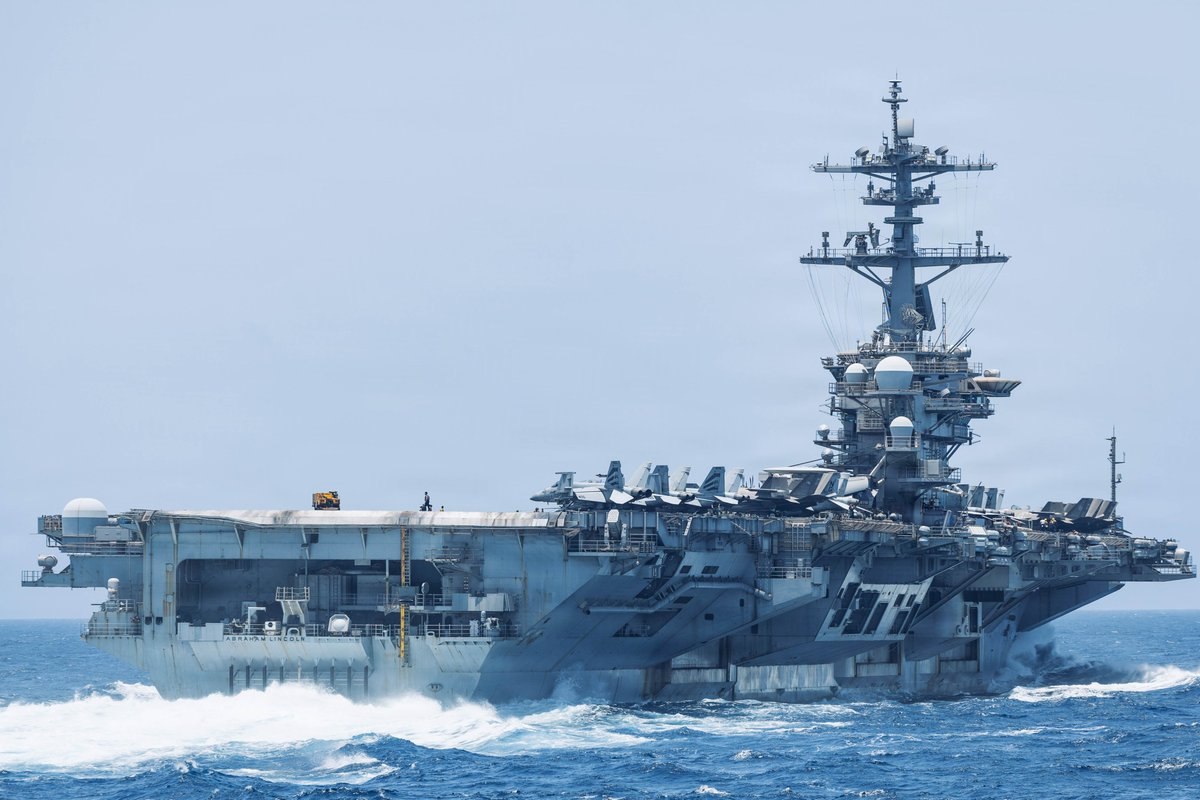
Concurrent with the Lebanese kinetic events, regional actors reported related developments: the United States conducted a naval blockade in the Arabian Sea (monitor_the_situation, 16:47 UTC) and a USAF F‑15E pilot was shot down over Bandar Abbas (14:00 UTC, monitor_the_situation). Although outside Lebanon, these actions reflect heightened military posturing that influences the Lebanese theater.
Al Jazeera reported that five Lebanese civilians were killed in separate Israeli attacks earlier in the day (11:25 UTC), raising concerns about the durability of a reported cease‑fire agreement. The same outlet documented continued Israeli air strikes on southern Lebanon despite a U.S. presidential statement promising a halt (13:53 UTC).
Overall, the pattern of kinetic activity—airstrikes, UAV assaults, and limited ground incursions—demonstrates an escalation in both scale and geographic spread, with civilian populations bearing the brunt of the violence.