The Lebanese Ministry of Health announced on 1 June 2026 that the cumulative death toll from the Israel‑Hezbollah confrontation has risen to 3,433 since the fighting resumed on 2 March, with thousands more wounded. The figure, released via the monitor_the_situation channel (https://t.me/monitor_the_situation/18868), underscores the rapid escalation of hostilities along Lebanon’s southern border and in the contested Beirut suburbs.
Escalation of Israel‑Hezbollah Hostilities
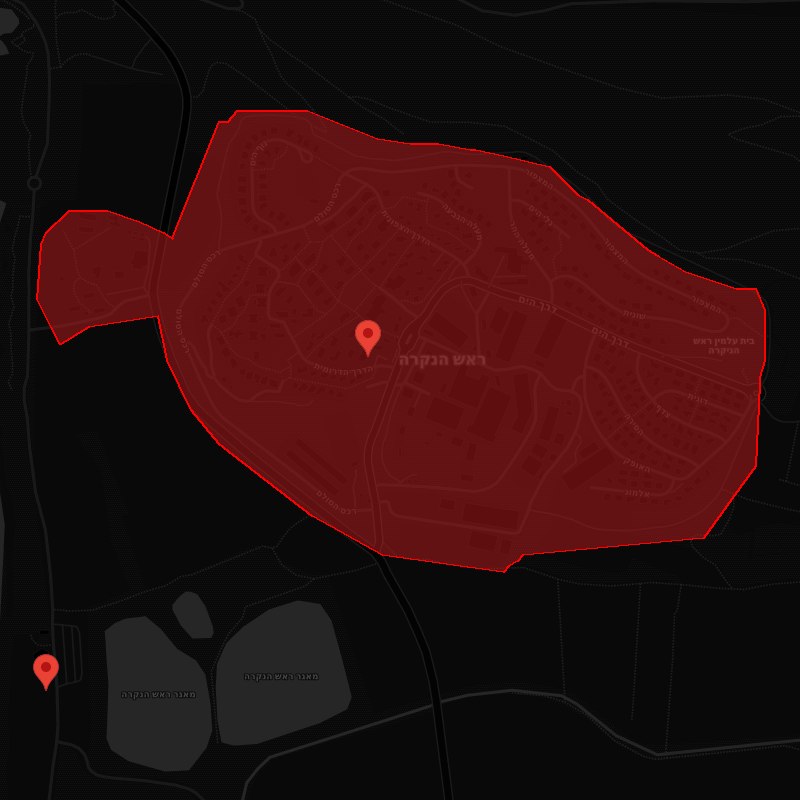
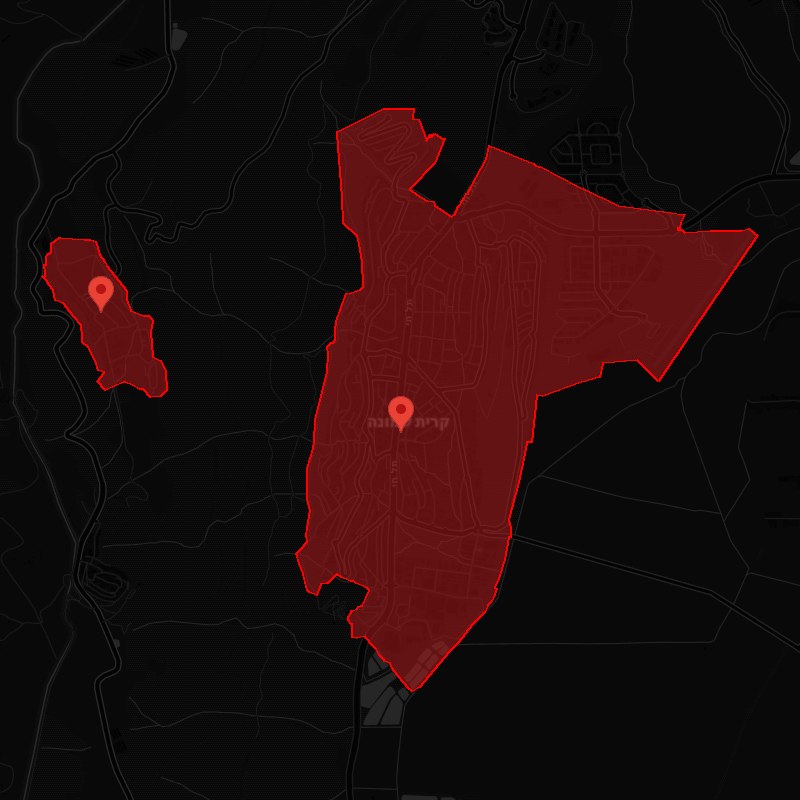
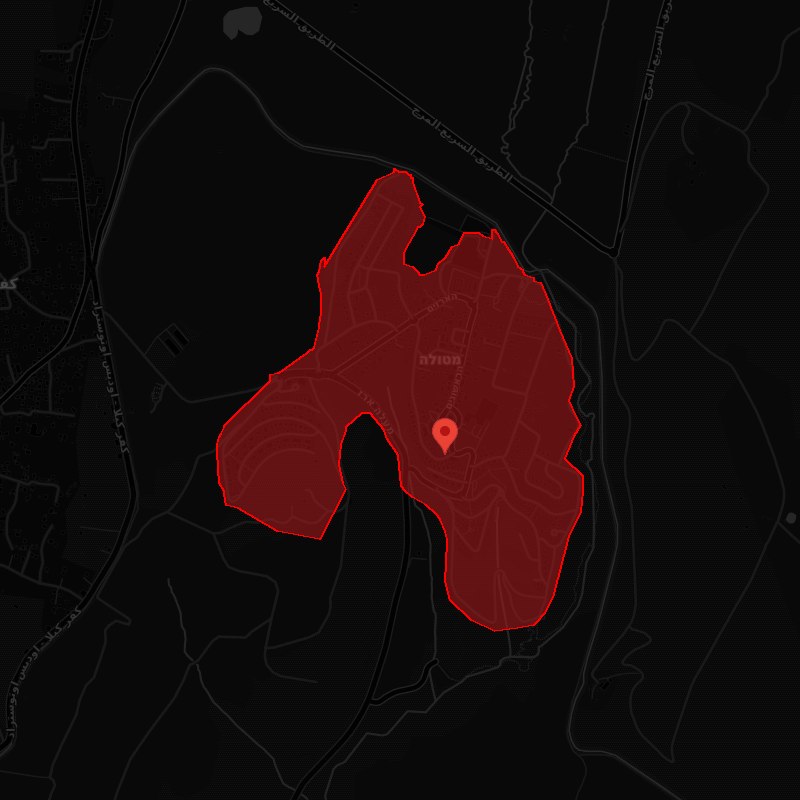
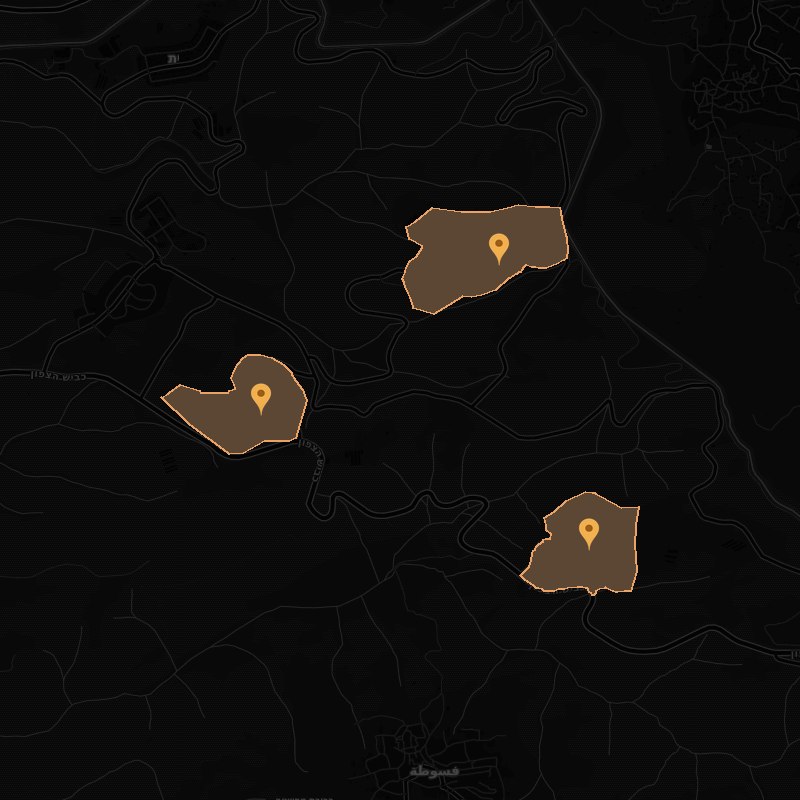
Since early March, Israeli airstrikes have repeatedly targeted Hezbollah positions in southern Lebanon and the outskirts of Beirut. The Ministry of Health’s data reflects a steady increase in civilian casualties, a trend corroborated by video evidence posted on the same channel. While the report does not attribute specific attacks to individual incidents, the overall pattern suggests a sustained campaign of aerial bombardment combined with artillery exchanges. Hezbollah has responded with rocket fire toward northern Israel, prompting multiple alerts on RocketAlert.live, including alerts for Betzet Beach/Rosh HaNikra (https://t.me/RocketAlert/30478) and Kiryat Shmona/Margaliot (https://t.me/RocketAlert/30475).
Iran‑U.S. Maritime and Aerial Tensions
On 1 June, Iran announced the suspension of all negotiations with the United States and warned of closing the Strait of Hormuz and the Bab el‑Mandeb unless Israeli airstrikes on Beirut cease (monitor_the_situation, https://t.me/monitor_the_situation/18860). In parallel, U.S. Central Command reported the interception of two Iranian ballistic missiles aimed at Kuwait’s Ali Al‑Salam Air Base, with no American casualties (CIG_telegram, https://t.me/CIG_telegram/76493). Iran’s Islamic Revolutionary Guard Corps (IRGC) later claimed a retaliatory strike on the same base, citing a recent U.S. airstrike on a telecommunications tower on Sirik Island (CIG_telegram, https://t.me/CIG_telegram/76491).
"Iran has suspended all negotiations with the United States and threatens to close both the Strait of Hormuz and the Bab el‑Mandeb until the Israeli decision is reversed," the monitor_the_situation channel reported.
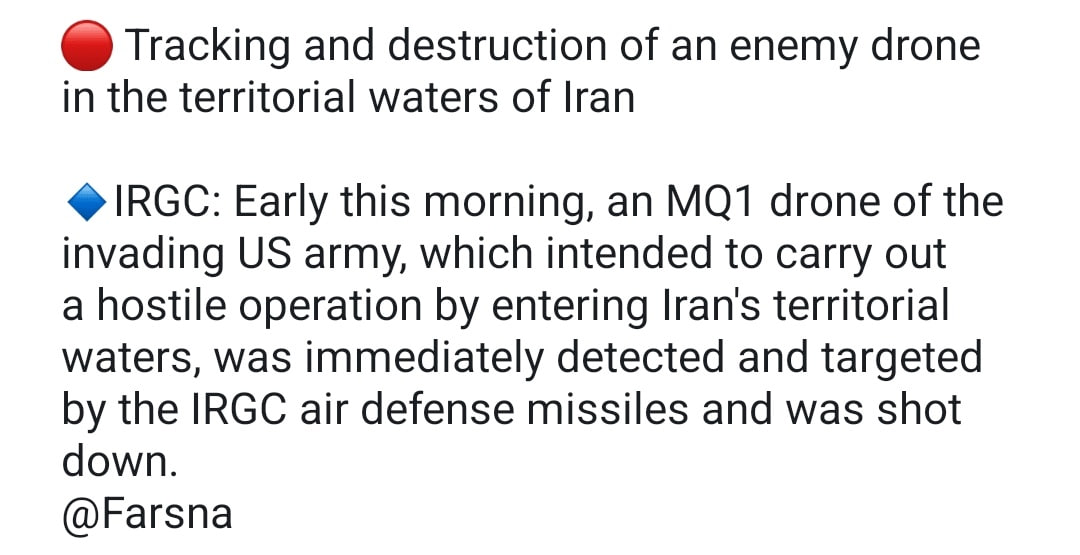
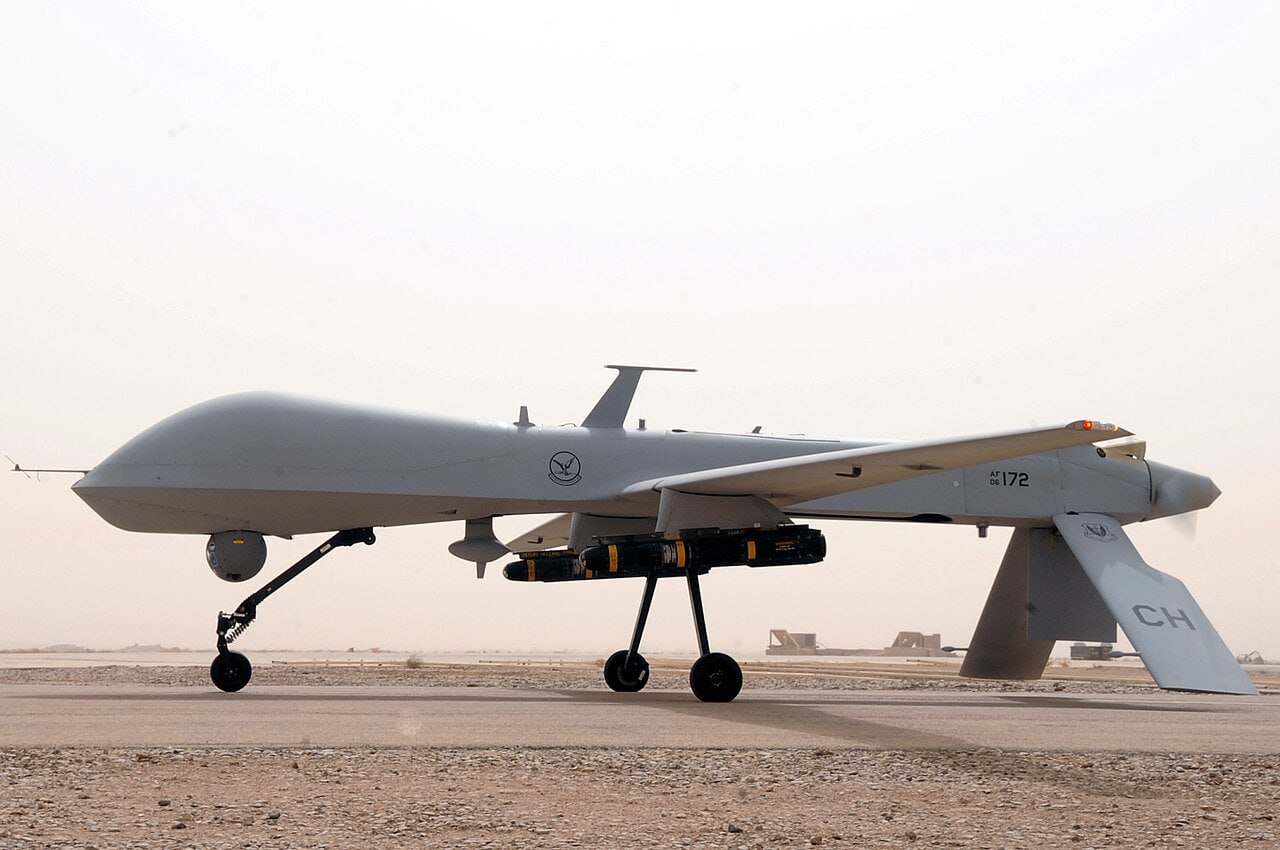
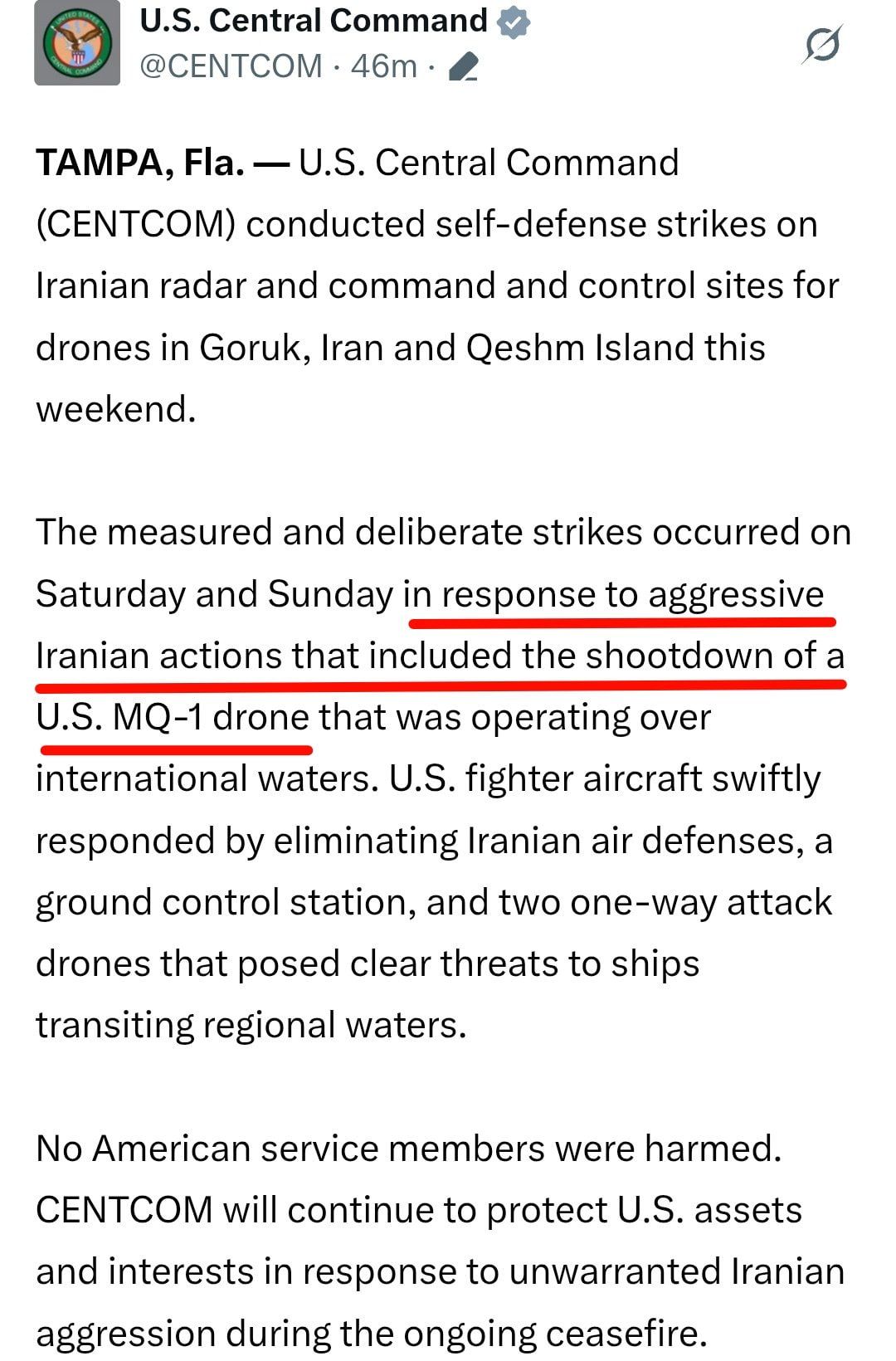
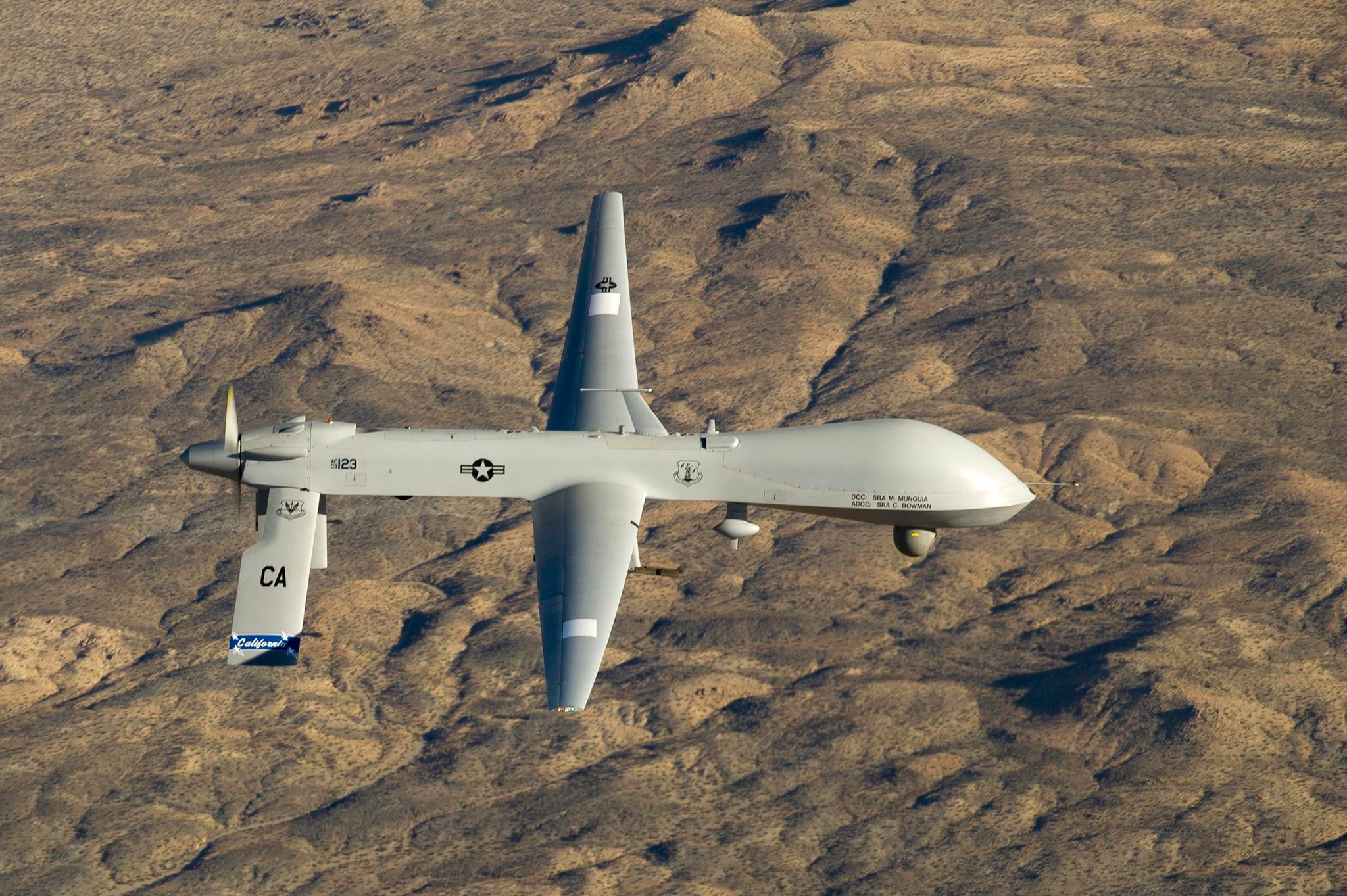
U.S. forces also conducted airstrikes on Iranian radar and UAV control sites on Kish Island and Ghorukh, citing "aggressive Iranian actions" including the downing of a U.S. MQ‑1 Predator drone (intelslava, https://t.me/intelslava/88312). Iran’s IRGC subsequently released footage of shooting down a U.S. MQ‑1C Grey Eagle drone near the Strait of Hormuz using the Arash‑e Kamangir air‑defence system (GeoPWatch, https://t.me/GeoPWatch/34541).
Kuwait’s Air Defence Activity
Kuwait’s Ali Al‑Salam Air Base became a focal point for missile activity. After the IRGC’s claimed retaliation, Kuwait’s defence systems intercepted multiple missiles and drones across the country, as reported by Al Jazeera (https://www.aljazeera.com/news/2026/6/1/irans-irgc-launches-retaliatory-strike-after-us-attacks). Earlier, U.S. forces intercepted two Iranian ballistic missiles targeting American troops in Kuwait City, also reporting no casualties (monitor_the_situation, https://t.me/monitor_the_situation/18838).
Naval Incidents in Iraqi Waters and the Persian Gulf
A Panama‑flagged tanker exploded in Iraqi territorial waters, an event covered by both GeoPWatch and Al Arabiya (https://t.me/CIG_telegram/76503; https://t.me/GeoPWatch/34545). The blast raised concerns about the safety of commercial shipping in the region, especially as the United States continues its blockade of Iranian ports. CENTCOM disclosed that 121 commercial vessels have been redirected and five disabled near the Strait of Hormuz as part of the blockade (monitor_the_situation, https://t.me/monitor_the_situation/18875; GeoPWatch, https://t.me/GeoPWatch/34564).
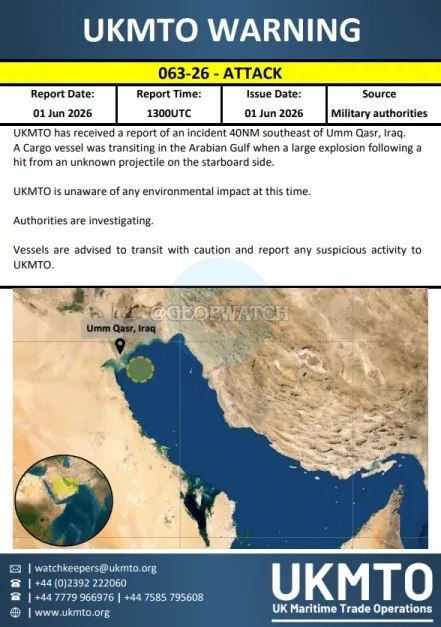
In the northern Persian Gulf, a cargo vessel suffered a large explosion on its starboard side, reported by the United Kingdom Maritime Trade Operations (UKMTO) (monitor_the_situation, https://t.me/monitor_the_situation/18863). The incident, occurring amid heightened U.S.–Iran hostilities, further illustrates the vulnerability of maritime traffic in contested waters.
Continued Drone and Missile Activity in Ukraine
Ukraine faced a series of hostile UAV attacks. Russian forces deployed at least 20 Geran‑2 drones over Odesa, igniting fires and causing civilian casualties (monitor_the_situation, https://t.me/monitor_the_situation/18796). Similar drone swarms struck Kharkiv and Chernihiv Oblast, targeting residential districts and infrastructure (monitor_the_situation, https://t.me/monitor_the_situation/18814; https://t.me/monitor_the_situation/18795; https://t.me/monitor_the_situation/18793). Ukrainian air defenses responded, shooting down 228 of 265 Shahed‑type drones in a single night, though three civilians were killed in Odesa.
On the aerial front, Russian forces launched an R‑37/77 air‑to‑air missile at a Ukrainian fighter jet near Kharkiv (monitor_the_situation, https://t.me/monitor_the_situation/18839). Conversely, Ukrainian pilots intercepted a Russian Kh‑101 cruise missile with an AIM‑9 Sidewinder launched from an F‑16 (monitor_the_situation, https://t.me/monitor_the_situation/18821). These engagements highlight the increasingly sophisticated missile exchanges over Ukrainian airspace.
Other Notable Events
A British Army serviceperson died in a training accident in northern Iraq, as announced by the UK Ministry of Defence (GeoPWatch, https://t.me/GeoPWatch/34552). In the Gaza Strip, an Israeli strike killed at least one civilian in the Bureij refugee camp (monitor_the_situation, https://t.me/monitor_the_situation/18831). Hezbollah released footage of a fiber‑optic‑guided FPV drone striking a seventh Iron Dome launcher in Israel (CIG_telegram, https://t.me/CIG_telegram/76481). Finally, the French Navy, with UK support, boarded a Russian oil tanker in the Atlantic to disrupt a shadow fleet (JPost, https://www.jpost.com/international/article-897954).