On 31 May 2026 Israeli Defense Forces (IDF) announced the capture of the medieval Beaufort Castle, a key stronghold overlooking the Litani River, marking the deepest incursion into southern Lebanon since the 2000 withdrawal. The operation, carried out by the Golani Brigade, was accompanied by the seizure of the adjacent Beaufort Ridge and the crossing of the Litani River, extending Israeli control into former Hezbollah‑held territory. Prime Minister Benjamin Netanyahu framed the advance as part of a broader strategy to neutralise Hezbollah infrastructure and prevent future attacks on Israel.
"Our forces have crossed the Litani, captured the strategic Beaufort Castle and are deepening our grip on areas previously controlled by Hezbollah," Netanyahu said in a televised briefing. (Source: idkunim_il)
The capture was confirmed by multiple outlets, including Al Jazeera, BellumActaNews, and the Israeli Ministry of Defense’s official Telegram channel. Video footage showed Israeli flags raised on the castle’s battlements, while the IDF reported no immediate civilian casualties in the immediate vicinity of the operation.
Ground Operations Across Southern Lebanon
Following the Beaufort Castle seizure, IDF units advanced toward the Bofar Ridge, a high‑ground position that offers tactical oversight of the surrounding villages. According to the CIG_telegram channel, the forces “crossed powerful obstacles” and “seized commanding terrain,” indicating a coordinated push along the Litani corridor. Simultaneously, Israeli troops re‑entered the historic Beaufort outpost, a location abandoned in 2000, as reported by the Jerusalem Post.
In parallel, the IDF reported ongoing engagements in the Sour district, claiming the elimination of 900 Hezbollah militants since the ceasefire began earlier in the year (Source: idkunim_il). The offensive also included a renewed focus on the Ma’rakeh junction in Tyre District, where airstrikes targeted suspected weapons depots (Source: BellumActaNews).
Airstrikes Targeting Hezbollah Infrastructure
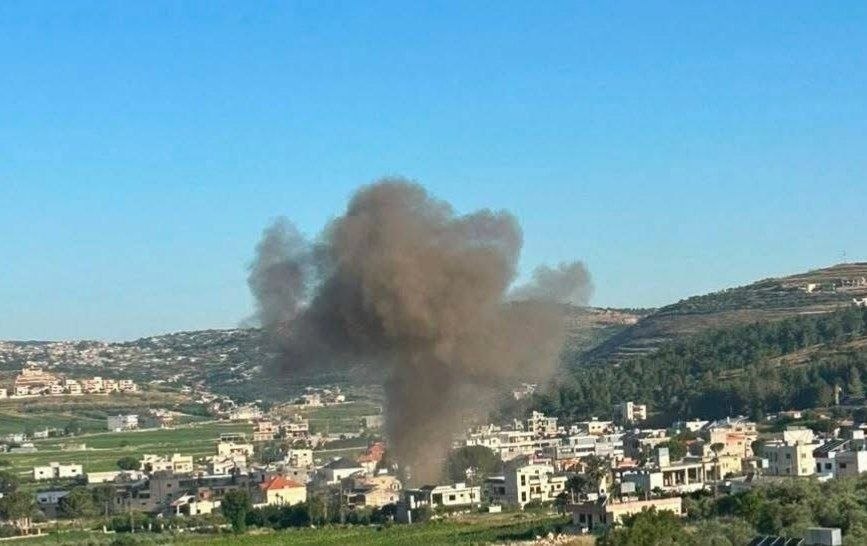
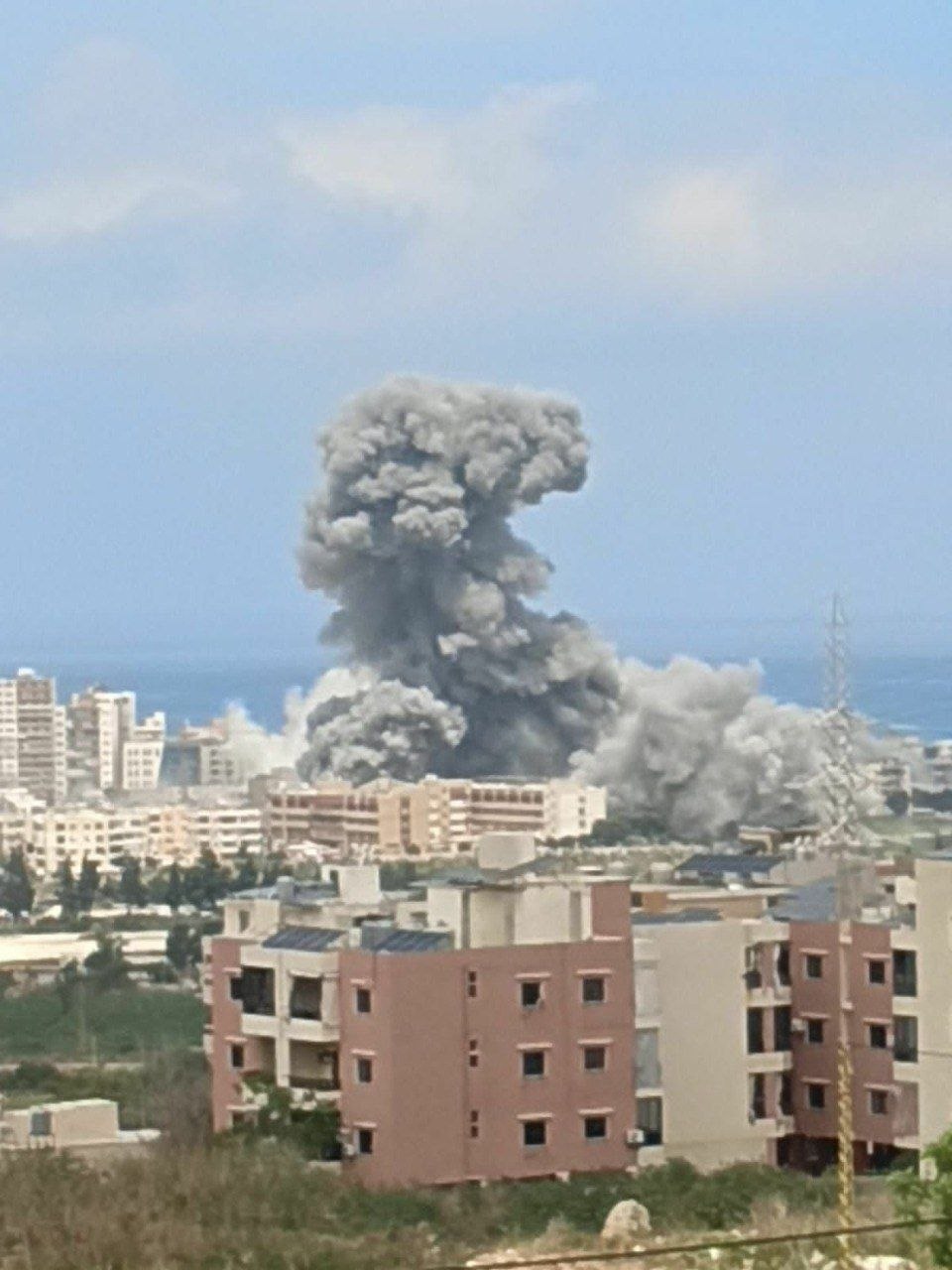
Throughout the day, Israeli warplanes conducted a series of high‑intensity airstrikes across southern Lebanon. Notable incidents include:
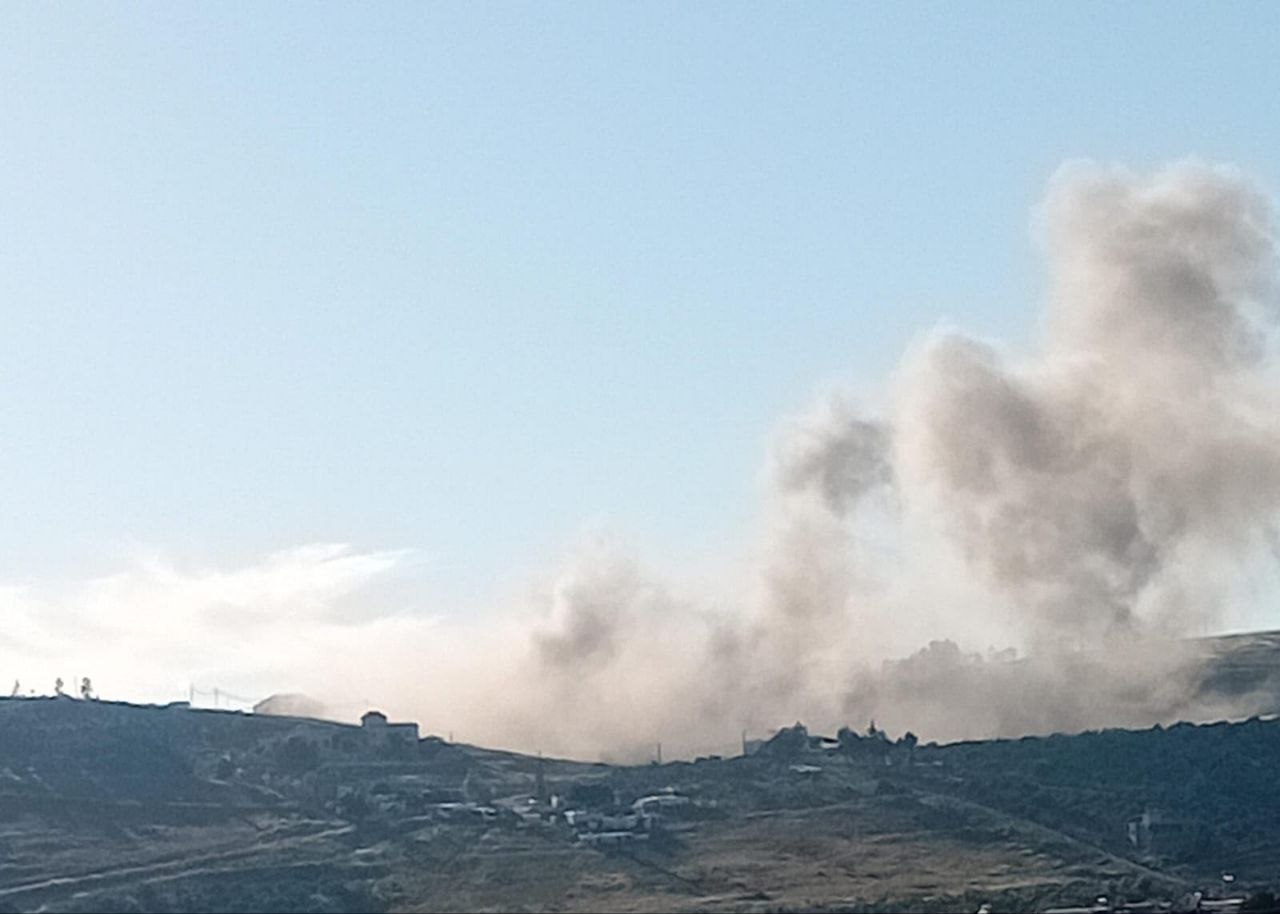
- Blat, Southern Lebanon – Israeli warplanes bombed the town at 16:23, though casualty figures were not disclosed (Source: BellumActaNews).
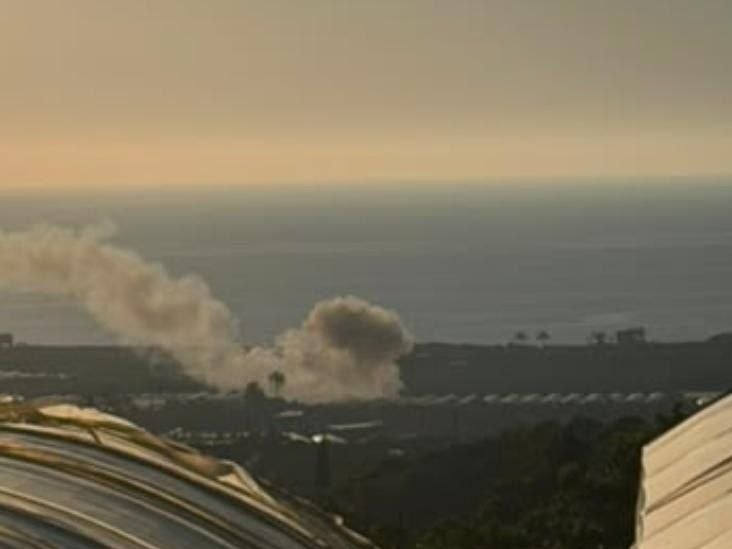
- Hiram Hospital, Tyre District – An airstrike hit a building near the hospital at 16:11; no civilian casualties were reported (Source: BellumActaNews).
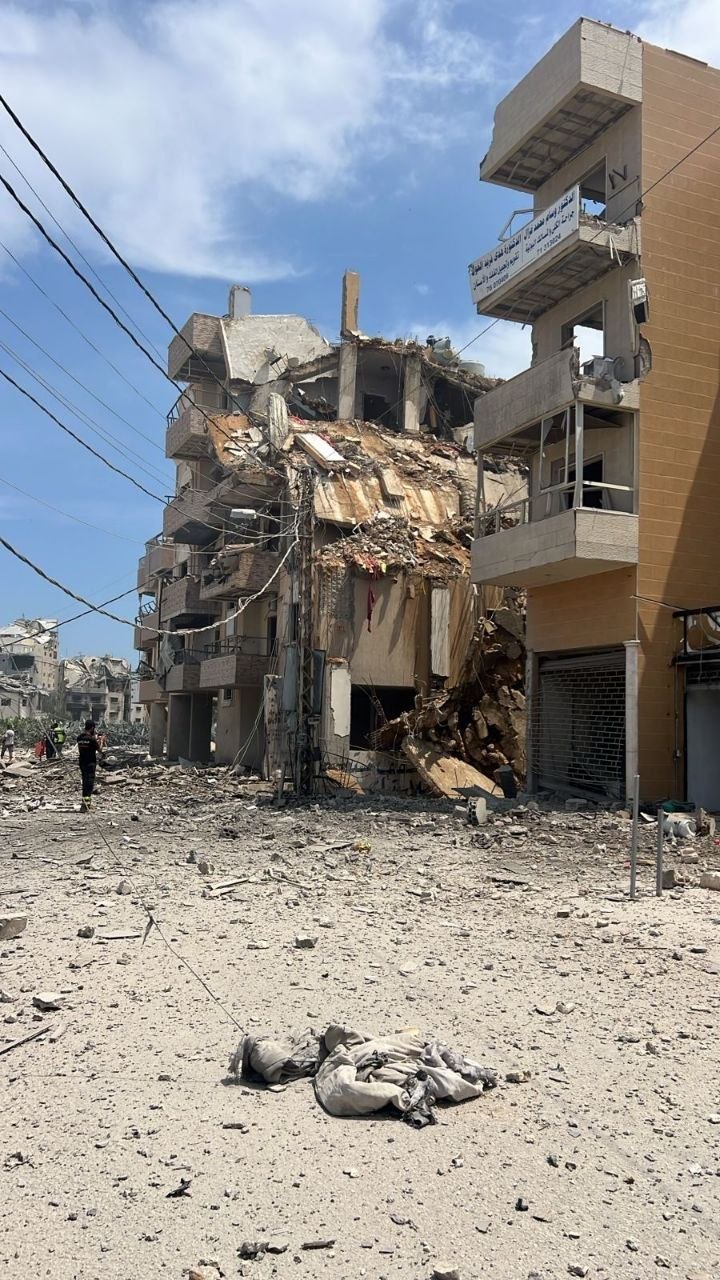
- Deir ez‑Zahrani – Airstrikes at 06:11 resulted in several deaths and injuries among local residents (Source: monitor_the_situation).
- Tyre City – Continuous strikes were logged by both CIG_telegram and GeoPWatch, with multiple video recordings documenting the bombardment (Sources: CIG_telegram, GeoPWatch).
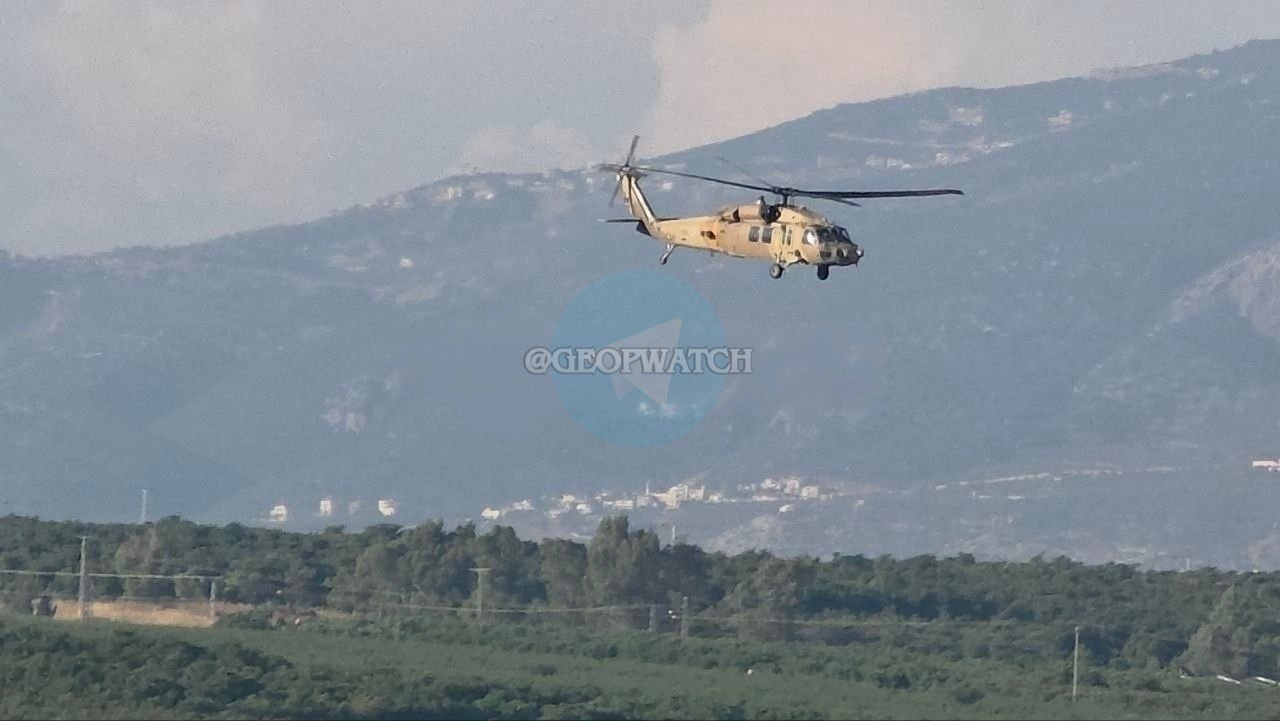
These strikes were described as targeting “Hezbollah weapons depots and command posts,” with the Israeli Air Force (IAF) employing precision munitions to minimise collateral damage. No specific weapon systems were disclosed in the reports, but the use of warplanes and helicopters was repeatedly noted.
Hezbollah Counter‑Fire and Rocket Activity
Hezbollah responded with a series of artillery and rocket attacks aimed at Israeli positions and Lebanese civilian areas:
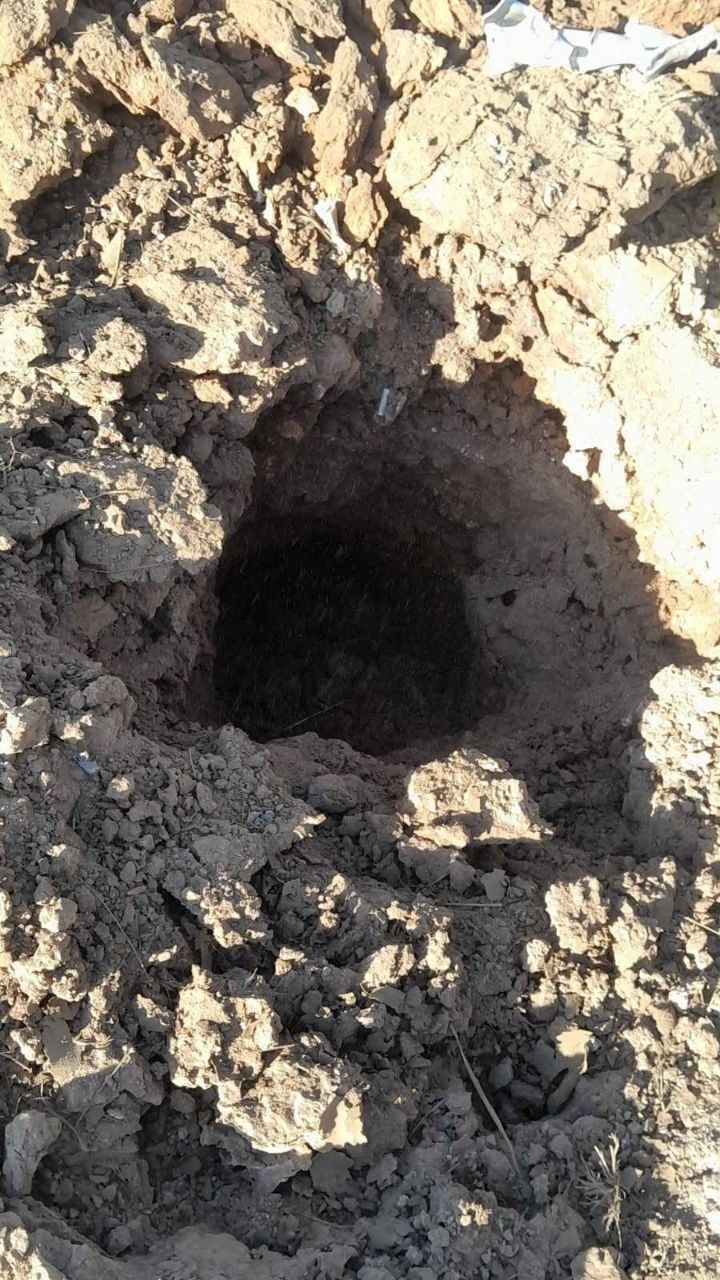
- Rmeish – A Hezbollah‑fired shell landed in a residential district, and a separate rocket landed between homes in the nearby village of Rmeich. No injuries were reported (Source: BellumActaNews).
- Nabatieh – Israeli artillery shells struck the city, followed by an Israeli airstrike on Deir al‑Zahrani. Hezbollah claimed the attacks were part of a broader Israeli escalation (Source: BellumActaNews).
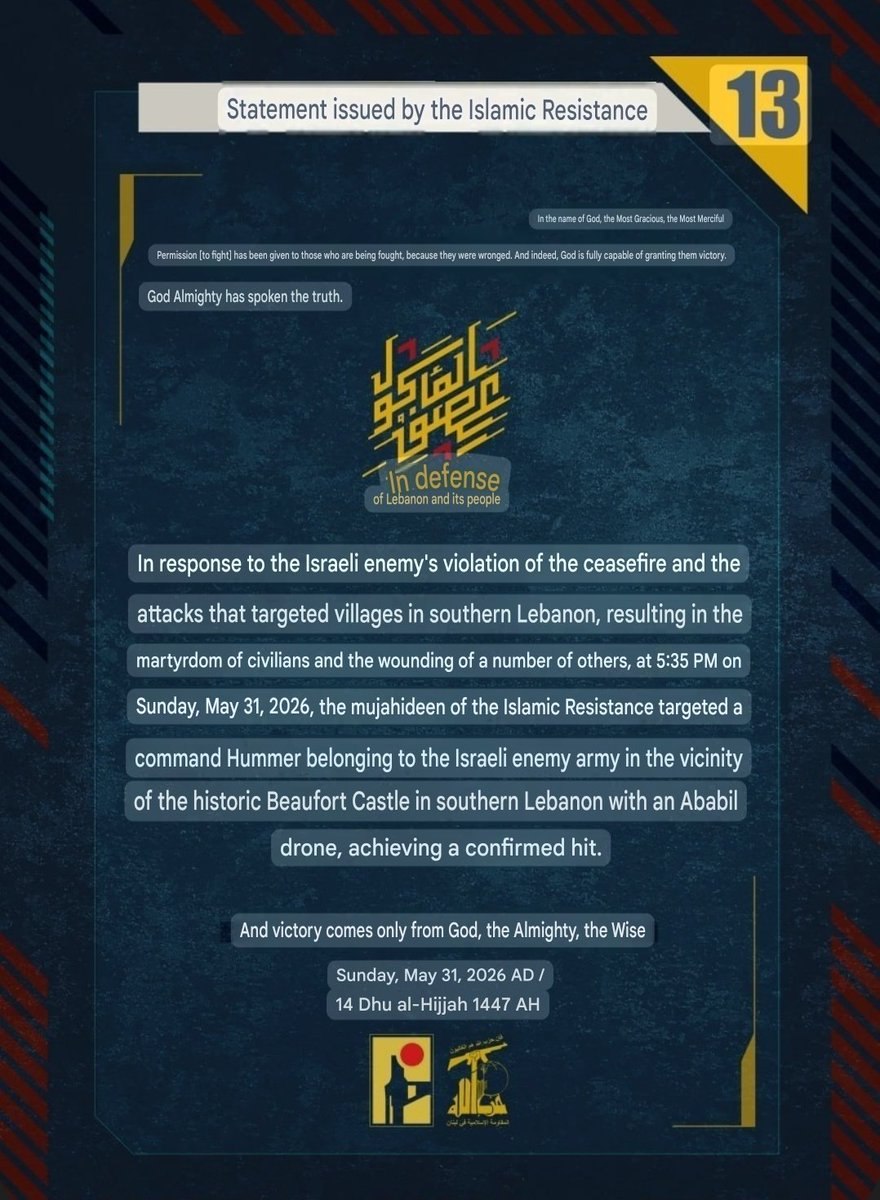
In addition, Hezbollah deployed an FPV drone that struck an Israeli Hummer command vehicle near Beaufort Castle, achieving a direct hit without reported casualties (Source: monitor_the_situation).
Weapon Systems Deployed
The kinetic events of 31 May featured a diverse array of weaponry:
- Israeli warplanes and helicopters conducting airstrikes across Blat, Tyre, and Deir ez‑Zahrani.
- Artillery shells used by the IDF in Arnoun, Kfar Tebnit, Kfar Remman, and Nabatieh.
- Hezbollah‑launched rockets and shells targeting Rmeish and Rmeich.
- FPV drone employed by Hezbollah against an Israeli command vehicle.
While casualty numbers remain limited in the publicly available reports, the intensity of the engagements underscores a significant escalation in the Israel‑Hezbollah front.
Strategic Implications
The capture of Beaufort Castle and the advance north of the Litani River represent a shift in Israel’s operational posture. Historically, the Litani has served as a de‑facto boundary separating Israeli‑controlled zones from Hezbollah‑dominated areas. By breaching this line, the IDF gains a forward operating base that can support further incursions toward the Zahrani River and potentially disrupt Hezbollah’s logistical networks.
Hezbollah’s retaliatory fire, while limited in scale, demonstrates the group’s capacity to strike back in populated areas, raising the risk of civilian displacement and humanitarian concerns. The ongoing air campaign, combined with ground maneuvers, suggests Israel is pursuing a combined‑arms approach aimed at degrading Hezbollah’s command‑and‑control capabilities while limiting the group’s ability to launch cross‑border attacks.
International observers, including the United Nations Interim Force in Lebanon (UNIFIL), have called for restraint on both sides to prevent further civilian harm. However, the rapid tempo of operations and the dense concentration of military assets in southern Lebanon increase the likelihood of inadvertent escalation.
Source Attribution
All event details are drawn from open‑source Telegram channels and news agencies active on 31 May 2026, including BellumActaNews, CIG_telegram, GeoPWatch, idkunim_il, monitor_the_situation, and Al Jazeera. Video and photographic evidence accompanying the original reports were referenced where available.